Artwork
Café Scene in Paris
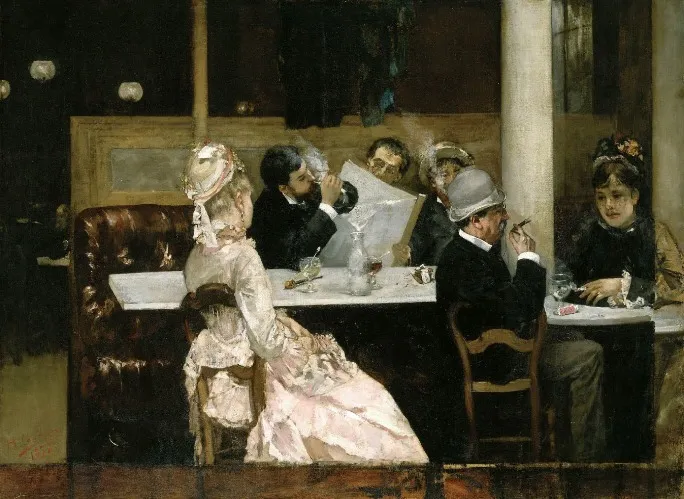
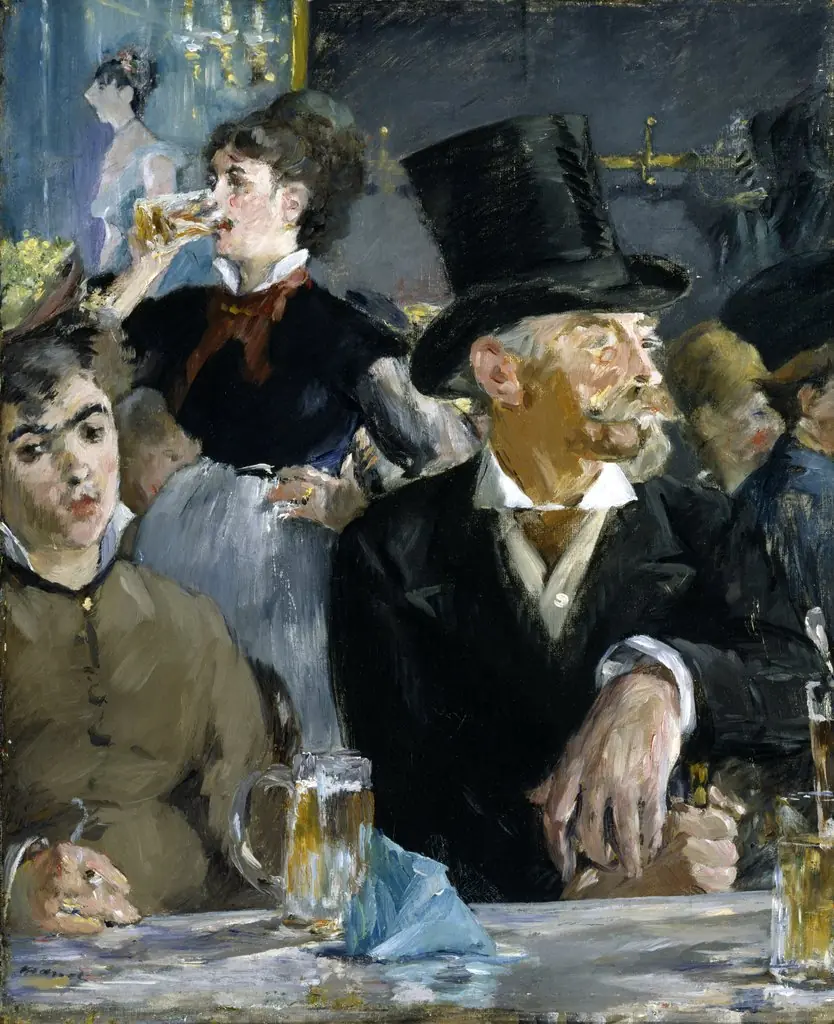
Café Scene in Paris is an oil painting by the Impressionist artist Henri Gervex. It dates from 1889 and is held in the collection of the Detroit Institute of Arts.
About this work
Overview
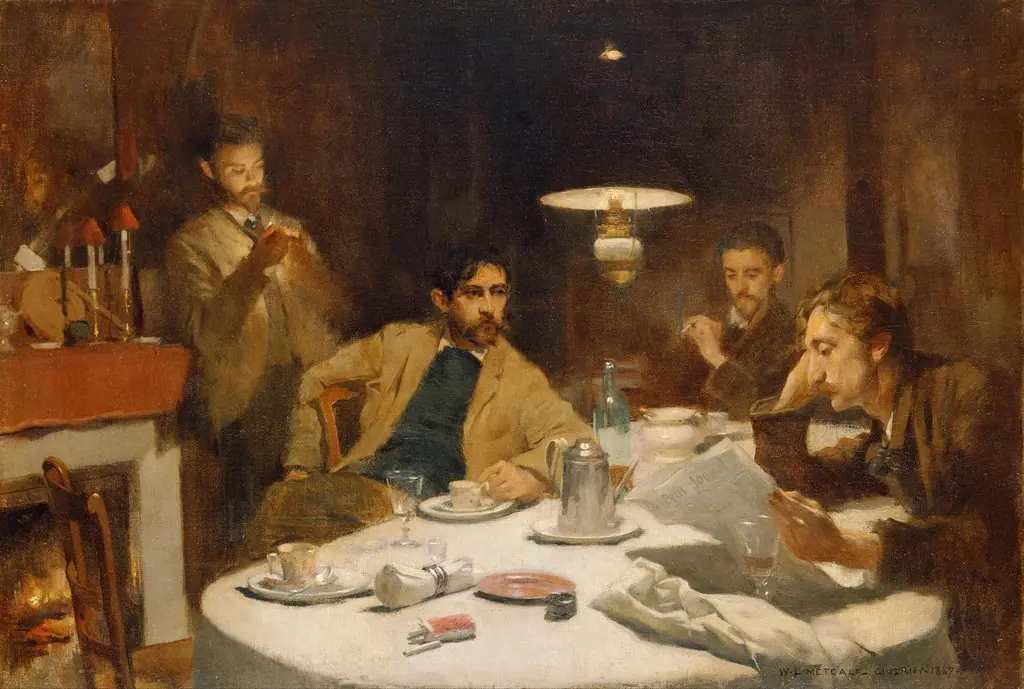
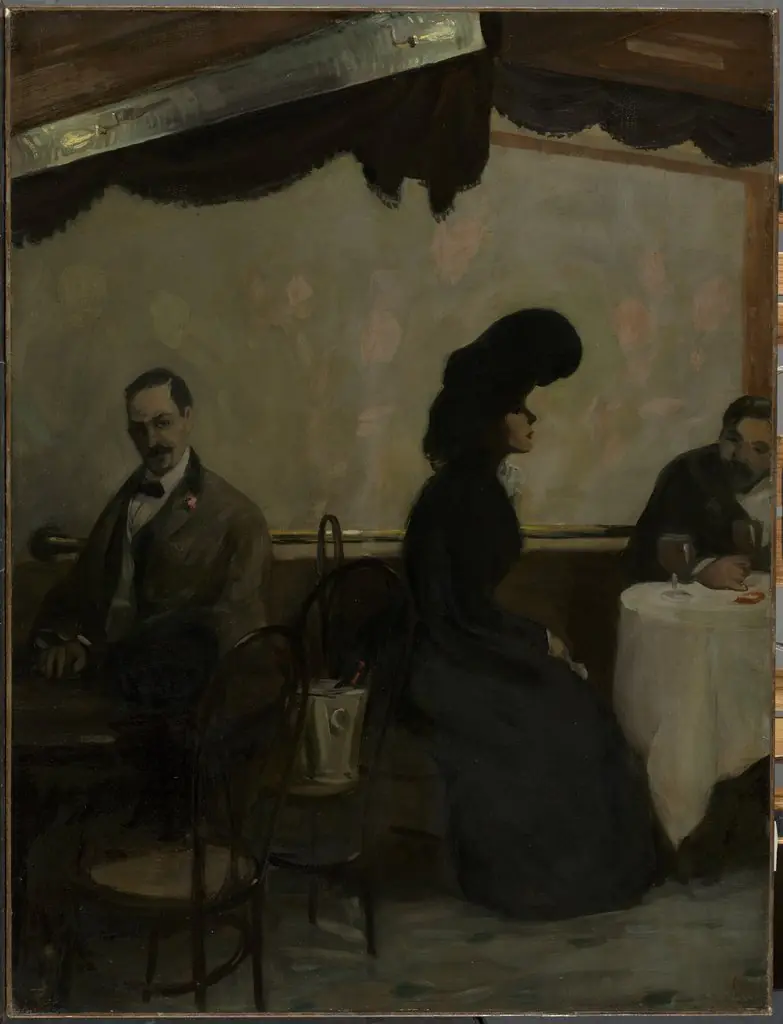
Henri Gervex’s 1889 oil painting *Café Scene in Paris* captures a quiet moment inside a dimly lit Parisian café. The composition focuses on a small group of patrons—men in suits, a woman in a white dress with an elaborate hat, and another seated woman—arranged around a table amid dark walls and a leather couch. The work is part of the Detroit Institute of Arts’ collection.
Subject & Meaning
The scene presents a genre tableau of everyday urban life, emphasizing the social rituals of late‑19th‑century café culture. The contrast between the illuminated white dress and the surrounding muted tones draws attention to the solitary figure, suggesting a subtle commentary on individuality within a communal setting.
Technique & Style
Gervex employs loose, vigorous brushwork to render light and shadow on faces and fabrics, a hallmark of the Impressionist approach. While the palette remains largely subdued, the thick application of paint—particularly in the white dress—creates a tactile surface that enhances the atmospheric depth of the interior.
History & Provenance
Trained under academic masters Alexandre Cabanel, Pierre‑Nicolas Brisset, and Eugène Fromentin, Gervex merged academic training with Impressionist sensibilities in this work. After its exhibition in the late 1880s, the painting entered the Detroit Institute of Arts, where it remains on display.
Context
Created during a period when Parisian cafés served as hubs for artists, writers, and the bourgeoisie, the painting reflects the social milieu that inspired many Impressionist works. Its interior setting aligns with contemporary interests in modern life and the fleeting effects of artificial lighting.
Artist & collection
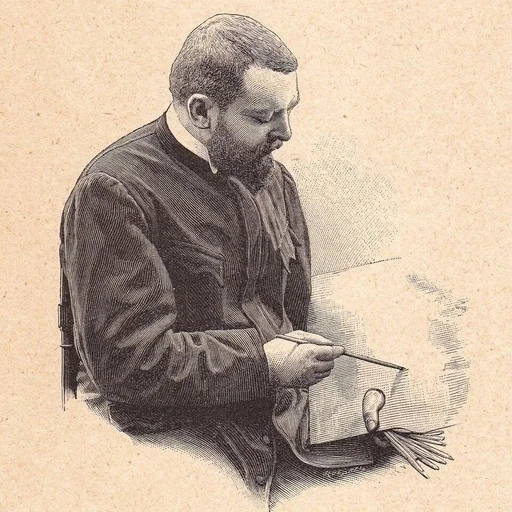
Artist
Henri Gervex (10 December 1852 – 7 June 1929) was a French painter who studied painting under Alexandre Cabanel, Pierre-Nicolas Brisset, and Eugène Fromentin.