Artwork
Portrait of Alfred Stevens
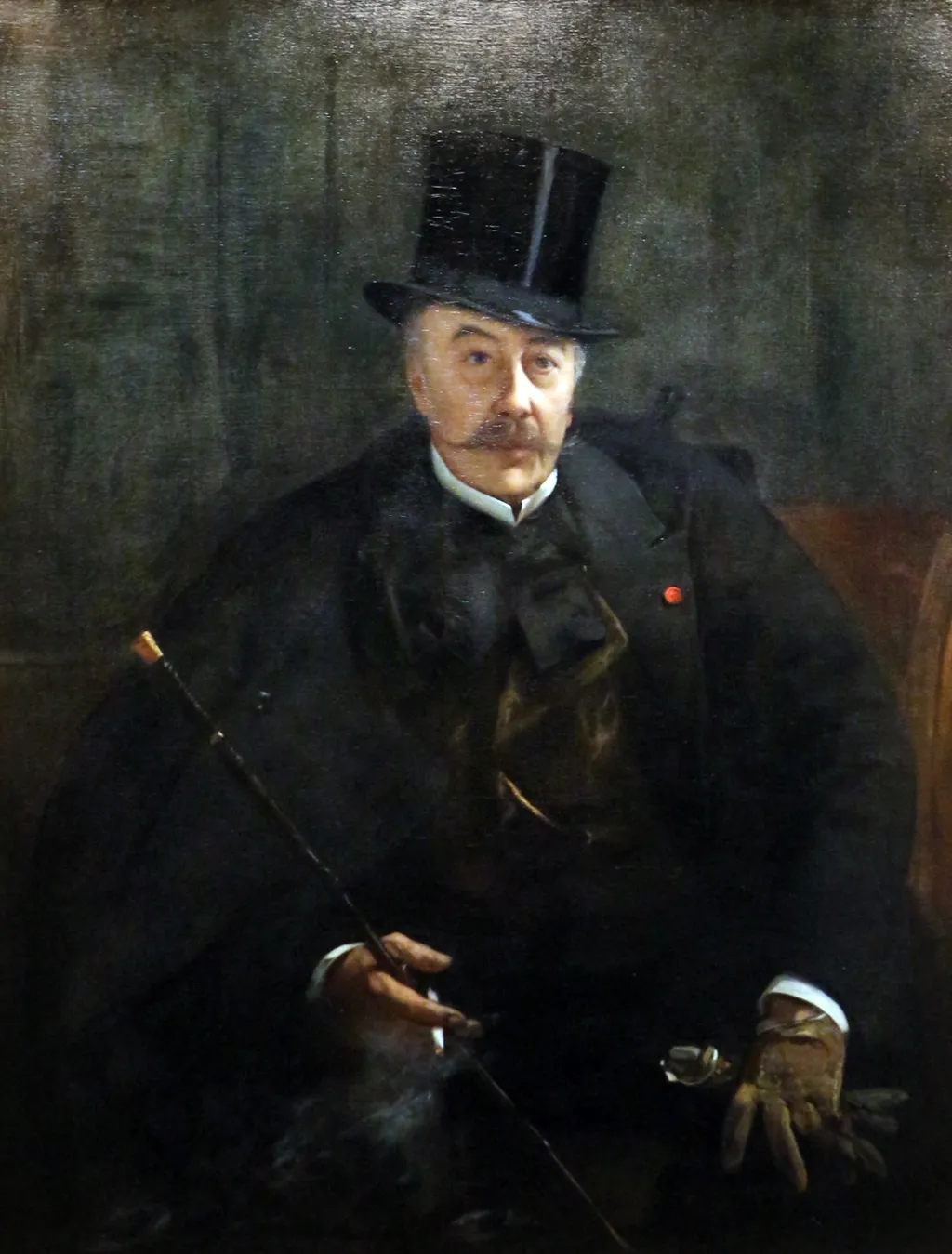
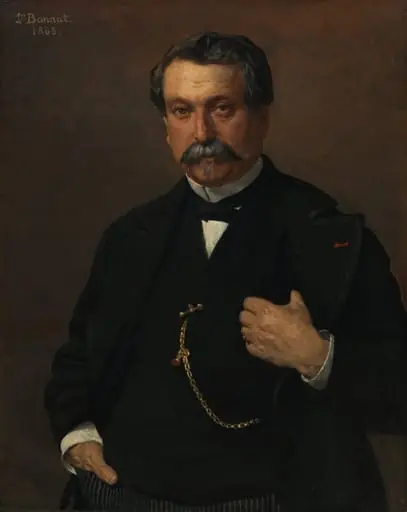
Portrait of Alfred Stevens is an oil painting by the Impressionist artist Henri Gervex. It dates from 1892 and is held in the collection of the Royal Museums of Fine Arts of Belgium.
About this work
The painting features a man dressed in formal attire, including a black top hat, coat, and gloves.
The painting features a man dressed in formal attire, including a black top hat, coat, and gloves. He holds a cane in his right hand and appears to be seated, with his left hand resting on his lap.
The man's face is the focal point of the painting, with his eyes looking directly at the viewer. His expression is serious, and his facial features are well-defined.
The painting is a portrait of Alfred Stevens, created by Henri Gervex in 1884. It is held at the Royal Museums of Fine Arts of Belgium. You might want to explore more about the artist, Henri Gervex.
Overview
Henri Gervex painted a portrait of the Belgian artist Alfred Stevens in 1884 using oil on canvas. Though Gervex was trained in academic traditions under Cabanel and Fromentin, this work reflects a shift toward the observational clarity associated with late 19th-century portraiture. The painting is part of the Royal Museums of Fine Arts of Belgium’s collection, where it remains a quiet testament to the artistic circles of Paris and Brussels at the time.
Subject & Meaning
The subject, Alfred Stevens, was a respected Belgian painter known for his depictions of modern domestic life. Gervex portrays him in formal attire—black top hat, overcoat, gloves—suggesting his status within the art world. His direct gaze and composed posture convey quiet authority rather than flamboyance. The cane, held loosely, reinforces an air of dignified stillness, framing Stevens not as a celebrity but as a serious practitioner of his craft.
Technique & Style
Gervex employed controlled brushwork to render texture and form with precision, particularly in the folds of the coat and the sheen of the hat. The palette is restrained, dominated by dark tones that isolate the face, drawing attention to Stevens’s expression. While not strictly Impressionist, the painting avoids academic idealization, favoring a naturalistic rendering that aligns with evolving portraiture trends of the era.
History & Provenance
The portrait was completed in 1884 and entered the collection of the Royal Museums of Fine Arts of Belgium in the early 20th century. It likely passed through private hands after its creation, possibly gifted or sold within artistic networks connecting Paris and Brussels. Its presence in the museum’s holdings reflects institutional recognition of both artists’ contributions to Belgian and French art of the period.
Context
In the 1880s, Paris was a hub for artists navigating the tension between academic training and emerging modern styles. Stevens, though rooted in genre painting, was admired for his refined technique and international reputation. Gervex, while associated with realism and later Symbolism, chose here to emphasize psychological presence over narrative, reflecting a broader trend toward intimate, character-driven portraiture among contemporaries.
Legacy
The portrait endures as a record of mutual respect between two artists operating in overlapping circles. It does not seek to revolutionize portraiture but instead captures a moment of quiet recognition between peers. Today, it offers insight into the professional identities of 19th-century painters who navigated tradition without fully embracing avant-garde rupture.
Artist & collection
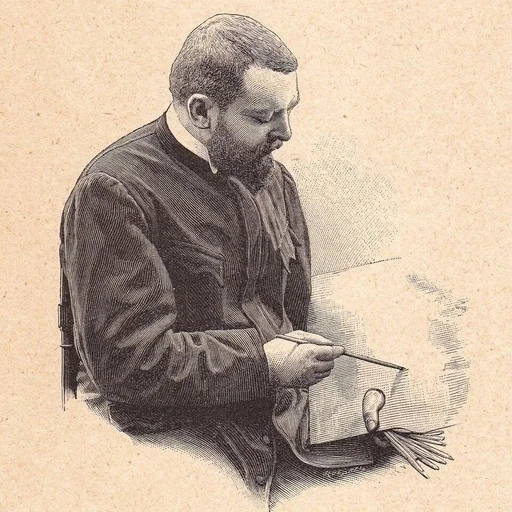
Artist
Henri Gervex (10 December 1852 – 7 June 1929) was a French painter who studied painting under Alexandre Cabanel, Pierre-Nicolas Brisset, and Eugène Fromentin.

Museum
Royal Museums of Fine Arts of Belgium
Continue through works from the same source collection.
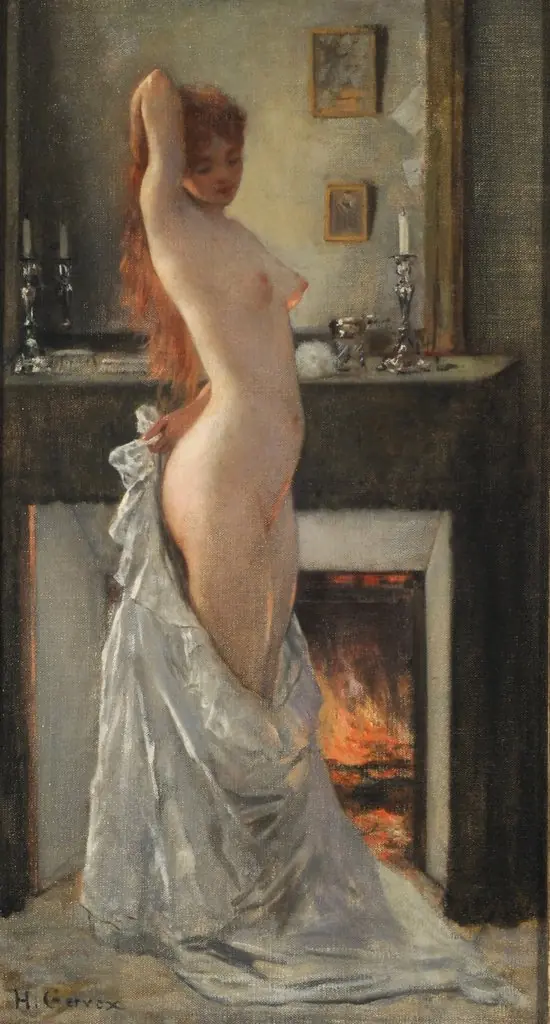
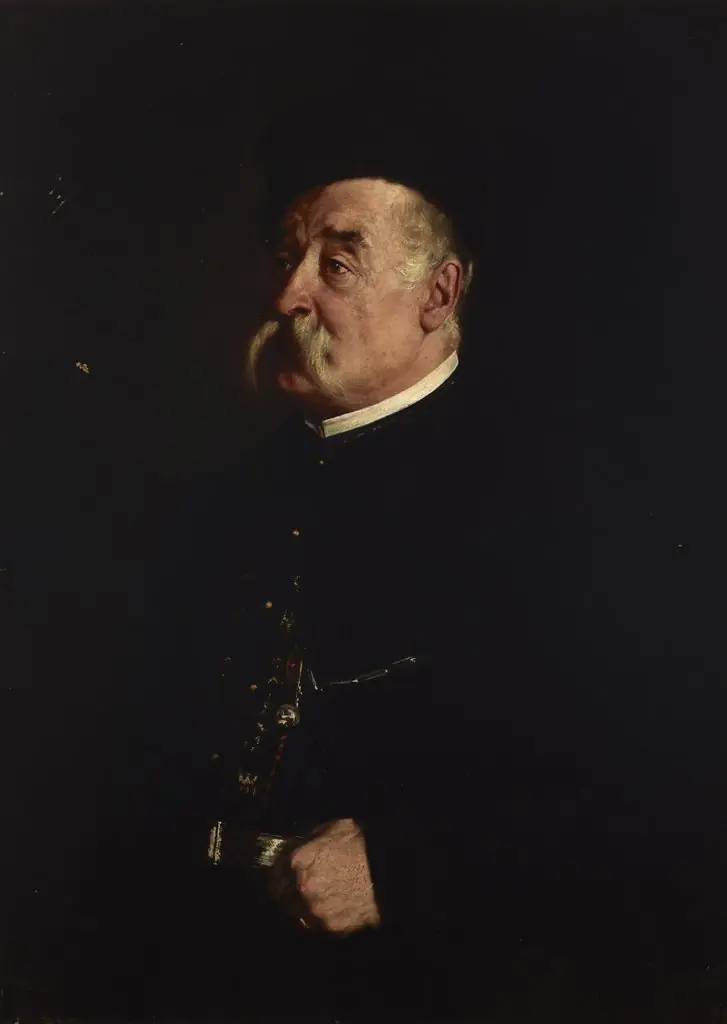 Portrait of Adam Wyleżyński
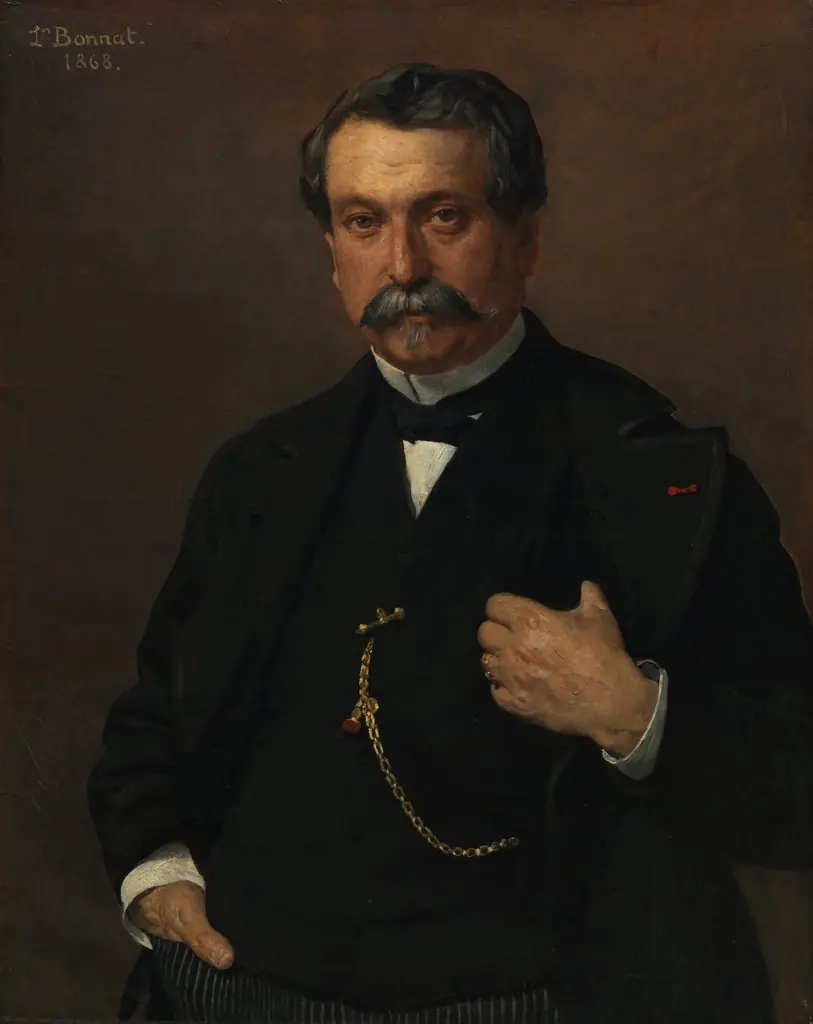 Portrait of Jean Léglise, Merchant, Mayor of Saint-Martin-de-Seignanx
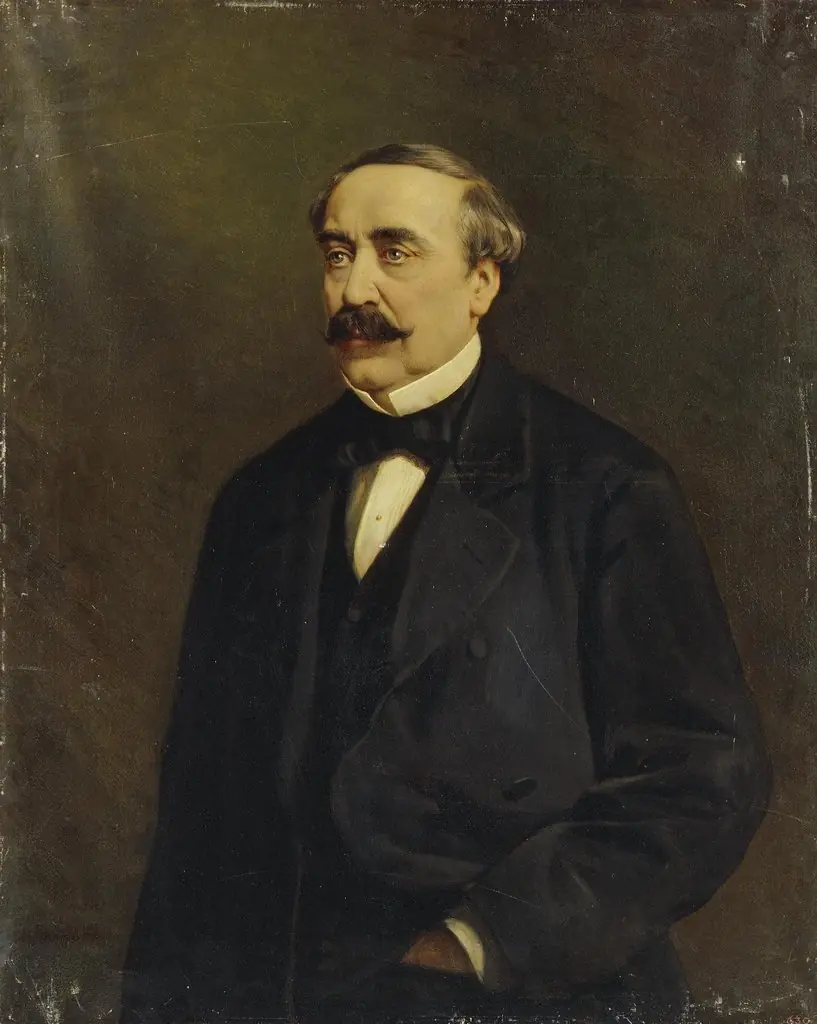 Portrait of the Mining Engineer Nikolay Teplov
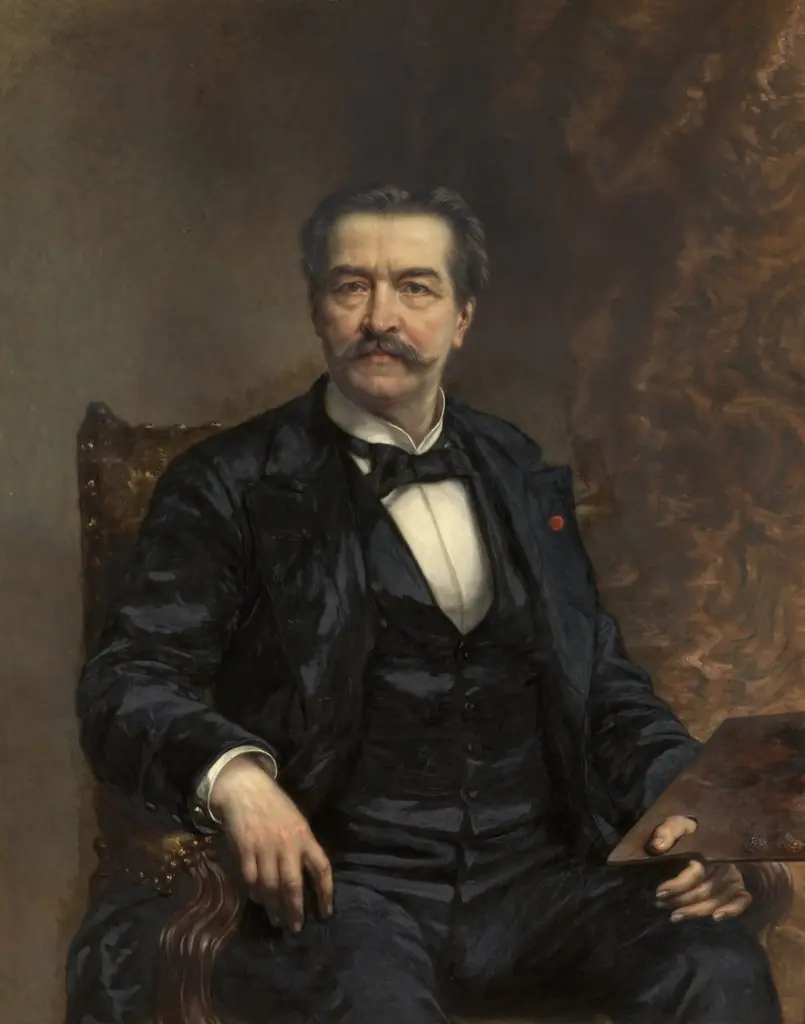 Self Portrait
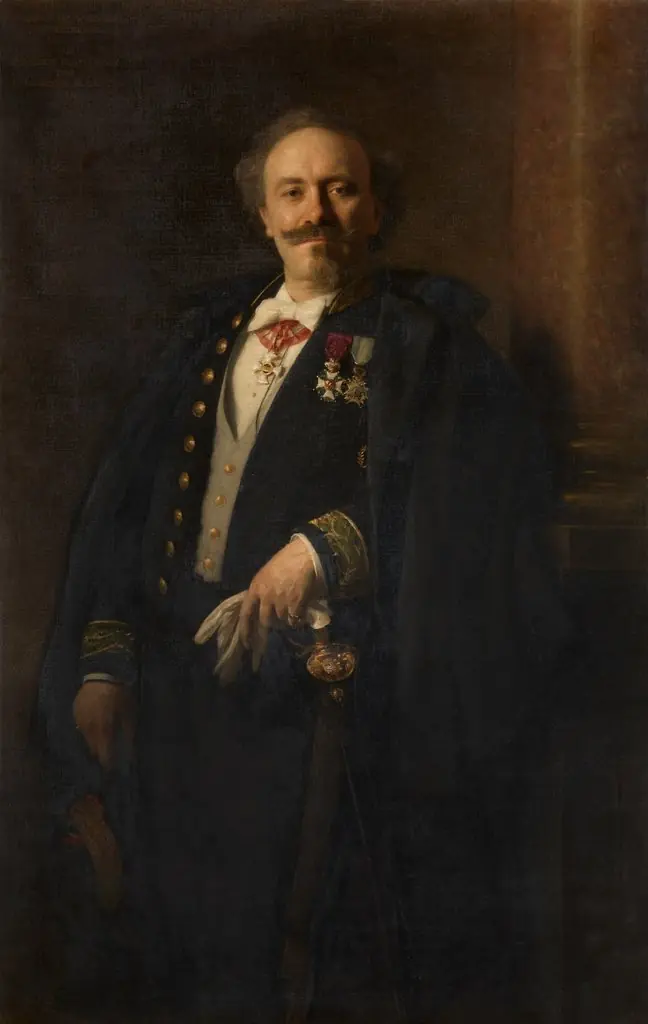 The Architect Jean Jacques Winders
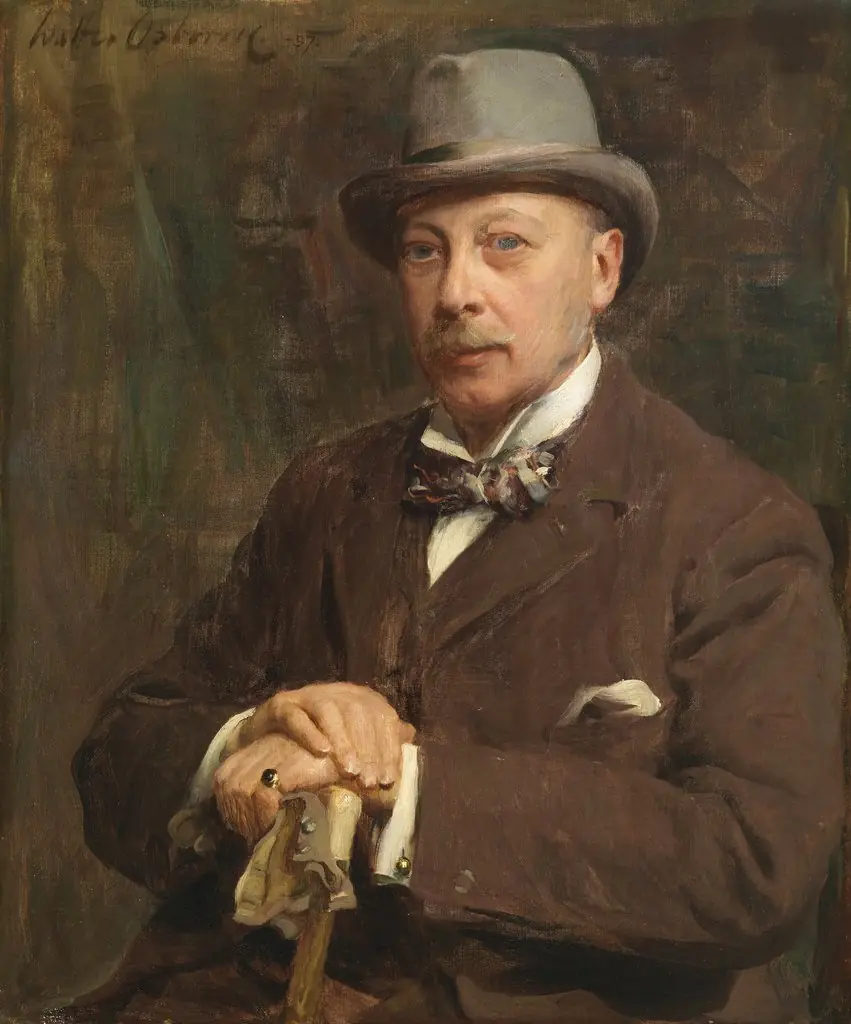 Portrait of a Gentleman
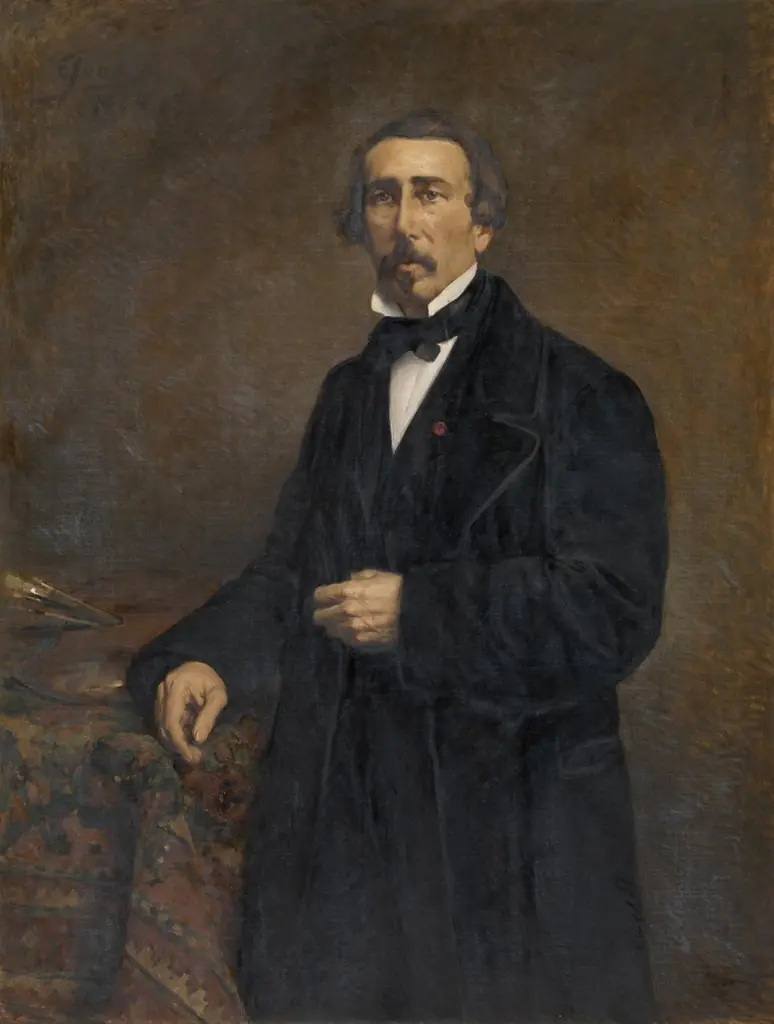 The Painter Jacob Jacobs
 Jaime Girona y Agrafel
 The Lawyer Armand-Désiré Auger
 Porträt Albert Kaumann
 Tehtailija August Keirknerin muotokuva
 Portrait of Jean Léglise, Merchant, Mayor of Saint-Martin-de-Seignanx