Artwork
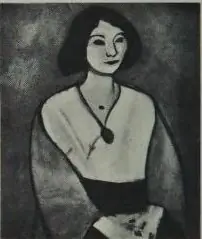
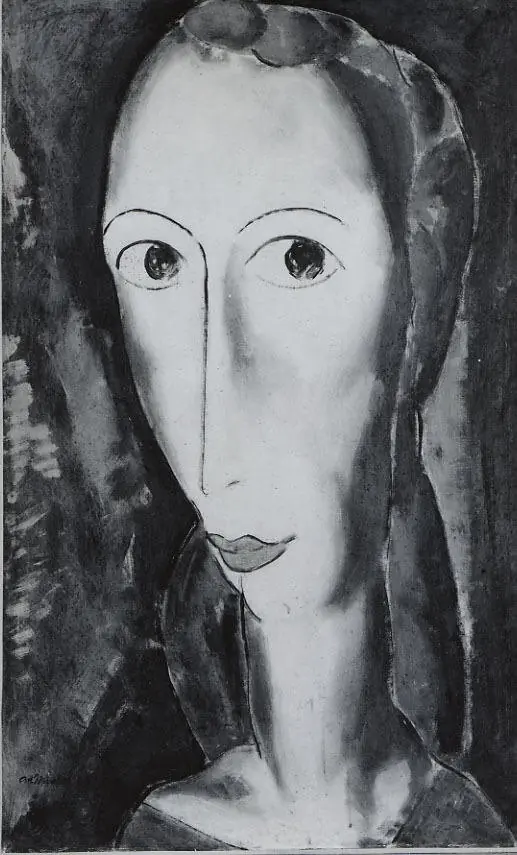
Head of a Woman
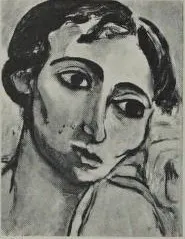
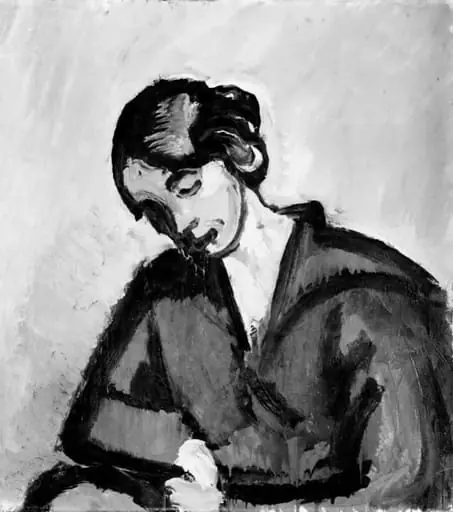
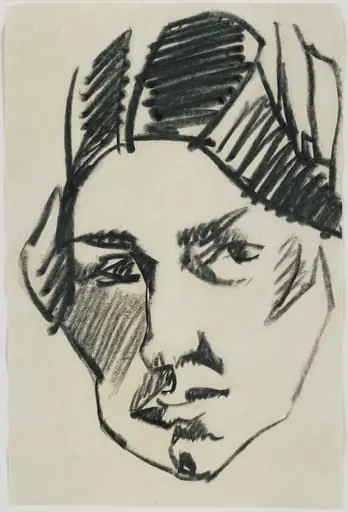
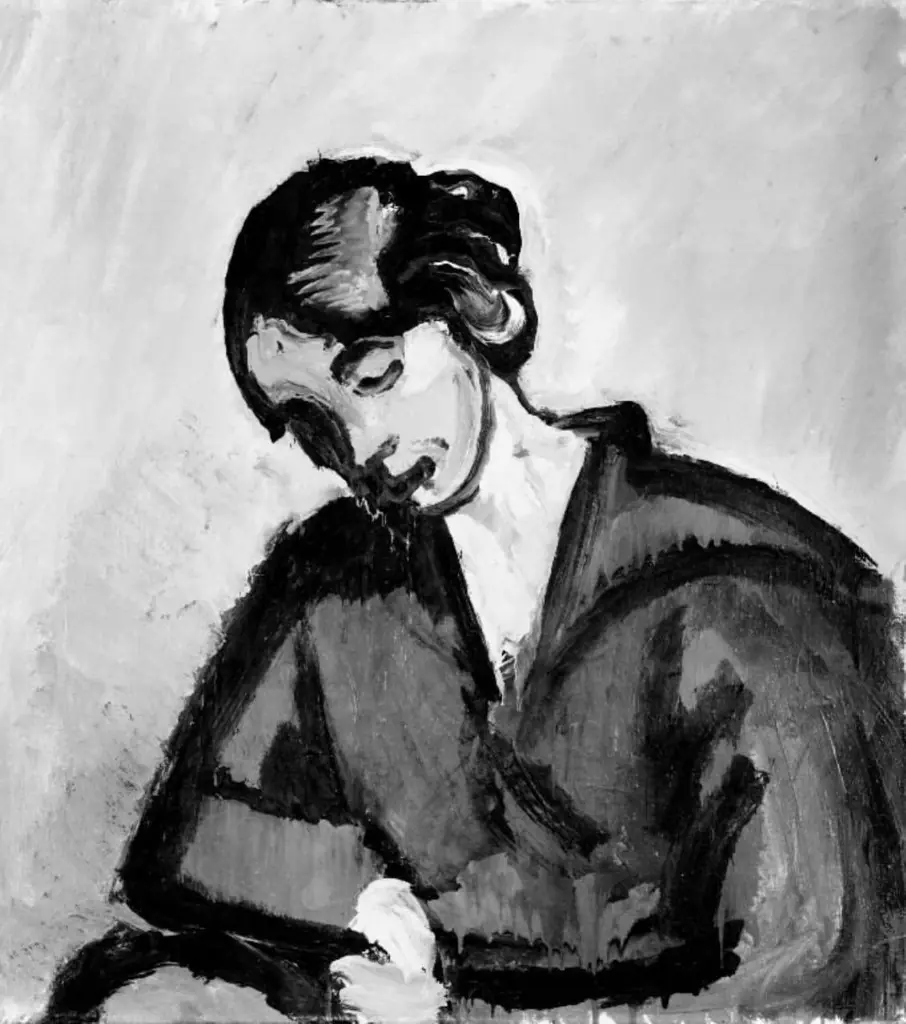
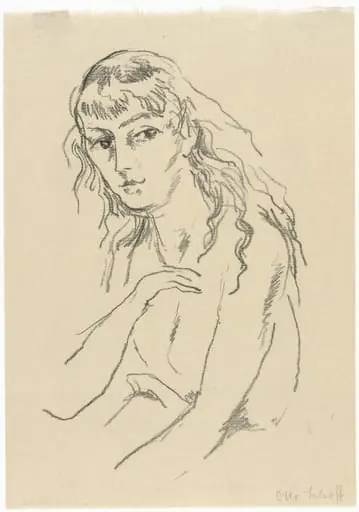
Head of a Woman is an oil painting by Henri Matisse. It dates from 1917 and is held in the collection of the Philadelphia Museum of Art.
About this work
Overview
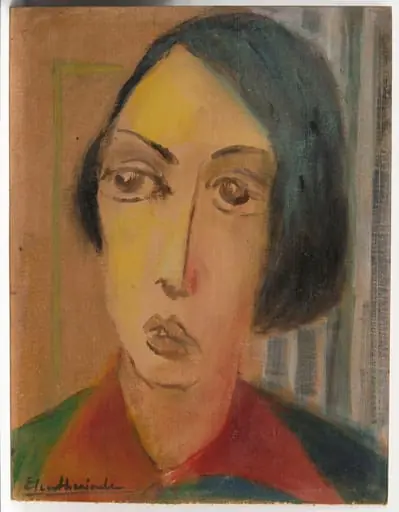
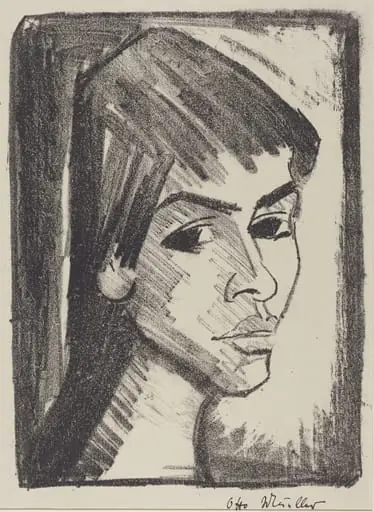
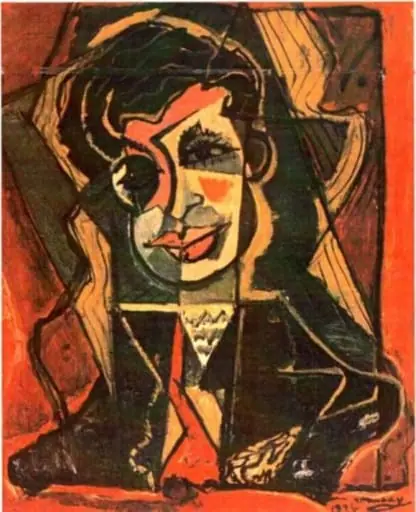
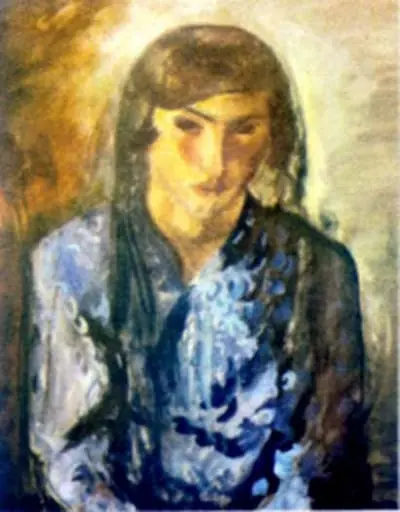
Created in 1917, *Head of a Woman* is an oil painting by Henri Matisse. The work presents a solitary female portrait, rendered with the artist’s characteristic emphasis on color and line. Though primarily known for his paintings, Matisse’s influence extended across early‑twentieth‑century visual arts, shaping both painting and sculpture.
Subject & Meaning
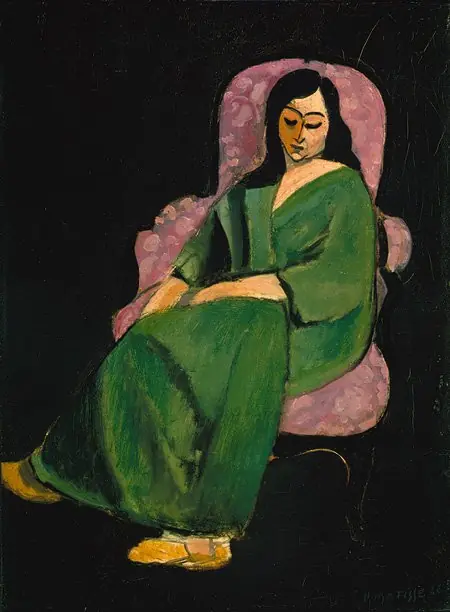
The composition focuses on a woman whose head is turned slightly left, hair drawn back, and gaze directed downward. The simplified facial features and tranquil expression convey an introspective mood, inviting contemplation of the sitter’s inner calm rather than narrative detail.
Technique & Style
Matisse employs bold, expressive brushwork and vivid hues throughout the canvas. The skin is depicted in smooth, flat color planes, while the hair and garment receive more textured, gestural strokes. This contrast between flatness and texture underscores his interest in reducing form to essential lines and colors.
Context
The painting belongs to the period when Matisse was refining his decorative approach after World War I, a time marked by experimentation with abstraction and color theory. It reflects his ongoing dialogue with contemporaneous movements that sought to balance representation with expressive simplification.
History & Provenance
*Head of a Woman* remains documented as a work produced directly by Matisse in his Paris studio during 1917. Its ownership history after creation is recorded through museum collections and private holdings, though specific acquisition details are limited in the available records.
Artist & collection
Artist
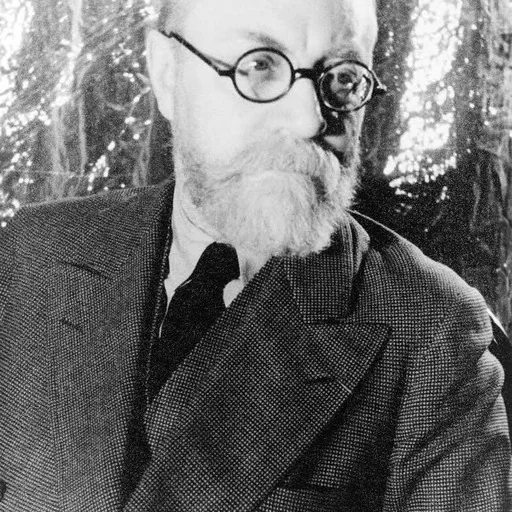
Henri Émile Benoît Matisse (French: ; 31 December 1869 – 3 November 1954) was a French visual artist, known for both his use of colour and his fluid and original draughtsmanship.