Artwork
Tristan Tzara
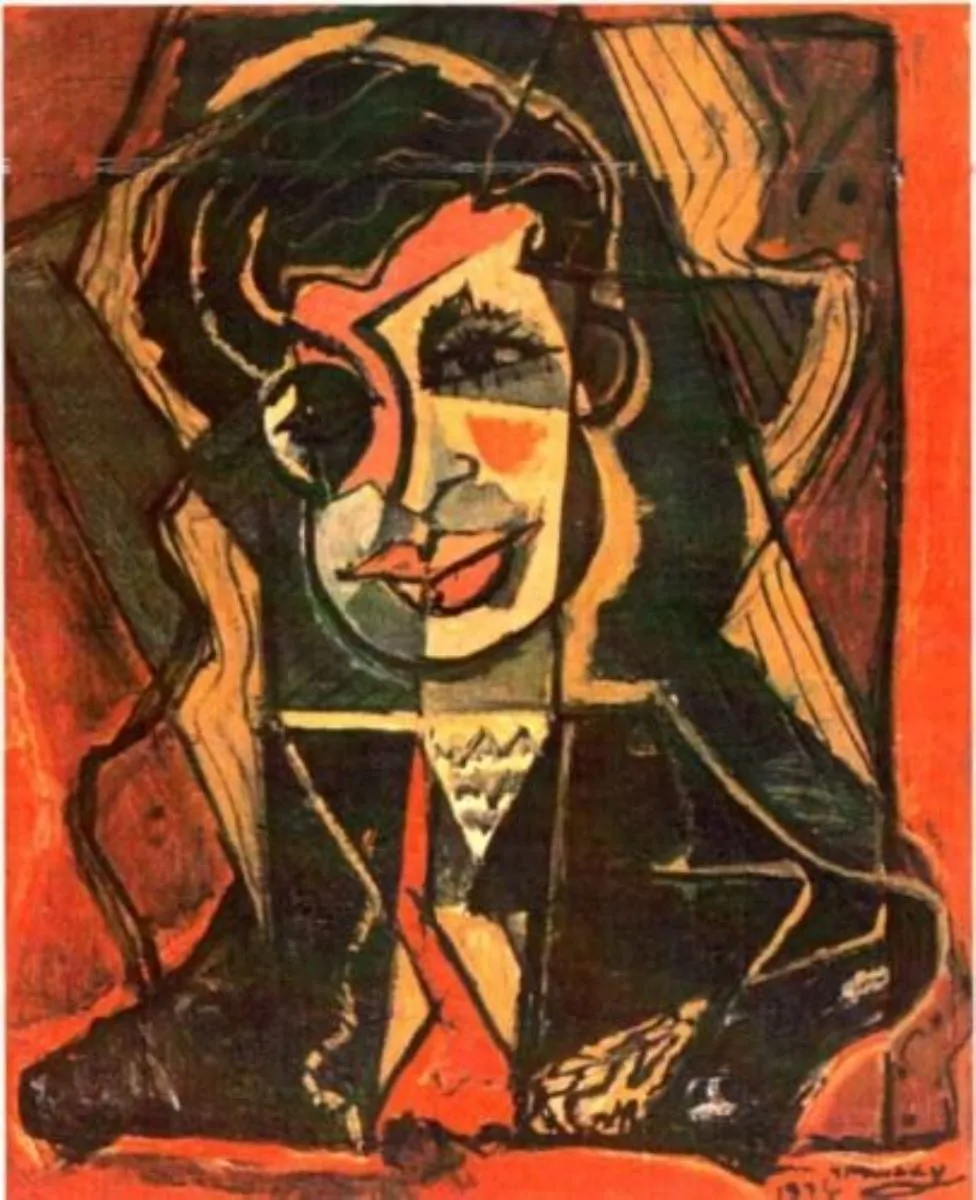
Tristan Tzara is an unspecified painting by Max Hermann Maxy. It dates from 1924 and is held in the collection of the National Museum of Art of Romania.
About this work
Overview
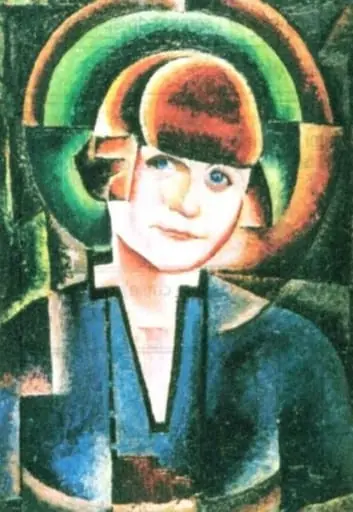
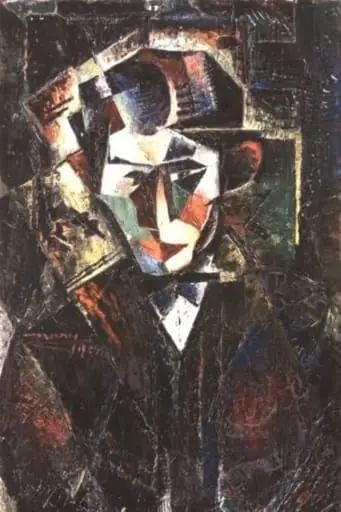
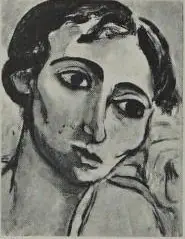
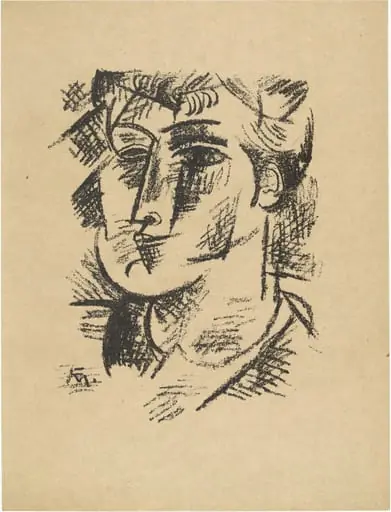
Tzara’s face is rendered with geometric simplification, contrasting sharply with the chaotic, textured background.
Painted in 1924 by Max Hermann Maxy, this portrait depicts the Romanian poet and Dadaist Tristan Tzara. The work is executed in oil on canvas, employing a stylized, non-naturalistic approach. Tzara’s face is rendered with geometric simplification, contrasting sharply with the chaotic, textured background. The painting reflects the influence of avant-garde movements active in Eastern Europe during the early 1920s.
Subject & Meaning
Tristan Tzara, a central figure in the Dada movement, was known for his radical poetry and anti-art stance. Maxy’s portrayal does not aim for likeness but instead conveys Tzara’s disruptive energy through fractured features and intense color. The abstraction suggests a psychological presence rather than a physical one, aligning with Dada’s rejection of traditional representation and its embrace of conceptual disruption.
Technique & Style
Maxy uses thick, impasto brushwork to build the background in warm reds and browns, creating a tactile, uneven surface. The face, in contrast, is flattened into sharp, angular planes with minimal modeling. Colors are applied boldly and without gradation, emphasizing form over realism. The technique merges Expressionist intensity with Cubist fragmentation, producing a visual tension between figure and ground.
History & Provenance
The painting was created during Maxy’s time in Bucharest, where he was active in the Romanian avant-garde scene alongside Tzara. It remained in private collections in Romania for much of the 20th century before entering a public institution. Its survival through political upheavals underscores its significance as a document of interwar artistic resistance and intellectual exchange.
Context
In the early 1920s, Eastern European artists were redefining modernism beyond Western centers like Paris. Maxy’s portrait reflects a regional response to Dada and Expressionism, blending local folk motifs with radical abstraction. Tzara’s international prominence gave the work added weight as a visual counterpart to his literary provocations, situating it within a broader network of anti-establishment cultural activity.
Legacy
The portrait stands as one of the few surviving visual representations of Tzara from his most influential years. It has been referenced in studies of Eastern European modernism and Dada’s transnational reach. While not widely exhibited, it remains a key example of how portraiture was reimagined as a vehicle for ideological and aesthetic rebellion in the post-war avant-garde.
Artist & collection

Artist
Max Hermann Maxy was a Romanian painter, art professor, scenographer, and professor of German-Jewish descent.