Artwork
Untitled
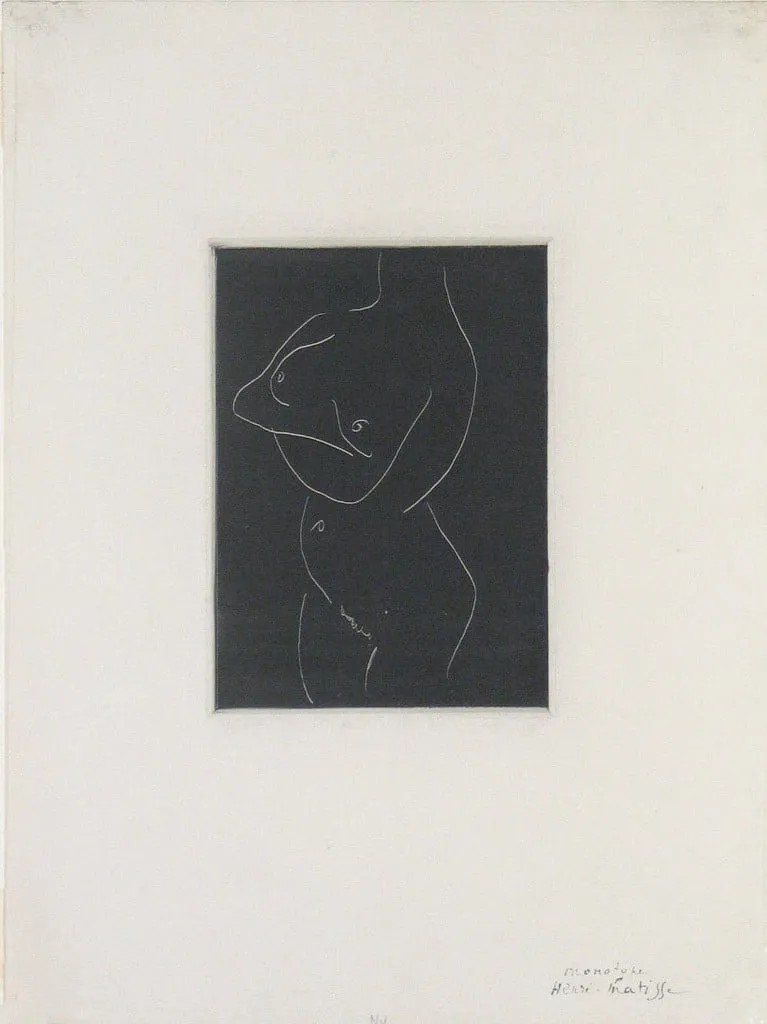
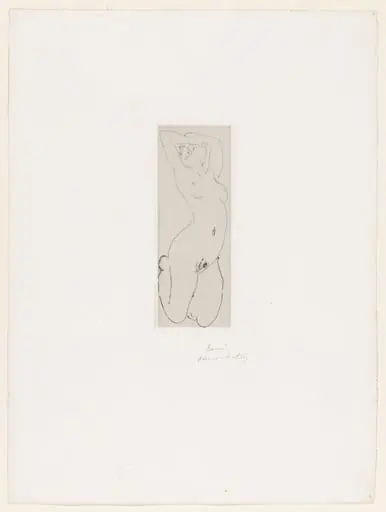
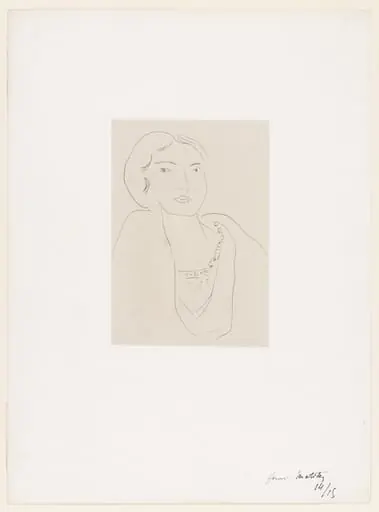
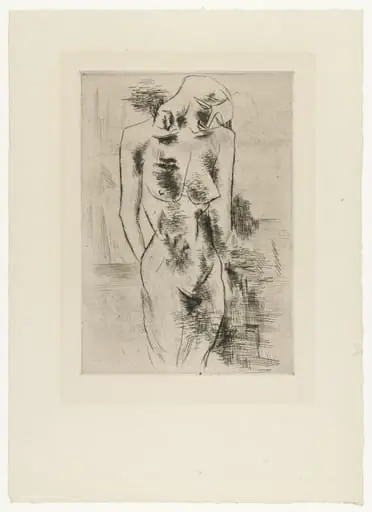
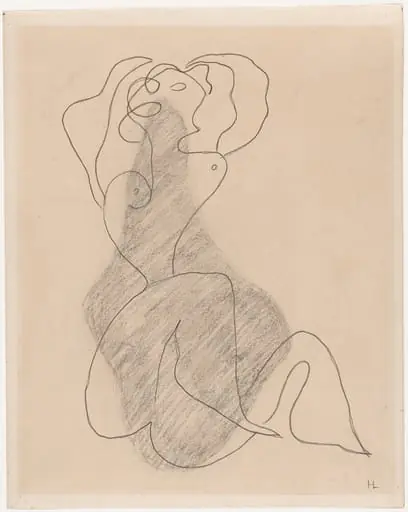
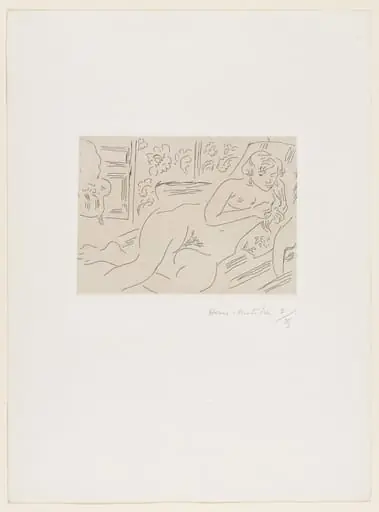
Untitled is a print by Henri Matisse. It dates from 1915 and is held in the collection of the Museum of Modern Art.
About this work
Overview
Though best known for his paintings, Matisse consistently explored alternative media, using the constraints of print to refine his approach to form and line.
Henri Matisse produced this monotype with chine collé in 1915, during a period when he was deepening his engagement with printmaking. Though best known for his paintings, Matisse consistently explored alternative media, using the constraints of print to refine his approach to form and line. This work exemplifies his interest in reducing imagery to its essential contours, stripping away detail to emphasize gesture and presence.
Subject & Meaning
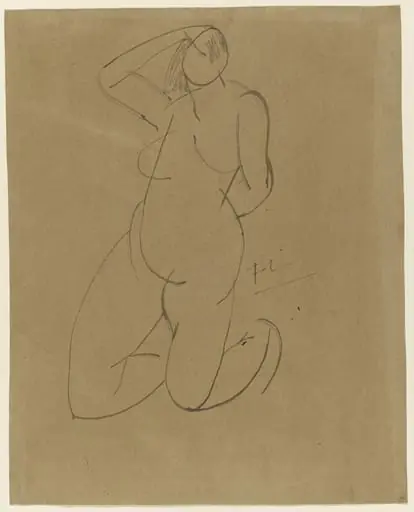
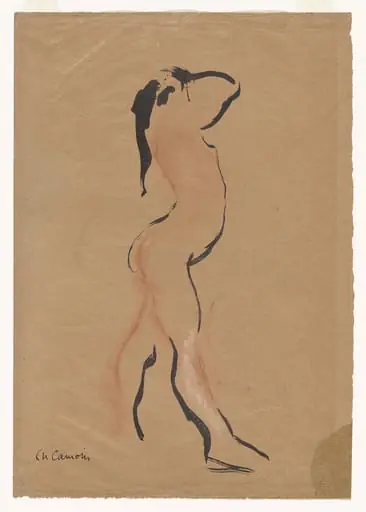
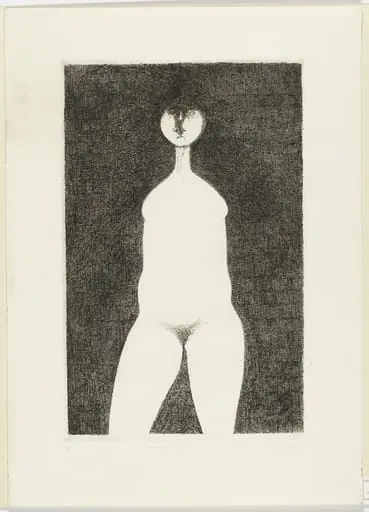
The image depicts a nude figure in profile, arms raised and head tilted backward, seated in a calm, unadorned posture. There is no narrative context or environmental detail—only the body, rendered in a single continuous line against a dark ground. The absence of facial features and the quiet stillness suggest introspection rather than performance, inviting a contemplative response focused on the vulnerability and simplicity of the human form.
Technique & Style
Matisse employed monotype, a process that yields a unique impression, combined with chine collé to adhere thin paper to a heavier support. The figure is drawn with minimal, fluid strokes, using only white ink on a black field. This reversal of traditional tonal values heightens the sense of emergence—form arising from darkness. The technique allowed spontaneity, aligning with his interest in capturing movement and rhythm through direct, unmediated mark-making.
History & Provenance
Created during World War I, this work emerged from Matisse’s time in the south of France, where he retreated from the turmoil of Paris. While his contemporaries were experimenting with abstraction or fragmentation, Matisse turned inward, refining his drawings and prints. This piece belongs to a small group of monotypes from this period, many of which were not widely exhibited until decades later, preserving their intimate character.
Context
In 1915, Matisse was navigating the shifting landscape of modern art, balancing his association with Fauvism’s bold color against a growing interest in structural clarity. Printmaking offered him a space to experiment without the expectations of large-scale painting. His monotypes from this time reflect a dialogue with ancient and non-Western art, emphasizing silhouette and economy of form over illusionistic depth.
Legacy
This work contributes to a body of late-career prints that redefined the potential of monotype as a medium for expressive minimalism. Matisse’s approach influenced later artists seeking to convey emotion through restraint, demonstrating how reduction could deepen psychological resonance. Though less publicized than his paintings, these prints remain central to understanding his lifelong commitment to clarity and essential form.
Artist & collection
Artist
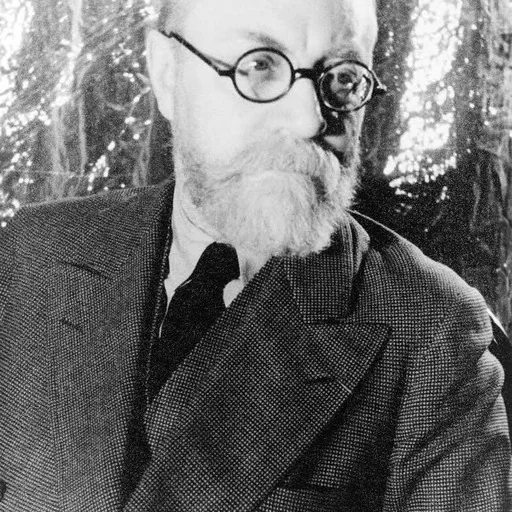
Henri Émile Benoît Matisse (French: ; 31 December 1869 – 3 November 1954) was a French visual artist, known for both his use of colour and his fluid and original draughtsmanship.