Artwork
Vase of Irises
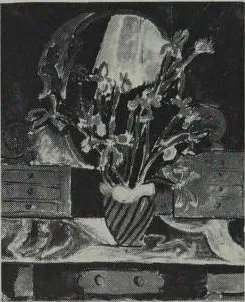
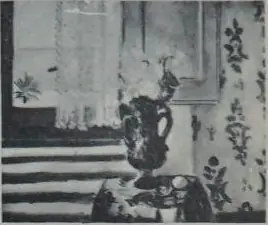
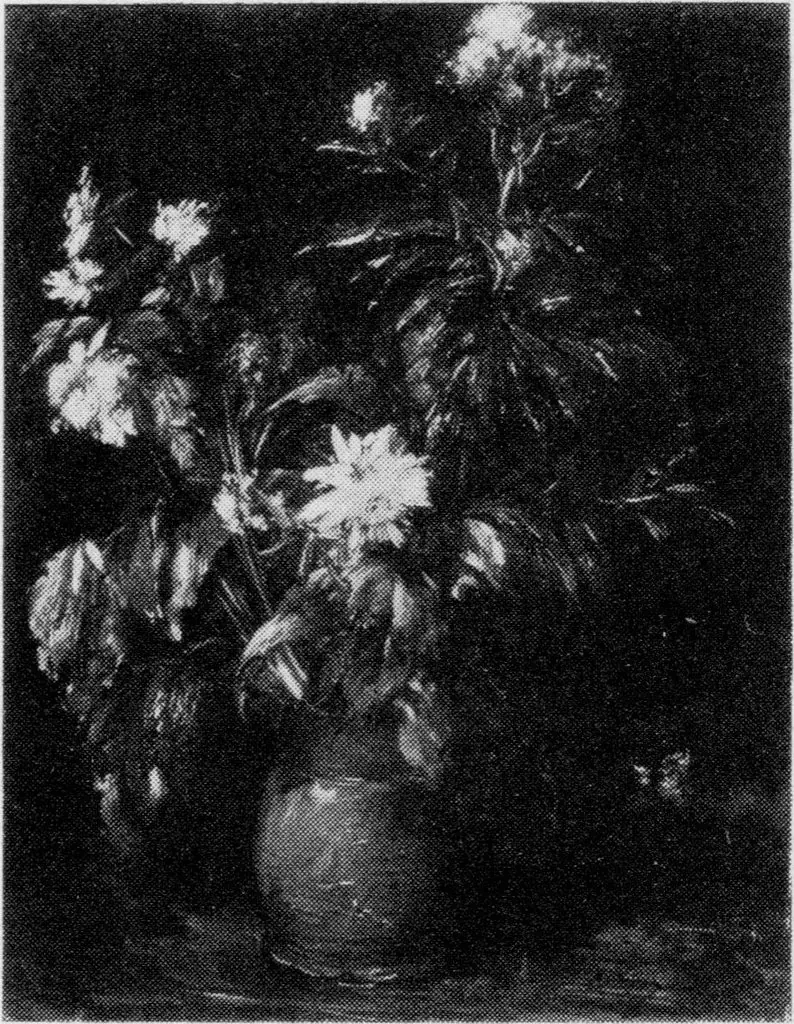
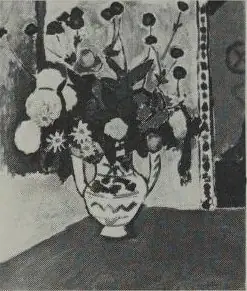
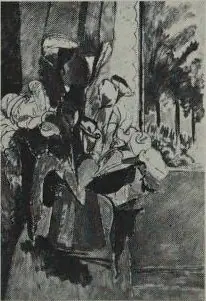
Vase of Irises is an oil painting by the Post-Impressionist artist Henri Matisse. It dates from 1912 and is held in the collection of the Hermitage Museum.
About this work
Overview
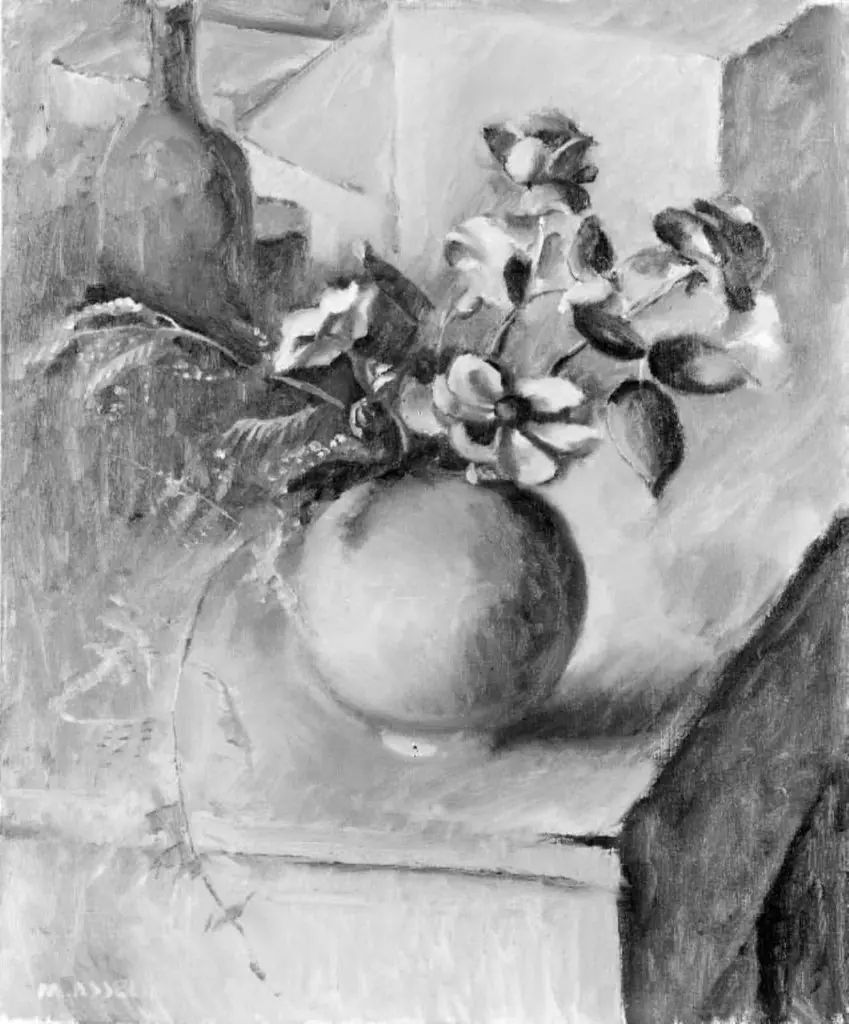
Henri Matisse’s 1912 oil painting *Vase of Irises* presents a simple still‑life: a vase holding irises rests on a dark tabletop, accompanied by a few indistinct objects such as a book or box. The composition is rendered in a limited tonal range, emphasizing form over naturalistic color.
Subject & Meaning
The work focuses on the arrangement of irises, a flower often associated with elegance and renewal. By isolating the vase and its contents against a muted background, Matisto invites contemplation of the objects’ shape and spatial relationship, rather than a narrative or symbolic story.
Technique & Style
Matisse employs thick, uneven brushstrokes that alternate between smooth and rough surfaces, creating a tactile quality. Strong contrasts of light and dark flatten the picture plane, reducing the scene to bold geometric patches rather than detailed representation, a hallmark of his post‑impressionist approach.
History & Provenance
Created during the early phase of Matisse’s career, the painting reflects his exploration of simplified forms that would later inform his cut‑out period. Though specific ownership records are sparse, the piece remains documented as part of the artist’s 1912 output, marking his transition toward more abstracted visual language.
Artist & collection
Artist
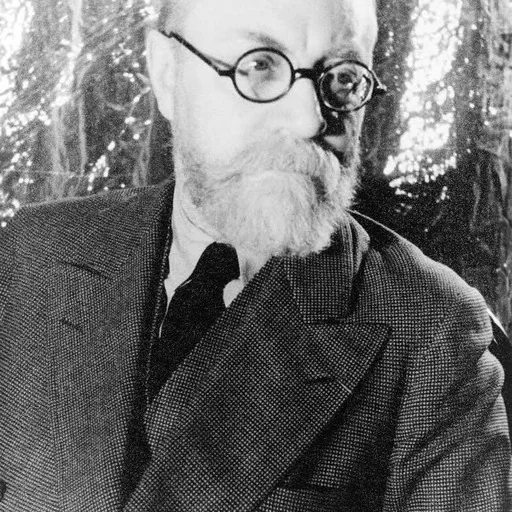
Henri Émile Benoît Matisse (French: ; 31 December 1869 – 3 November 1954) was a French visual artist, known for both his use of colour and his fluid and original draughtsmanship.