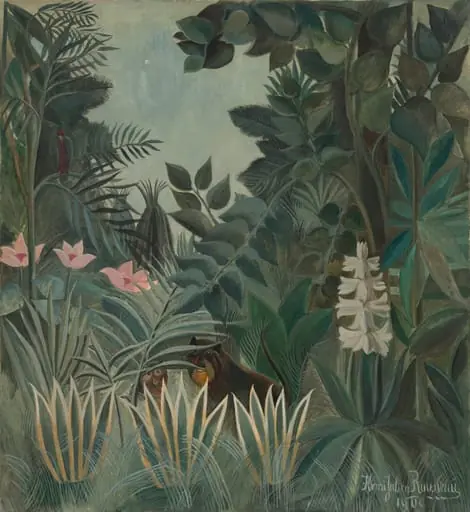
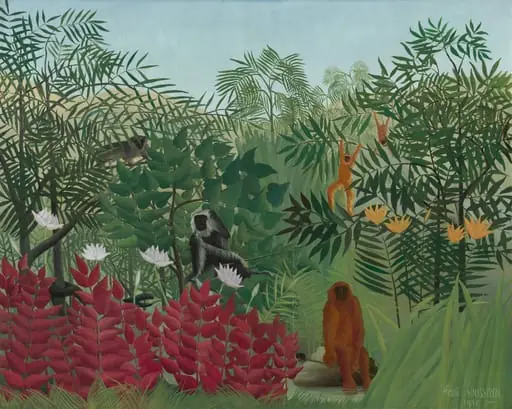
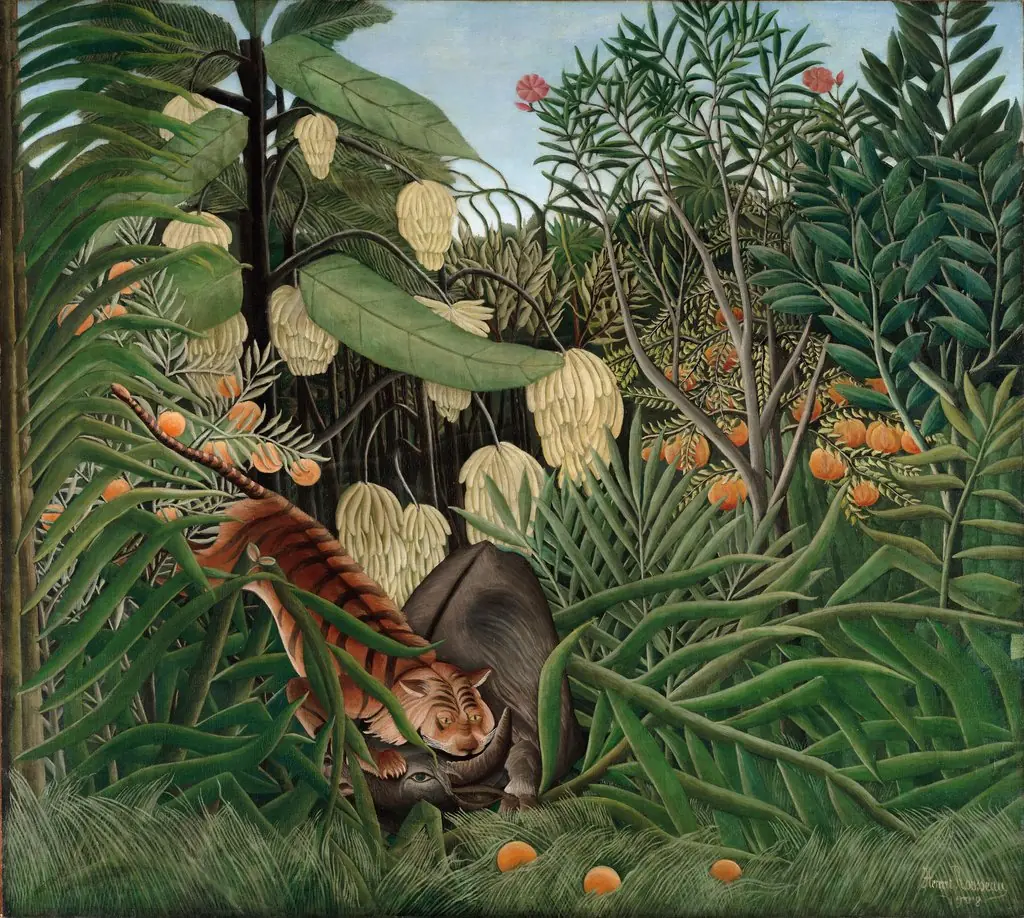
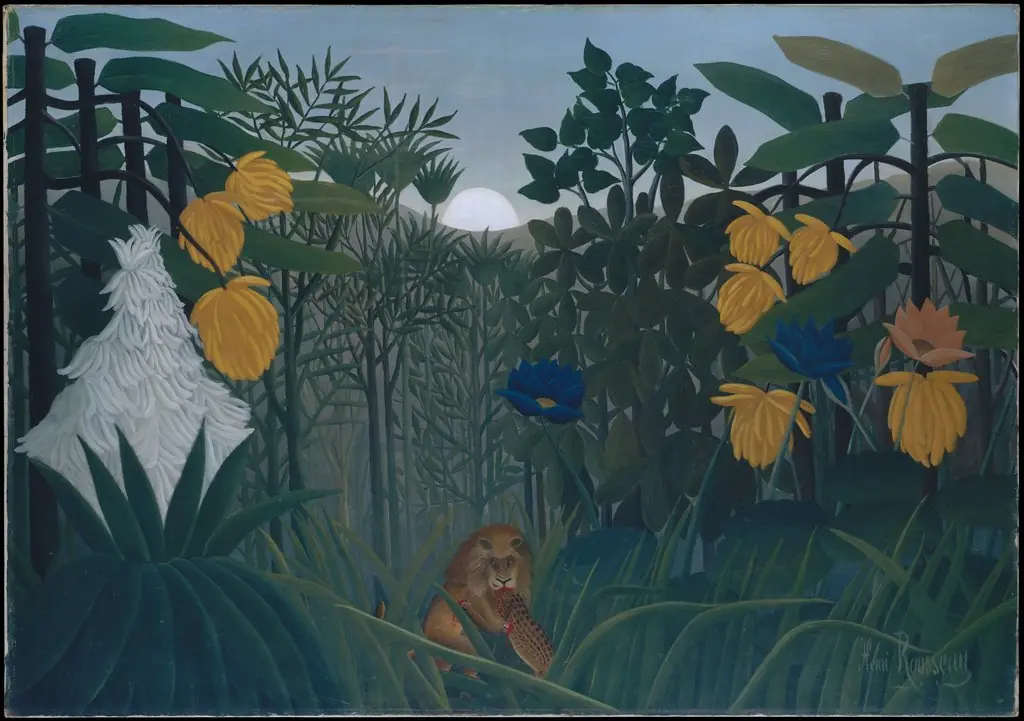
Artwork
Sawmill, Outskirts of Paris
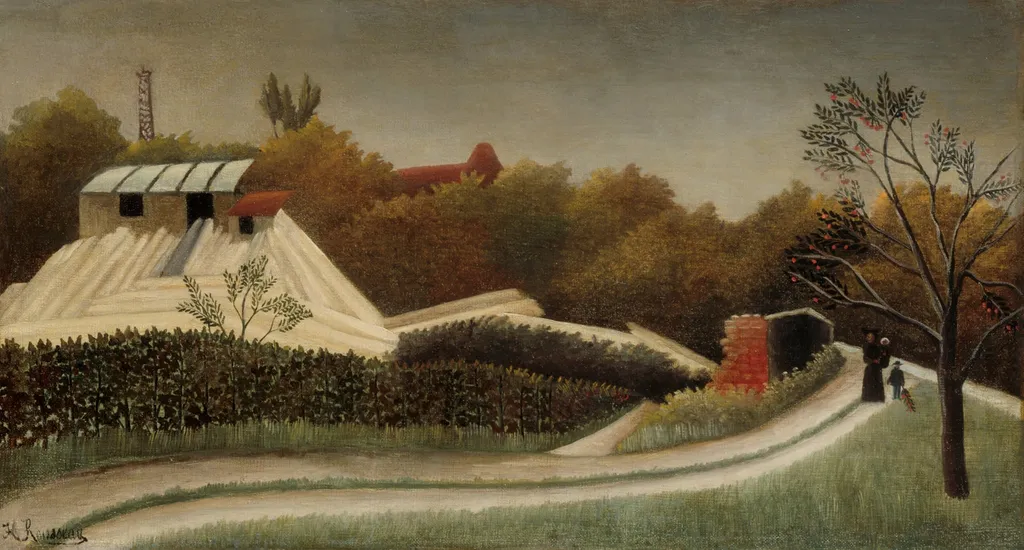
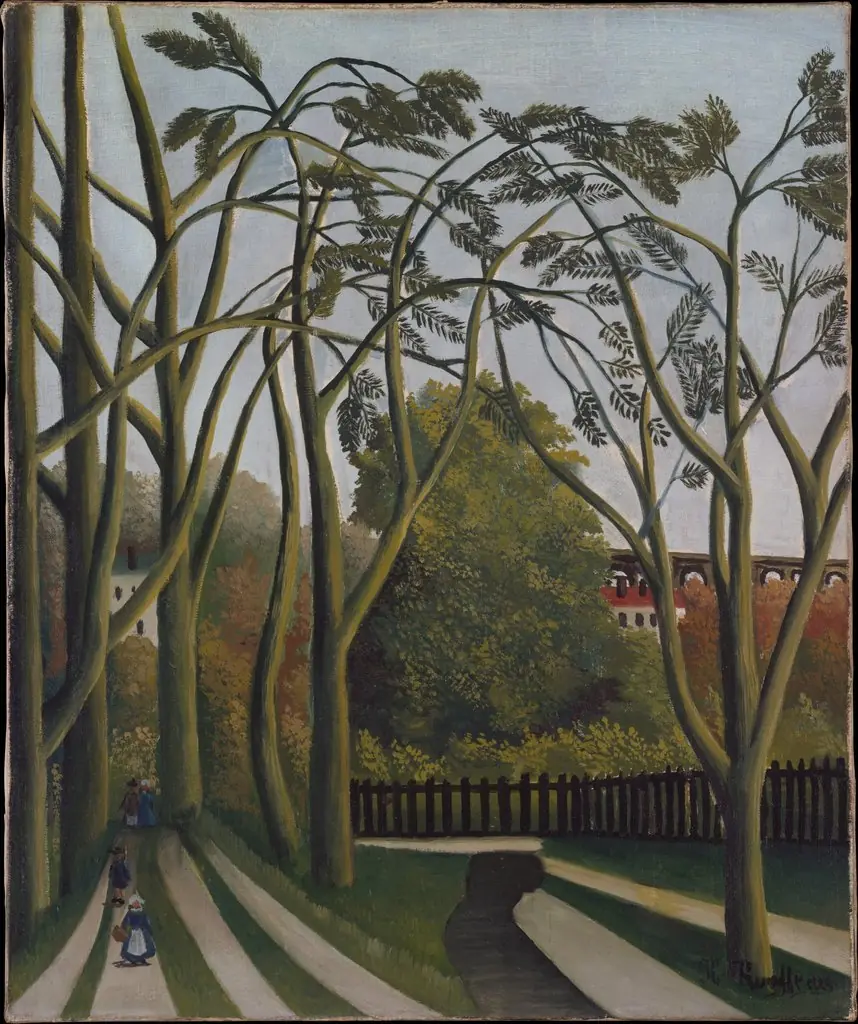
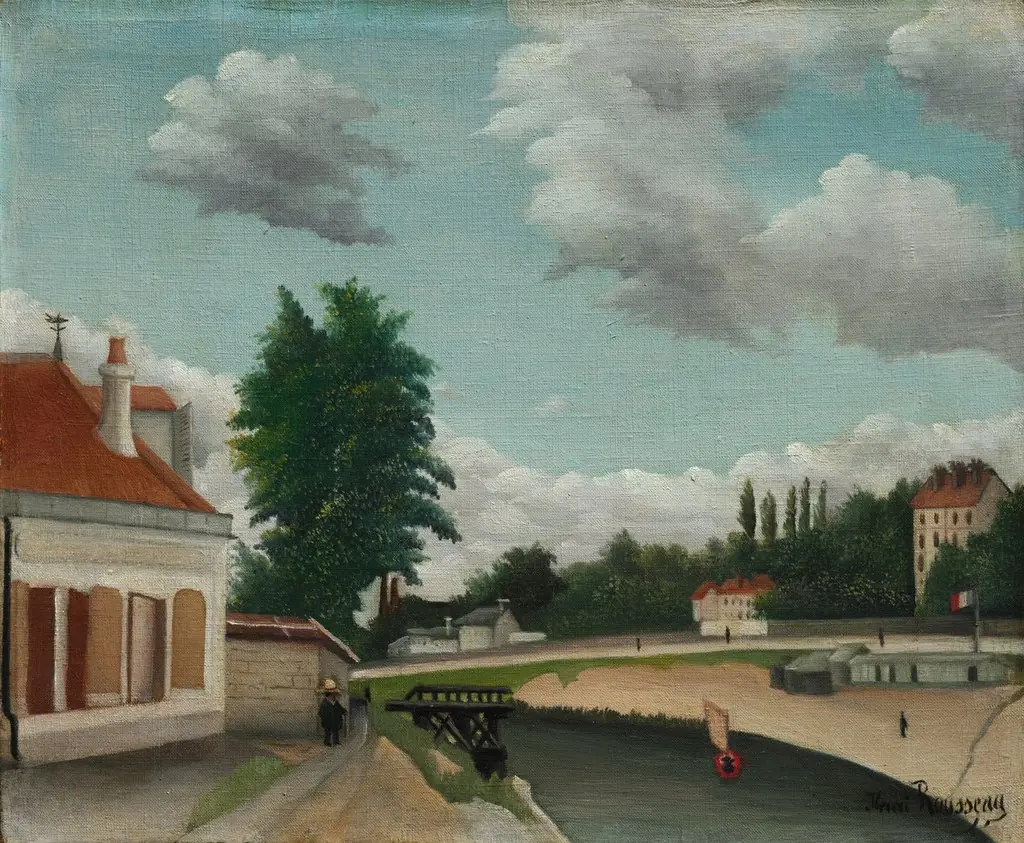
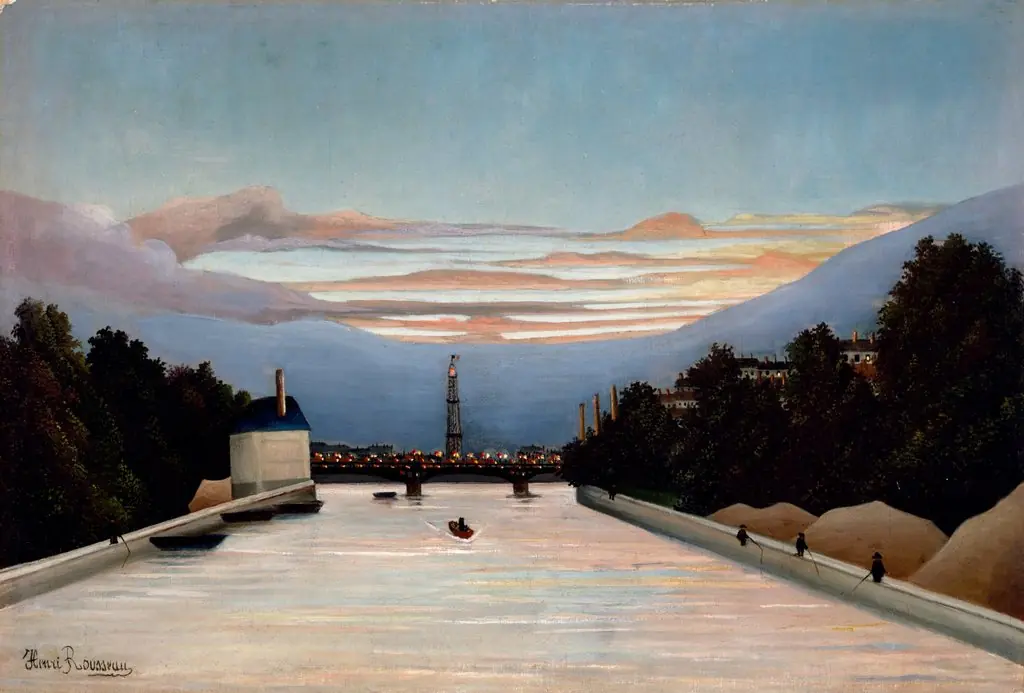
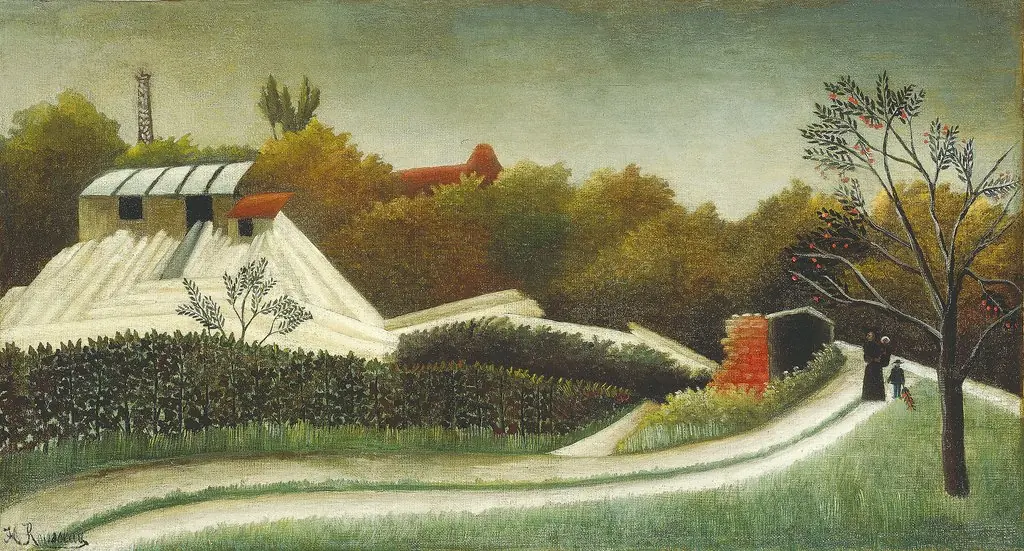
Sawmill, Outskirts of Paris is an oil painting by the Impressionist artist Henri Rousseau. It dates from 1894 and is held in the collection of the Art Institute of Chicago. Created circa 1894, this oil on canvas presents a modest industrial scene on the fringe of Paris.
About this work
Overview
Created circa 1894, this oil on canvas presents a modest industrial scene on the fringe of Paris. The composition centers on a wooden sawmill surrounded by a muted landscape, rendered in the distinctive straightforward manner that characterizes the artist’s body of work. Though the subject is ordinary, the painting embodies the artist’s early commitment to a personal, self‑taught visual language.
Subject & Meaning
The work portrays a functional sawmill set against the outskirts of the French capital, offering a glimpse into the everyday labor of the period. By isolating the structure within a quiet environment, the artist invites contemplation of the relationship between industry and the surrounding countryside, suggesting a subtle tension between progress and pastoral calm.
Technique & Style
Executed with bold, unmodulated hues and simplified shapes, the canvas employs a flatness that emphasizes surface over illusionistic depth. Areas of thick paint create a tactile quality reminiscent of impasto, while occasional glazing layers lend a soft luminosity to the sky and water. This combination reflects the naïve aesthetic the painter cultivated without formal academic training.
History & Provenance
The artist, a former customs officer nicknamed “Le Douanier,” began painting in his early forties and left his civil service position at fifty to devote himself fully to art. During his lifetime the piece, like many of his works, met with critical skepticism, yet posthumous reassessment has positioned it as a noteworthy example of late 19th‑century French naïve painting.
Artist & collection
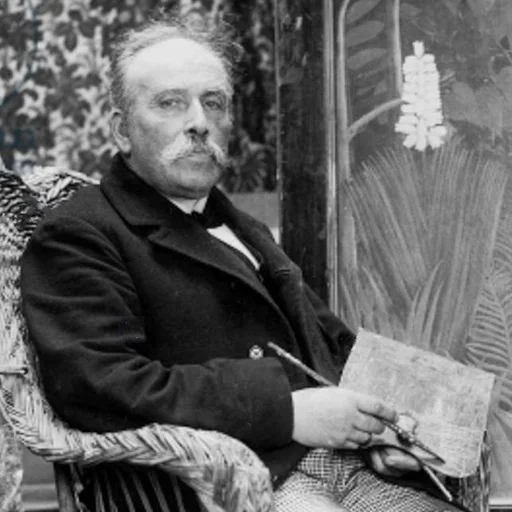
Artist
Henri Julien Félix Rousseau was born on 21 May 1844 in Laval, Mayenne, and died in Paris on 2 September 1910.