Artwork
Interior of the Museum of the Academy
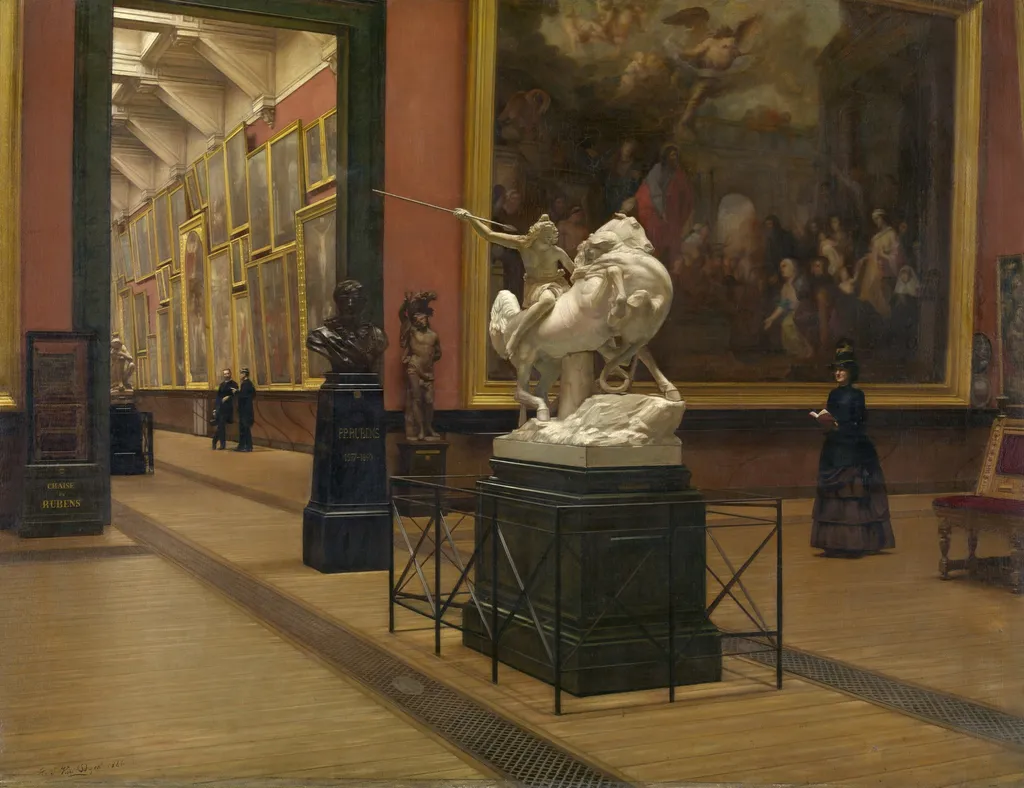
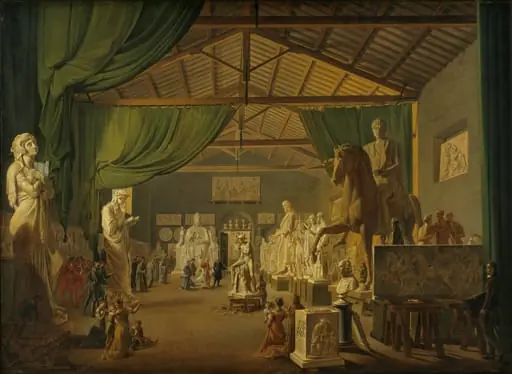
Interior of the Museum of the Academy is an oil painting by the Impressionist artist Henri Van Dyck. It dates from 1894 and is held in the collection of the Royal Museum of Fine Arts Antwerp.
About this work
Overview
Subtle human figures move through the space, reinforcing the museum as a place of quiet contemplation rather than spectacle.
Painted in 1894 by Henri Van Dyck, this oil on canvas depicts the interior of the Royal Museum of Fine Arts in Antwerp. The composition captures a long, vaulted gallery lined with framed artworks, centered by a equestrian statue. Subtle human figures move through the space, reinforcing the museum as a place of quiet contemplation rather than spectacle. The work serves as both a record of the institution’s layout and a meditation on cultural display.
Subject & Meaning
The painting presents a museum as a sacred space for art and memory. The central equestrian statue, likely a classical or historical figure, anchors the scene as a symbol of enduring legacy. Rows of gilded frames and marble pedestals suggest institutional reverence for artistic heritage. The sparse presence of visitors implies a solemn, almost ritualistic engagement with the collection, emphasizing continuity over crowd appeal.
Technique & Style
Van Dyck employs precise brushwork to render architectural details—wooden floorboards, high ceilings, and ornate moldings—with quiet realism. The white statue contrasts with the warm tones of the frames and walls, creating visual rhythm. Light enters from unseen windows, casting soft shadows that deepen the sense of spatial depth. The palette is restrained, favoring muted golds, grays, and browns to enhance the atmosphere of dignified stillness.
History & Provenance
The painting was completed in 1894 and has remained in the collection of the Royal Museum of Fine Arts Antwerp since its creation. It was likely commissioned or acquired as part of the museum’s effort to document its own spaces during a period of institutional growth. No significant changes in ownership are recorded, and it has been publicly displayed intermittently throughout the 20th century.
Context
In the late 19th century, European museums increasingly became subjects of artistic interest, reflecting broader cultural shifts toward public access and institutional identity. Van Dyck’s work aligns with contemporaries who depicted galleries as serene, ordered environments—contrasting with the bustling scenes of urban life. His focus on architecture and quiet movement reflects a growing interest in the museum as a modern civic sanctuary.
Legacy
Though not widely reproduced, the painting remains a valuable document of Antwerp’s cultural infrastructure at the turn of the century. It offers insight into how art institutions presented themselves to the public and how artists engaged with their own surroundings. Van Dyck’s restrained approach influenced later Belgian painters who turned their attention to interior spaces as carriers of historical weight.
Artist & collection

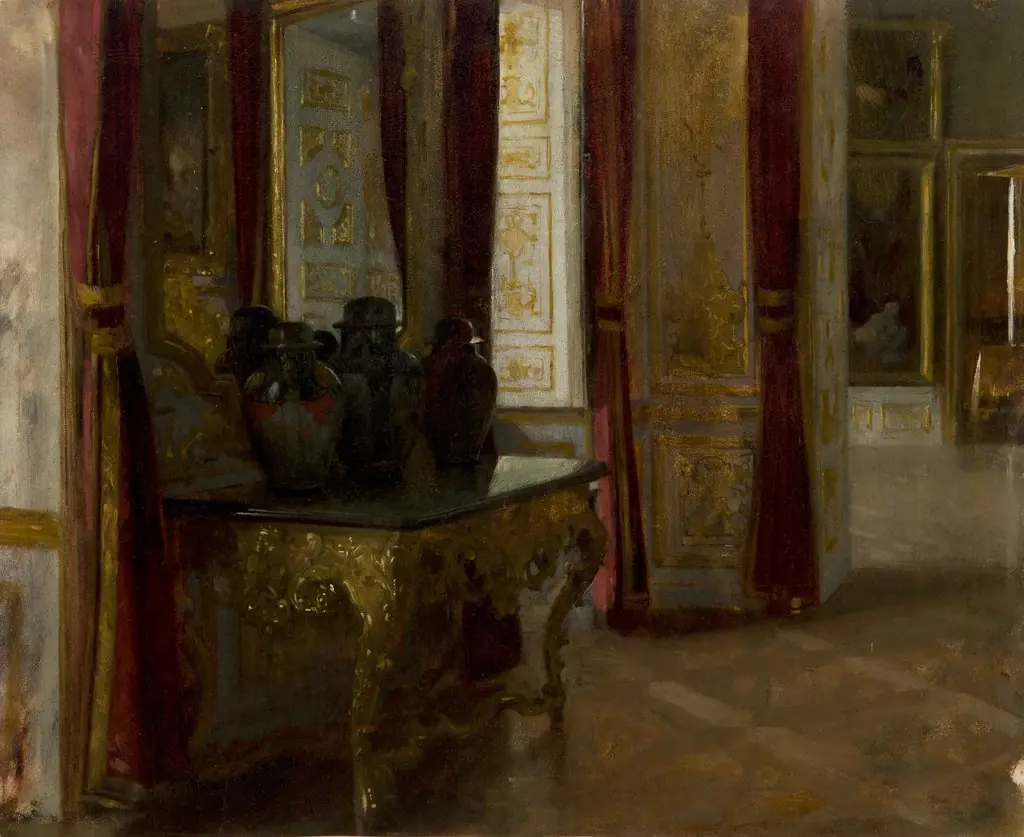 Interior
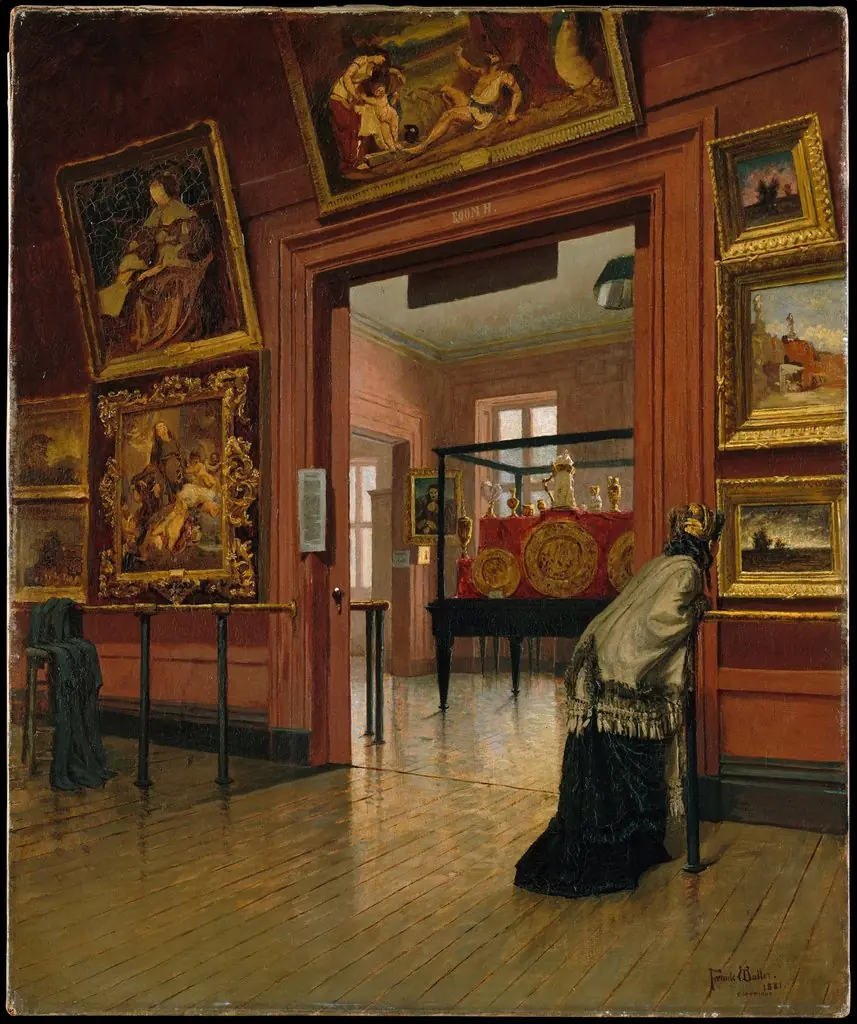 Interior View of the Metropolitan Museum of Art when in Fourteenth Street
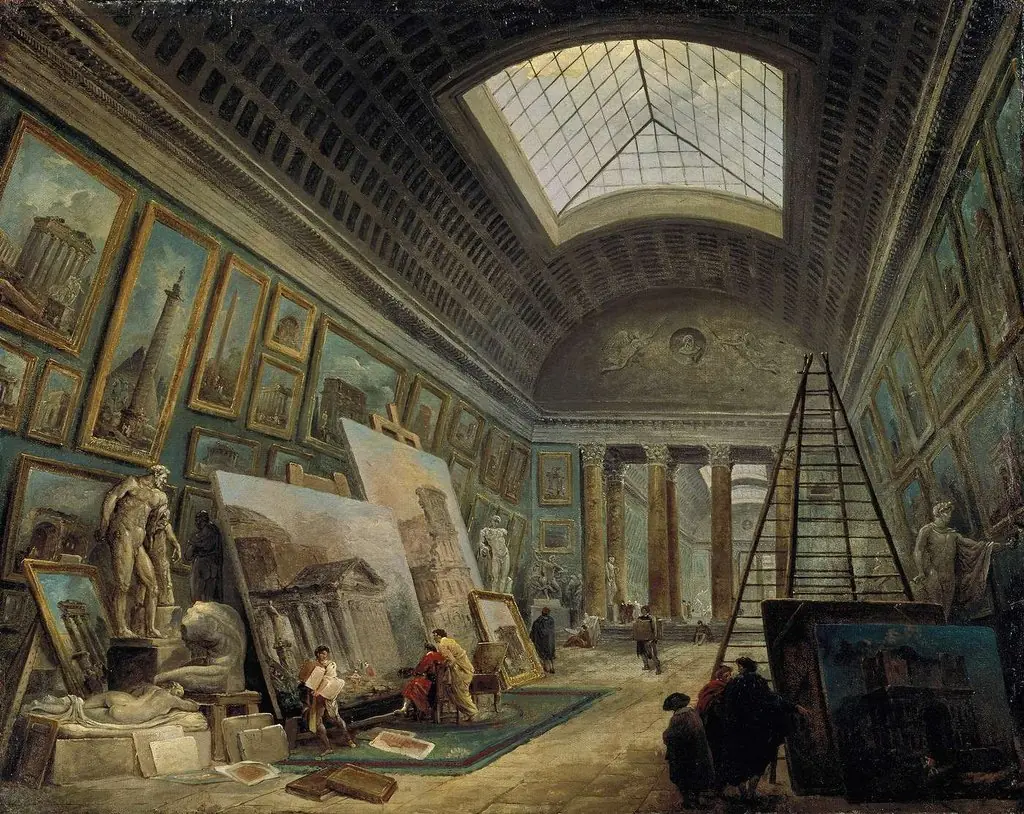 Imaginary View of the Grande Galerie in the Louvre
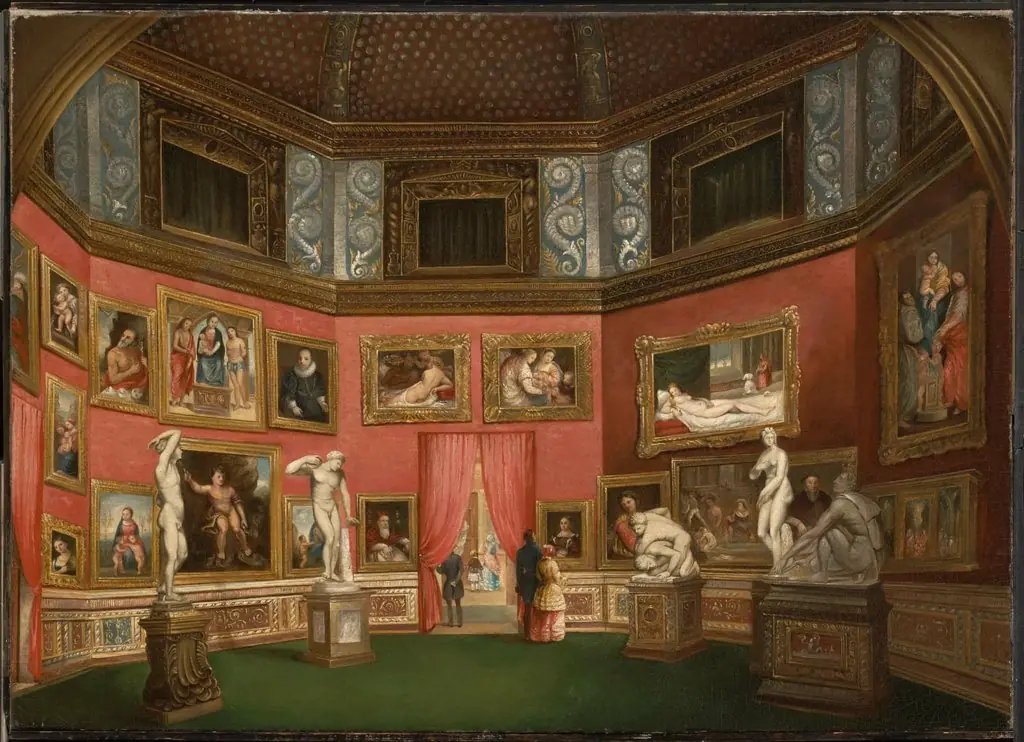 The Tribuna of the Uffizi
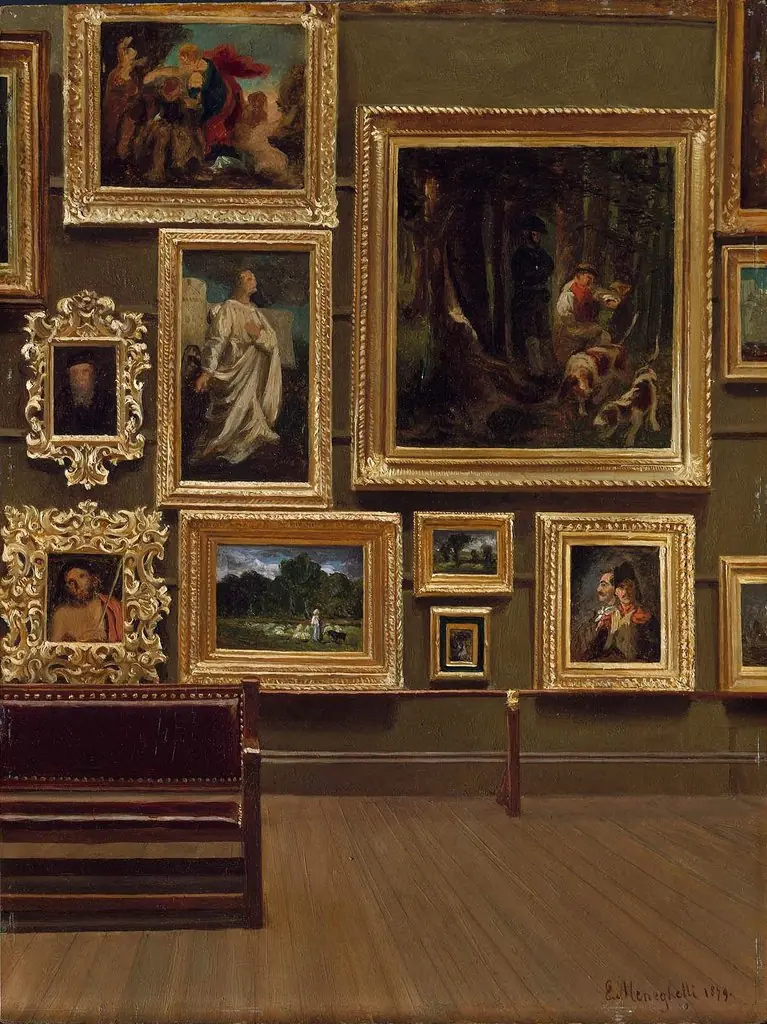 The Picture Gallery in the Old Museum
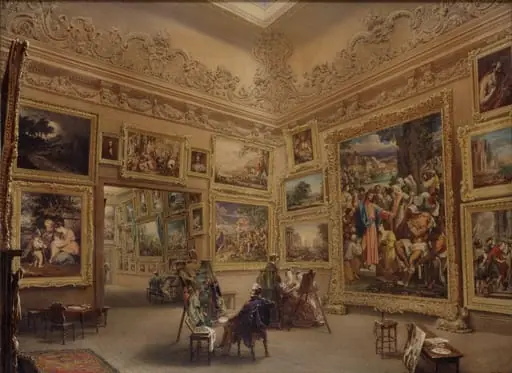 The National Gallery when at Mr J. J. Angerstein's House, Pall Mall
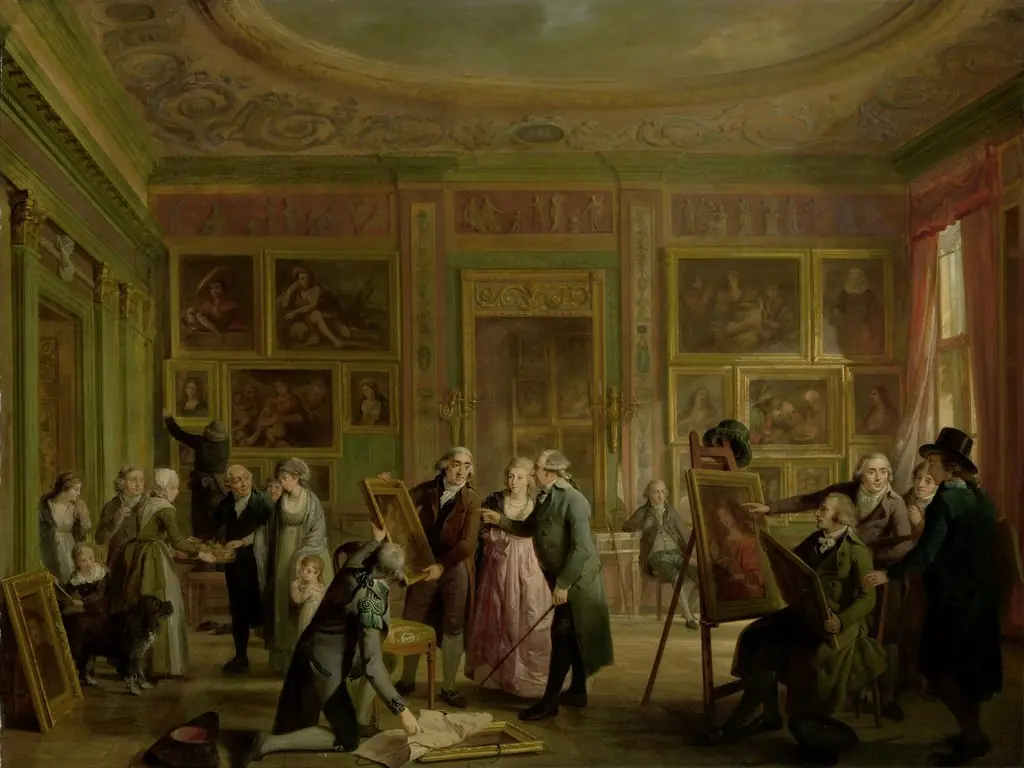 The Art Gallery of Josephus Augustinus Brentano
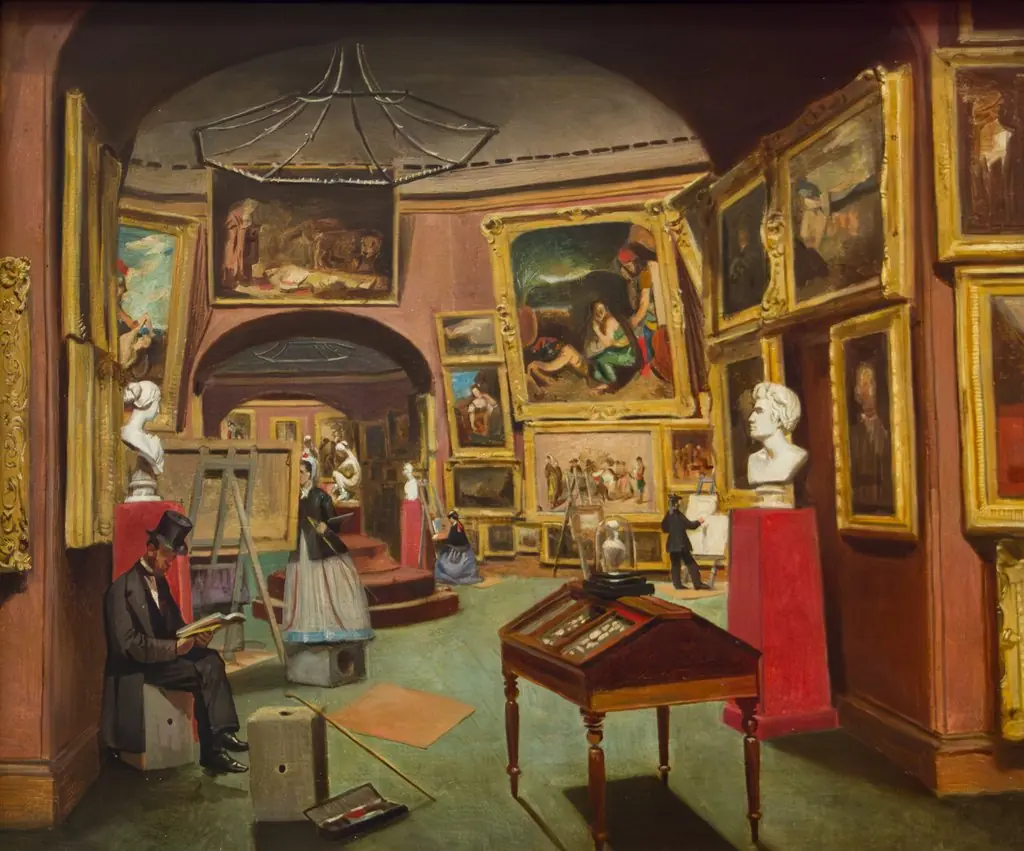 The Interior of the National Gallery of Scotland, c 1867 - 1877
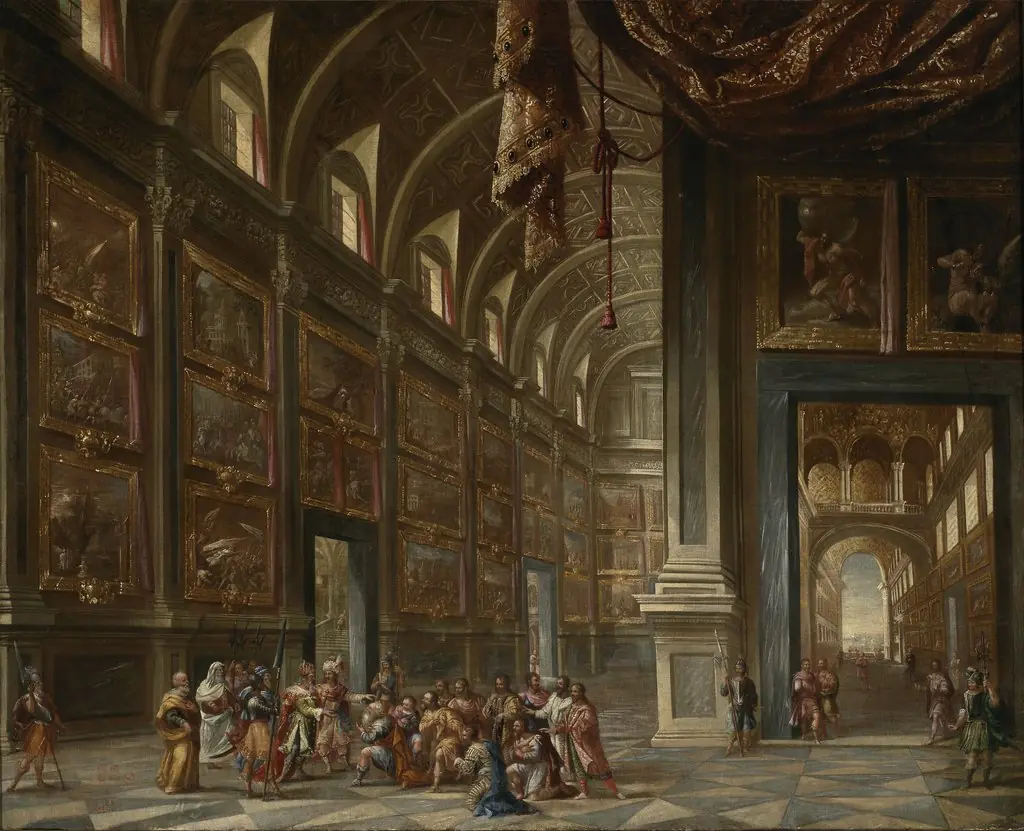 José mostrando a su padre y sus hermanos al Faraón
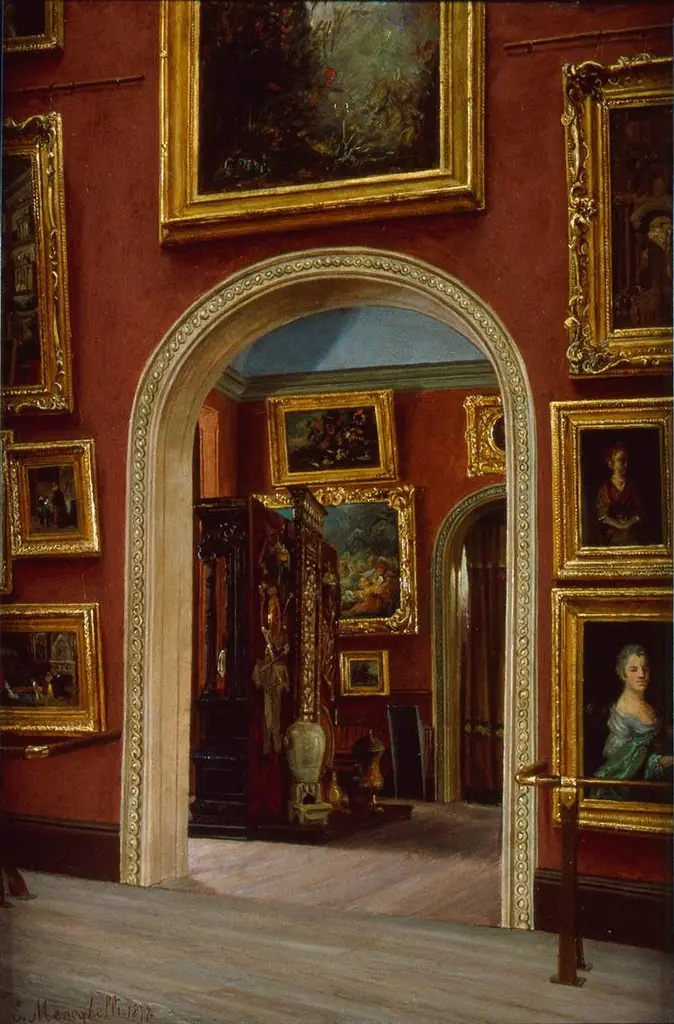 View of a Gallery in the Museum of Fine Arts, Copley Square
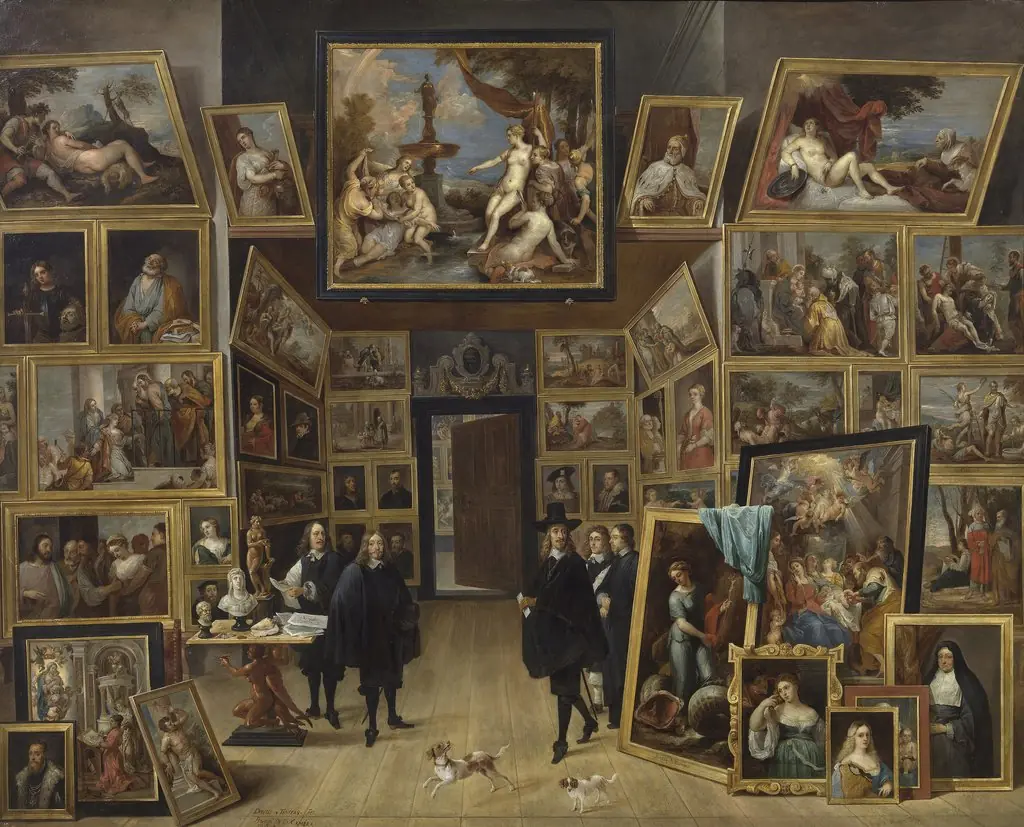 Archduke Leopold Wilhelm in his Gallery
 Pope Leo XII Visiting Thorvaldsen's Studios in the Piazza Barberini, 18 October 1826