Artwork
José mostrando a su padre y sus hermanos al Faraón
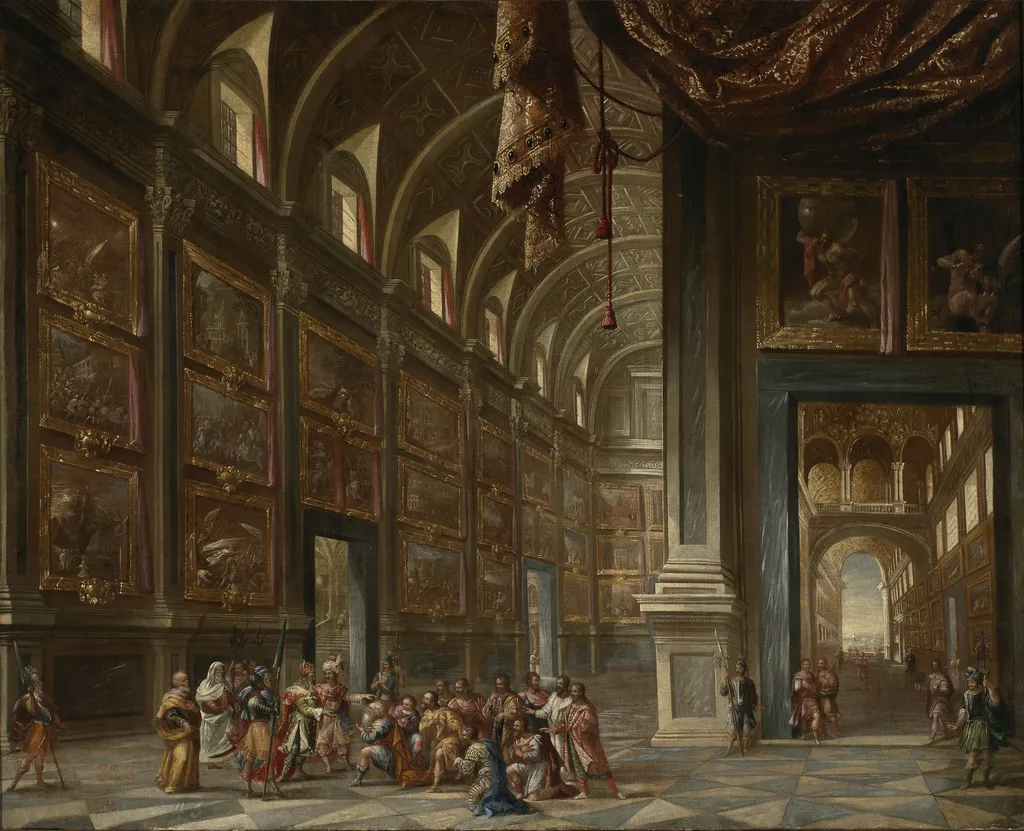
José mostrando a su padre y sus hermanos al Faraón is an oil painting by the Early Baroque Italian artist Francisco Gutiérrez Cabello. It dates from 1601 and is held in the collection of the Museo del Prado.
About this work
Overview
Francisco Gutiérrez Cabello’s oil on canvas, dated 1601, is part of the Prado Museum’s collection.
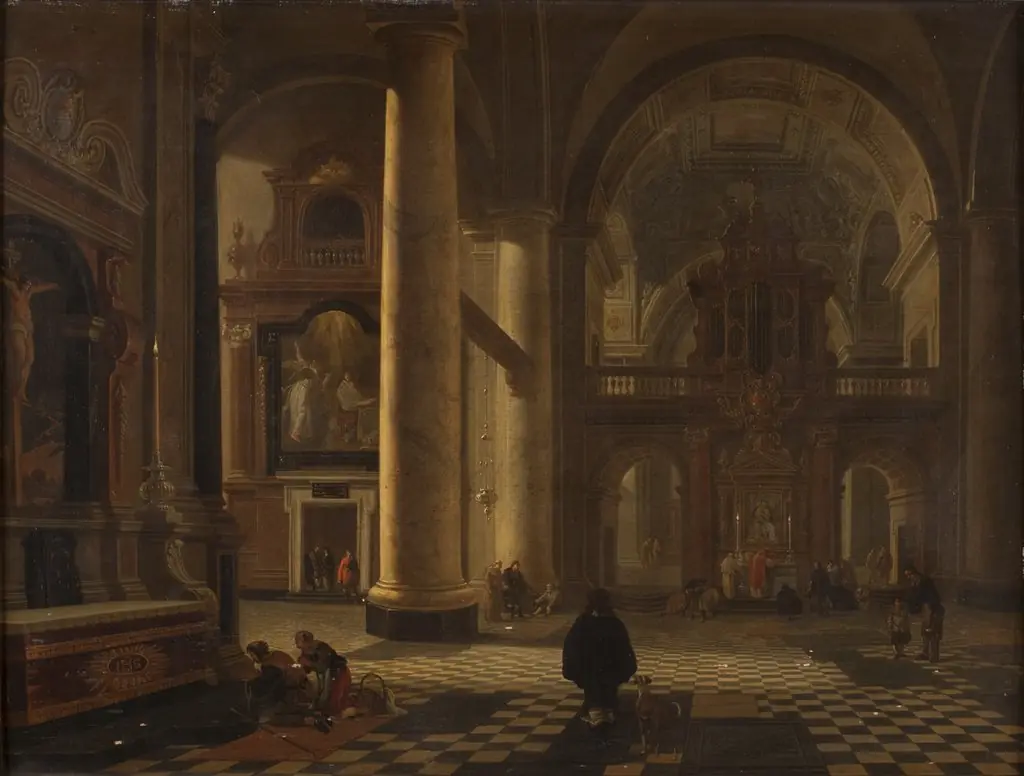
Francisco Gutiérrez Cabello’s oil on canvas, dated 1601, is part of the Prado Museum’s collection. The work portrays a lavish interior scene in which a group of figures, dressed in richly colored garments, surrounds a central male figure who appears wounded or subdued. Architectural elements such as arched ceilings, towering columns, and intricate wall carvings frame the composition, while a chandelier and gilded details emphasize the setting’s opulence.
Subject & Meaning
The narrative likely references the biblical episode in which Joseph presents his father Jacob and his brothers before the Pharaoh, a moment of familial reconciliation and political intrigue. The injured figure on the floor may symbolize the vulnerable status of the Hebrews in Egypt, while the armed guards and attentive onlookers suggest the tension between authority and the vulnerable petitioners.
Technique & Style
Cabello employs a pronounced chiaroscuro, using strong contrasts of light and shadow to model the figures and give depth to the architectural space. The paint handling is meticulous, especially in the rendering of textiles, armor, and marble flooring, which display a refined attention to texture and materiality characteristic of early 17th‑century Spanish painting.
History & Provenance
Created in the early 1600s, the canvas entered the Museo del Prado’s holdings as part of its early modern Spanish painting collection. Documentation traces its acquisition to the museum’s efforts to consolidate works by lesser‑known court painters, preserving a broader view of Spain’s artistic production during the Habsburg era.
Context
The painting reflects the Counter‑Reformation’s interest in biblical themes that underscore loyalty, providence, and divine order. Its sumptuous setting aligns with contemporary courtly aesthetics, where religious narratives were often staged within regal environments to reinforce the authority of both church and monarchy.
Legacy
While not as widely reproduced as works by Cabello’s more famous contemporaries, this canvas offers scholars insight into the visual strategies used to convey biblical stories within a courtly framework. Its preservation in the Prado ensures continued study of early Spanish narrative painting and its interplay of drama, ornamentation, and theological messaging.
Own this work as a print
Artist & collection
Artist
Francisco Gutiérrez Cabello (1616–1670) was an artist, born in Madrid.

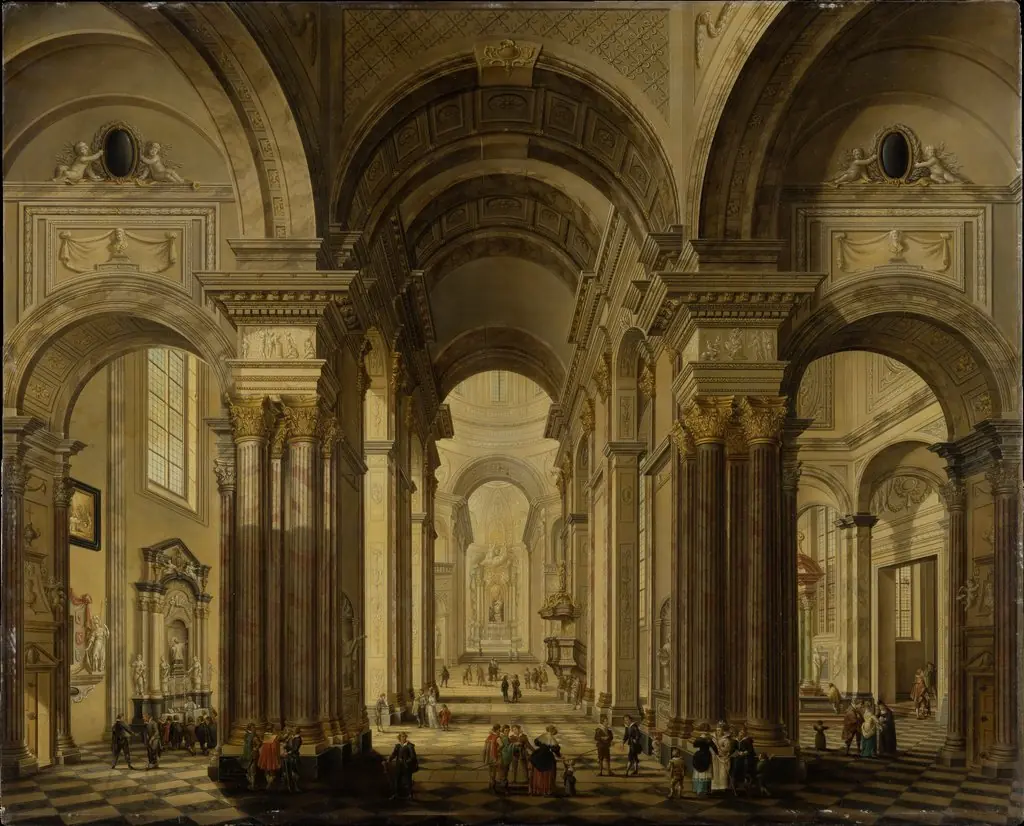 Interior of a Baroque Church
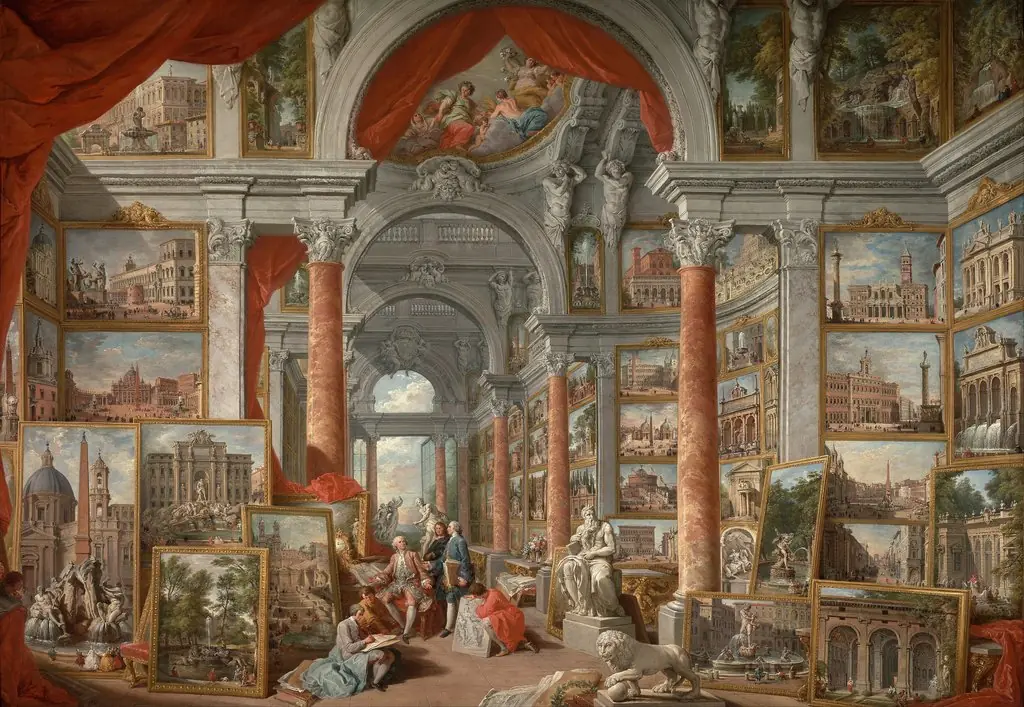 Picture Gallery with Views of Modern Rome
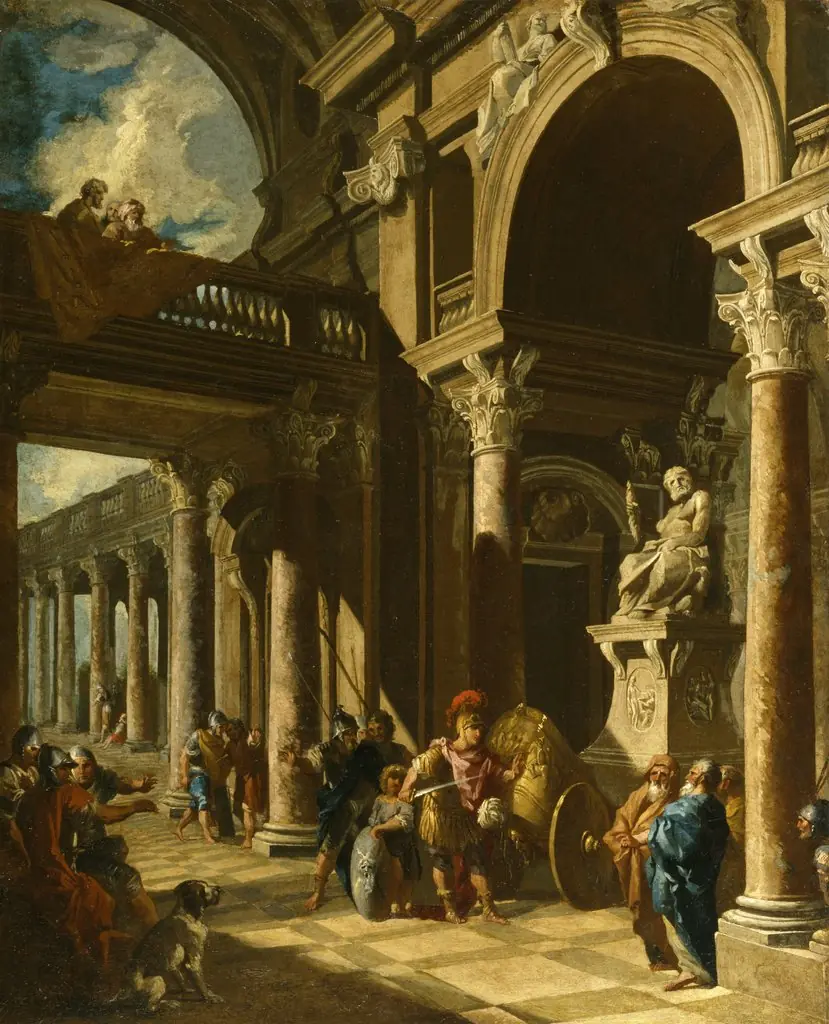 Alexander the Great Cutting the Gordian Knot
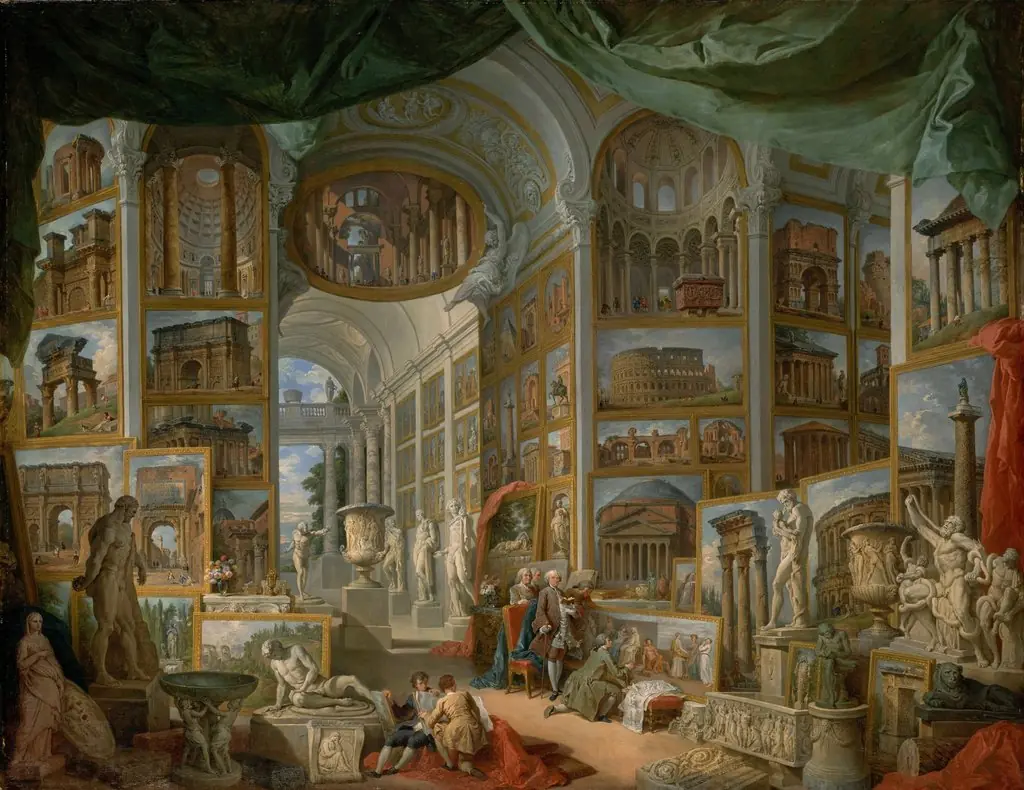 Ancient Rome
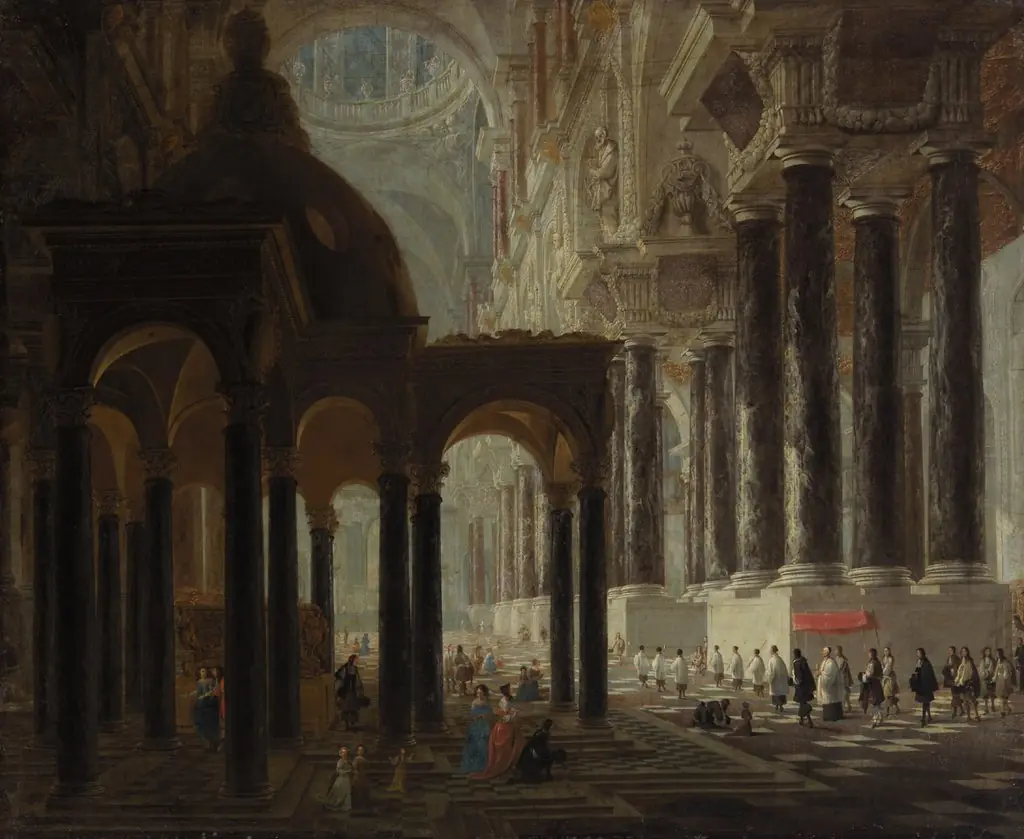 Church Interior
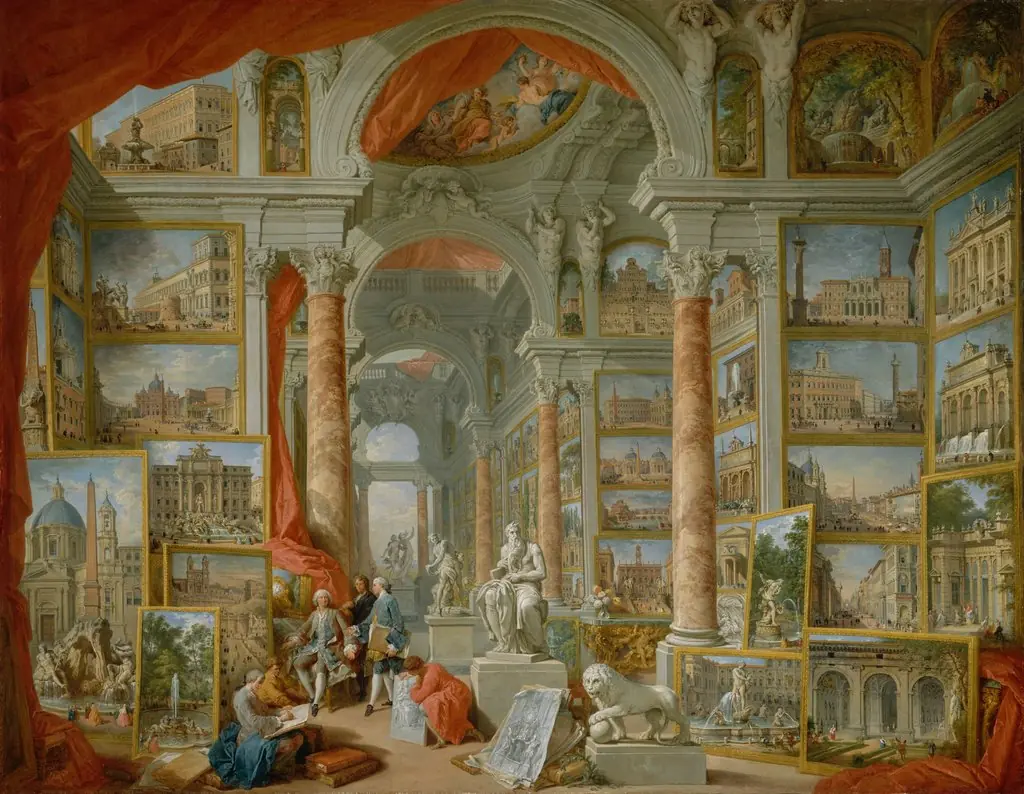 Modern Rome
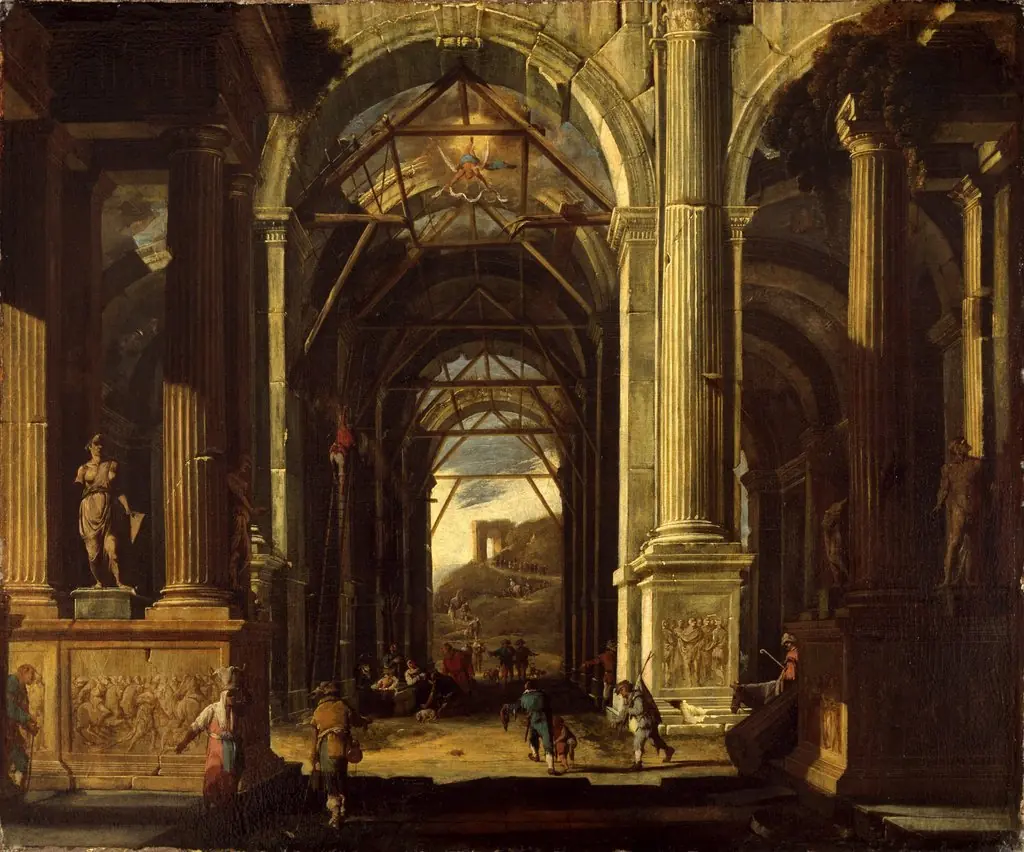 The Adoration of the Shepherds
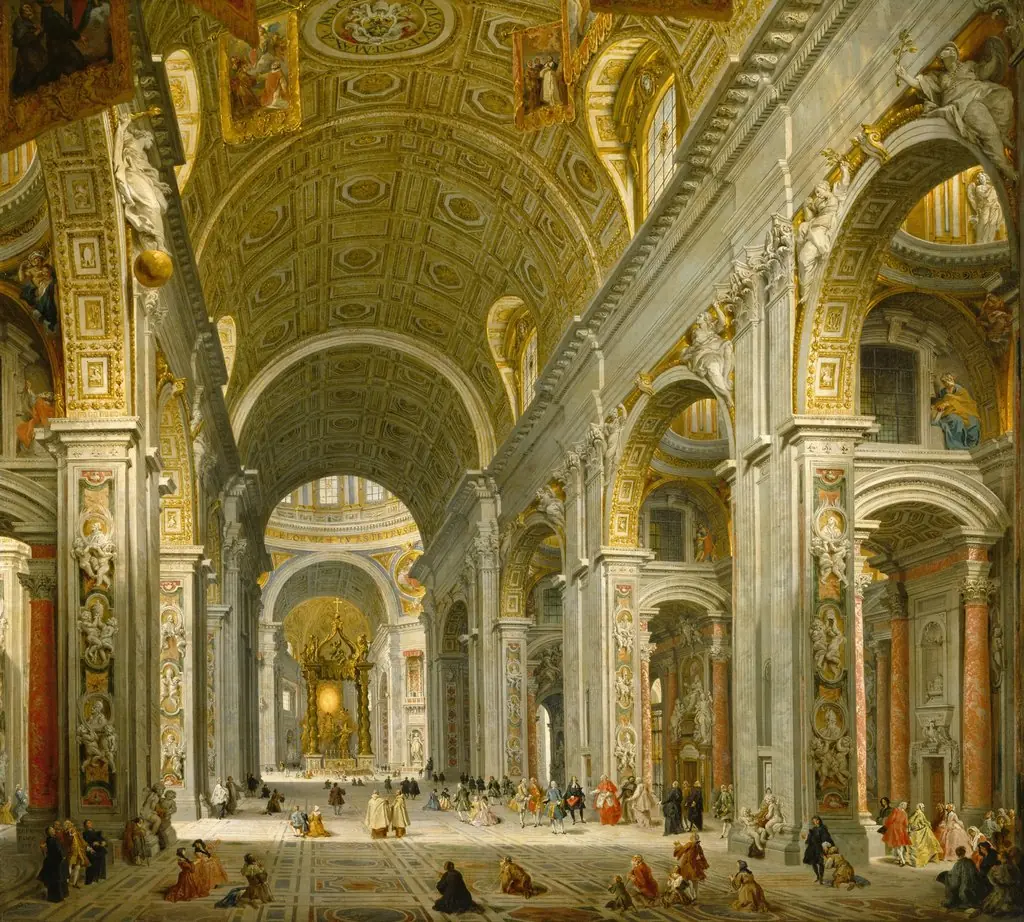 Interior of St. Peter's, Rome
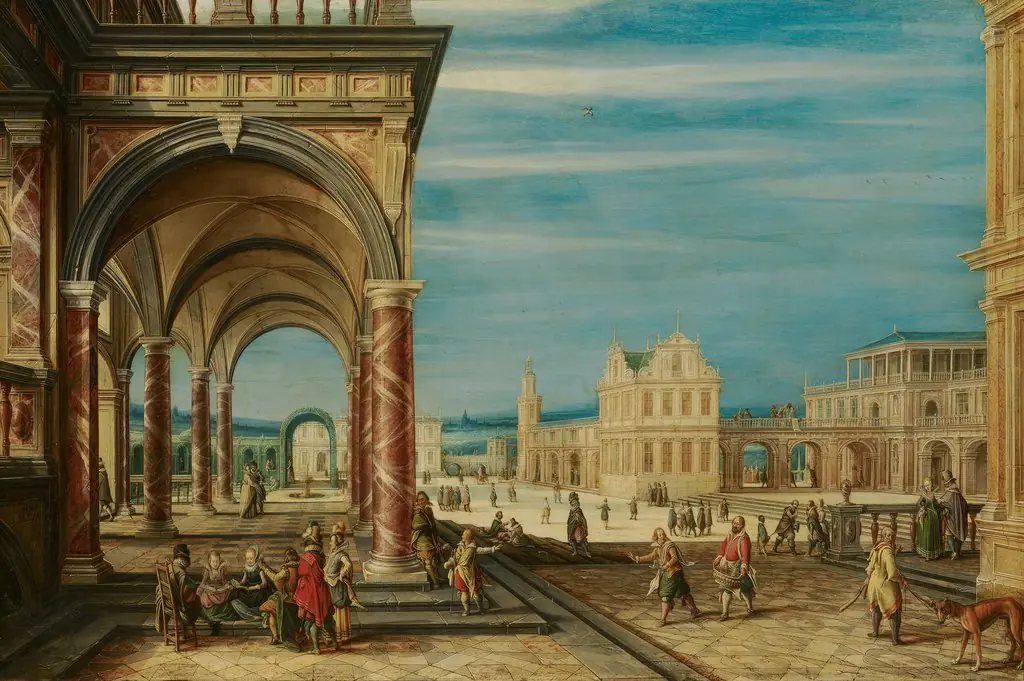 A Square with Imaginary Buildings
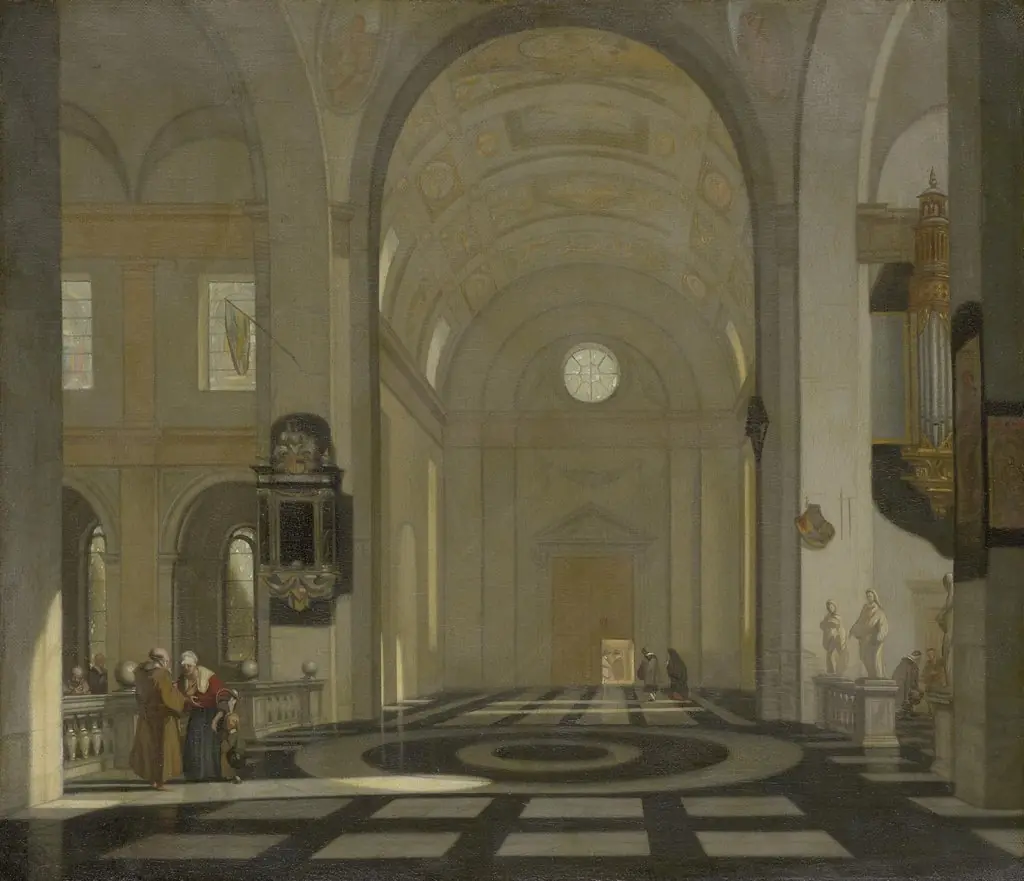 Interior of a Baroque Church
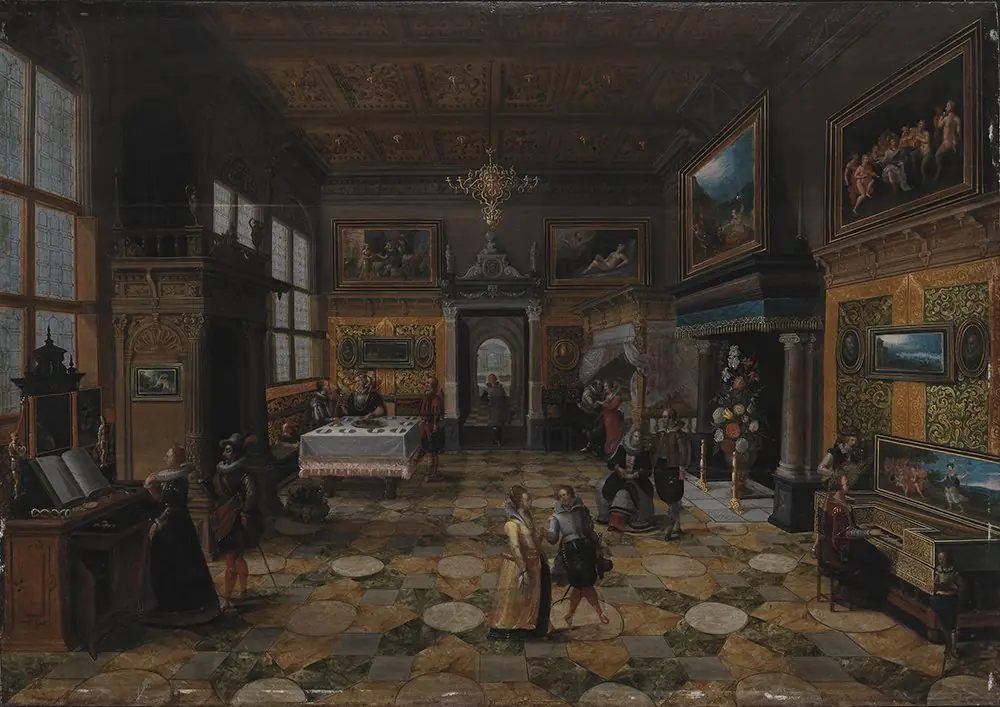 Party Scene
 Interior of a Catholic Church