Artwork
Pierre Bacot
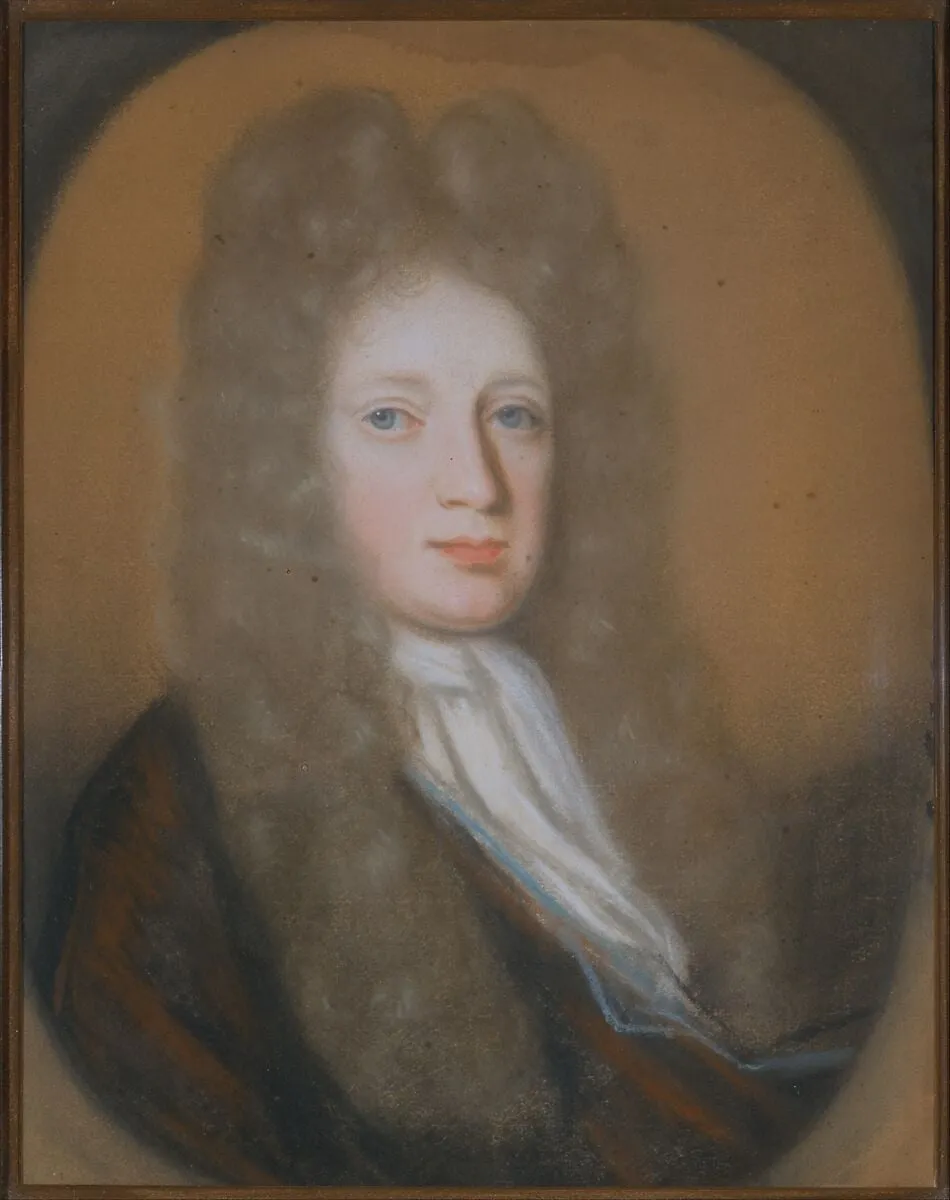
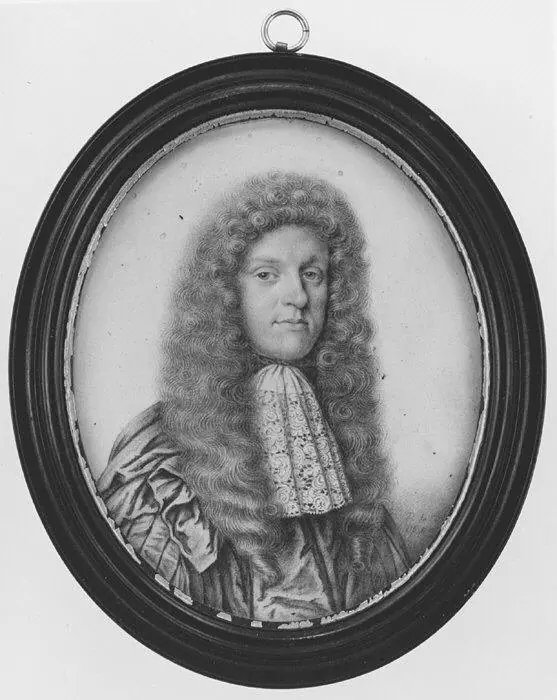
Pierre Bacot is a pastel drawing by the Baroque artist Henrietta Johnston. It dates from 1709 and is held in the collection of the Metropolitan Museum of Art.
About this work
Overview
Henrietta Johnston’s portrait of Pierre Bacet, executed around 1709, is a small work on off‑white laid paper combining pastel and red chalk. The figure is rendered against an unadorned background, his dark coat and cravat standing out against the soft illumination of his face. The portrait belongs to the American Wing collection and exemplifies early colonial portraiture in the United States.
Subject & Meaning
The sitter, identified as Pierre Bacet, is presented in a straightforward manner, gazing directly at the viewer with slightly parted lips, suggesting a moment of quiet conversation. His attire—a dark coat and a neatly tied cravat—signals his social standing and the fashion of the period, while the lack of elaborate props focuses attention on his personal presence.
Technique & Style
Johnston employed a rapid, single‑session approach typical of her pastel work, beginning with a red‑chalk underdrawing that remains visible in places, lending the facial tones a warm, amber hue. The pastel application is smooth and restrained, allowing the subtle gradations of light to model the features without heavy modeling, a hallmark of early American pastel technique.
History & Provenance
Created in the early eighteenth century, the portrait is among the earliest known pastel likenesses produced in the American colonies. It has remained within institutional holdings, now displayed in the museum’s American Wing, and its provenance traces back to the artist’s active period in Charleston, where Johnston worked as a professional portraitist.
Context
Henrietta Johnston holds the distinction of being the first documented professional female artist in the colonial United States.
Henrietta Johnston holds the distinction of being the first documented professional female artist in the colonial United States. Her work reflects the practical demands of a growing mercantile society, where portraits were commissioned for personal remembrance rather than grandiose display. This piece illustrates the modest yet skilled artistry that characterized the nascent visual culture of early America.
Artist & collection