Artwork
Mrs. Anne Hart
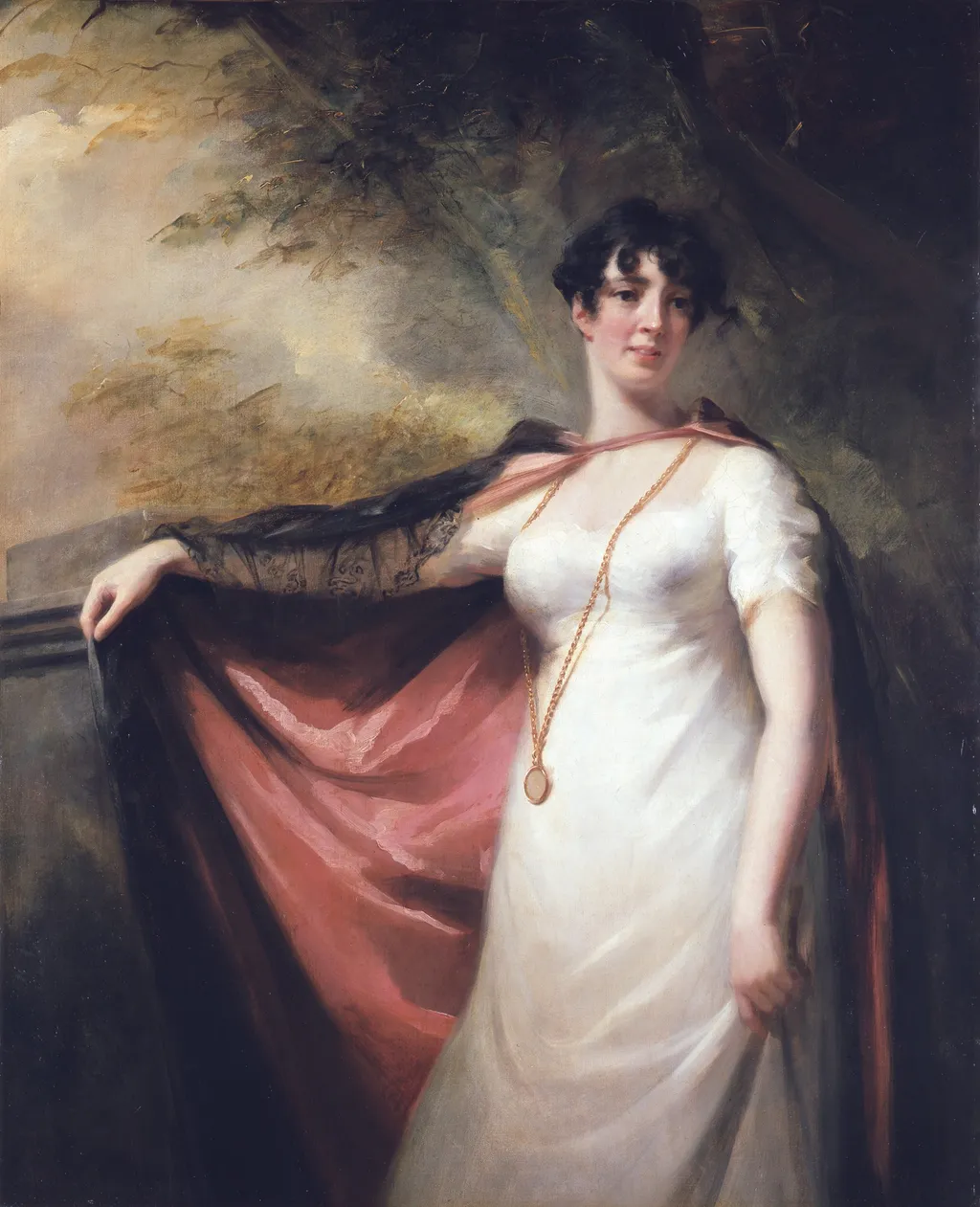
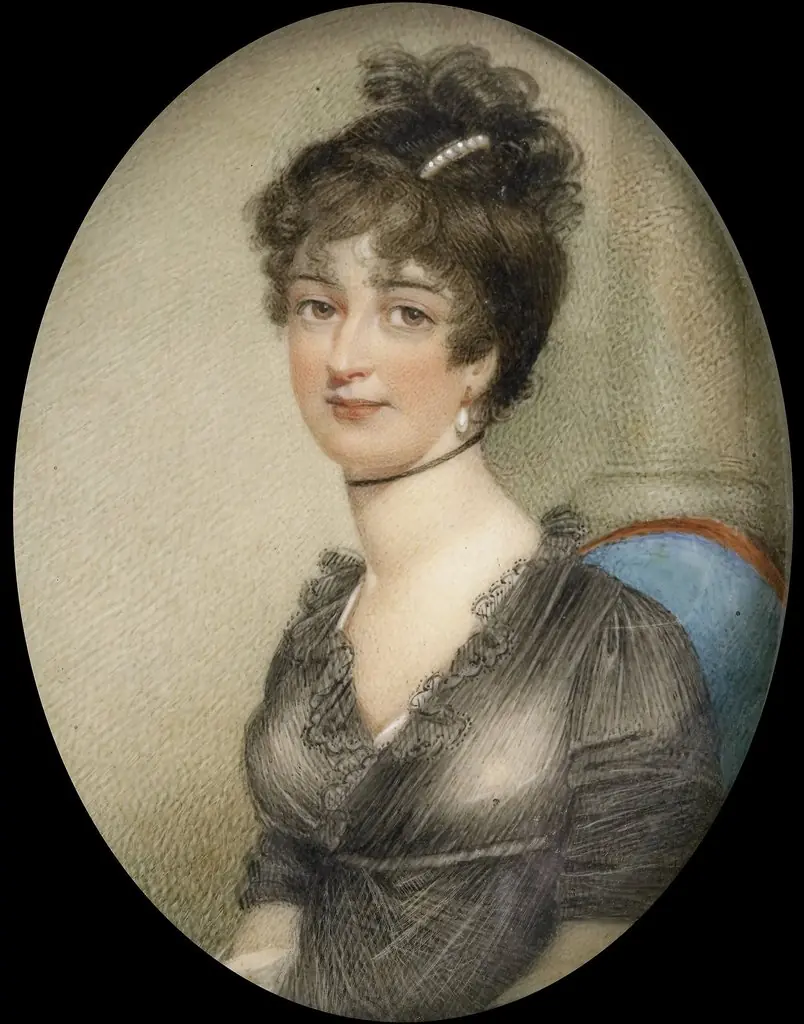
Mrs. Anne Hart is a paint painting by the British Romanticist artist Henry Macbeth-Raeburn. It dates from 1810 and is held in the collection of the Gemäldegalerie Berlin. Painted in 1810, this portrait depicts Anne Hart, a woman of likely Scottish social standing, rendered by Henry Raeburn Macbeth.
About this work
Overview
Painted in 1810, this portrait depicts Anne Hart, a woman of likely Scottish social standing, rendered by Henry Raeburn Macbeth.
Painted in 1810, this portrait depicts Anne Hart, a woman of likely Scottish social standing, rendered by Henry Raeburn Macbeth. Executed in oil on canvas, the work belongs to the Gemäldegalerie Berlin’s collection. Macbeth, a Scottish artist trained in the traditions of portraiture, combined observational precision with a restrained romantic sensibility, characteristic of early 19th-century British painting.
Subject & Meaning
Anne Hart is portrayed with quiet composure, her direct gaze establishing a subtle connection with the viewer. Her attire—a white dress and crimson cape—suggests both elegance and modesty, while the gold necklace implies personal or familial significance. The pose, with one hand resting on an unseen surface, conveys stillness rather than theatricality, reflecting a preference for intimate realism over grandeur common in portraiture of the period.
Technique & Style
Macbeth employs a muted palette dominated by earth tones, with the white gown and red cape providing focal contrast. Subtle chiaroscuro models the face and shoulders, lending volume without dramatic lighting. Brushwork is controlled yet fluid, particularly in the rendering of fabric and hair. The background, softly shadowed and indistinct, isolates the figure and enhances the sense of psychological presence.
History & Provenance
The painting entered the Gemäldegalerie Berlin’s holdings in the 19th century, likely through acquisition or donation. Its provenance before that remains undocumented. Henry Raeburn Macbeth, though less known than his contemporaries, maintained a steady practice in portraiture, and this work is among the few surviving examples attributed to him with certainty.
Context
Created during the height of British Romanticism, the portrait diverges from the theatricality of some contemporaries by favoring quiet dignity. Macbeth’s approach aligns with Scottish portraiture’s emphasis on character over ornament, influenced by earlier masters like Sir Joshua Reynolds and Henry Raeburn. The work reflects a broader trend toward psychological depth in middle- and upper-class portraiture of the era.
Legacy
Though not widely exhibited outside institutional collections, the portrait remains a representative example of early 19th-century Scottish portraiture. Macbeth’s family background in the arts underscores the prevalence of artistic dynasties in Britain at the time. The painting contributes to the understanding of how private identity was visually constructed outside the conventions of aristocratic grandeur.
Own this work as a print
Artist & collection
Artist
Henry Macbeth-Raeburn (born Henry Raeburn Macbeth; 24 September 1860 – 3 December 1947) was a Scottish painter and printmaker.

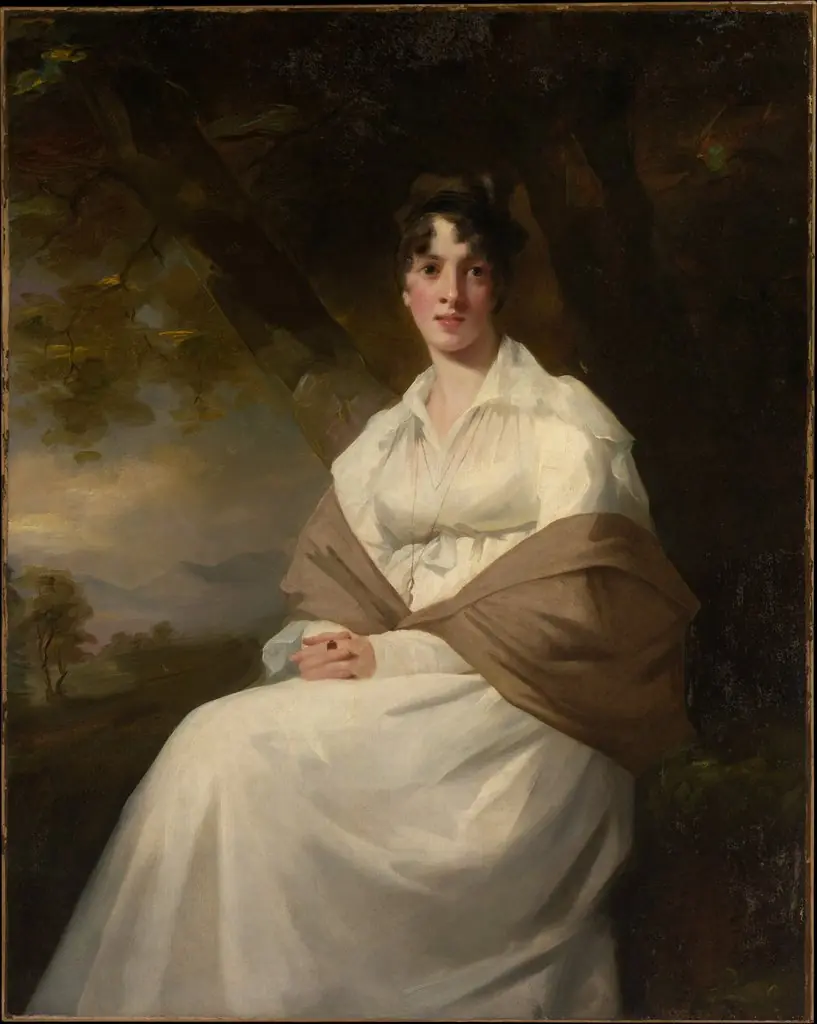 Lady Maitland (Catherine Connor, died 1865)
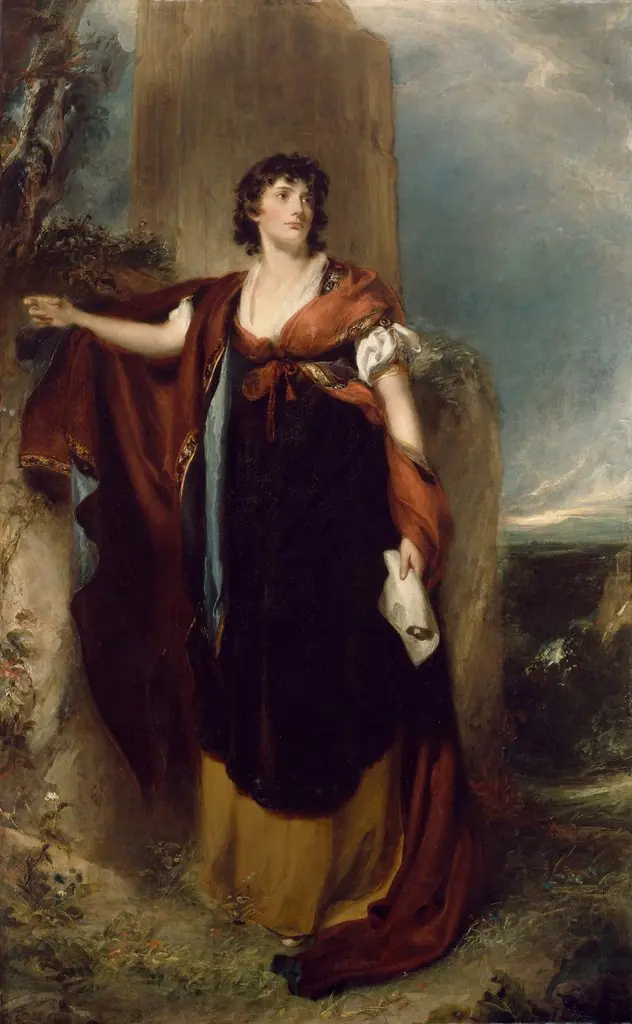 Portrait of Lady Elizabeth Foster, later Duchess of Devonshire (1759-1824)
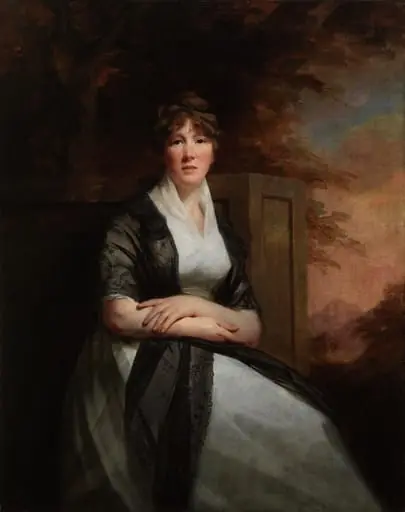 Lady Anne Torphichen
 Mrs. Dottin
 Anna Maria Dashwood, later Marchioness of Ely
 Portret hr. Petroneli z Jabłonowskich Wodzickiej, żony Józefa (1777-1859)
 Portrait of Mary Anne Bloxam (later Mrs. Frederick H. Hemming)
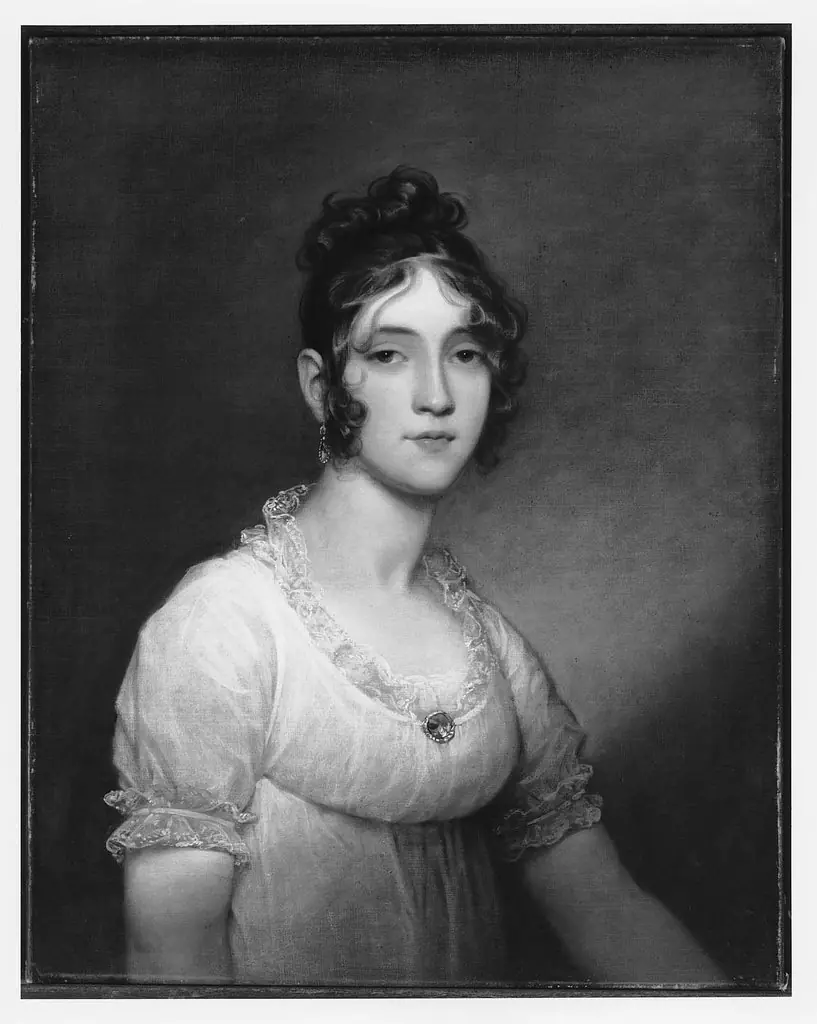 Mrs. Stephen Minot (Sally Minot)
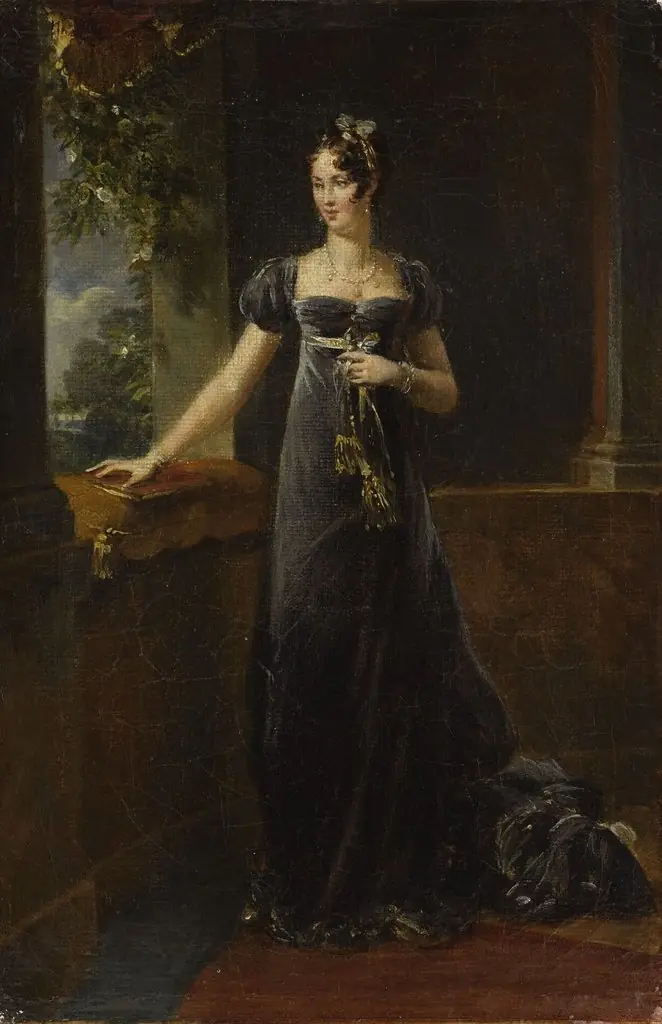 Auguste Amalia von Bayern, Vizekönigin von Italien
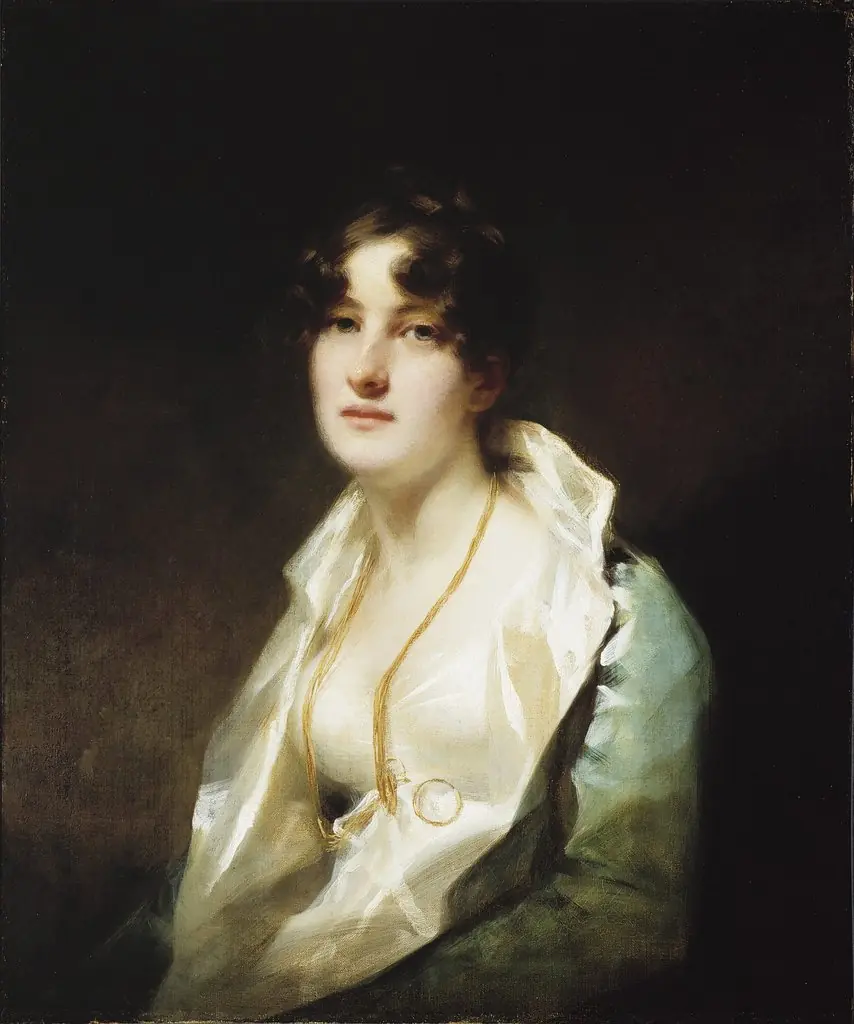 Mrs. Alexander Campbell of Possil
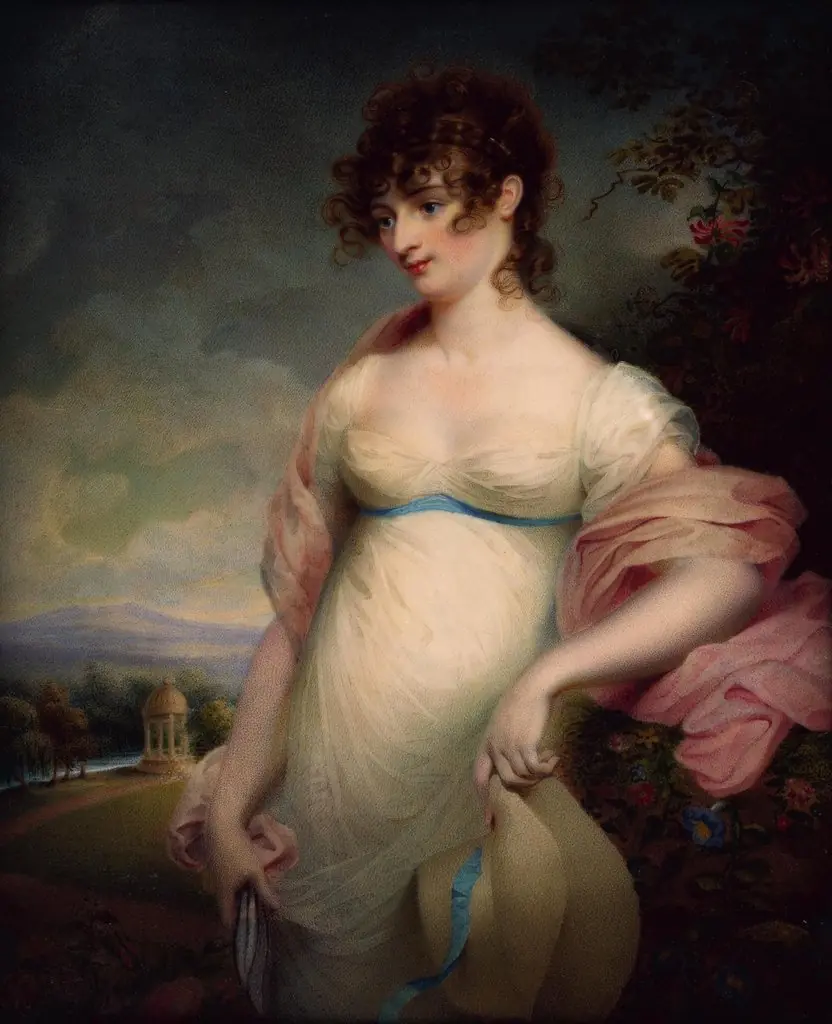 A Young Lady
 Portret van een vrouw