Artwork
Jean Adam, Mrs Kennedy of Dunure
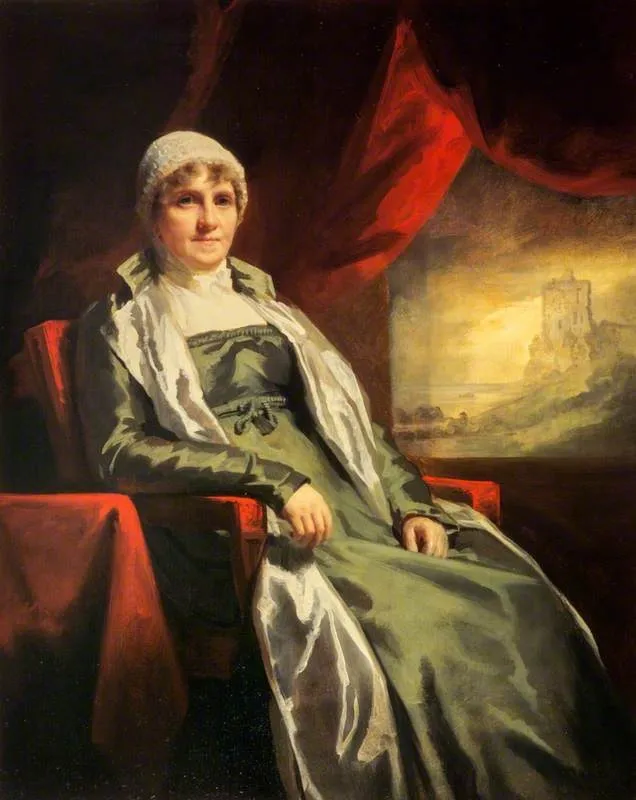
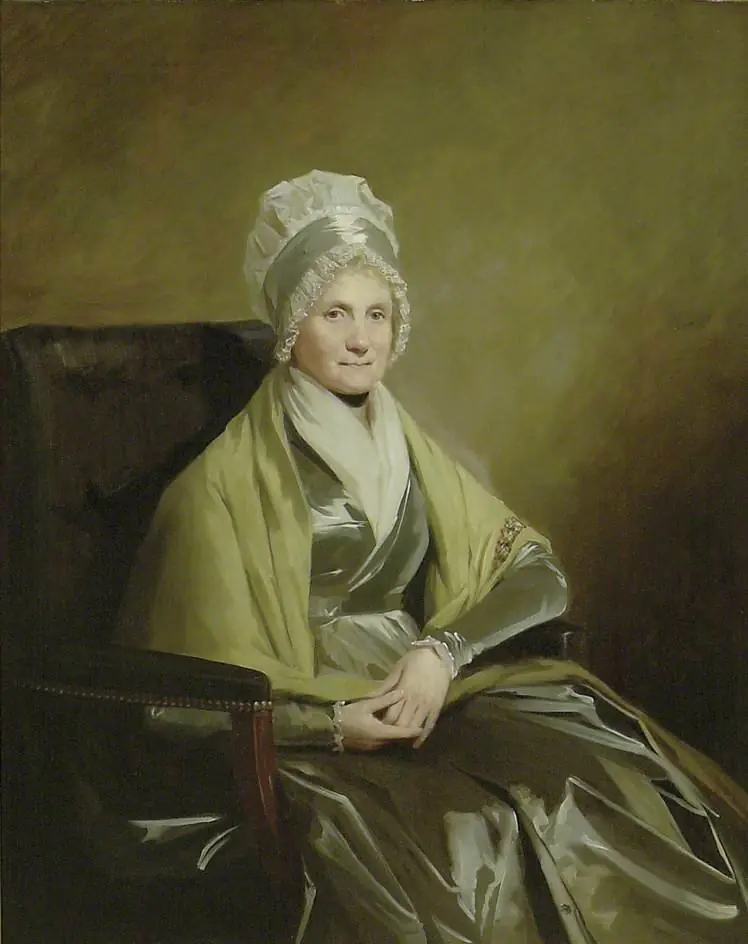
Jean Adam, Mrs Kennedy of Dunure is an oil painting by Henry Raeburn. It dates from 1811 and is held in the collection of the Scottish National Gallery.
About this work
This painting features a woman seated in a chair, dressed in a long green dress with a white shawl draped over her shoulders.
This painting features a woman seated in a chair, dressed in a long green dress with a white shawl draped over her shoulders. She wears a white cap on her head and has her hands resting in her lap. The background of the painting is dark, with a red curtain hanging behind the woman.
The woman's attire and the style of the painting suggest that it was created in the early 19th century. The artist has used oil paint to create a realistic and detailed portrait of the woman.
The painting is held at the Scottish National Gallery, which is home to a collection of artworks by Scottish artists.
Overview
Painted in 1811 by Henry Raeburn, this oil portrait captures Jean Adam, known as Mrs. Kennedy of Dunure. Raeburn, a leading Scottish portraitist of his time, rendered her with quiet dignity. The work resides in the Scottish National Gallery, part of a broader collection dedicated to Scottish artistic heritage. Its composition and execution reflect the refined conventions of early 19th-century portraiture in Britain.
Subject & Meaning
Jean Adam, wife of Sir Alexander Kennedy of Dunure, is portrayed in a composed, seated pose, her hands gently folded. Her attire—a green gown and white shawl—suggests modest elegance, while the white cap aligns with contemporary norms for married women. The restrained expression and formal posture convey social standing rather than emotional display, typical of portraiture serving familial and aristocratic identity.
Technique & Style
Raeburn employed oil paint to achieve subtle tonal transitions and textured detail, particularly in the fabric of her dress and the soft folds of the shawl. The dark background, punctuated by a crimson curtain, isolates the figure and enhances depth. His brushwork balances precision with a naturalistic warmth, avoiding theatricality in favor of intimate realism characteristic of his mature style.
History & Provenance
Commissioned shortly before Raeburn’s appointment as Portrait Painter to the King in Scotland, the work entered the Scottish National Gallery’s collection in the 19th century. It has remained in public ownership since, with no documented changes in custody. Its consistent display reflects its recognized importance within the national art canon.
Context
Created during a period when Scottish portraiture emphasized individual character over grandeur, this painting aligns with Raeburn’s broader practice of portraying local gentry with psychological nuance. The era saw a rise in domestic portraiture among the landed classes, where clothing and setting signaled status without overt symbolism, distinguishing Scottish practice from more ornate English traditions.
Legacy
The portrait endures as a representative example of Raeburn’s ability to capture quiet authority in everyday subjects. It contributes to the understanding of Scottish identity in visual culture during the early 1800s. Though not widely reproduced, it remains a key reference in studies of regional portraiture and the evolution of domestic representation in British art.
Artist & collection
Artist
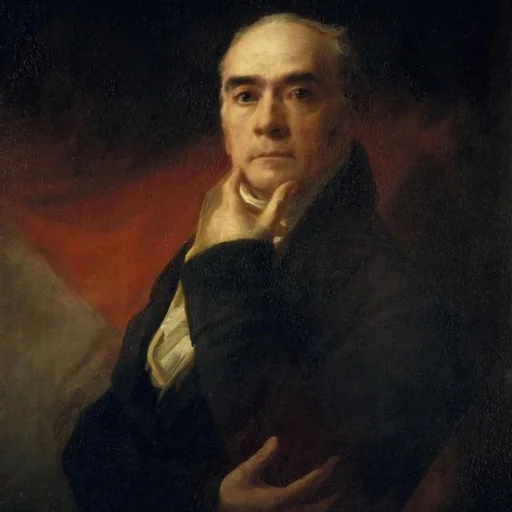
Sir Henry Raeburn (; 4 March 1756 – 8 July 1823) was a Scottish portrait painter. He served as Portrait Painter to King George IV in Scotland.

 Mrs John Brown of Lanfine and Waterhaughs
 Euphemia Helen Smeton or Smeaton (died 1825) 'Mrs Douglas Dickson'
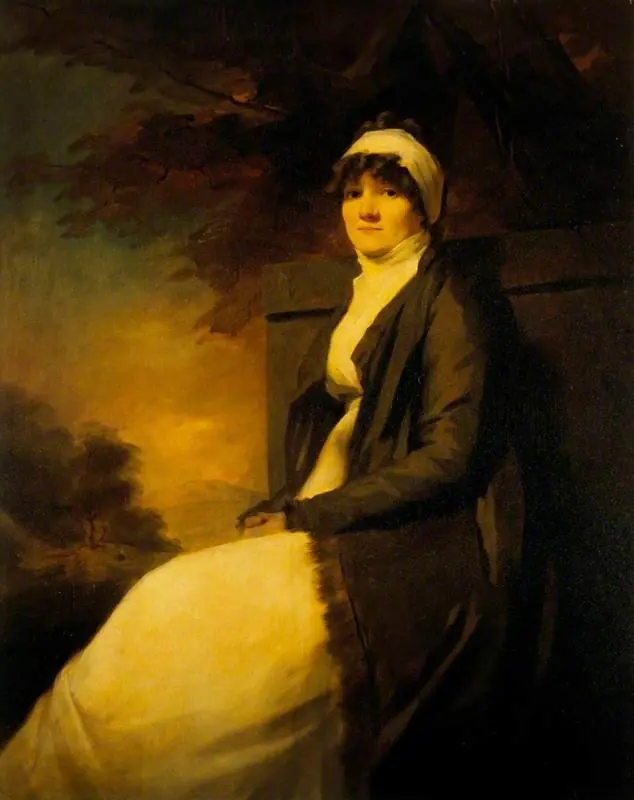 Zepherina Loughnan, Mrs Henry Veitch of Eliock
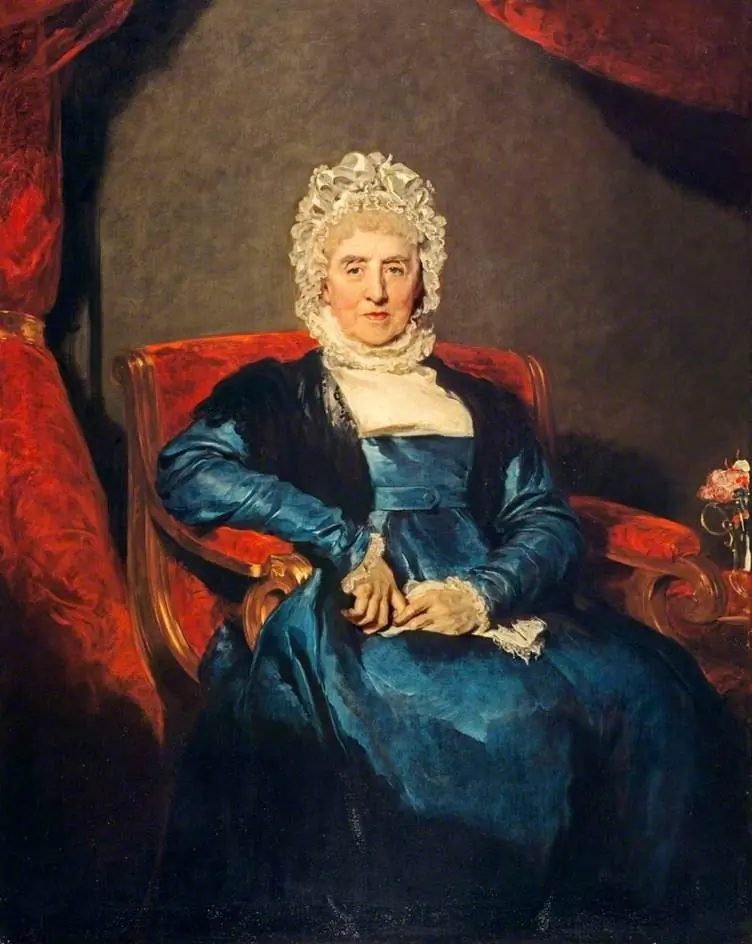 Mary Degg, Lady Robert Manners (1737 - 1829)
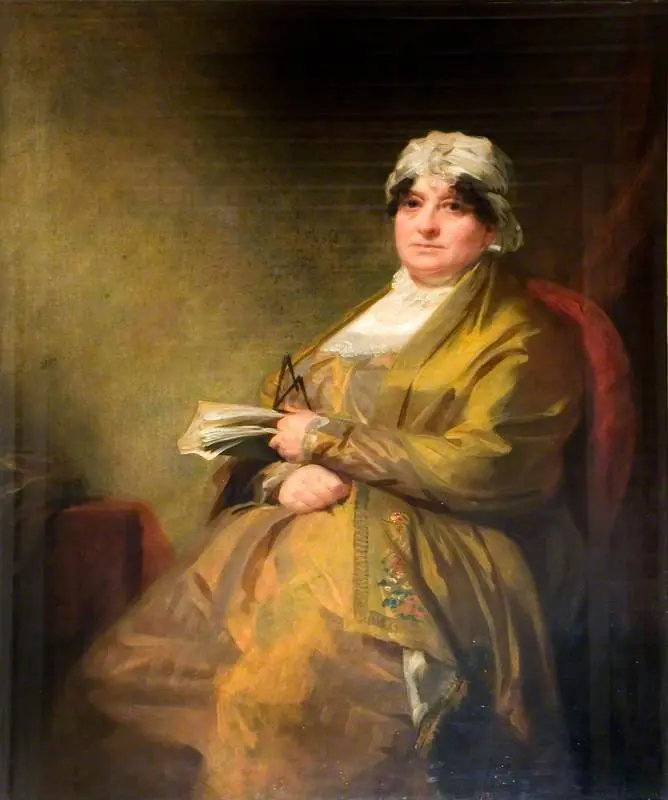 Mrs Hobson of Markfield (c.1759–1831)
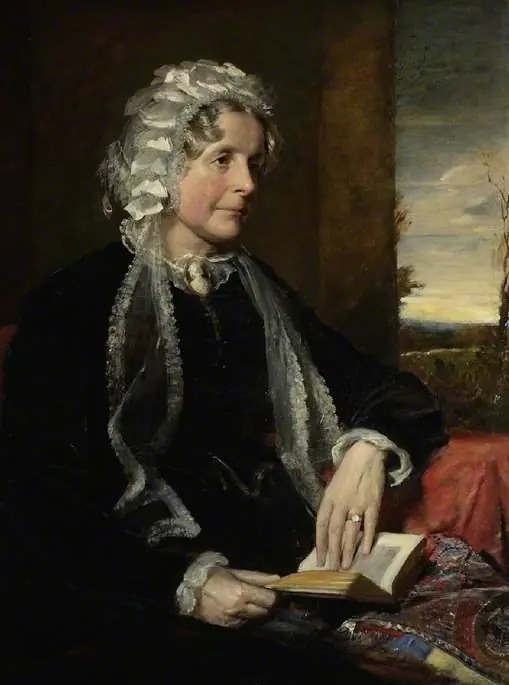 Mrs William Fothergill Robinson
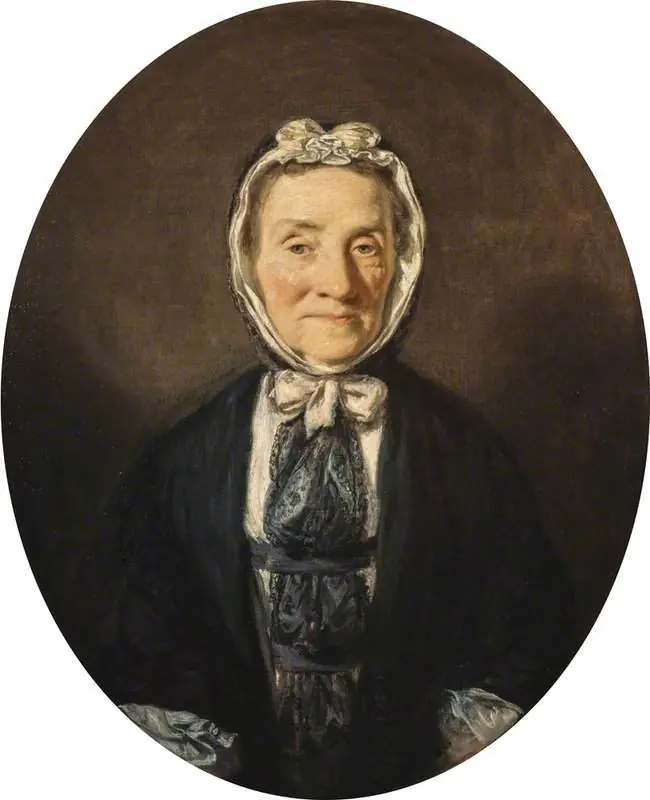 Katherine Paterson, Mrs John Walkinshaw of Barrowfield and Camlachie (called Lady Barrowfield), (c 1683 - 1780). Mother of Clementina Walkinshaw
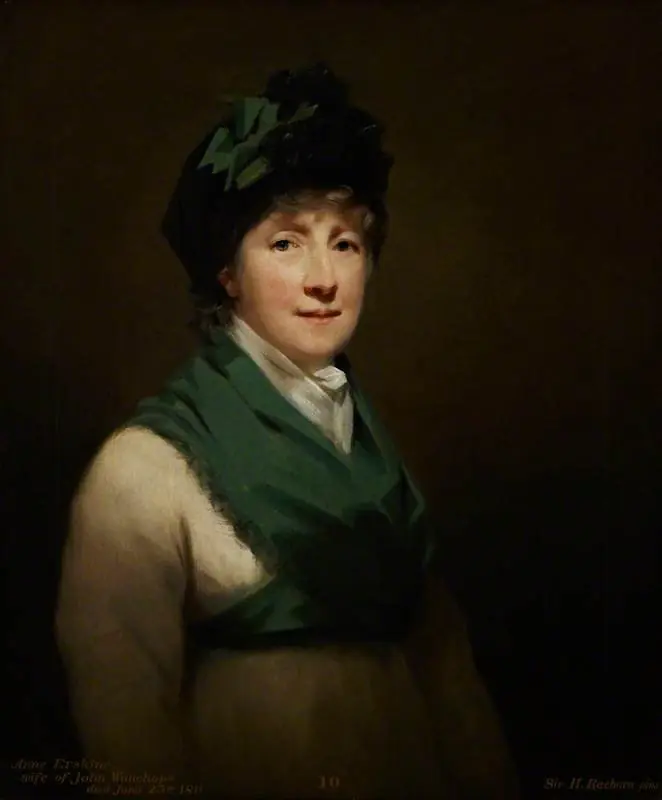 Anne Erskine, Mrs John Wauchope of Edmonstone (1740 - 1811)
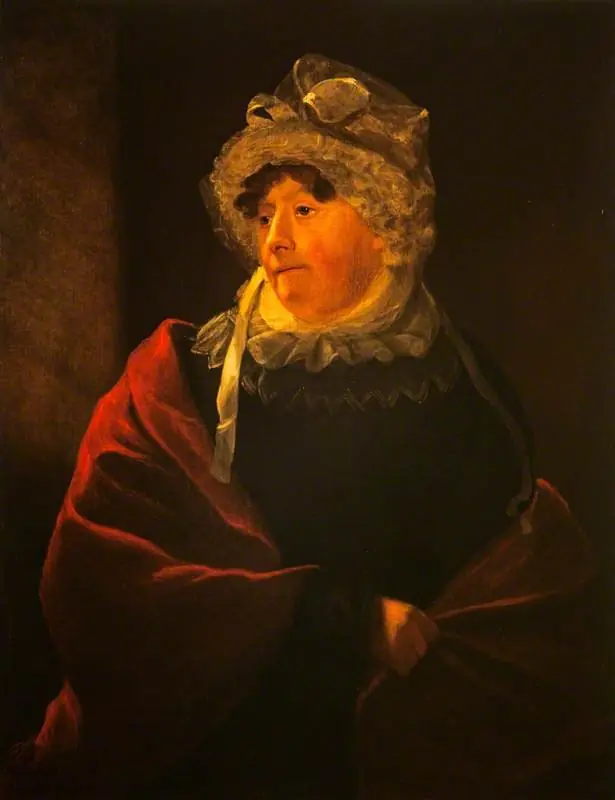 The Artist's Wife (Rebecca Smellie)