Artwork
Mrs. MacLean of Kinlochaline
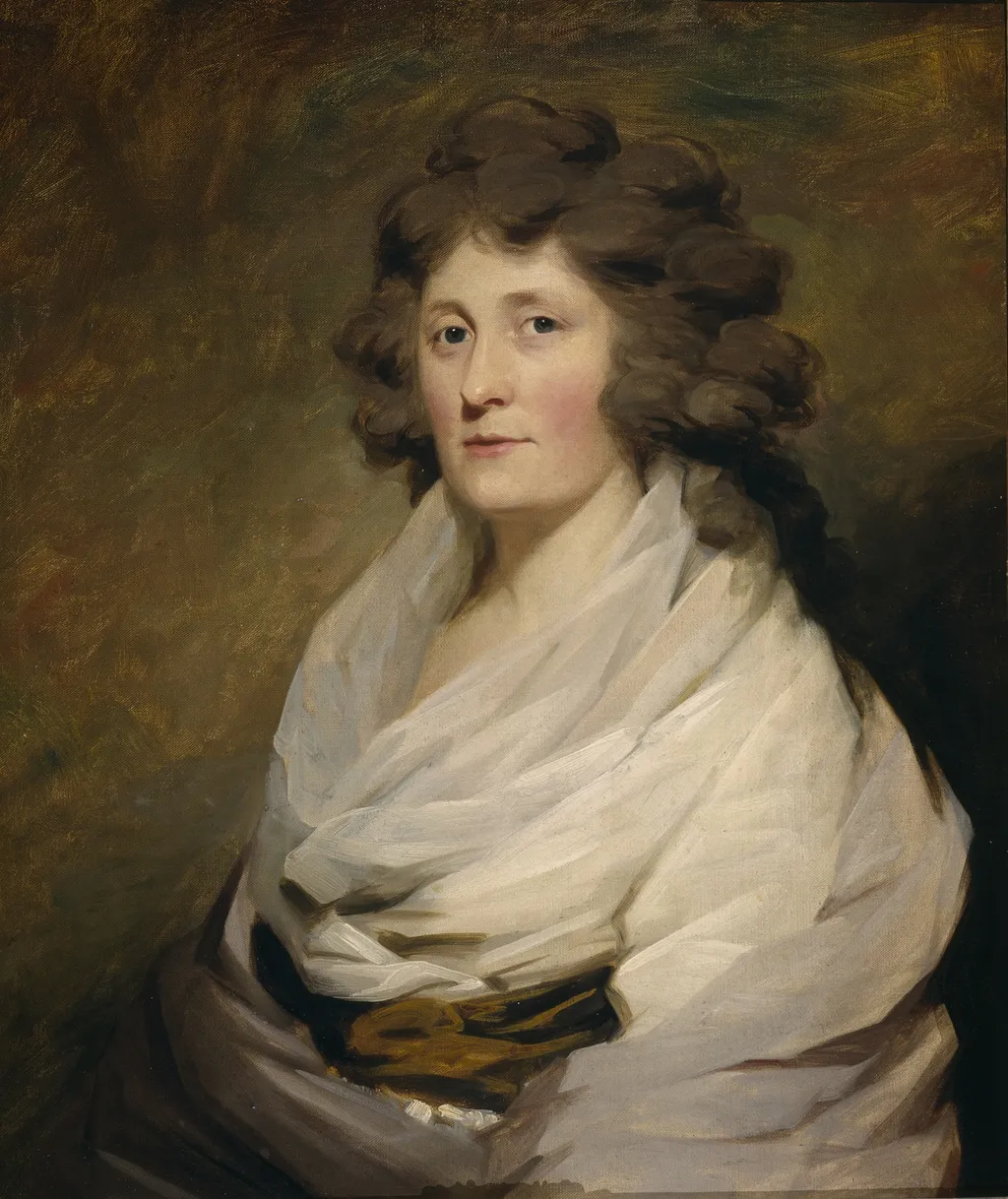
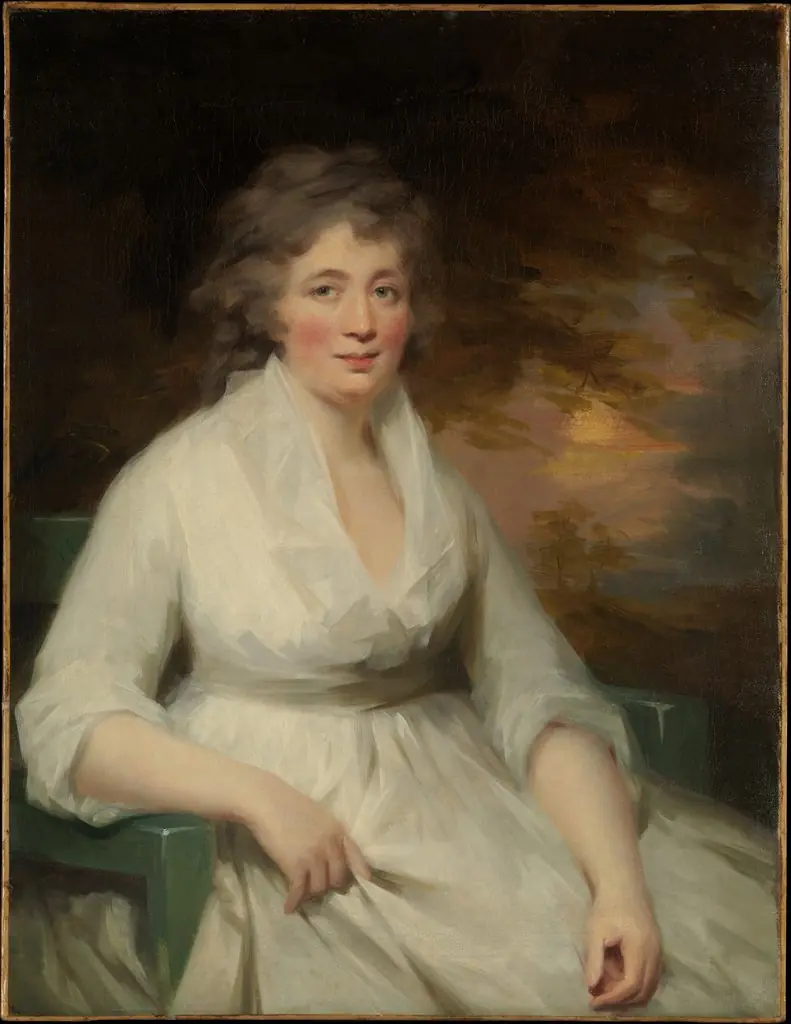
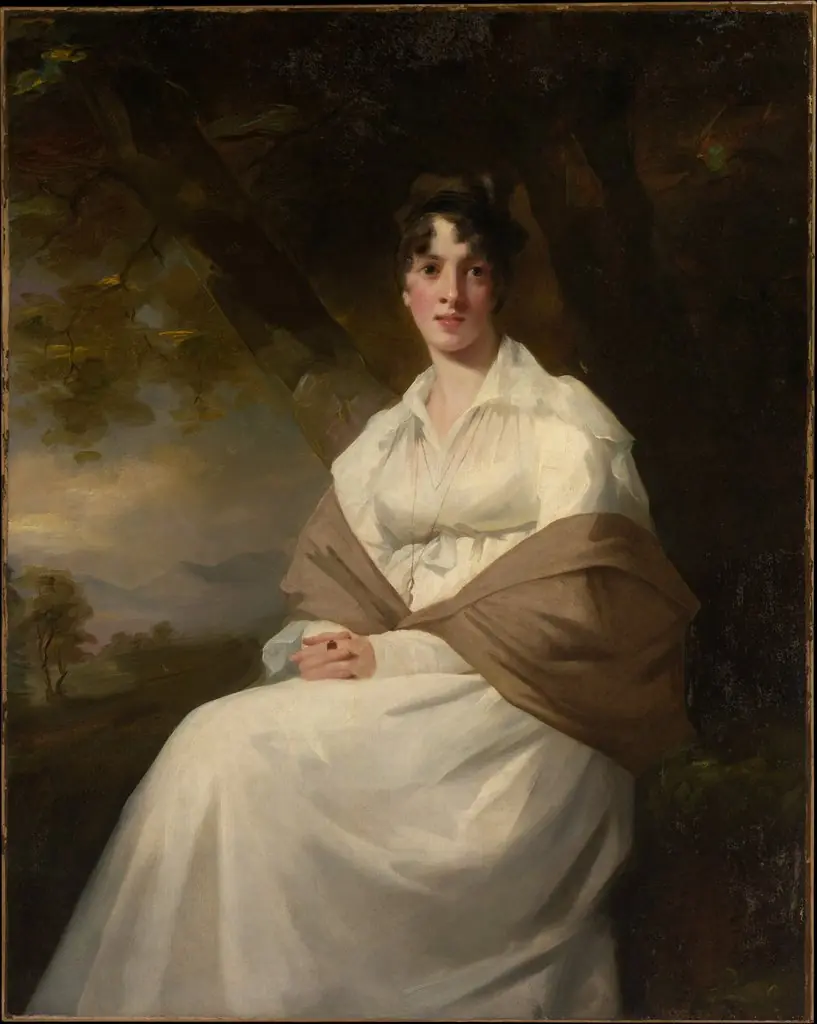
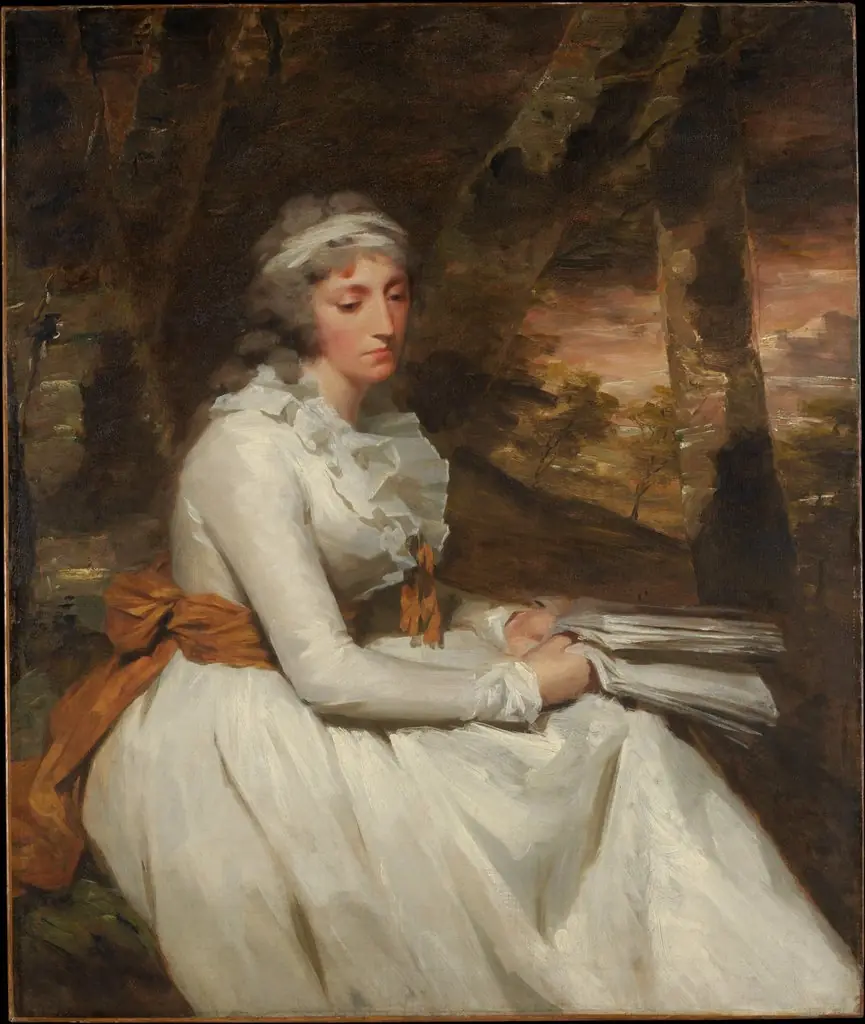
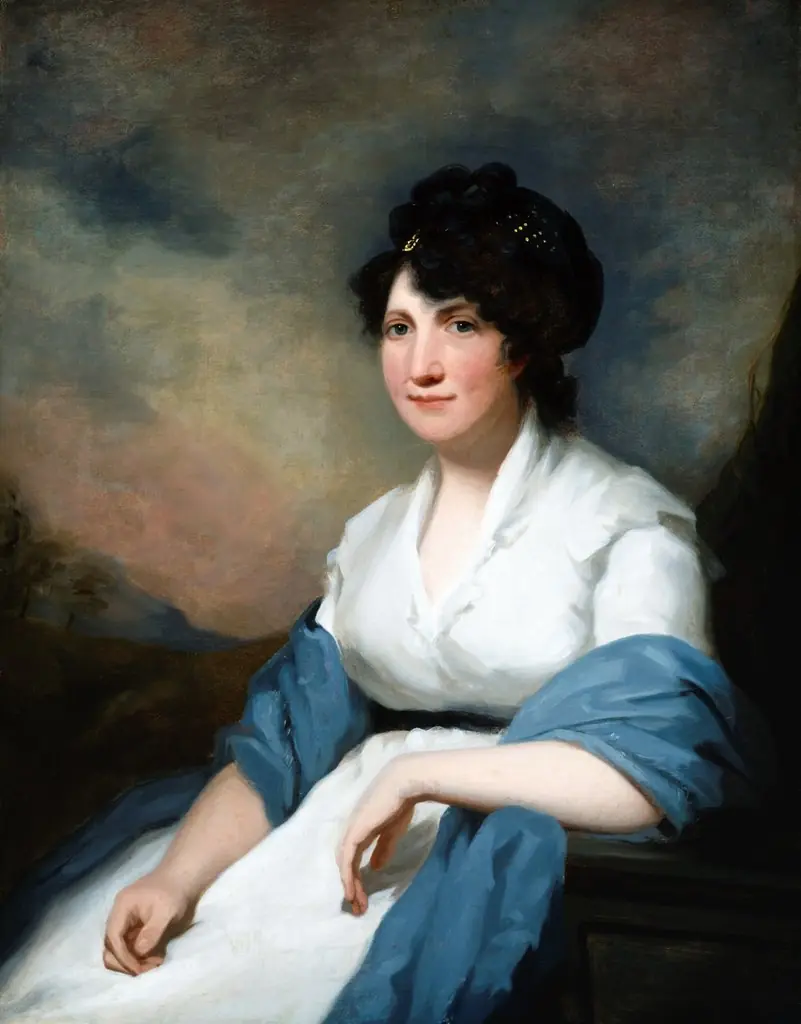
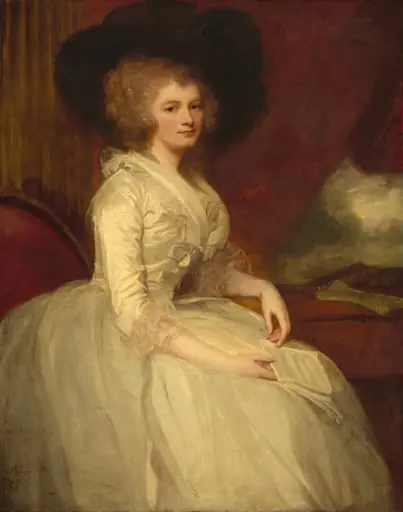
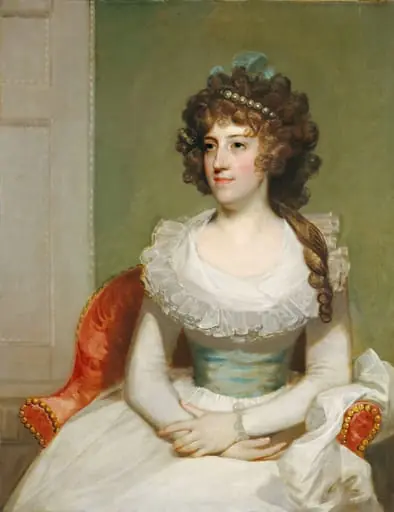
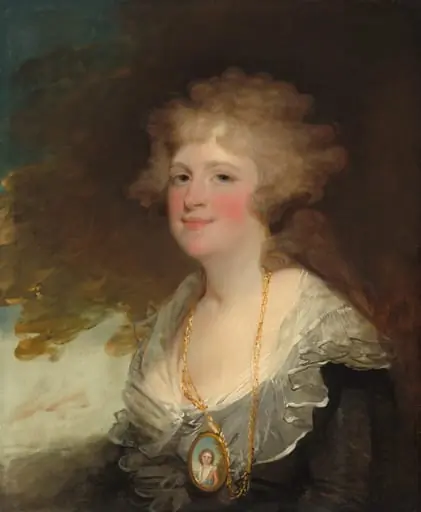
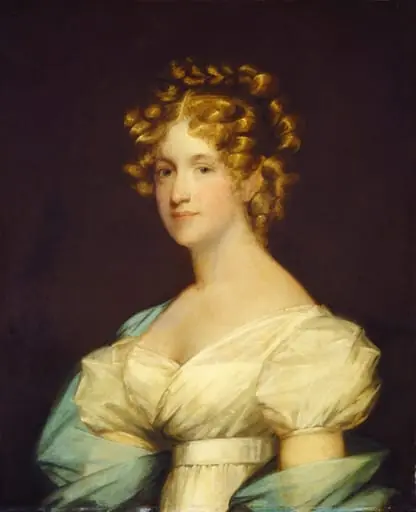
Mrs. MacLean of Kinlochaline is an oil painting by the British Romanticist artist Henry Raeburn. It dates from 1800 and is held in the collection of the Museo del Prado.
About this work
Overview
Painted in 1800 by Henry Raeburn, this oil portrait depicts Mrs. MacLean of Kinlochaline, a Scottish noblewoman. Raeburn, known for his intimate yet composed portrayals of Scottish elites, rendered her with quiet presence. The work is part of the Museo del Prado’s collection, where it stands as an example of early 19th-century Scottish portraiture within a broader European context.
Subject & Meaning
Her calm gaze suggests introspection, aligning with Romantic-era ideals of inner character over external display.
Mrs. MacLean is portrayed without ostentation, her dignity conveyed through stillness rather than adornment. The plain dark background and modest attire emphasize her individuality over social status. Her calm gaze suggests introspection, aligning with Romantic-era ideals of inner character over external display. The painting reflects a shift toward personal, psychological portraiture in Scottish aristocratic circles.
Technique & Style
Raeburn employed thick, tactile brushwork—particularly on the white shawl—to create a sense of volume and texture. The impasto technique gives the fabric a tangible weight, with visible strokes defining its folds and light reflections. This contrasts with the smoother rendering of her face, drawing attention to her expression. The restrained palette and dark background heighten the focus on her form and gesture.
History & Provenance
Commissioned during Raeburn’s peak years as a leading Scottish portraitist, the painting entered the Prado’s collection in the 20th century, likely through acquisition or donation. Its presence in Madrid reflects the international appreciation of British portraiture beyond national borders. Prior to this, it remained in private Scottish hands, consistent with the subject’s family lineage.
Context
Created during the height of British Romanticism, the portrait aligns with a broader cultural turn toward individualism and emotional authenticity. While European courts favored grandeur, Raeburn’s approach—sober, direct, and psychologically nuanced—offered an alternative rooted in Scottish sensibility. His work bridged Enlightenment restraint and Romantic subjectivity, influencing later portrait traditions.
Legacy
Raeburn’s treatment of Mrs. MacLean exemplifies his lasting impact on Scottish portraiture: a balance of realism and emotional depth without theatricality. The painting’s inclusion in the Prado underscores its recognition beyond Britain. Though not widely reproduced, it remains a reference point for studies of 19th-century psychological portraiture and the use of texture to convey presence.
Own this work as a print
Artist & collection
Artist
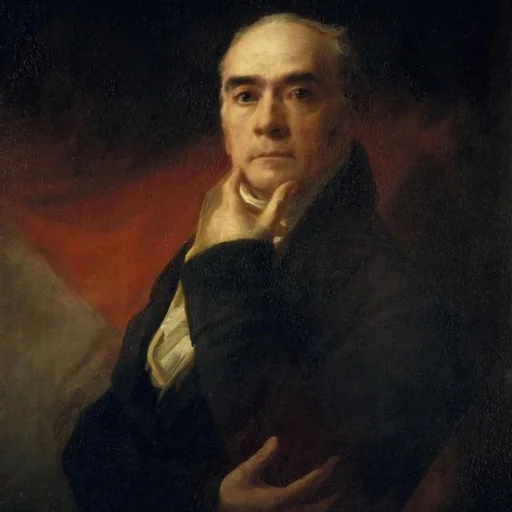
Sir Henry Raeburn (; 4 March 1756 – 8 July 1823) was a Scottish portrait painter. He served as Portrait Painter to King George IV in Scotland.