Artwork
William Forsyth (1749–1814)
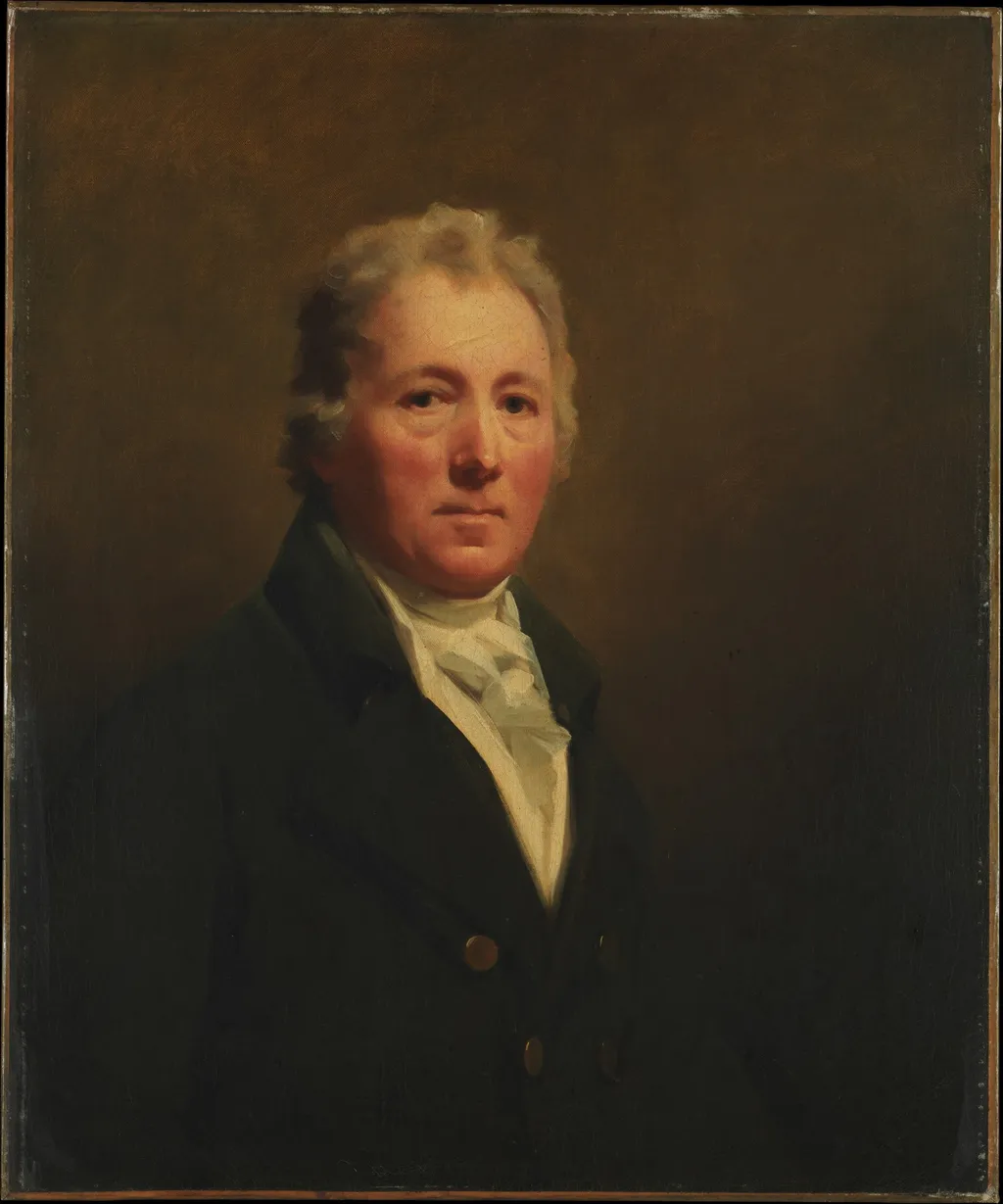
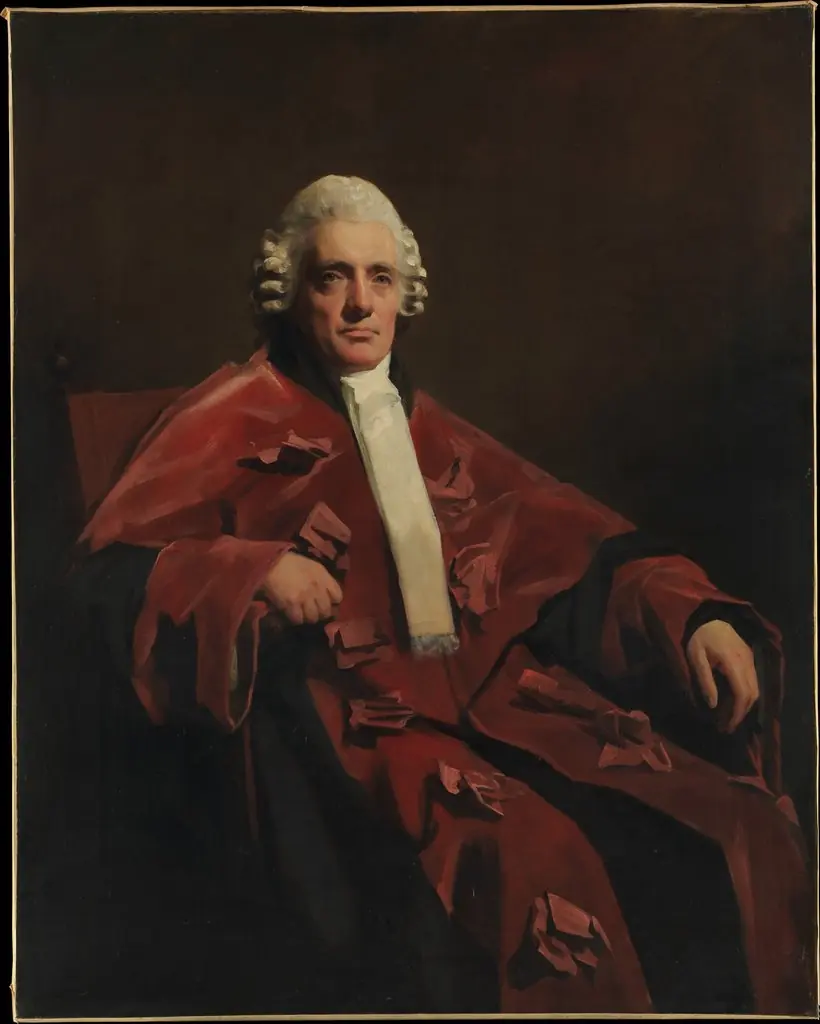
William Forsyth (1749–1814) is an oil painting by Henry Raeburn. It dates from 1800 and is held in the collection of the Metropolitan Museum of Art.
About this work
Overview
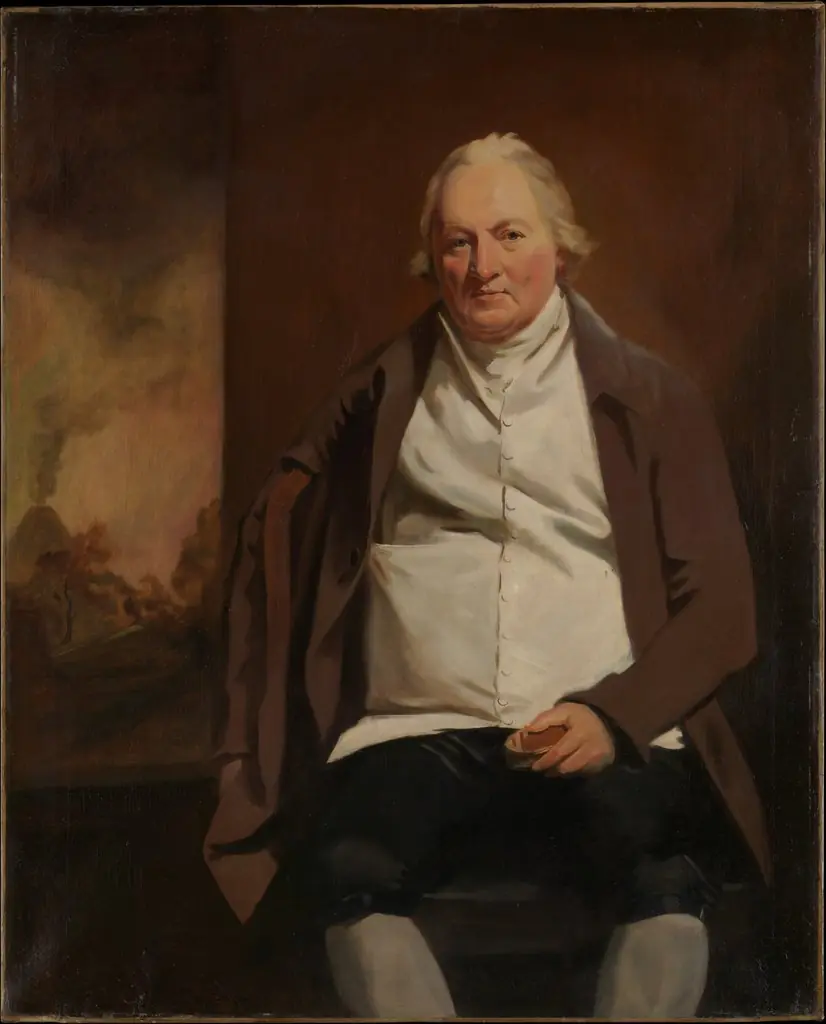
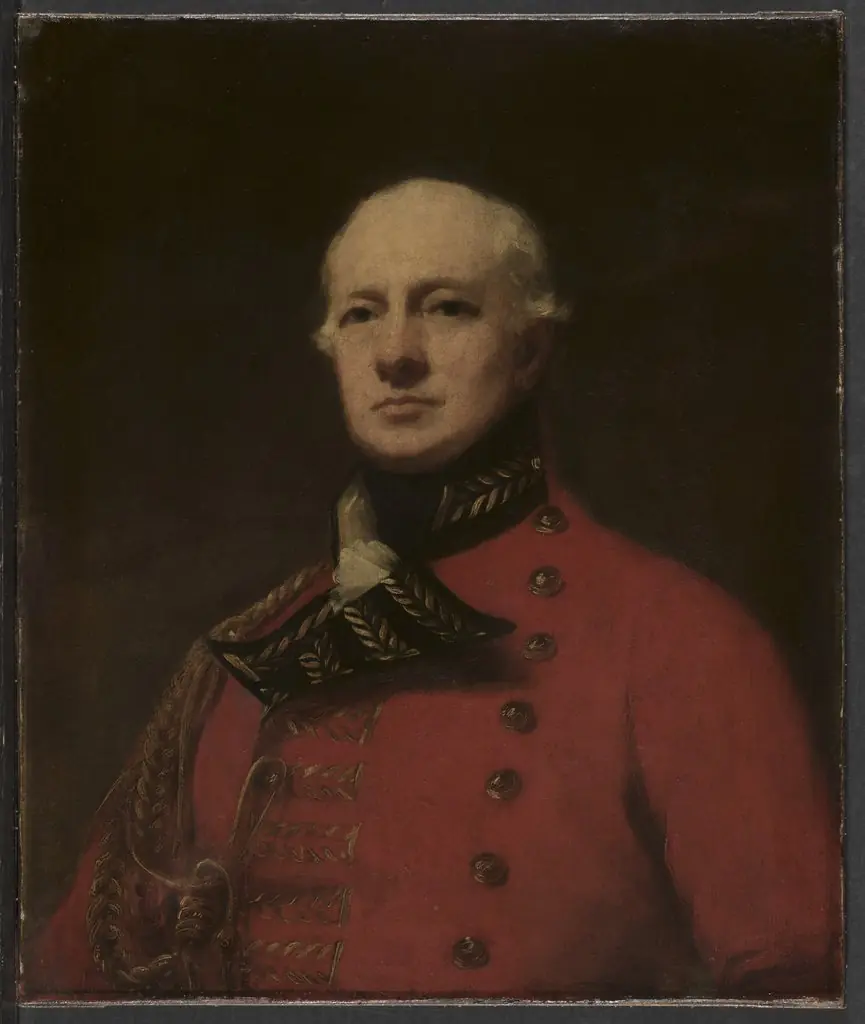
The painting captures its subject with a serious demeanor, his form emerging from a muted background.
Henry Raeburn completed this oil portrait of William Forsyth in 1800. The painting captures its subject with a serious demeanor, his form emerging from a muted background. Raeburn, a prominent Scottish artist, rendered Forsyth's features and attire with a focus on subtle detail and controlled illumination, creating a dignified and direct representation. The work is now part of the collection at The Metropolitan Museum of Art.
Technique & Style
Raeburn employed oil paint to create a focused and intimate portrayal. The composition features soft, directed lighting that highlights Forsyth's face and upper body, allowing the surrounding areas to recede into shadow, a technique reminiscent of chiaroscuro. Subtle brushwork defines the texture of his light hair and the folds of his dark coat and white cravat. This precise execution contributes to the painting's calm yet observant quality, emphasizing the subject's presence.
History & Provenance
Painted at the turn of the 19th century, this portrait by Henry Raeburn exemplifies his skill as a leading Scottish artist of his era. Raeburn's reputation grew significantly, eventually leading to his appointment as Portrait Painter to King George IV in Scotland. The artwork has since entered the collection of The Metropolitan Museum of Art, where it represents a notable example of early 19th-century British portraiture.
Own this work as a print
Artist & collection
Artist
Sir Henry Raeburn (; 4 March 1756 – 8 July 1823) was a Scottish portrait painter. He served as Portrait Painter to King George IV in Scotland.