Artwork
Le Destin
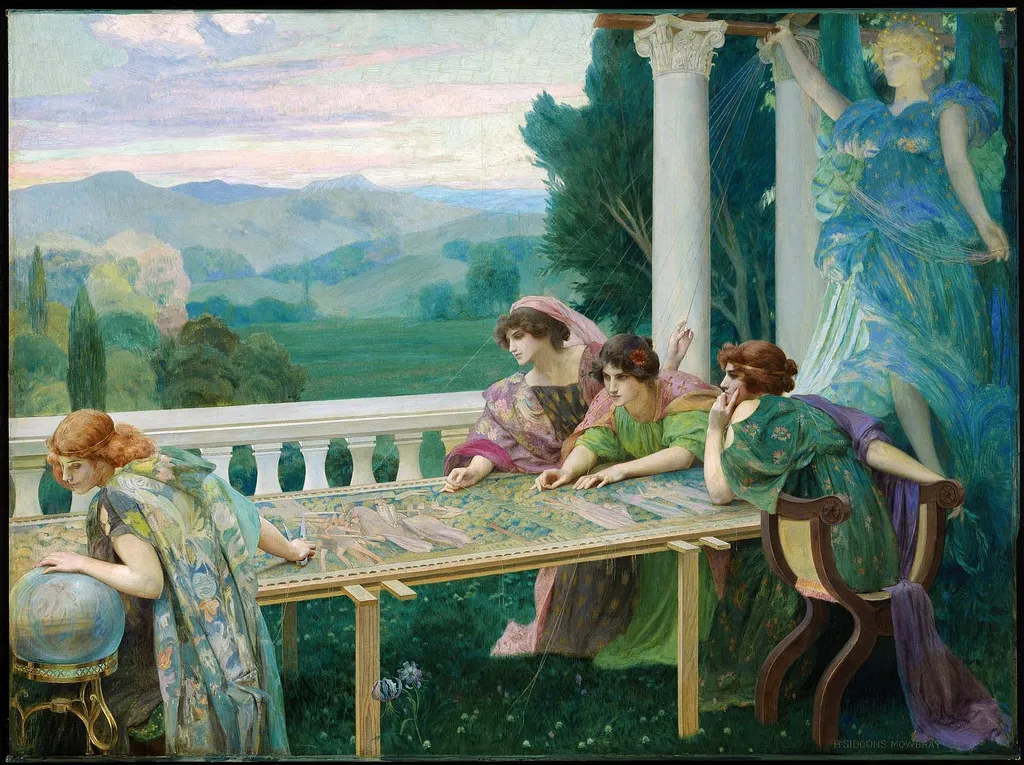
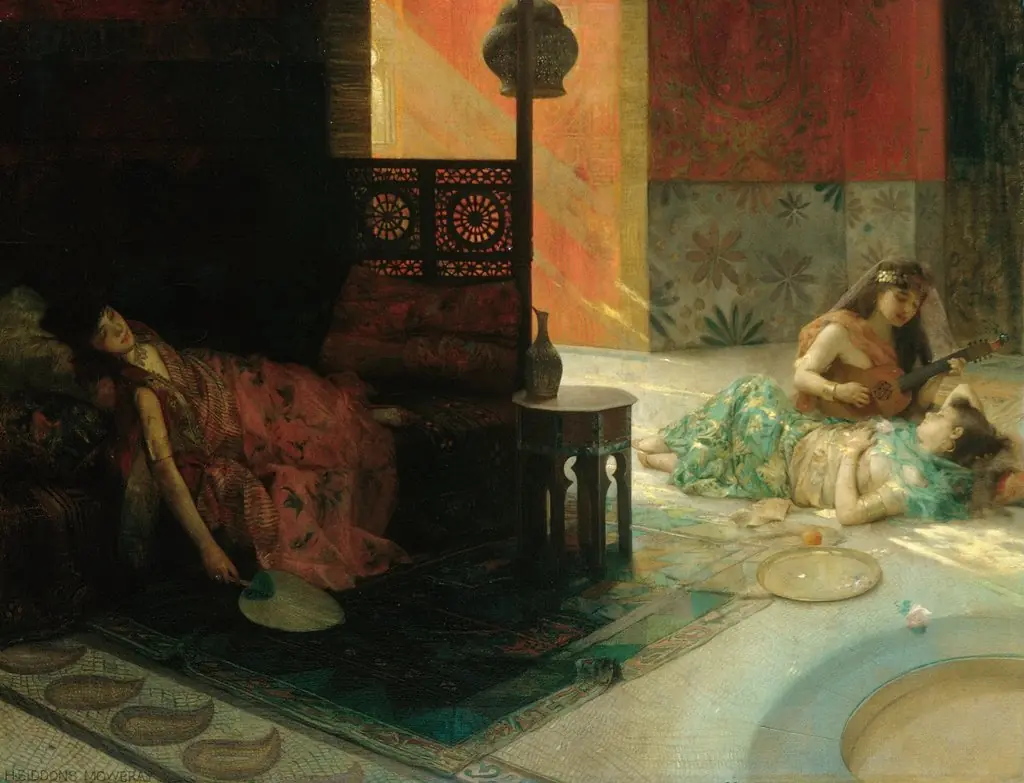
Le Destin is an oil painting by the Post-Impressionist artist Henry Siddons Mowbray. It dates from 1898 and is held in the collection of the Museum of Fine Arts Boston.
About this work
Overview
Mowbray, known for his decorative commissions for elite patrons, created this piece during a period of deep engagement with European artistic traditions.
Painted in 1898 by American artist Henry Siddons Mowbray, *Le Destin* is an oil on canvas work currently held by the Museum of Fine Arts, Boston. Mowbray, known for his decorative commissions for elite patrons, created this piece during a period of deep engagement with European artistic traditions. Though influenced by post-impressionist color and form, the painting diverges from pure abstraction, favoring narrative clarity and symbolic weight.
Subject & Meaning
The painting depicts five women engaged in the act of weaving at a large, ornate loom. Their focused expressions and synchronized movements suggest a ritualistic or allegorical interpretation of labor. The title, meaning 'Fate' in French, implies that the threads they manipulate symbolize destiny—each woman contributing to an unseen, collective outcome. The setting, blending interior craft with an idealized landscape, reinforces a connection between human effort and natural order.
Technique & Style
Mowbray employs rich, saturated hues and soft, diffused light to render the women’s flowing garments and the textured loom. Brushwork is deliberate yet fluid, avoiding the fragmentation of pure impressionism in favor of structured form. The composition is carefully balanced, with the central loom anchoring the scene and the standing figure drawing the eye diagonally across the canvas. Background hills and trees are rendered with loose, atmospheric strokes, contrasting the precision of the foreground.
History & Provenance
Created in 1898, *Le Destin* entered the Museum of Fine Arts, Boston’s collection shortly after its completion. Mowbray, who had studied in Paris and Rome, produced this work during a phase of his career focused on mythic and allegorical themes. He later directed the American Academy in Rome from 1902 to 1904, a role that deepened his engagement with classical and Renaissance traditions, which subtly inform this painting’s formal harmony.
Context
In the late 19th century, American artists increasingly turned to allegory and symbolic narrative to elevate domestic and artisanal subjects. *Le Destin* reflects this trend, aligning with broader European movements that sought to imbue everyday labor with metaphysical significance. Mowbray’s exposure to French and Italian art, combined with American tastes for refined, morally resonant imagery, shaped the painting’s unique synthesis of realism and idealism.
Legacy
Though not widely exhibited today, *Le Destin* remains a significant example of Mowbray’s allegorical phase and his contribution to American academic painting. It illustrates how American artists of the era negotiated European influences to develop personal visual languages. The work continues to be studied for its nuanced treatment of gender, labor, and symbolism within the context of Gilded Age aesthetics.
Artist & collection
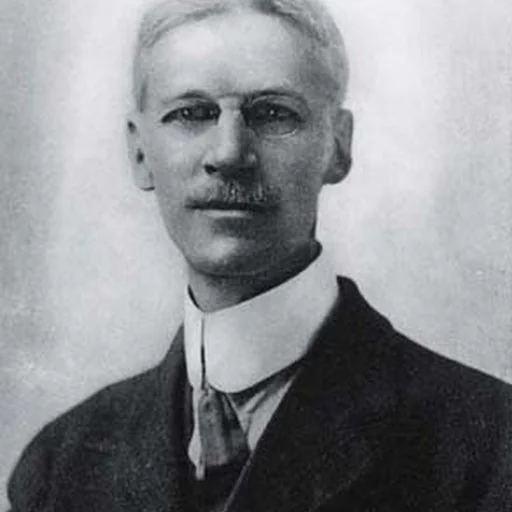
Artist
Henry Siddons Mowbray (August 5, 1858 – 1928) was an American artist. He executed various painting commissions for J.P. Morgan, F.W. Vanderbilt, and other clients. He served as director of the American Academy in Rome from 1902 to 1904.