Artwork
Glaucus and Nydia
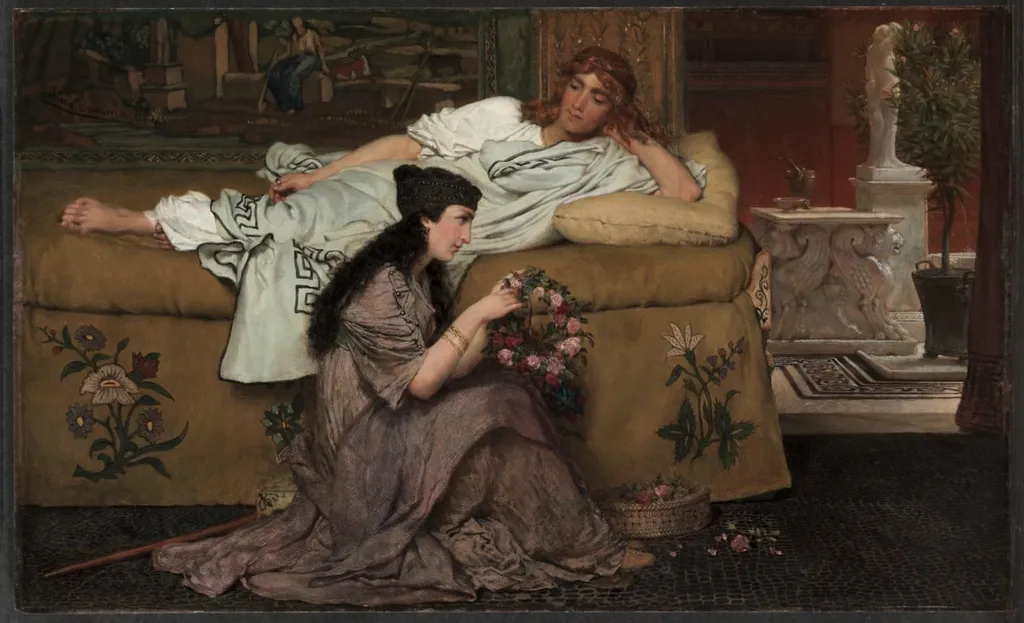
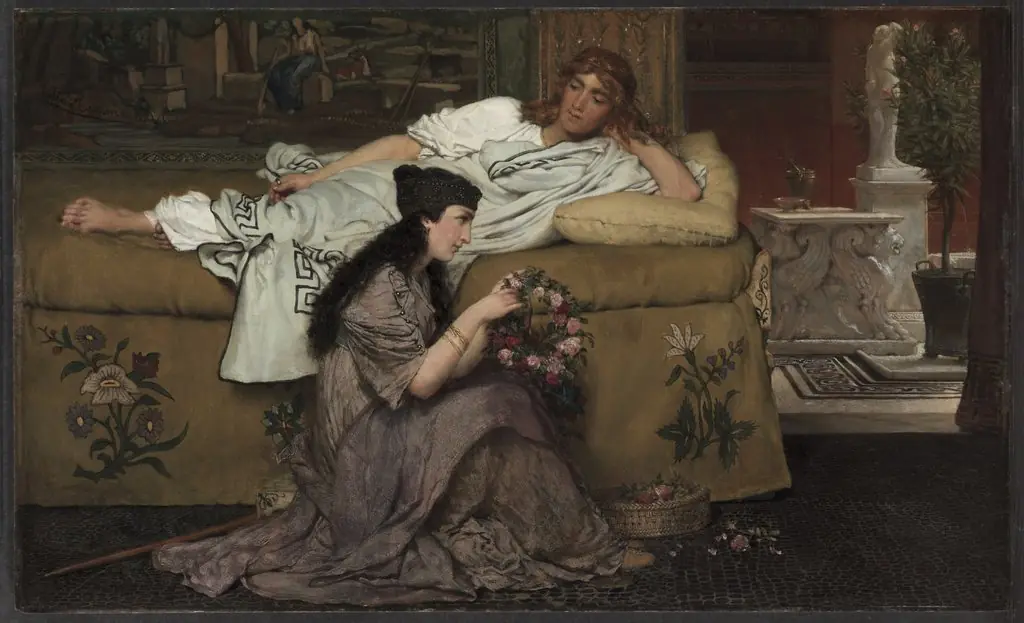
Glaucus and Nydia is an unspecified painting by the British Romanticist artist Lawrence Alma-Tadema. It dates from 1867 and is held in the collection of the Cleveland Museum of Art. The canvas portrays Nydia, a blind servant, seated on marble steps within a sunlit Roman courtyard.
About this work
Overview
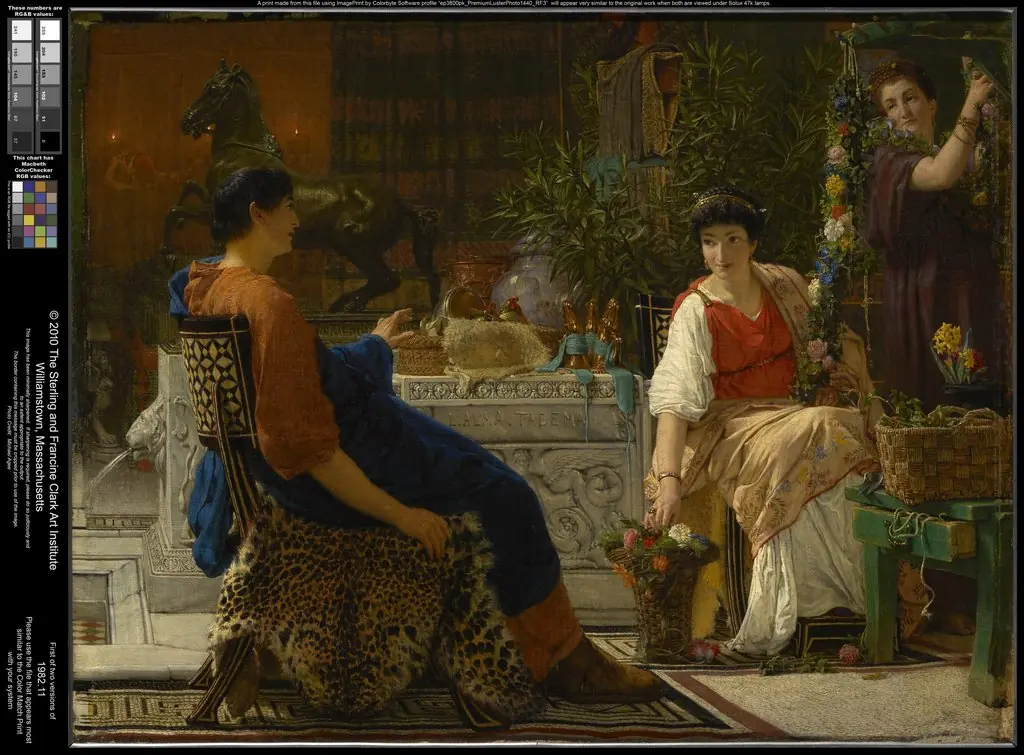
The canvas portrays Nydia, a blind servant, seated on marble steps within a sunlit Roman courtyard. She delicately weaves a garland of roses, her hands poised over the fragrant flowers. The composition captures a tranquil interlude, bathed in warm golden light, that contrasts with the dramatic narrative of the source material.
Subject & Meaning
Derived from Sir Edward Bulwer‑Lytton’s 1835 novel *The Last Days of Pompeii*, the scene isolates a moment of unspoken affection between Nydia and her master Glaucus. The act of garland‑making, a traditional token of love, underscores her silent devotion while her blindness amplifies the theme of concealed emotion.
Technique & Style
Alma‑Tadema employs meticulous detail in the rendering of marble, stone, and foliage, characteristic of his historicist approach. The palette favors warm ochres and soft whites, enhancing the luminous atmosphere. Fine brushwork delineates the texture of the roses and the subtle tremor of Nydia’s fingers, reflecting the artist’s interest in archaeological accuracy.
History & Provenance
Executed in Brussels for a London dealer, the work reflects the artist’s early career before his relocation to England. The painting responded to the 19th‑century fascination with antiquity, a market that later propelled Alma‑Tadema to considerable financial and social standing after his move to Britain.
Context
During the Victorian era, novels like *The Last Days of Pompeii* enjoyed immense popularity, feeding a demand for visual interpretations of classical subjects. The painting aligns with this trend, presenting a quiet, domestic scene rather than the cataclysmic eruption that concludes the narrative, thereby appealing to contemporary tastes for romanticized antiquity.
Artist & collection
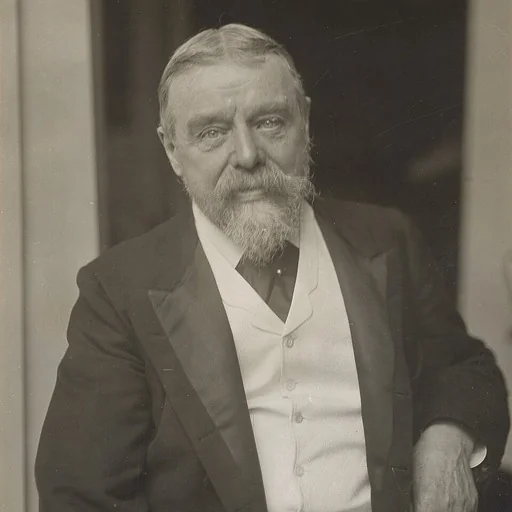
Artist
Sir Lawrence Alma-Tadema ( AL-mə TAD-ay-mə; born Lourens Alma Tadema, Dutch: ; 8 January 1836 – 25 June 1912) was a Dutch painter who later settled in the United Kingdom, becoming the last officially recognised denizen in 1873.