Artwork
Self-Portrait
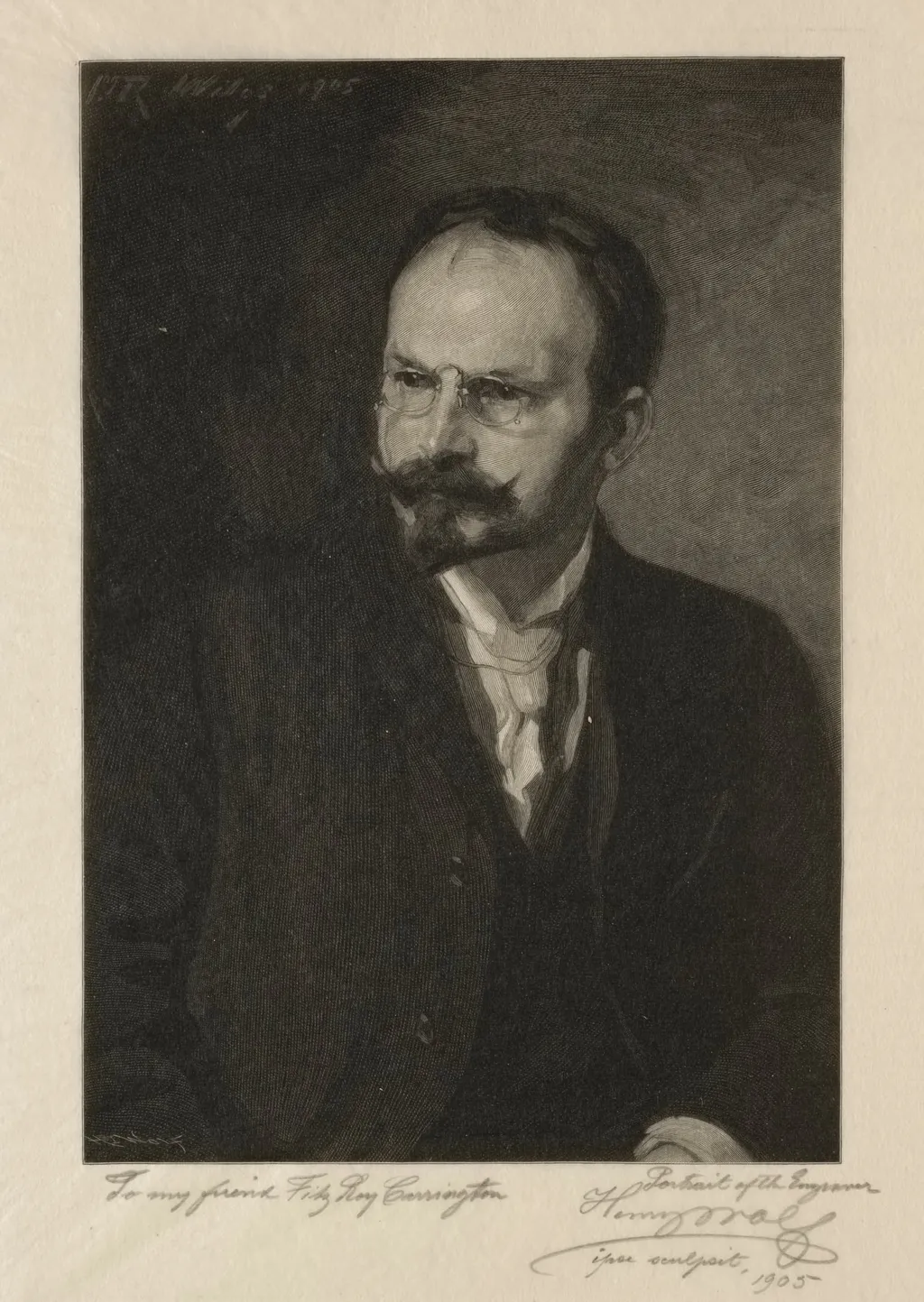
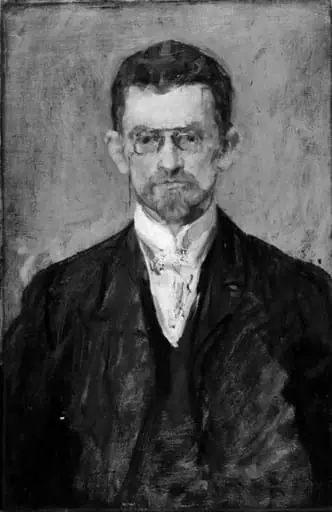
Self-Portrait is a print by Henry Wolf. It dates from 1905 and is held in the collection of the Cleveland Museum of Art.
About this work
This is a black-and-white portrait of a man with glasses, a mustache, and a high collar.
This is a black-and-white portrait of a man with glasses, a mustache, and a high collar. He’s wearing a dark jacket with a white shirt underneath. The background is plain, focusing all attention on his face and upper body.
The artist signed it in the corner, calling it a *Self-Portrait* from 1905. The lighting is soft, making his face stand out against the dark background.
Check out chiaroscuro next to see how this lighting trick works.
Overview
Henry Wolf, a French-born printmaker who emigrated to New York in 1871, produced this 1905 self-portrait as a wood engraving during his tenure in the United States. Known primarily for reproductive engravings of prominent painters, Wolf turned his skill inward to capture his own likeness. The work is held in The Cleveland Museum of Art’s collection and exemplifies his mastery of tonal precision in black-and-white printmaking.
Subject & Meaning
The portrait presents Wolf in mid-life, dressed in a dark jacket over a crisp white shirt, with a high collar and spectacles. His mustache and steady gaze convey a quiet professionalism. The absence of contextual elements and the direct focus on his face suggest an introspective intent, not as a statement of status but as a record of presence—emphasizing the engraver’s identity through observation rather than embellishment.
Technique & Style
Wolf employed wood engraving to achieve fine gradations of tone, using delicate lines to model the contours of his face and the texture of his clothing. Soft chiaroscuro defines the planes of his features, with light falling gently across his forehead and cheek, contrasting against the deep, unbroken background. The signature and date are discreetly placed, reinforcing the work’s modest, artisanal character.
History & Provenance
Created in 1905, the portrait emerged during the later phase of Wolf’s career, after decades of producing illustrations for American periodicals. It remained in private hands until acquired by The Cleveland Museum of Art, where it now serves as a rare personal artifact from an artist better known for interpreting others’ work. Its preservation reflects growing interest in printmakers’ self-representations in the early 20th century.
Context
At the turn of the century, wood engraving was a dominant medium for illustrated journalism, yet few practitioners turned it toward personal expression. Wolf’s self-portrait stands apart from his commercial output, aligning with a broader trend among artists to use printmaking for intimate self-examination—distinct from the grandeur of oil painting, yet equally deliberate in its economy of means.
Legacy
Though Wolf is primarily remembered for his reproductive engravings of Sargent and Manet, this self-portrait endures as a quiet testament to his technical discipline and personal vision. It offers insight into the mindset of a craftsman who bridged European training and American industry, and remains a significant example of how printmakers asserted individual identity within a mass-reproduction culture.
Artist & collection
Artist
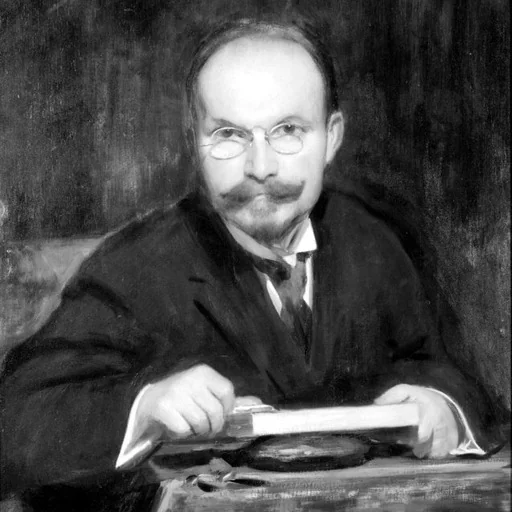
Henry Wolf (1852–1916) was a French-born wood engraver who lived and worked in the United States during his most influential work period and until his death.

 Portrait of the Norwegian Keeper of National Antiquities, Christopher Brinckmann
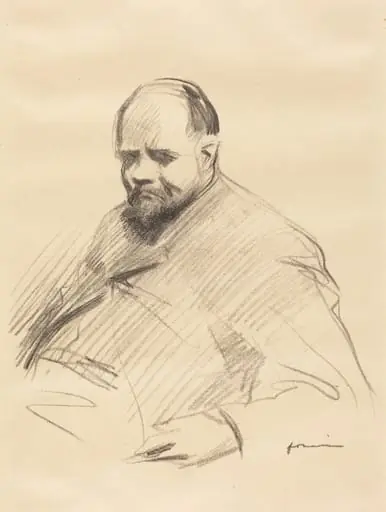 Portrait d'Ambroise Vollard (Portrait of Ambroise Vollard)
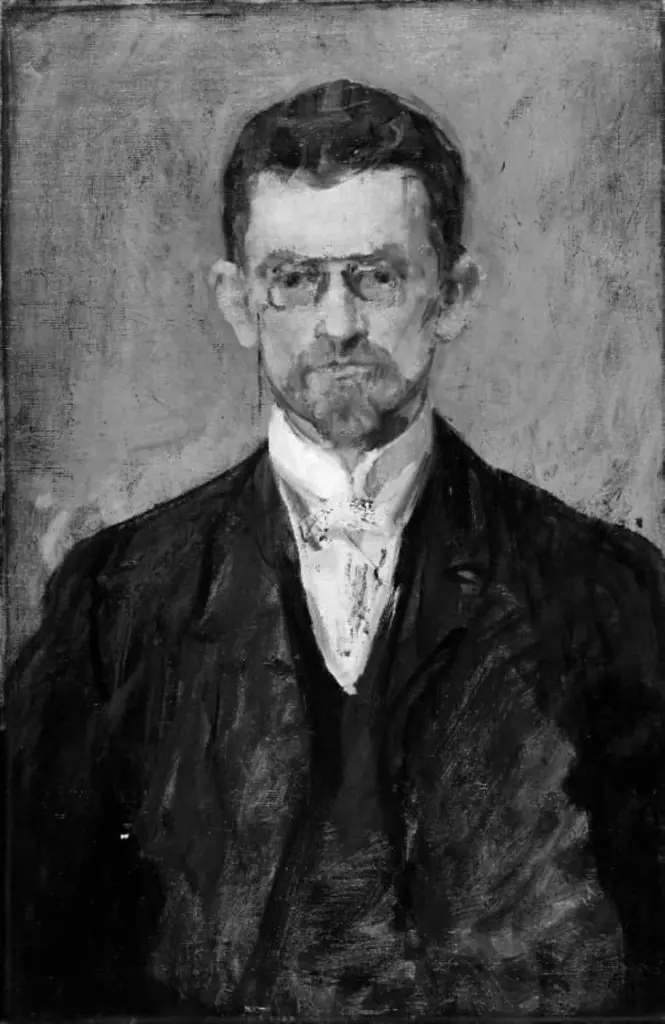 Portrait of the Norwegian Keeper of National Antiquities, Christopher Brinckmann
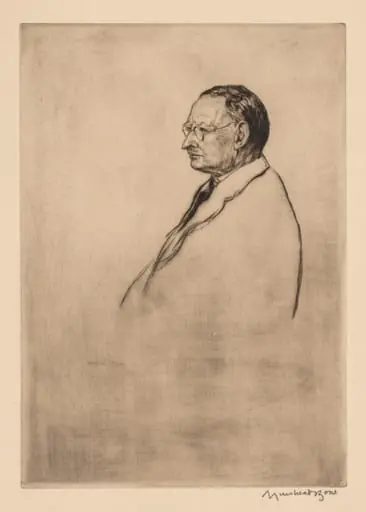 John Robertson, J. P., Dundee
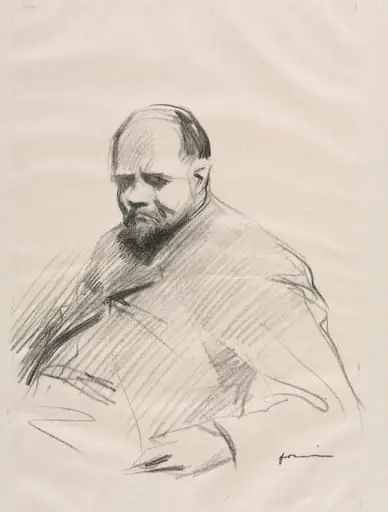 Ambroise Vollard
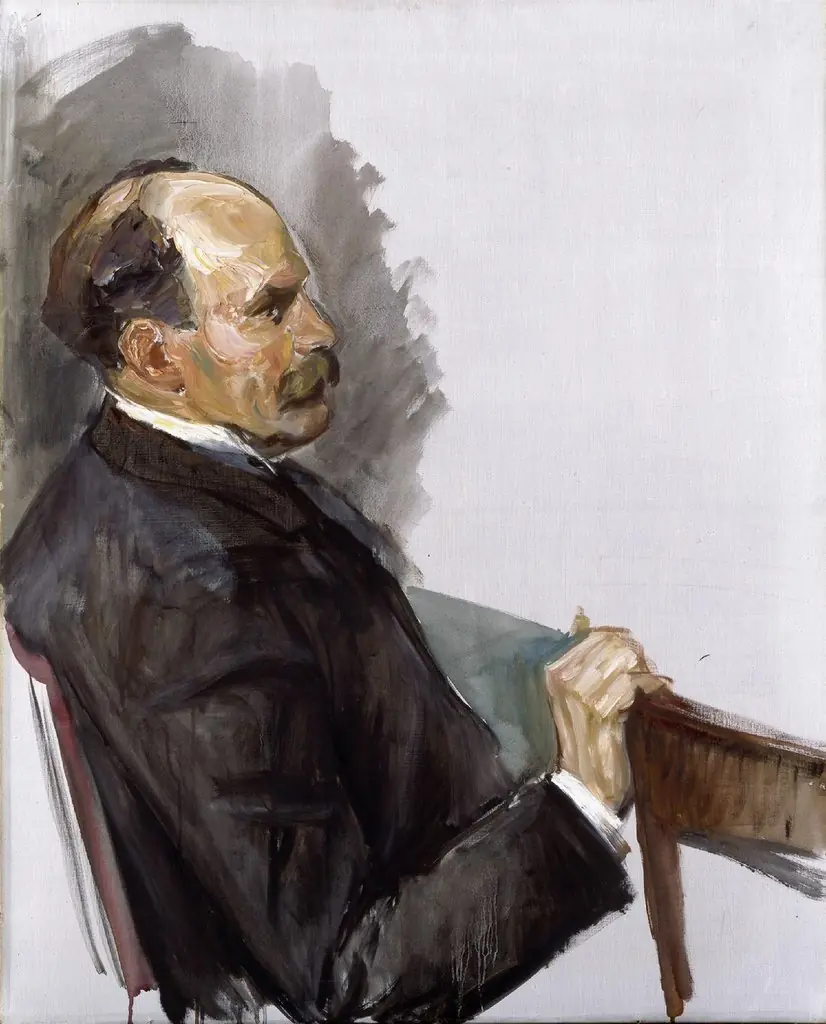 Professor Robert Münzel
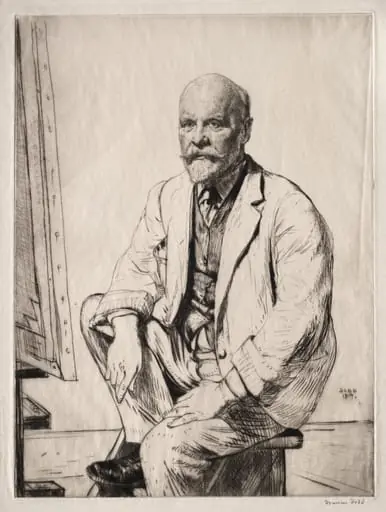 Sir George Claussen
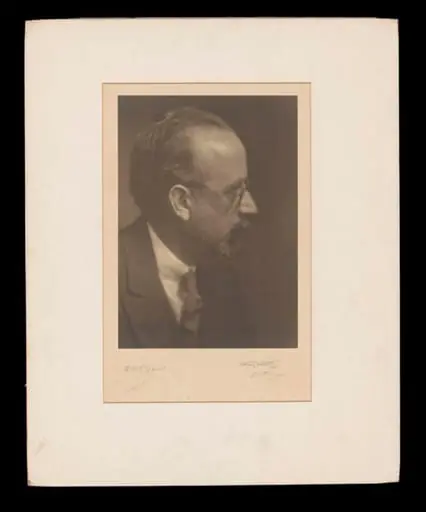 Portrait Dooner 'R.T. Dooner - Portrait Photographer, Philadelphia'
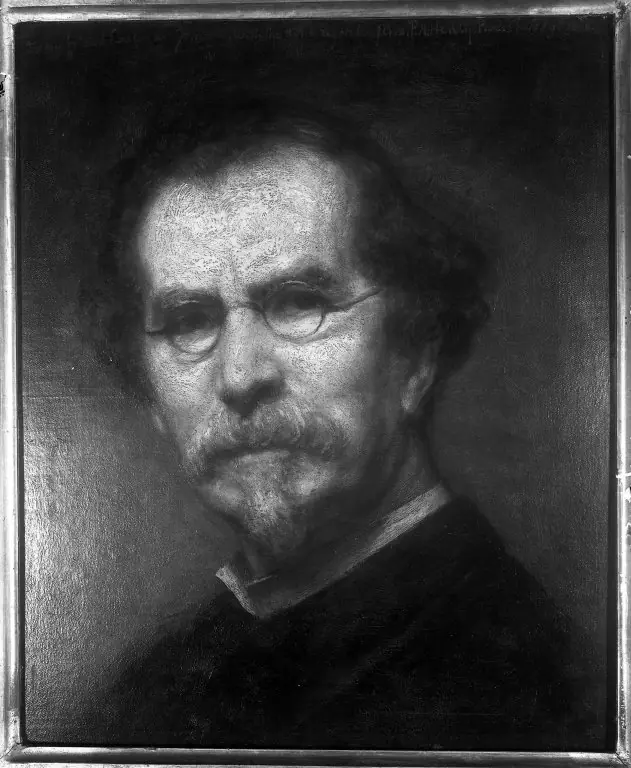 Selbstporträt
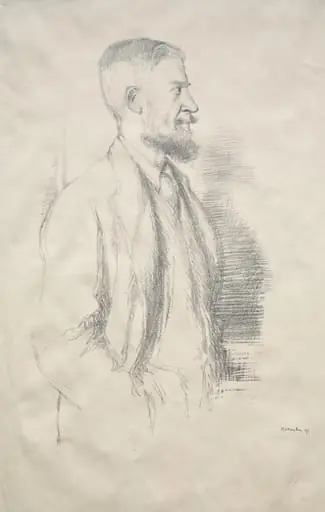 George Bernard Shaw
 Twelve Portraits: Rudyard Kipling
 Portrait of Mikołaj Brzeski