Artwork
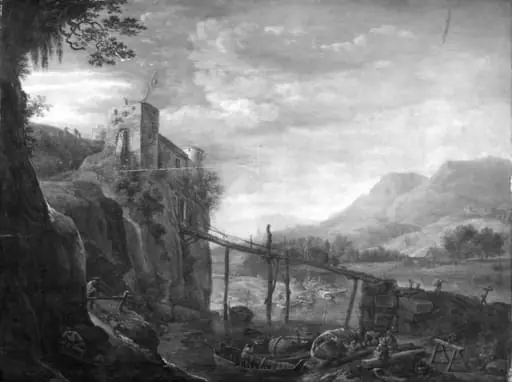
Ruin of a Castle on a Rock
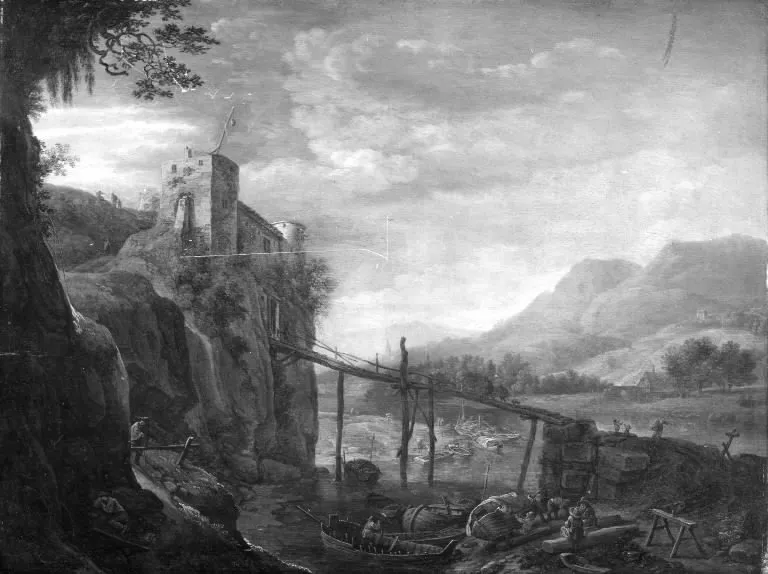
Ruin of a Castle on a Rock is an unspecified painting by the Dutch Golden Age artist Herman Saftleven. It dates from 1665 and is held in the collection of the Statens Museum for Kunst.
About this work
Overview
Herman Saftleven’s 1665 oil painting Ruin of a Castle on a Rock presents a desolate fortified structure perched on a sheer cliff.
Herman Saftleven’s 1665 oil painting Ruin of a Castle on a Rock presents a desolate fortified structure perched on a sheer cliff. The composition is dominated by a crumbling tower that merges with the surrounding rock, while a narrow river winds below, spanned by a precarious wooden bridge. A muted sky filled with heavy clouds casts a dim, diffuse light over the whole scene, emphasizing its somber atmosphere.
Subject & Meaning
The work depicts the decay of a once‑defensive edifice, now isolated and half‑engulfed by nature. Small figures near a boat and the fragile bridge suggest human activity persists despite the ruin, hinting at the transience of power and the endurance of everyday labor. The bleak lighting and looming clouds reinforce a mood of melancholy and the passage of time.
Technique & Style
Saftleven employs a strong chiaroscuro, contrasting deep shadows on the cliff and castle with the limited illumination from the overcast sky. Fine brushwork renders the texture of stone and water, while broader strokes suggest atmospheric haze. The palette is restrained, dominated by earth tones and muted blues, creating a cohesive, dramatic landscape typical of mid‑17th‑century Dutch scenery.
History & Provenance
Executed in 1665, the painting entered the collection of Denmark’s Statens Museum for Kunst, where it remains on display. Its acquisition reflects the museum’s focus on Northern European Baroque landscape painting, and the work has been documented in the museum’s catalogues since the early 20th century.
Context
Saftleven, a member of a prominent Dutch artistic family, was known for detailed topographical scenes and river landscapes. This piece aligns with contemporary interests in ruins as symbols of history and the sublime, echoing the broader European fascination with the decay of medieval architecture during the Dutch Golden Age.
Artist & collection

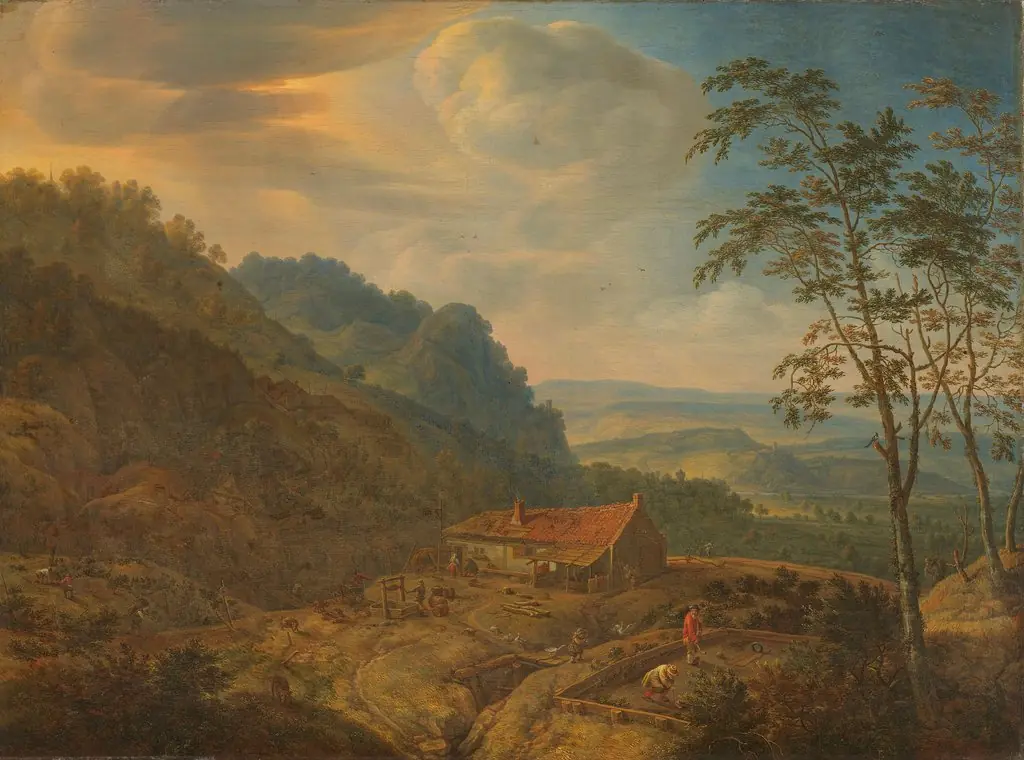
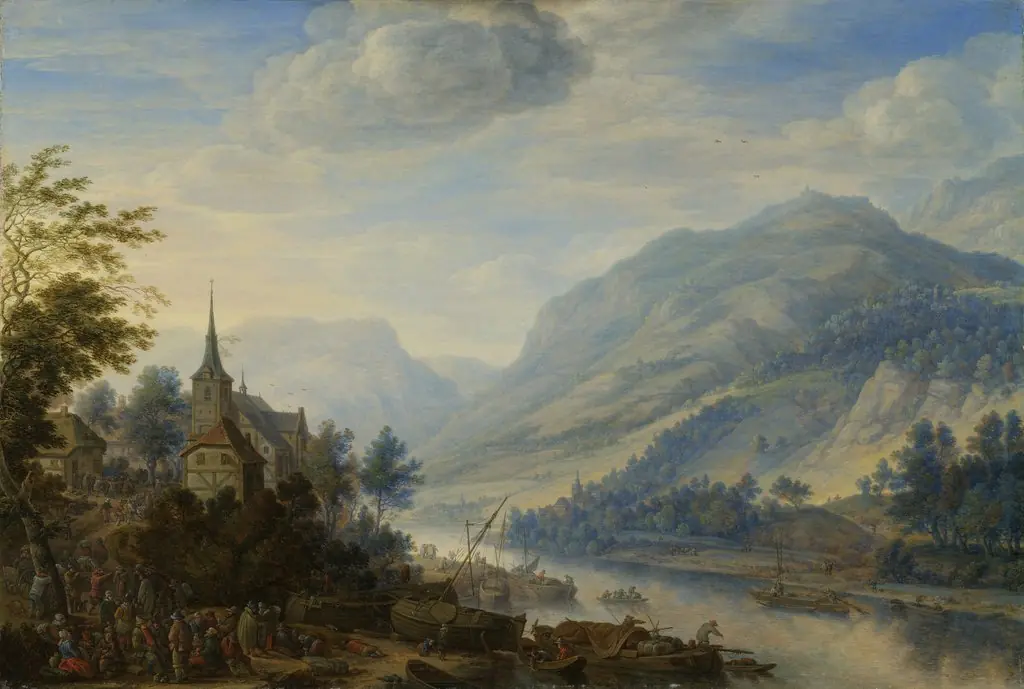
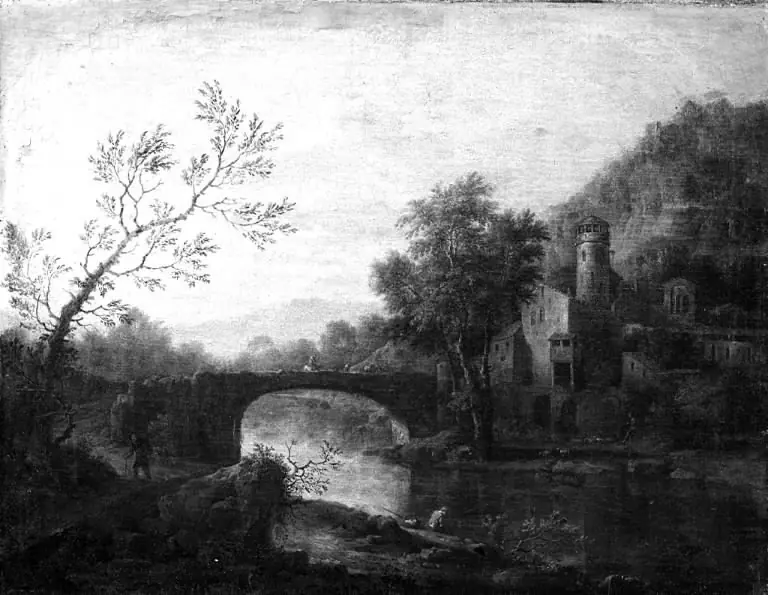 Landscape
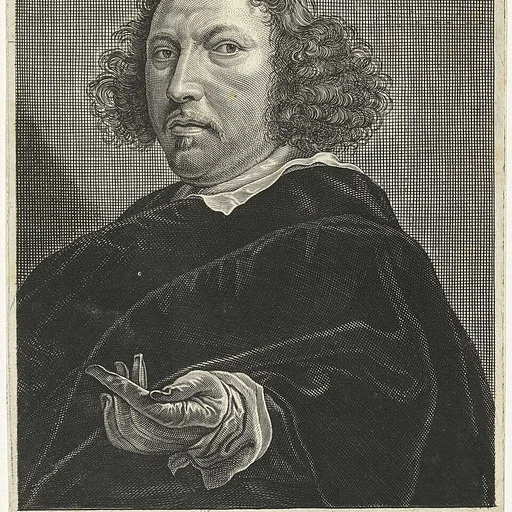
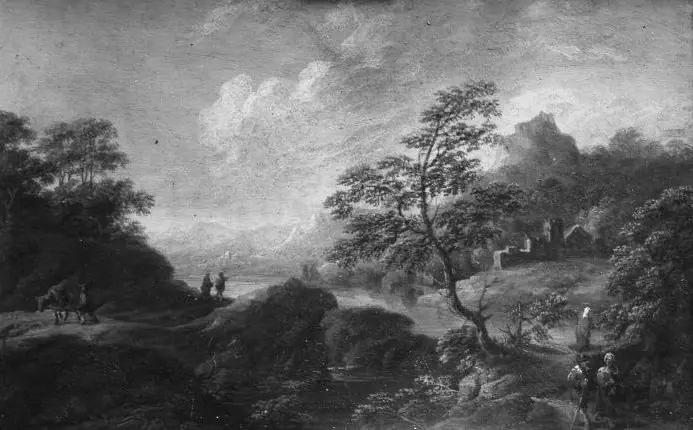 Landscape: Backside: copper engraving portrait of a man
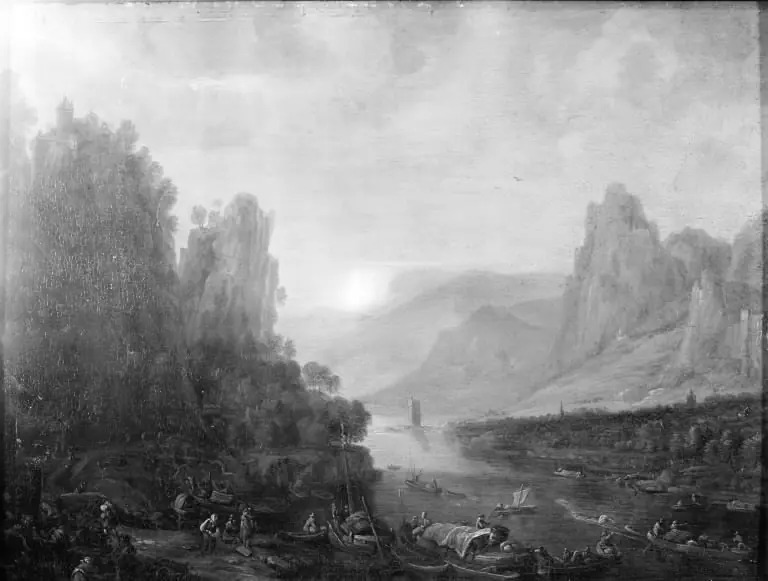
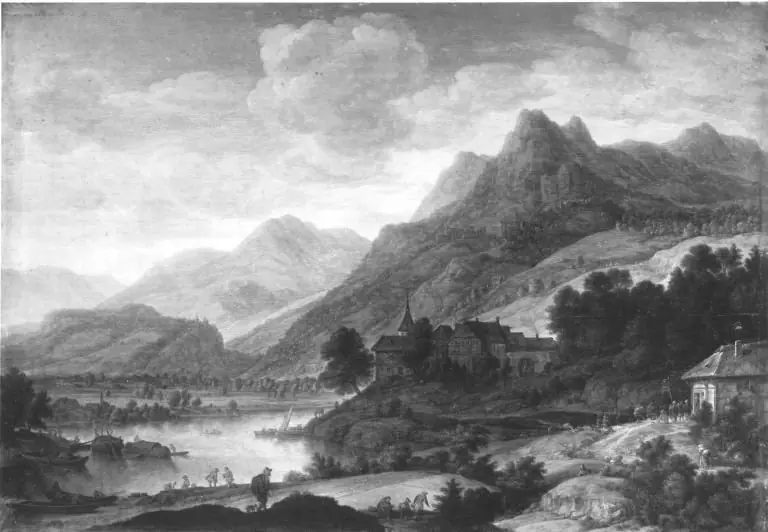 River landscape
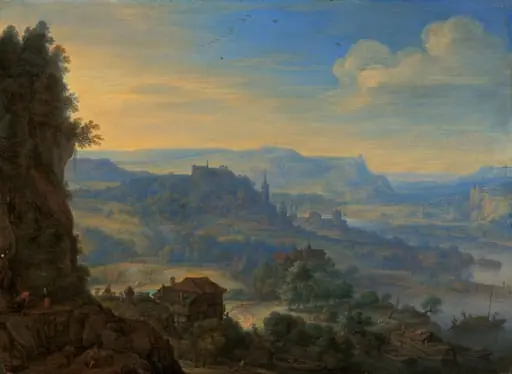
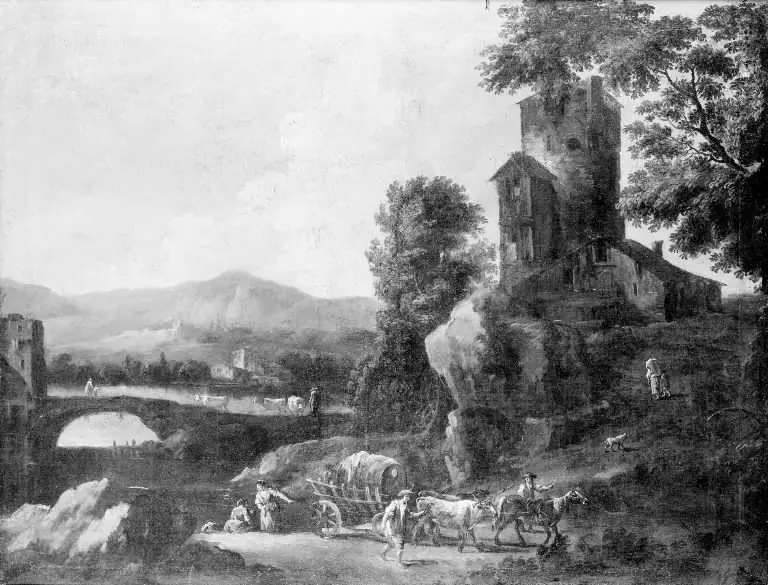 Mountain Landscape with Picturesque Buildings
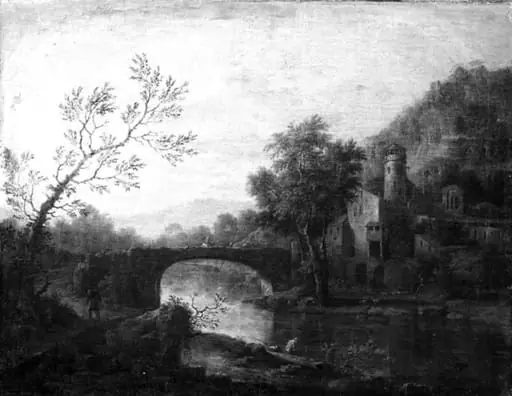 Landscape
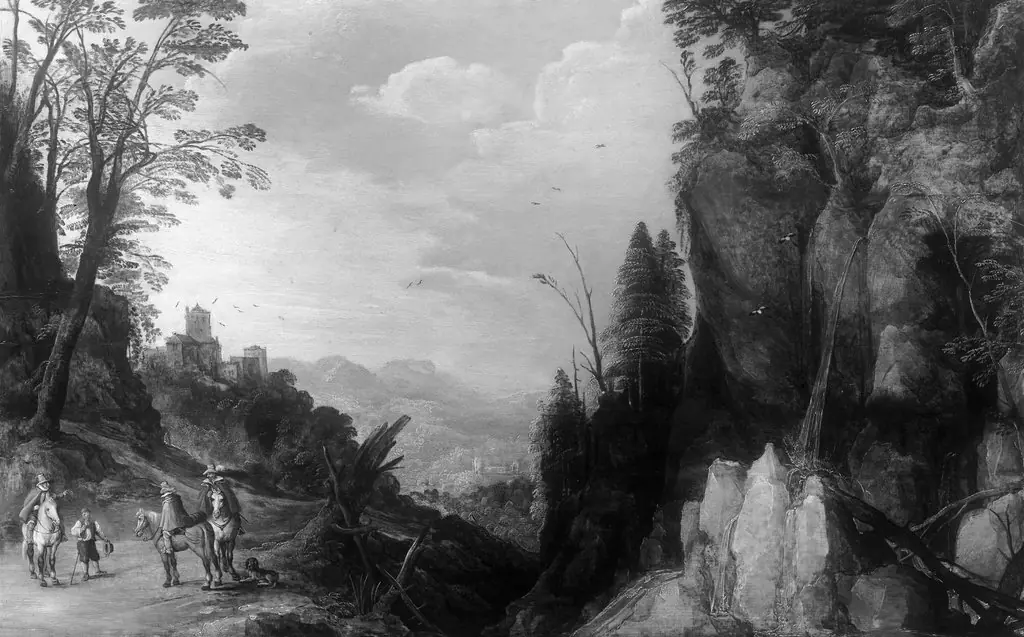 Mountain landscape with three riders
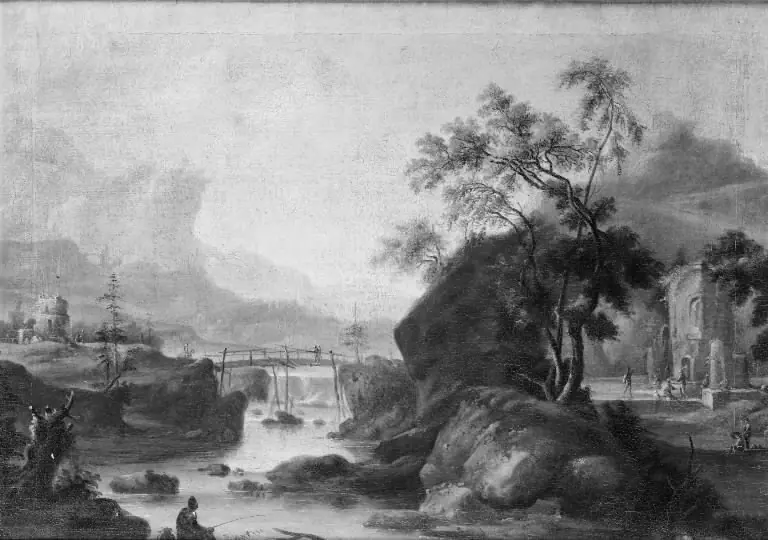 Landscape with a Bridge over a River
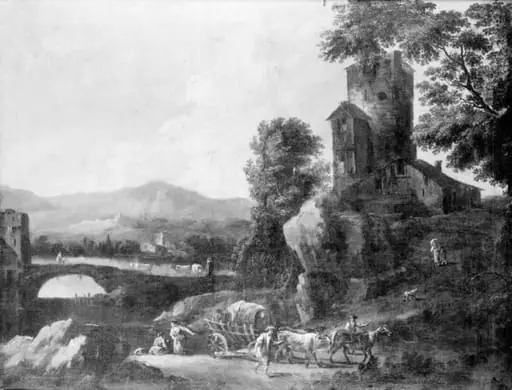 Mountain Landscape with Picturesque Buildings
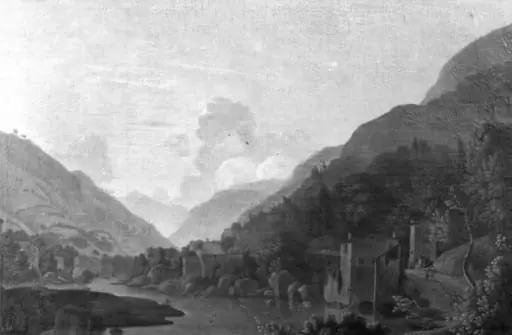 Landscape in Tyrol
 Landscape with a Bridge over a River
 Landscape with Mountains and Ruins
 Ruin of a Castle on a Rock