Artwork
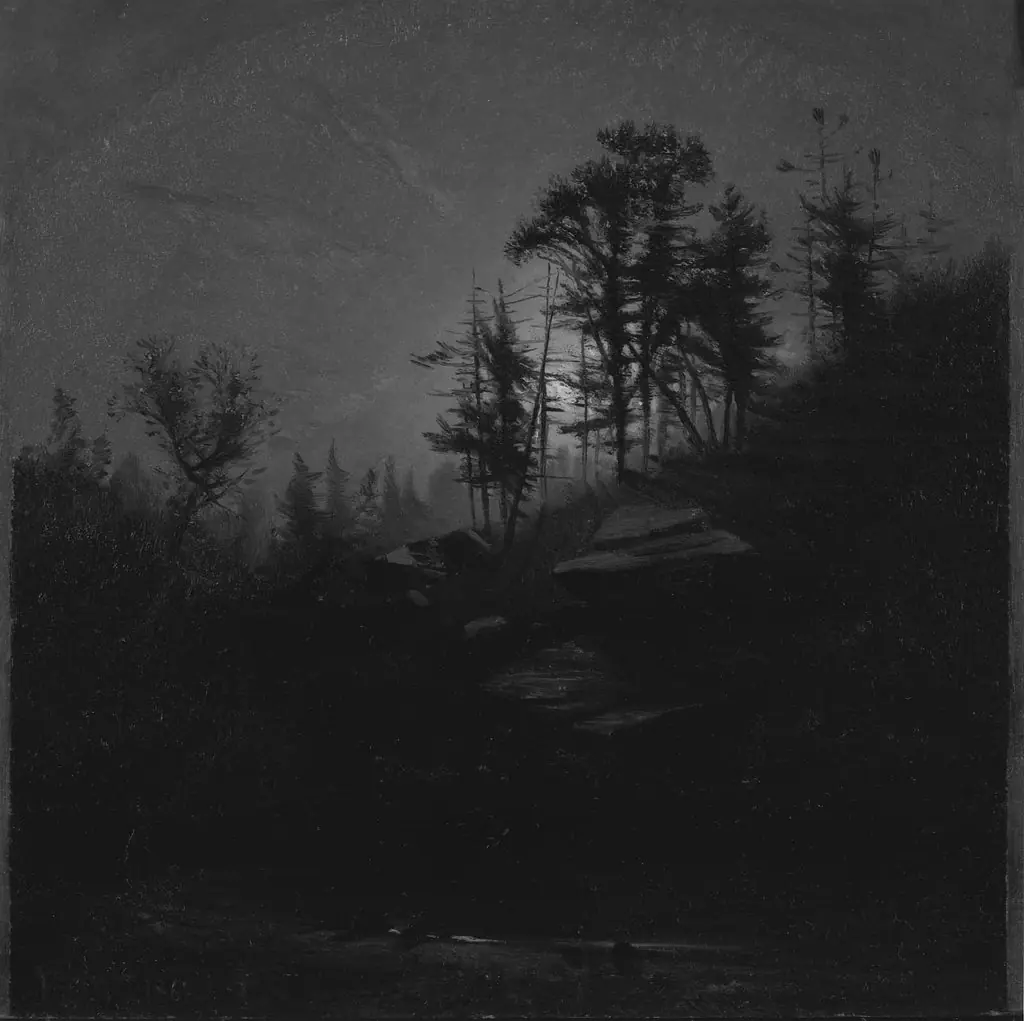
Moonlight, Woodstock
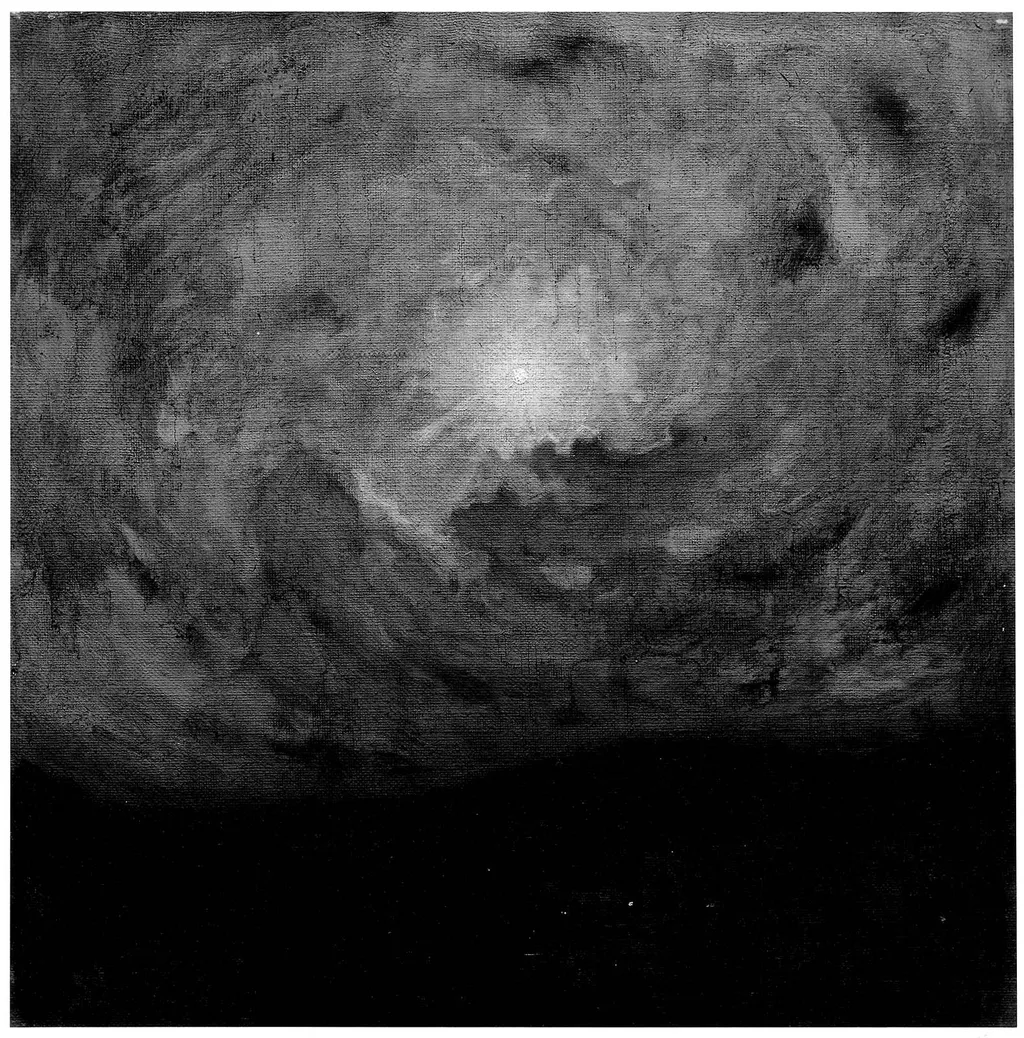
Moonlight, Woodstock is an oil painting by the Impressionist artist Hermann Dudley Murphy. It dates from 1905 and is held in the collection of the Museum of Fine Arts Boston.
About this work
Overview
Though known for still lifes, he frequently turned to nature for subject matter, particularly in the New England region.
Hermann Dudley Murphy painted *Moonlight, Woodstock* in 1905 using oil on canvas. The work captures a quiet rural scene at night, reflecting Murphy’s interest in atmospheric landscapes. Though known for still lifes, he frequently turned to nature for subject matter, particularly in the New England region. The painting resides in the Museum of Fine Arts, Boston, as part of its American art collection.
Subject & Meaning
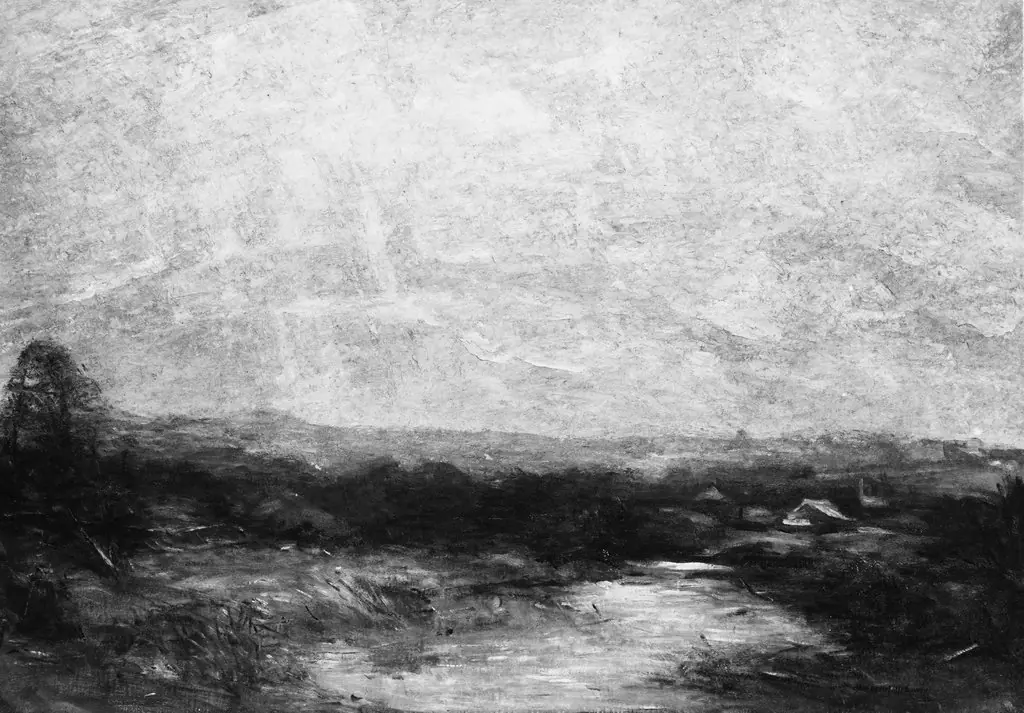
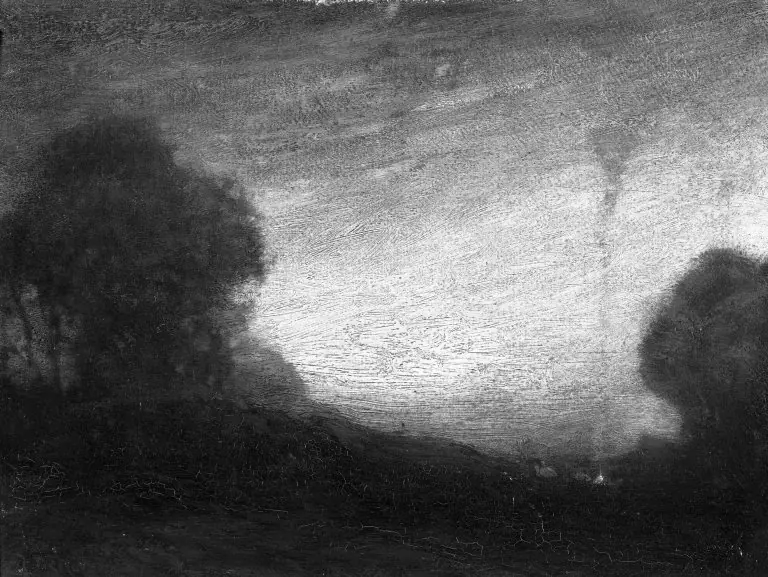
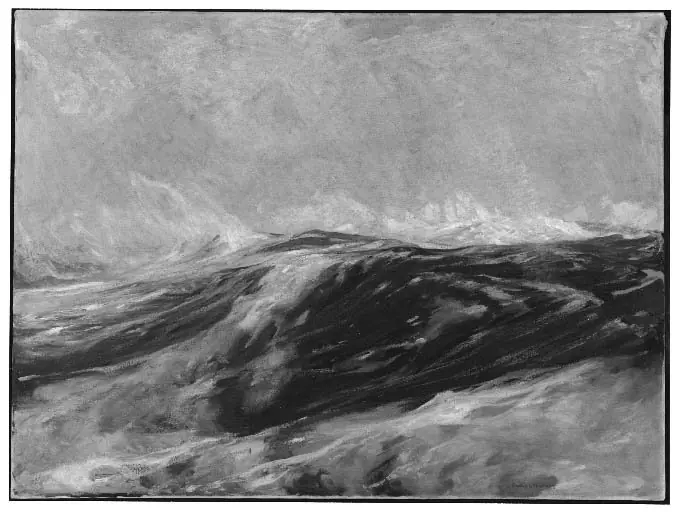
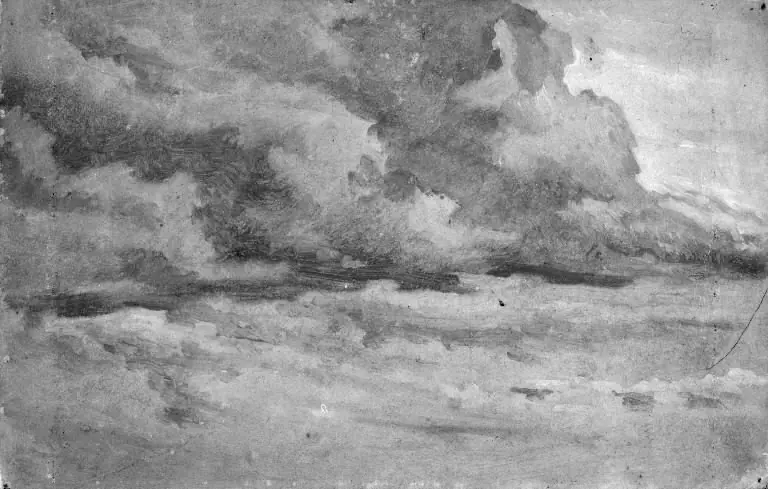
The painting portrays a tranquil woodland at night, with trees silhouetted against a pale sky and a faint structure visible in the distance. No human figures are present, emphasizing solitude and stillness. The absence of artificial light underscores a sense of natural calm, inviting contemplation rather than narrative. The scene reflects a quiet reverence for the nocturnal landscape, common in late 19th- and early 20th-century American art.
Technique & Style
Murphy employed subtle gradations of tone and soft brushwork to convey the diffused quality of moonlight. Colors are muted—cool grays, blues, and greens—creating depth without sharp contrasts. The technique avoids the vibrant hues of French Impressionism, instead favoring a restrained, lyrical approach. Light is suggested through delicate transitions rather than bold highlights, enhancing the painting’s quiet mood.
History & Provenance
Created during Murphy’s time in Woodstock, a known artists’ colony, the painting emerged from a community engaged with plein air practices and tonal aesthetics. It entered the Museum of Fine Arts, Boston’s collection in the early 20th century, likely through direct acquisition or donation. Its preservation reflects institutional interest in American landscape painting beyond the Hudson River School tradition.
Context
In the early 1900s, American artists increasingly turned to intimate, mood-driven landscapes rather than grand vistas. Woodstock, Vermont, attracted painters seeking solitude and natural light effects. Murphy’s work aligns with the Tonalist movement, which emphasized atmosphere and emotional resonance over detail. This context situates *Moonlight, Woodstock* within a broader shift toward introspective, subdued naturalism in American art.
Legacy
Though not widely exhibited today, the painting remains a representative example of early American Tonalism. It contributes to the understanding of how artists used light and restraint to evoke emotion without drama. Murphy’s blend of illustration discipline and landscape sensitivity influenced regional art education and the development of American tonal painting in the decades before modernism.
Artist & collection
Artist
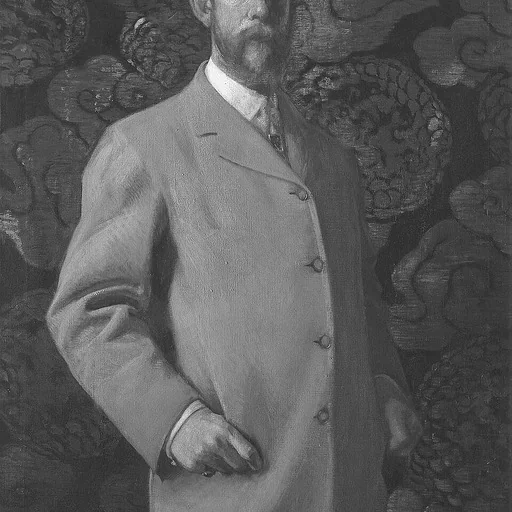
Hermann Dudley Murphy (25 August 1867, Marlborough, Massachusetts - 1945, Lexington, Massachusetts) was an American painter, known mostly for still-lifes and landscapes. He also worked as an illustrator, art teacher and frame designer.