Artwork
Moonlit Mountainside
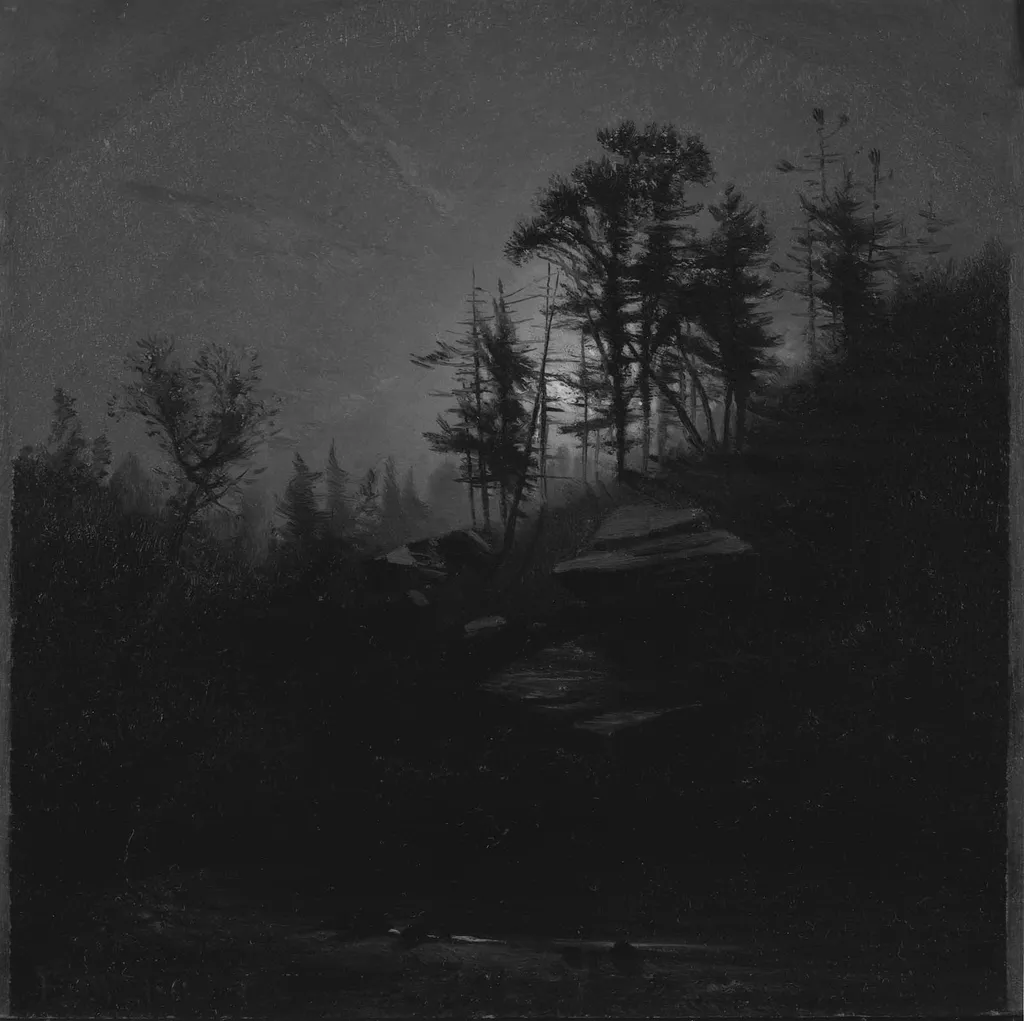
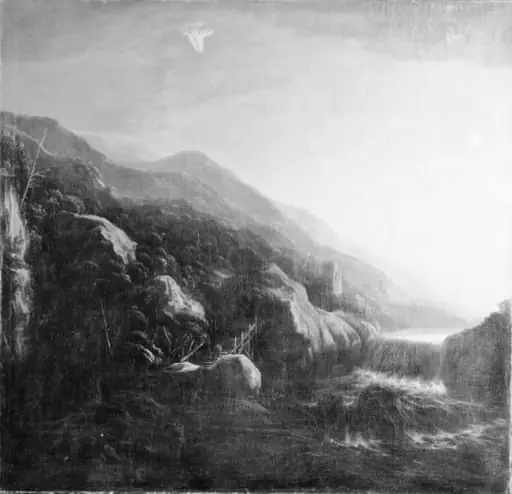
Moonlit Mountainside is an unspecified painting by the Hudson River School artist Frederick Dickinson Williams. It dates from 1861 and is held in the collection of the Museum of Fine Arts Boston.
About this work
Overview
It captures a nocturnal mountain landscape under moonlight, emphasizing the serene and sublime qualities of nature.
Painted in 1861 by Frederick Dickinson Williams, an American artist trained at Harvard and active as an educator, this work reflects the ideals of the Hudson River School. It captures a nocturnal mountain landscape under moonlight, emphasizing the serene and sublime qualities of nature. The painting is part of the Museum of Fine Arts, Boston’s permanent collection, where it contributes to the broader narrative of 19th-century American landscape painting.
Subject & Meaning
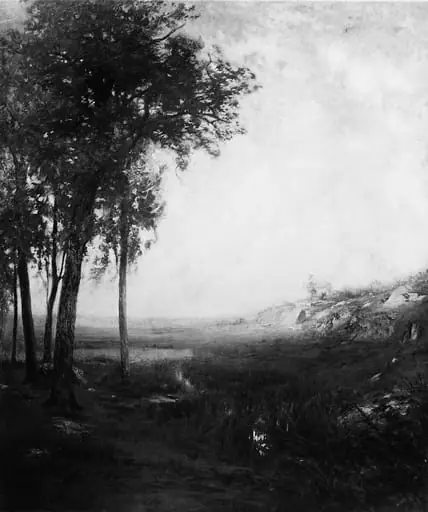
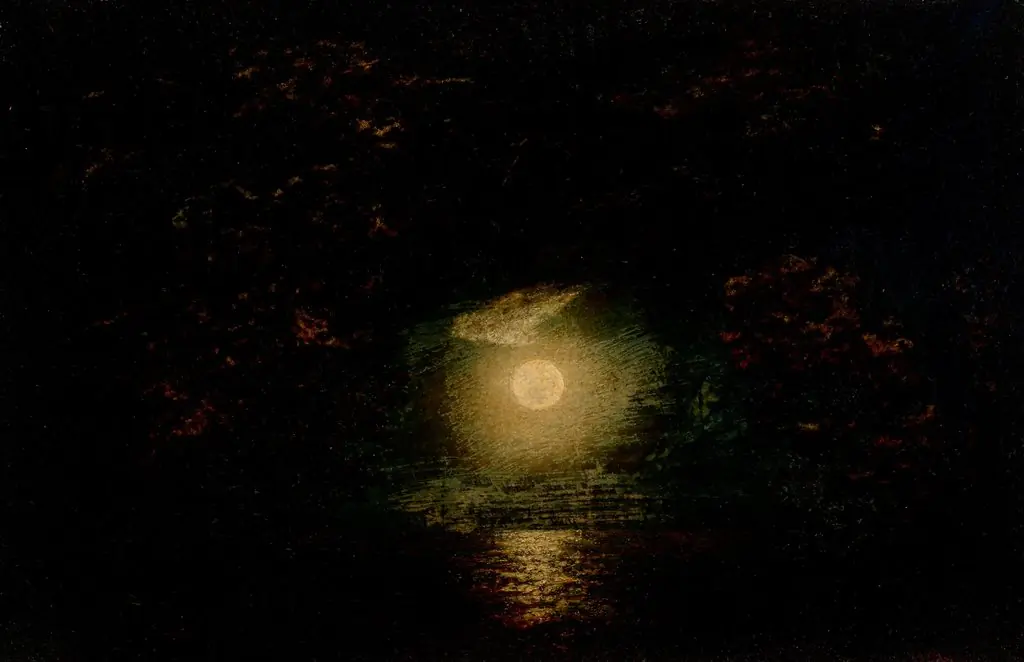
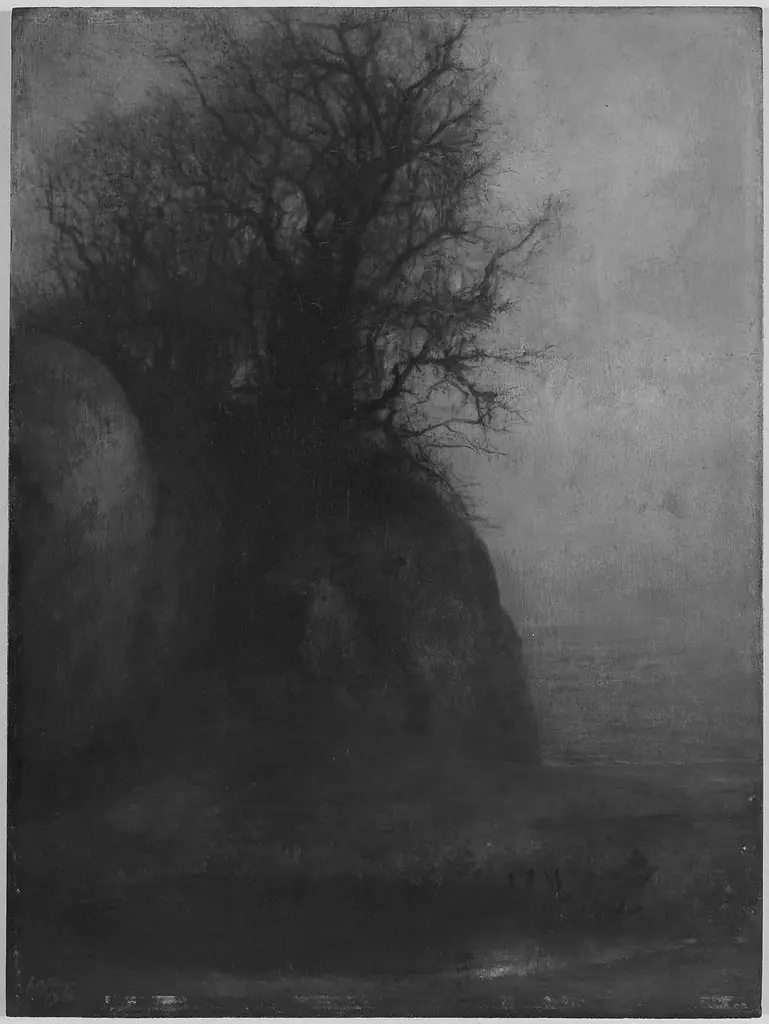
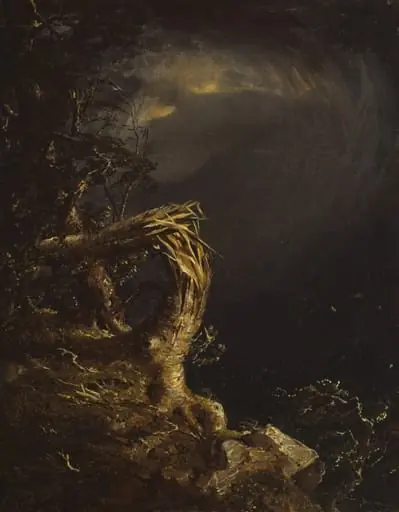
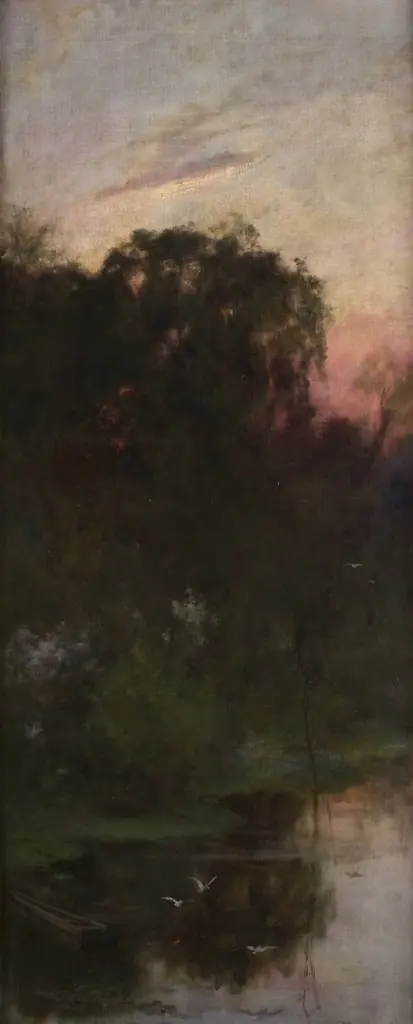
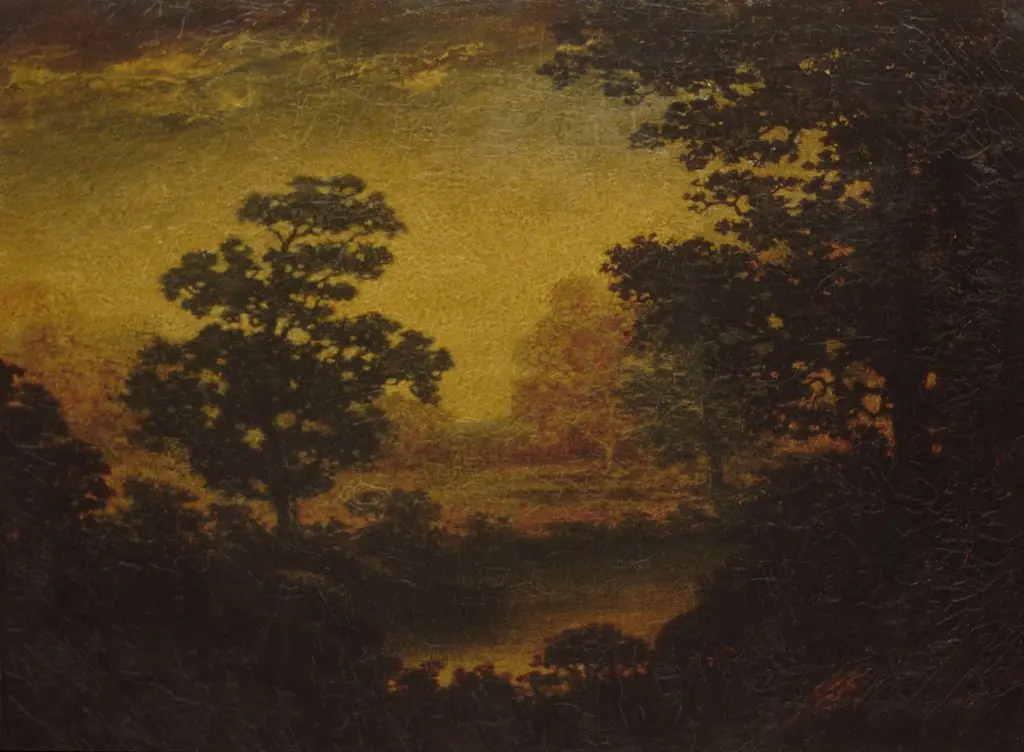
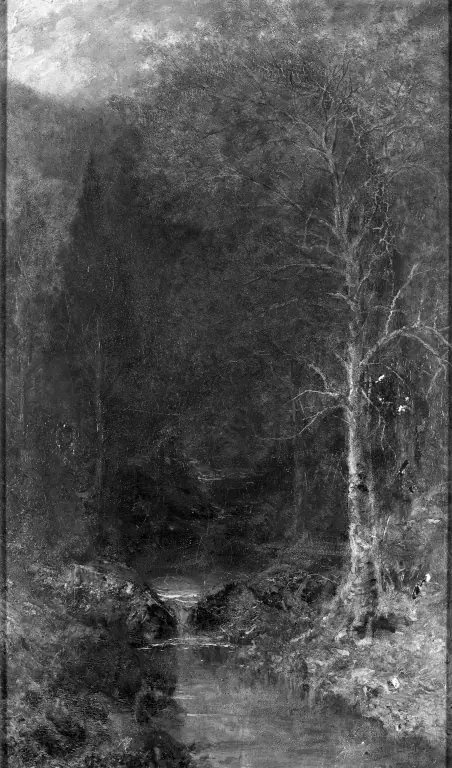
The scene depicts a rugged mountainside at night, with dense trees and exposed rock formations bathed in soft lunar light. The absence of human figures and the stillness of the composition invite contemplation, aligning with the Hudson River School’s reverence for nature as a spiritual force. The moon’s glow suggests quiet transcendence, reinforcing the era’s cultural belief in nature’s moral and aesthetic authority.
Technique & Style
Williams employs subtle contrasts of light and shadow to model the terrain, drawing on chiaroscuro to define form without harsh lines. The trees and rocks are rendered with careful detail, particularly in the foreground, where silhouettes emerge against the luminous sky. Brushwork remains controlled, preserving the movement’s emphasis on realism while enhancing the atmospheric mood through tonal gradations.
History & Provenance
Created during the height of the Hudson River School’s influence, the painting entered the Museum of Fine Arts, Boston’s collection in the late 19th or early 20th century. Its preservation reflects institutional interest in regional American art. While Williams was not among the movement’s most prominent figures, this work remains a representative example of lesser-known artists who contributed to its visual language.
Context
In 1861, as the United States stood on the brink of civil war, many artists turned to landscapes as a means of expressing national identity and emotional refuge. The Hudson River School’s focus on untouched wilderness resonated with a public seeking stability and moral clarity. Williams’s nocturnal scene fits within this trend, offering a tranquil vision of nature amid national uncertainty.
Legacy
Though not widely exhibited today, the painting endures as a quiet testament to the Hudson River School’s enduring fascination with light and landscape. It exemplifies how lesser-known artists expanded the movement’s themes through personal interpretations of natural phenomena. Its presence in a major museum ensures continued access for study and reflection on 19th-century American aesthetic values.
Own this work as a print
Artist & collection
Artist
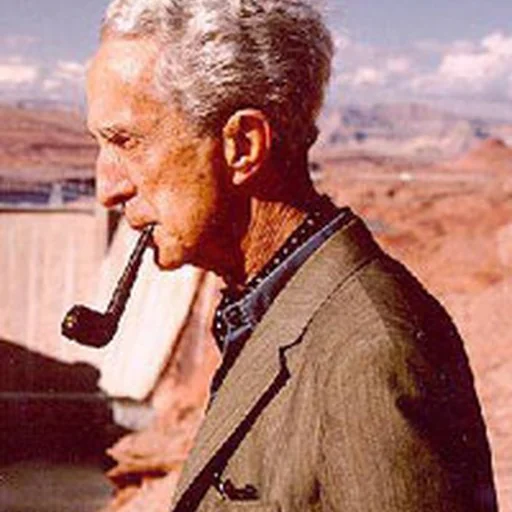
Frederick Dickinson Williams (1829–1915) was an American landscape artist. He had studied at the Harvard University and started his career as a school arts teacher.