Artwork
Peisaj de iarnă
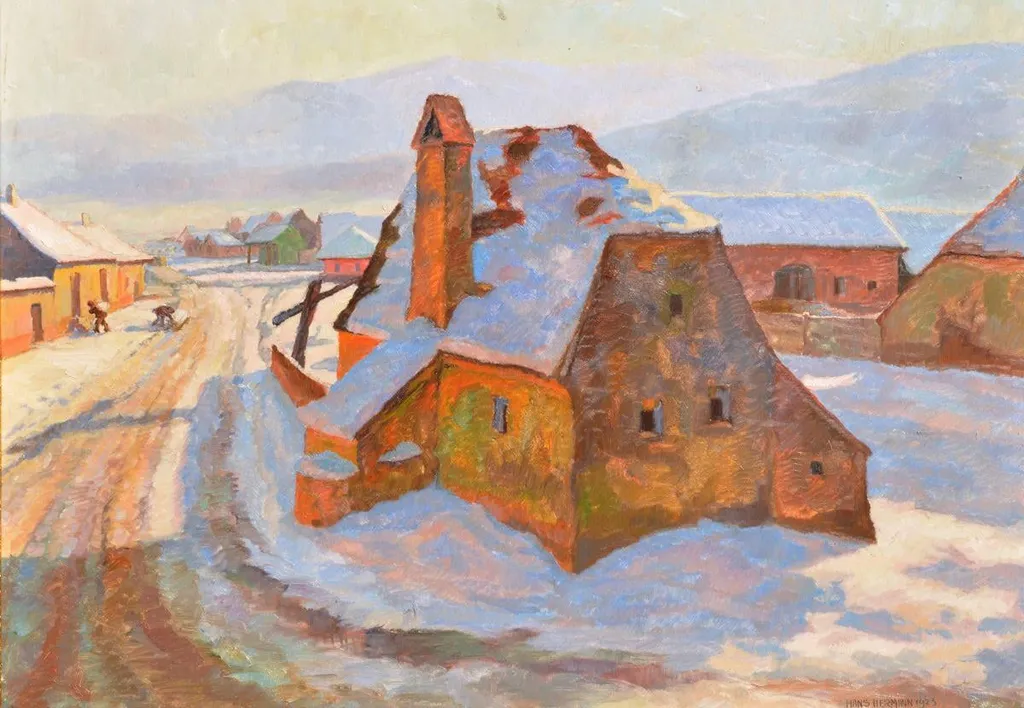
Peisaj de iarnă is an unspecified painting by Hans Hermann. It dates from 1910 and is held in the collection of the Brukenthal National Museum.
About this work
Overview
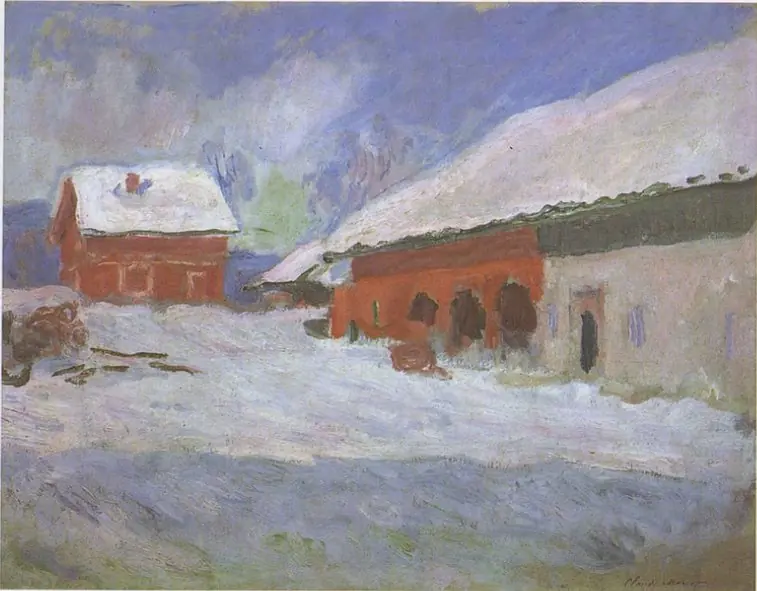
Painted around 1910 by Hans Hermann, Peisaj de iarnă is a quiet winter landscape depicting a small village nestled under snow.
Painted around 1910 by Hans Hermann, Peisaj de iarnă is a quiet winter landscape depicting a small village nestled under snow. The scene captures stillness and solitude, with minimal human presence—a lone figure and a dog moving along a path. The composition avoids grandeur, focusing instead on the subtle textures and uneven contours of rural buildings and frozen ground, rendered with deliberate, tactile brushwork.
Subject & Meaning
The painting presents an unidealized winter village, where the weight of snow settles heavily on crooked rooftops and narrow streets. The sparse figures suggest daily life continuing despite the cold, evoking resilience rather than romance. The worn, earth-toned buildings peeking through the white imply age and endurance, grounding the scene in quiet realism rather than nostalgic fantasy.
Technique & Style
Hermann employed thick, deliberate brushstrokes to build the snow’s surface, creating a tactile, almost sculptural quality. The impasto technique gives texture to the drifts and rooftops, while the leaning structures and uneven lines introduce a sense of organic imperfection. Warm undertones in the wood and brick emerge through the snow, adding subtle contrast without disrupting the muted winter palette.
History & Provenance
The painting’s early 20th-century origin places it within a period when European artists increasingly turned to everyday rural life as subject matter. While specific ownership history is not widely documented, its style aligns with regional traditions in Central and Eastern European landscape painting of the time, emphasizing authenticity over idealization.
Context
Created during a time of rapid industrialization, Peisaj de iarnă reflects a lingering interest in pre-modern village life. Its quiet, unembellished view contrasts with the dynamism of urban centers, offering a contemplative space where nature and architecture coexist in fragile balance. The work resonates with broader European trends favoring intimate, observational realism.
Legacy
Though not widely exhibited or reproduced, the painting contributes to a quieter strand of early 20th-century landscape art that valued texture, atmosphere, and emotional restraint. Its emphasis on material presence—snow as physical substance, buildings as lived-in forms—continues to inform approaches to naturalism in regional art traditions.
Artist & collection

Artist
Hans Hermann was a German composer mostly known for his Lieder, a double-bassist and music educator.

 Peisaj - Iarna
 Iarnă
Iarnă Suviranta
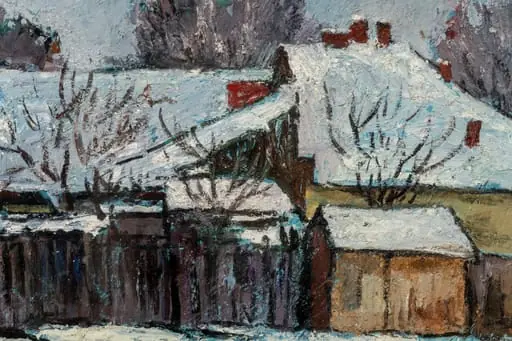 A bătut iarna la poartă
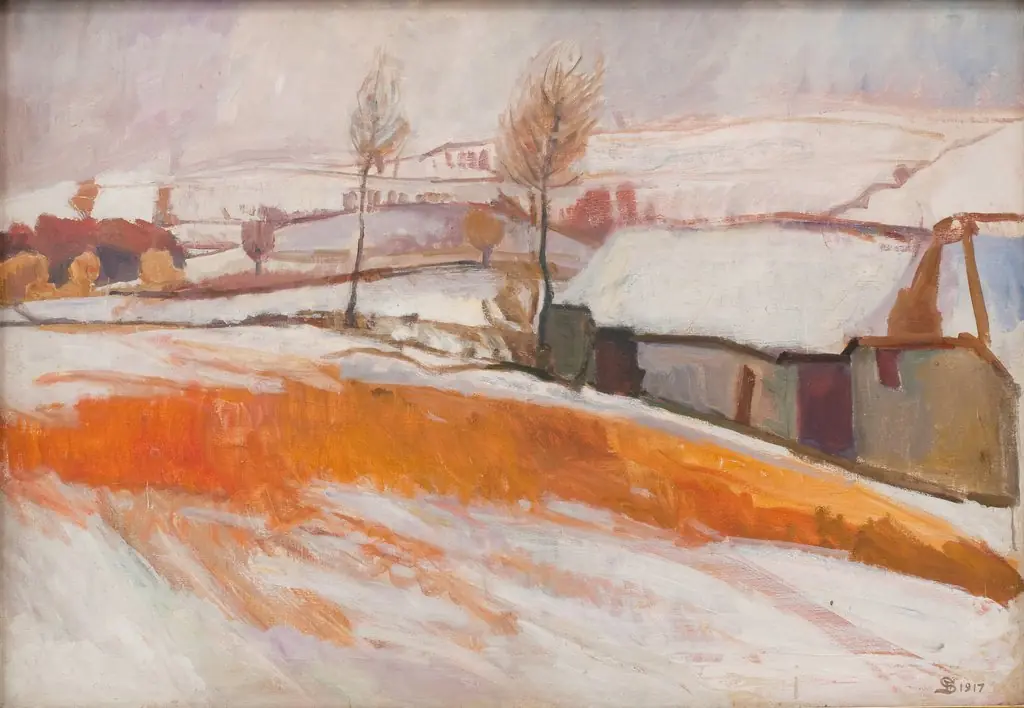 Winter Landscape. Over Kærby Hill.
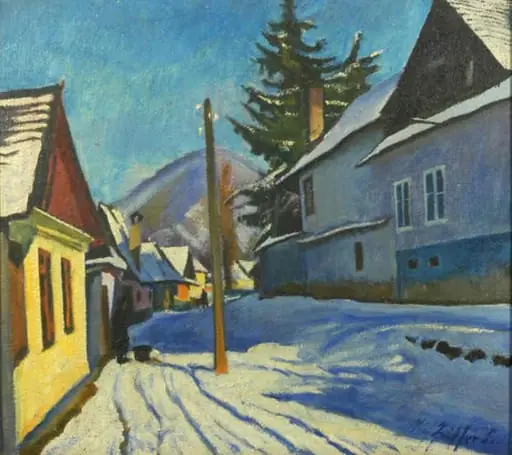 Iarna pe ulița minerilor
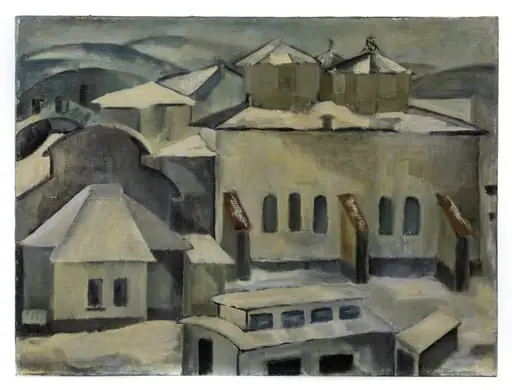 Veche ctitorie Sf. Sava
 Montagne Sainte-Victoire, from near Gardanne
 Paysage de Norvège. Les maisons bleues
 Hanul Steriadi (Han din vechiul București)
 Mahala
 Norvège, les maisons rouges à Björnegaard