Artwork
Portrait of Suzanna Cornelia Mogge and her Daughter Johanna Ferdinanda van Collen
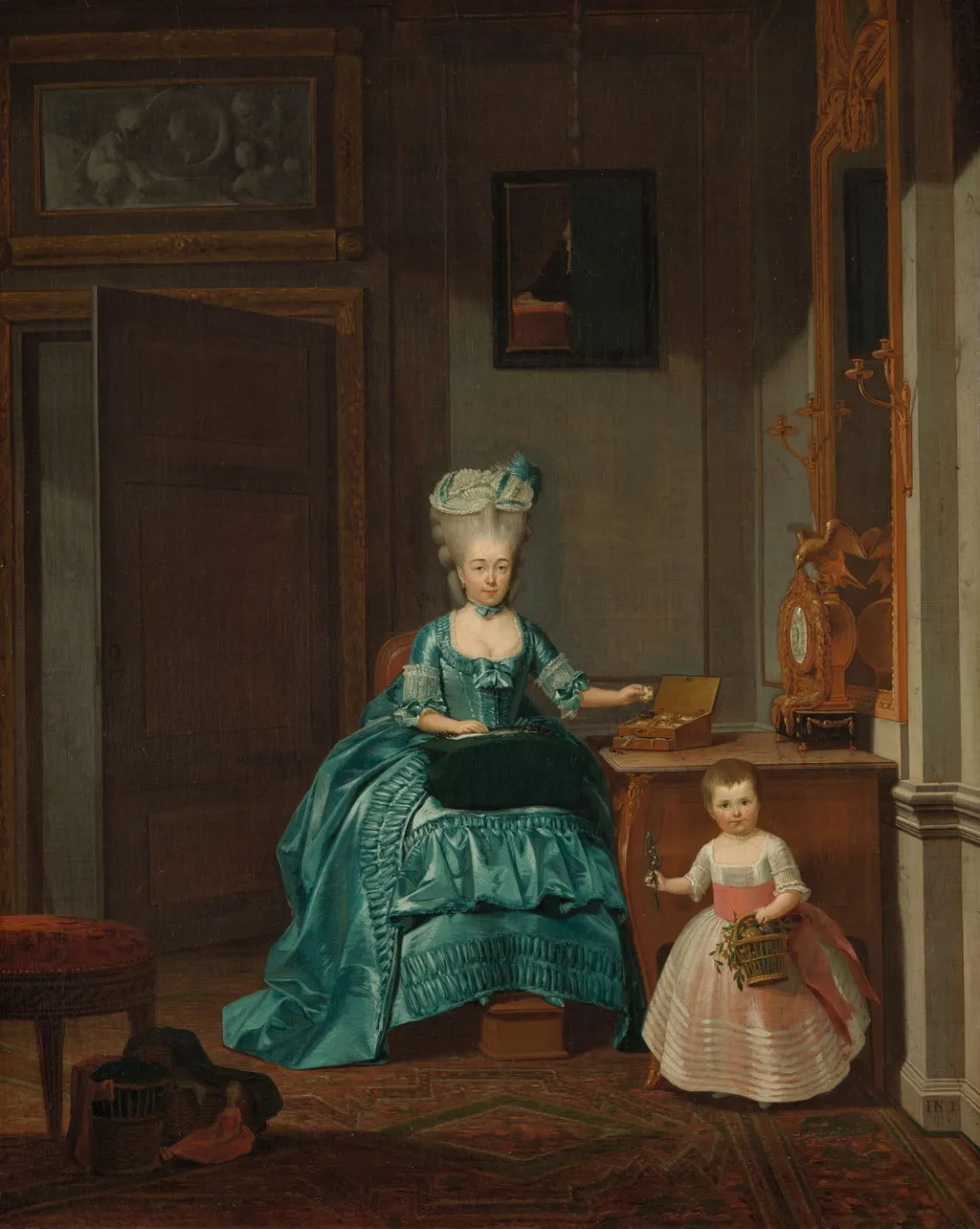
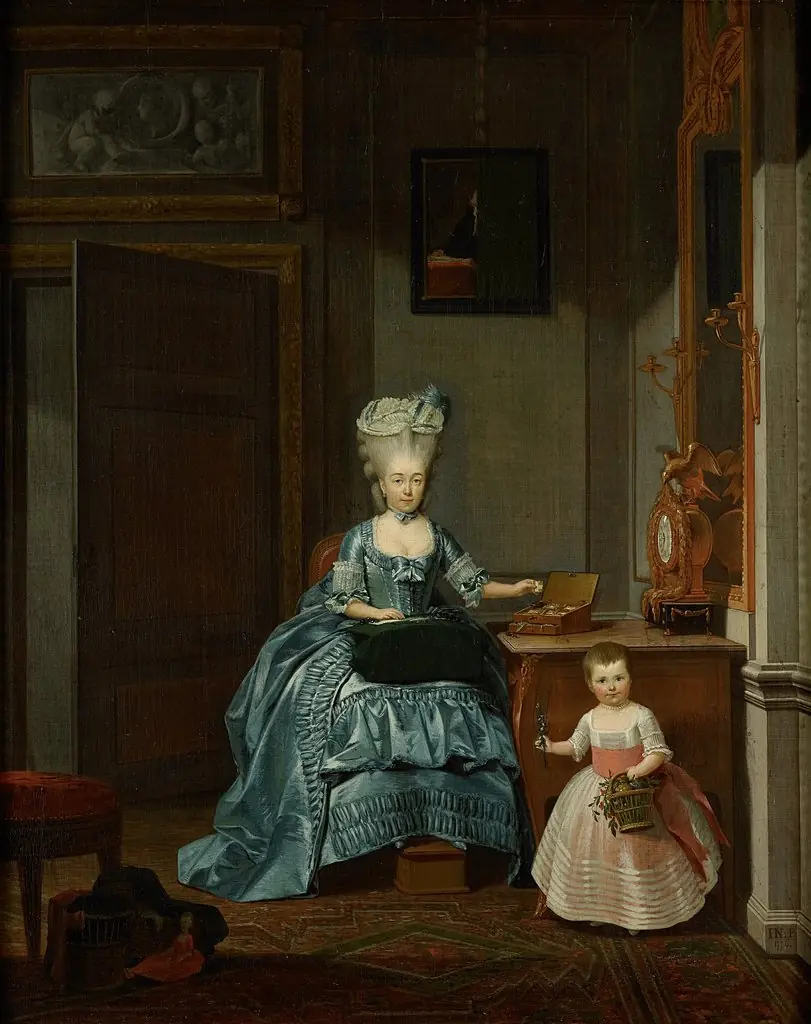
Portrait of Suzanna Cornelia Mogge and her Daughter Johanna Ferdinanda van Collen is an unspecified painting by the Rococo painting artist Hermanus Numan. It dates from 1776 and is held in the collection of the Rijksmuseum. The canvas presents Susanna Cornelia Mogge, aged twenty‑three, seated beside her young daughter, Johanna Ferdinanda van Collen.
About this work
Overview
The canvas presents Susanna Cornelia Mogge, aged twenty‑three, seated beside her young daughter, Johanna Ferdinanda van Collen. Both figures are framed by a painted portrait of a man hanging on the wall behind them, identified as Susanna’s first husband, who had died before her remarriage to the banker Hendrik Muilman.
Subject & Meaning
The composition juxtaposes the present marriage celebration with a lingering memory of loss: Susanna’s elegant blue dress and elevated coiffure signal the wedding’s joyous atmosphere, while the solemn presence of her late husband’s likeness and the child’s composed expression hint at the family’s recent bereavement.
Technique & Style
Executed in a restrained, formal manner, the work employs a restrained palette dominated by the deep blue of the sitter’s gown. The figures are rendered with a smooth finish and a slightly stiff posture, characteristic of early‑eighteenth‑century Dutch portraiture, emphasizing status and decorum over naturalistic movement.
History & Provenance
At the time of this portrait Susanna brought to her new household the estate of Haamstede Castle near Zierikzee, together with the Zeeland seigneuries of Koudekerke and Welland, underscoring the substantial dowry accompanying her second marriage. The painting’s provenance traces back to the Mogge family, though the artist’s identity remains unknown.
Context
The inclusion of the deceased husband’s portrait reflects a common practice among Dutch elites of the period, where memorial images were retained in domestic settings to honor lineage and maintain continuity across remarriages. The work thus records both personal grief and the social conventions surrounding remarriage among the affluent.
Legacy
Although the artist’s name has not survived, the painting offers valuable insight into the domestic and marital customs of early‑18th‑century Dutch aristocracy, illustrating how portraiture functioned as a visual record of family alliances, property transfer, and the negotiation of memory within the household.
Own this work as a print
Artist & collection
Artist
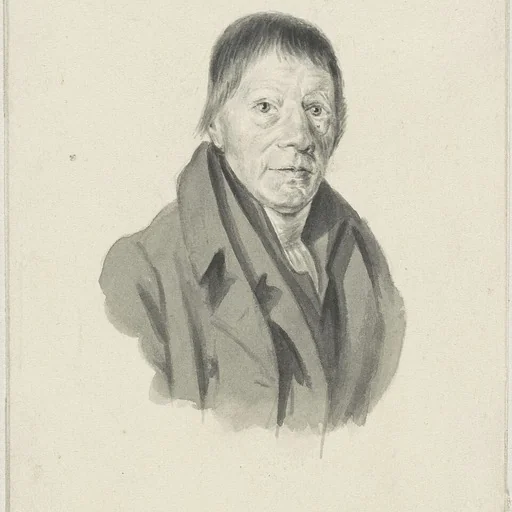
Hermanus Numan (1744 – 9 March 1820) was a Dutch painter, draftsman, pastellist, etcher, engraver, watercolorist, set painter, decorator (interiors), art theorist, and publisher.

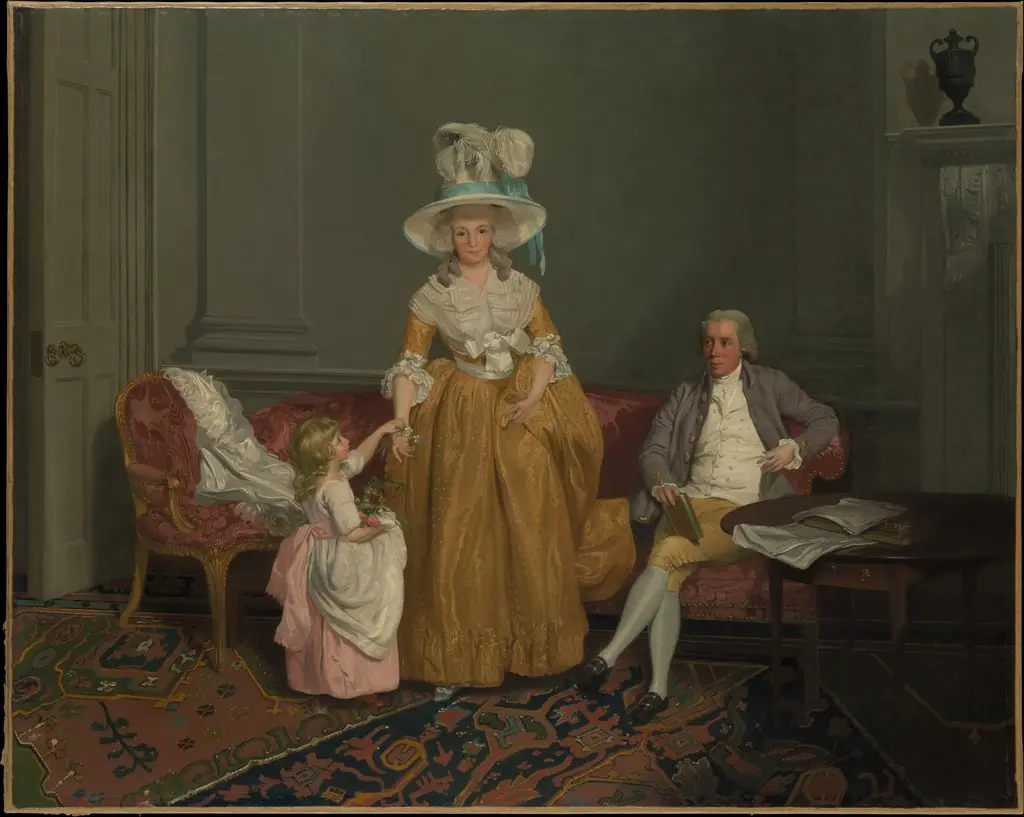 The Saithwaite Family
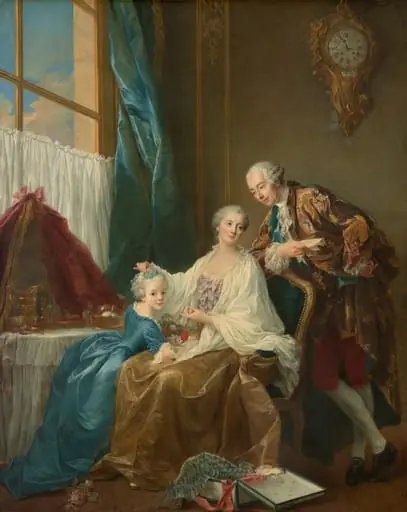 Family Portrait
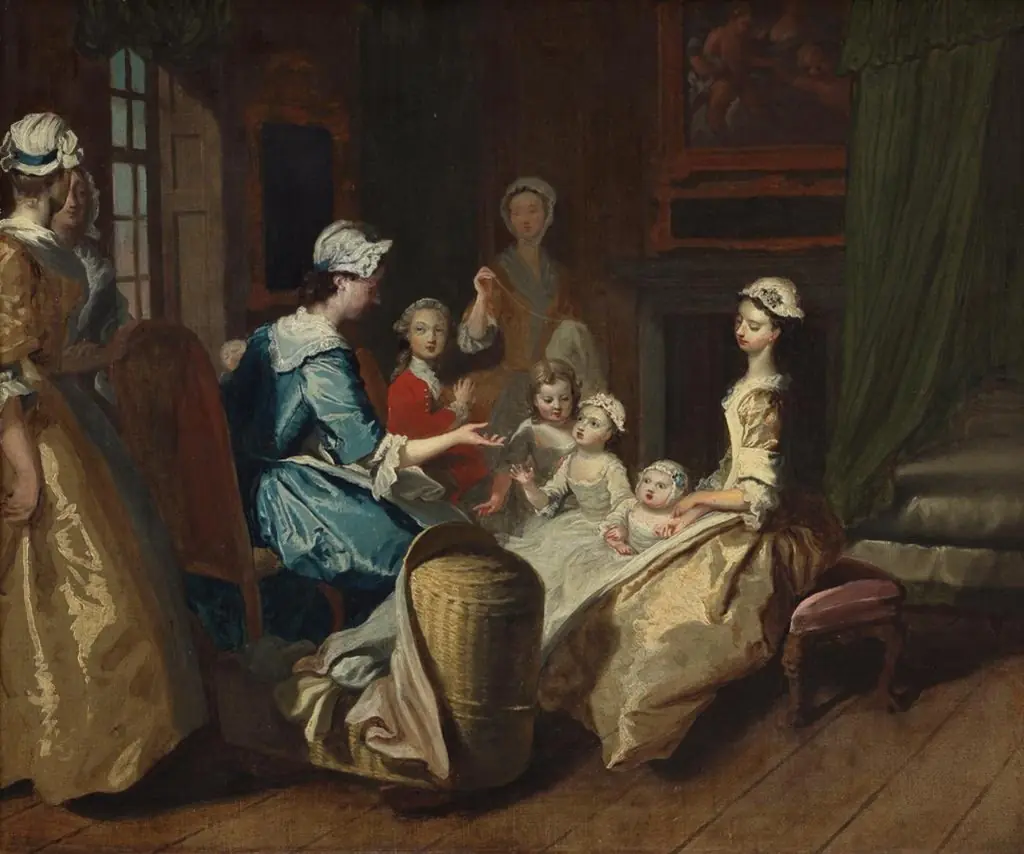 Pamela tells a nursery tale
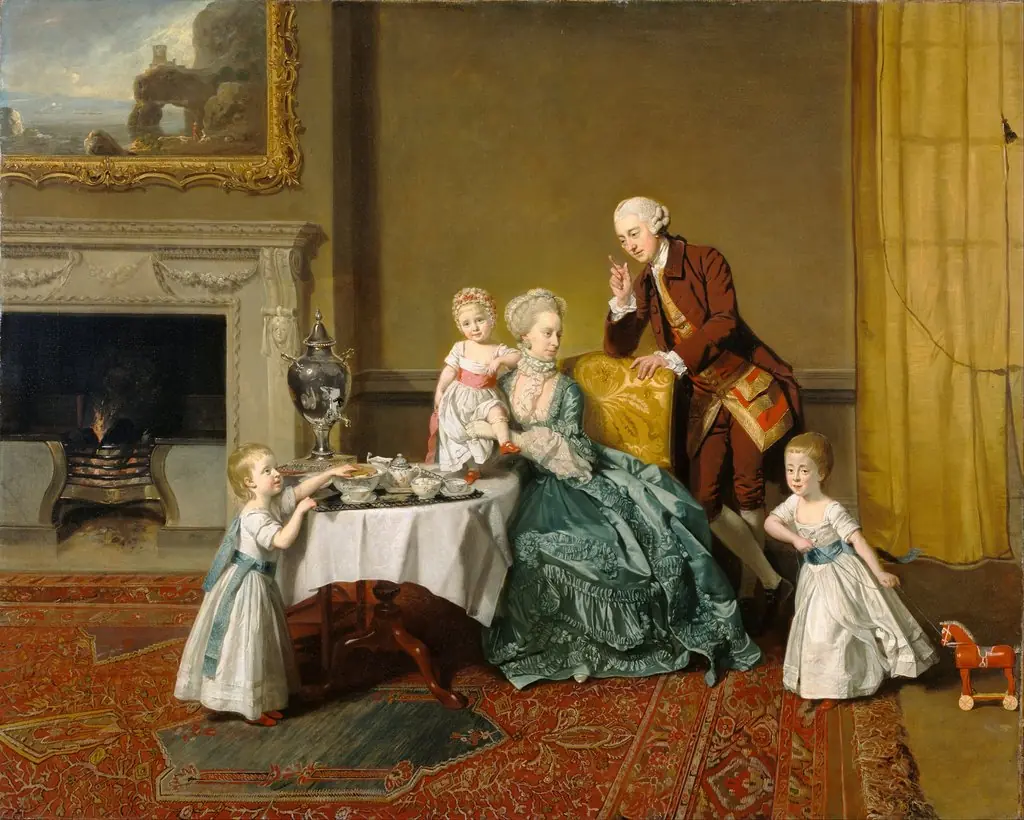 John, Fourteenth Lord Willoughby de Broke, and his Family
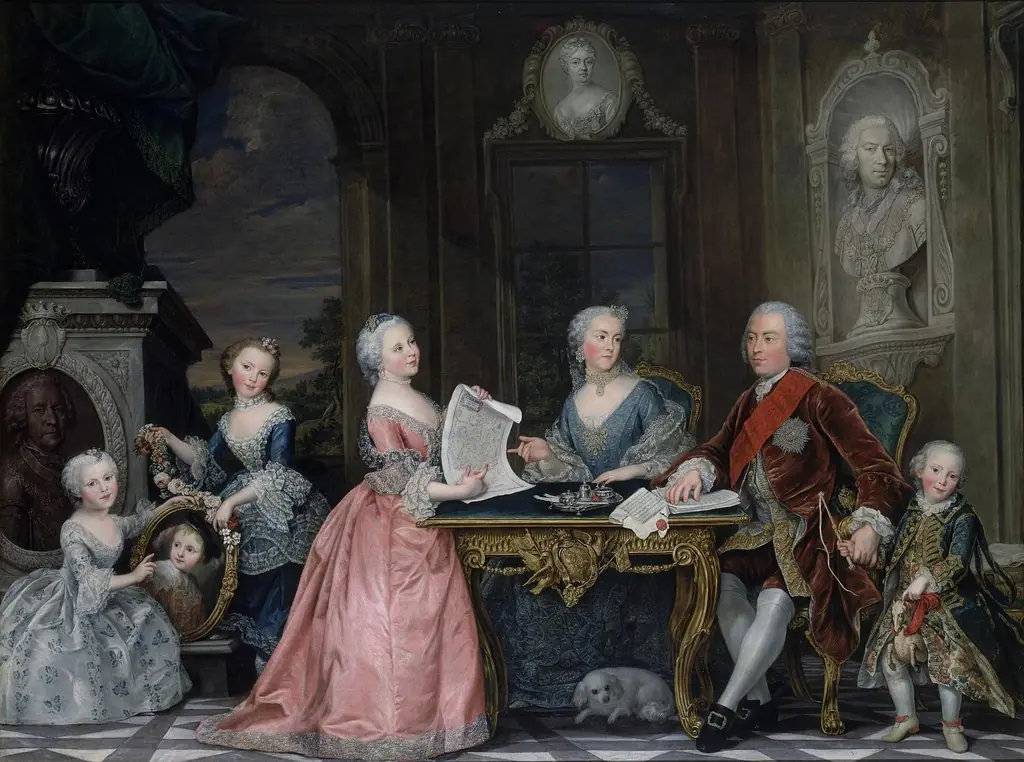 Portrait of Ambassador P.G. Chernyshev with Family
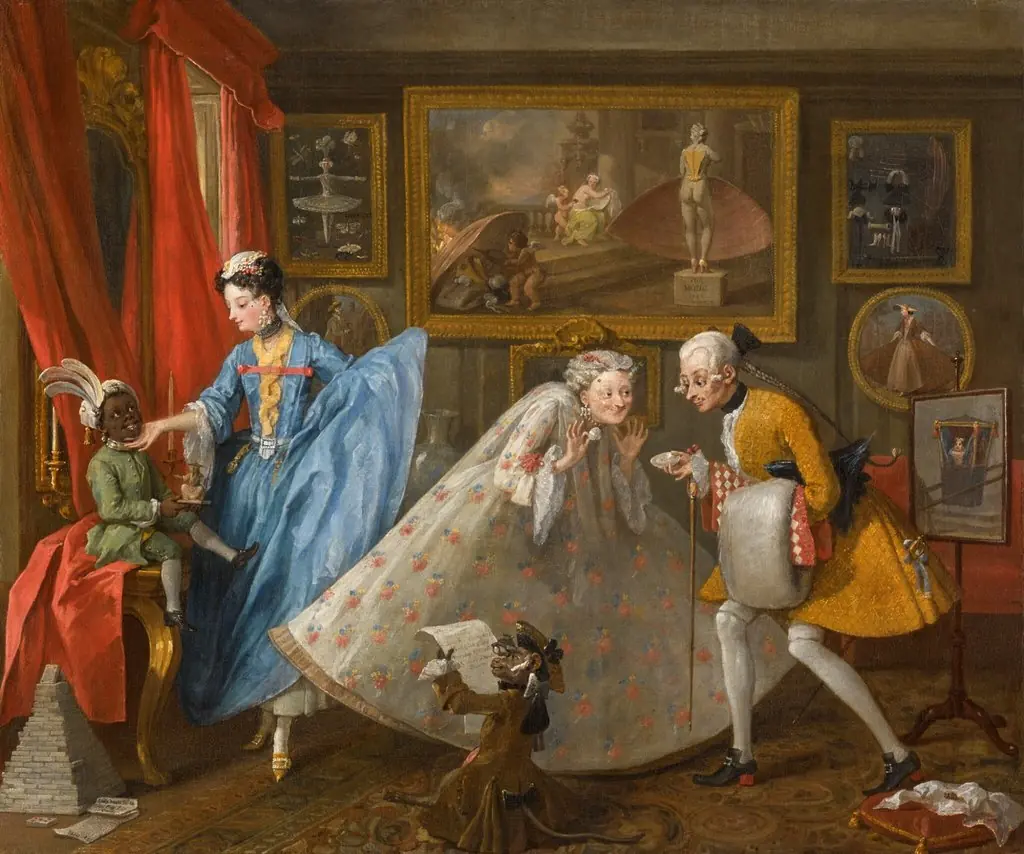 Taste in High Life
 Portrait of the Saltykov Family
 The Duke of Chartres and his Family at the Palais Royal
 Lady at Her Toilette
 Domestic Scene
 Portrait of Elisabeth of France, Duchess of Parma (1727-1759)
 Susanna van Collen née Mogge and her daughter