Artwork
John, Fourteenth Lord Willoughby de Broke, and his Family
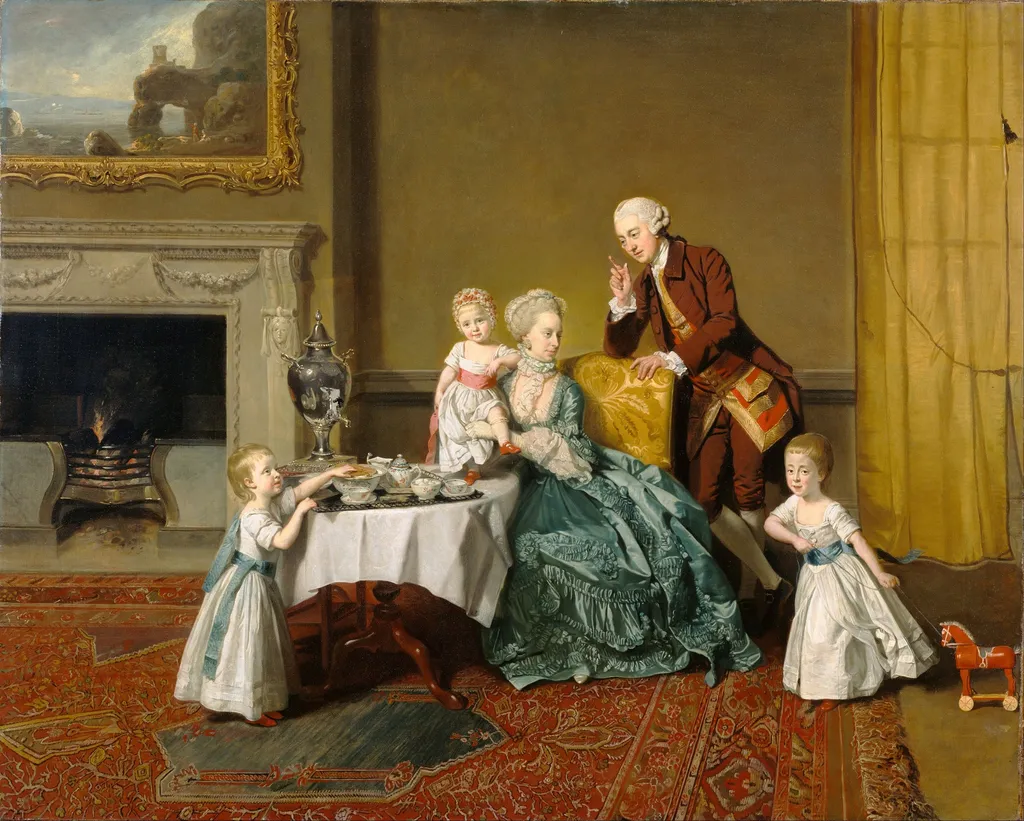
John, Fourteenth Lord Willoughby de Broke, and his Family is an oil painting by the Rococo painting artist Johann Zoffany. It dates from 1766 and is held in the collection of the J. Paul Getty Museum.
About this work
Overview
Painted in 1766, this oil portrait by Johann Zoffany captures John, Fourteenth Lord Willoughby de Broke, with his immediate family in a domestic interior.
Painted in 1766, this oil portrait by Johann Zoffany captures John, Fourteenth Lord Willoughby de Broke, with his immediate family in a domestic interior. The work belongs to a tradition of aristocratic group portraiture that emphasized familial bonds over formal hierarchy. Zoffany, a German-born painter active across Europe, brought a nuanced attention to gesture and setting that distinguished his English commissions from more rigid conventions of the time.
Subject & Meaning
The painting presents the family in a moment of quiet interaction rather than ceremonial pose. The father stands with quiet authority, the mother seated with composed grace, while their children engage in natural, unscripted activities—playing with a toy, reaching for an object. The scene suggests domestic harmony and the cultivation of private virtue, values increasingly prized among the British elite in the mid-18th century.
Technique & Style
Zoffany employed fine brushwork to render textures: the silk of the children’s dresses, the wool of the father’s coat, the plushness of the red rug. The composition avoids symmetry, favoring a loose, conversational arrangement that echoes Rococo sensibilities. Soft lighting and muted tones ground the scene in realism, tempering the ornamental tendencies of the style with psychological immediacy.
History & Provenance
Commissioned by the Willoughby de Broke family, the painting remained in their possession for generations before entering the J. Paul Getty Museum’s collection. Its survival intact, without significant alteration, offers a rare glimpse into 18th-century aristocratic life as it was visually documented by a painter deeply attuned to the nuances of social performance and private intimacy.
Context
In mid-18th-century Britain, portraiture shifted from grand state imagery toward intimate family scenes, reflecting broader cultural interests in domesticity and emotional authenticity. Zoffany’s work aligns with this trend, drawing from both English portraiture and continental traditions. His ability to blend theatrical composition with psychological realism made him a favored choice among landed families seeking to project both status and sincerity.
Legacy
The painting endures as a representative example of how aristocratic identity was reimagined through domestic narrative. Zoffany’s approach influenced later generations of portraitists who prioritized naturalism over formality. While not widely exhibited, its presence in the Getty Museum ensures continued scholarly attention to the evolving language of family representation in Georgian England.
Artist & collection
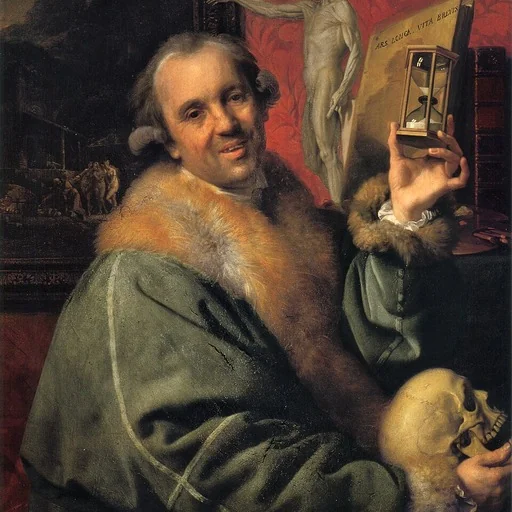
Artist
Johan / Johann Joseph Zoffany (born Johannes Josephus Zaufallij; 13 March 1733 – 11 November 1810) was a German neoclassical painter who was active mainly in England, Italy, and India.

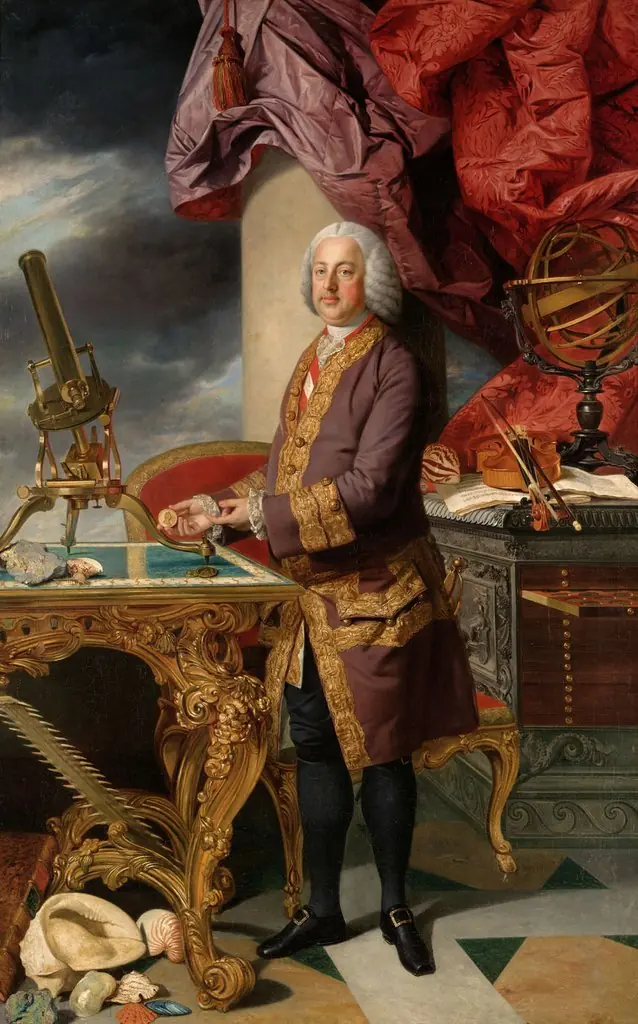 François Ier du Saint-Empire et sa collection d'histoire naturelle
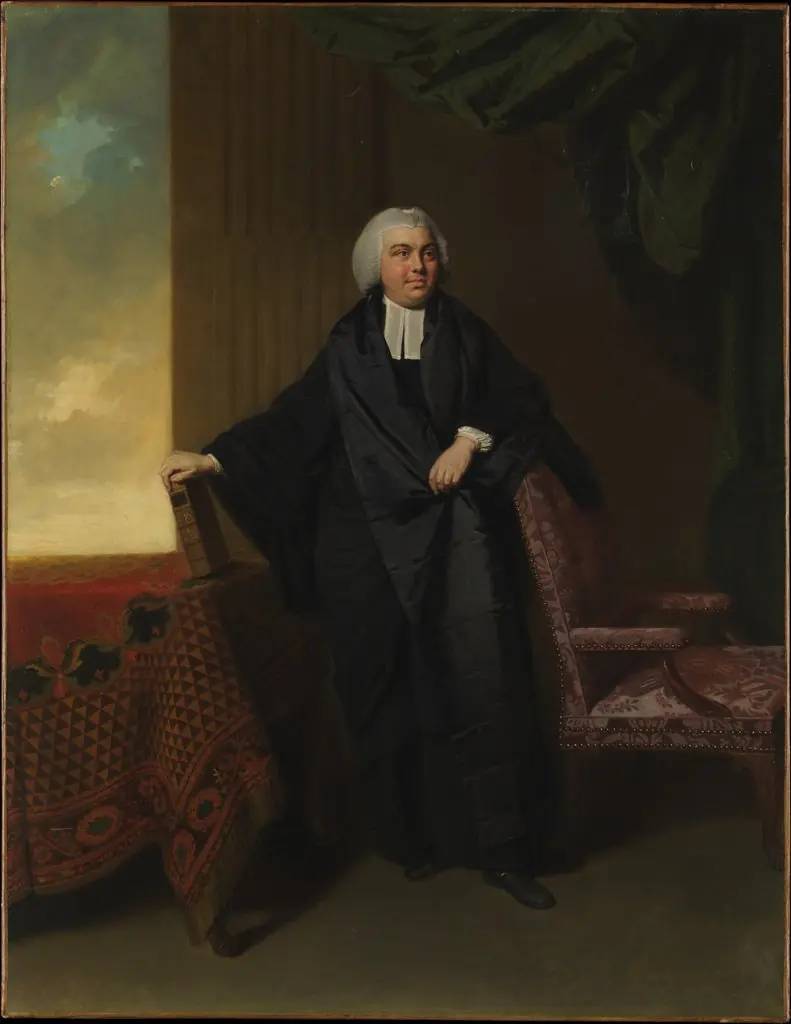 The Reverend Philip Cocks (1735–1797)
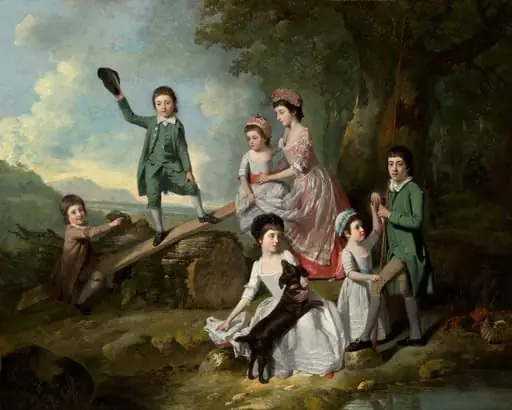 The Lavie Children
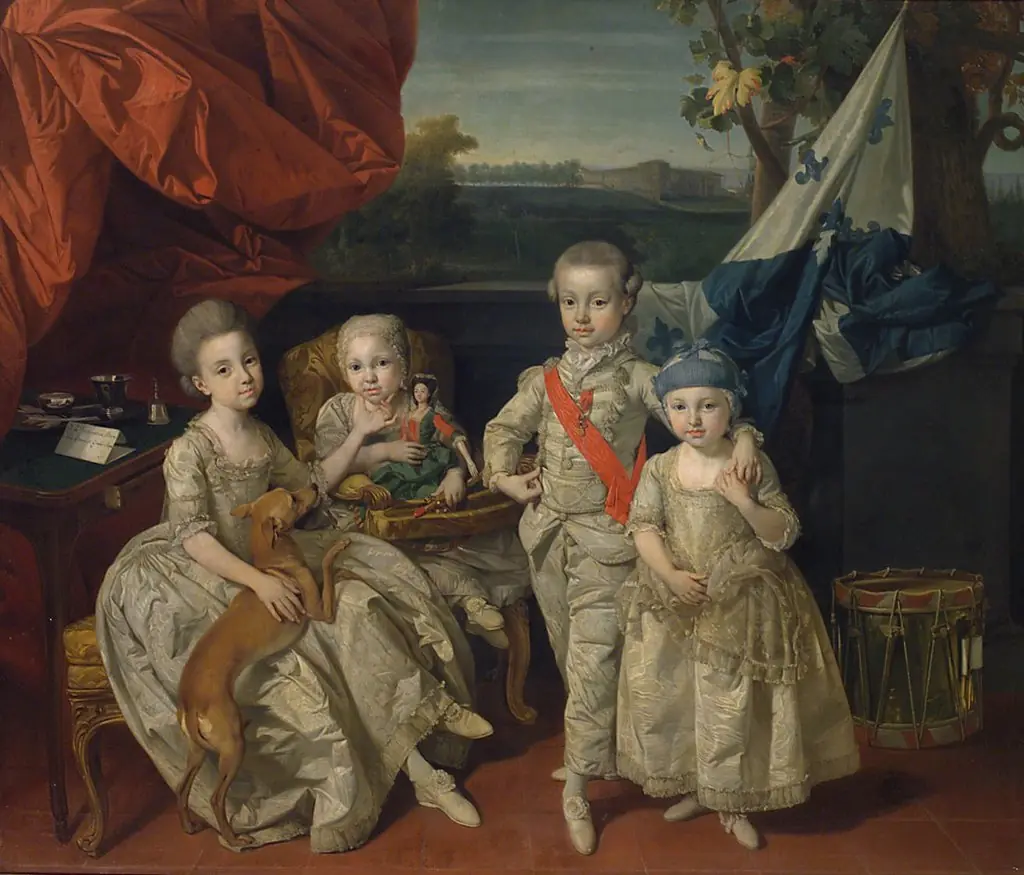 Prinz Ludwig von Parma (1773-1803) mit seinen drei ältesten Geschwistern Karoline (1770-1804), Marie Antonie (1774-1841) und Charlotte (1777-1813)
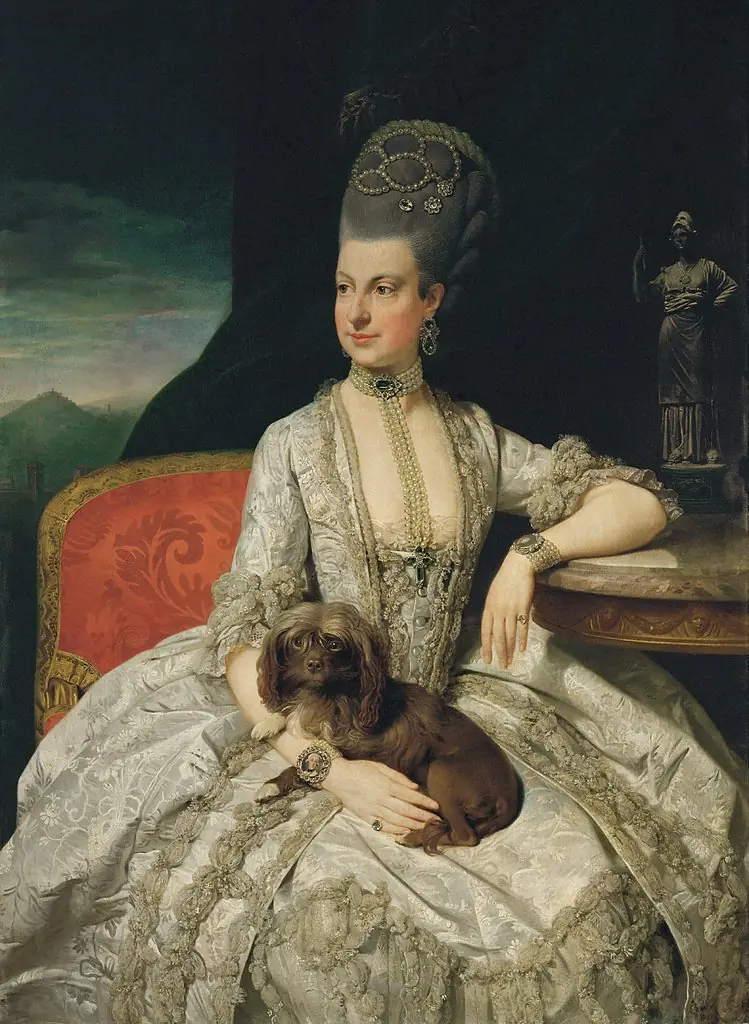 Archduchess Maria Christina, Duchess of Teschen, (1742-1798)
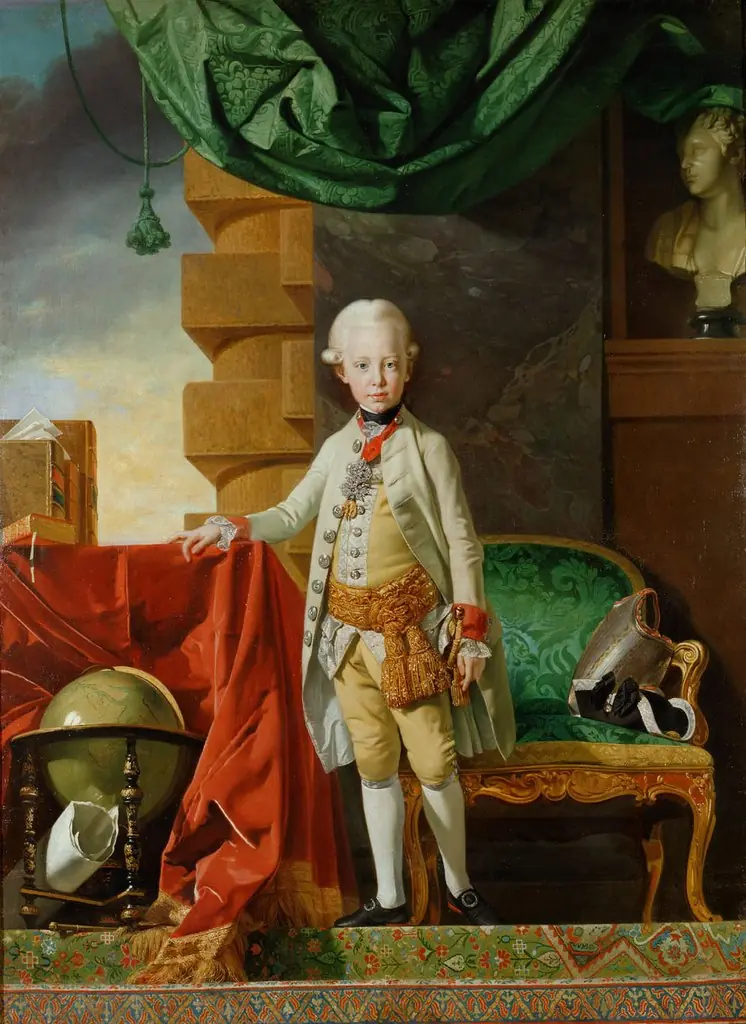 Portrait of Francis of Austria (1768-1835)
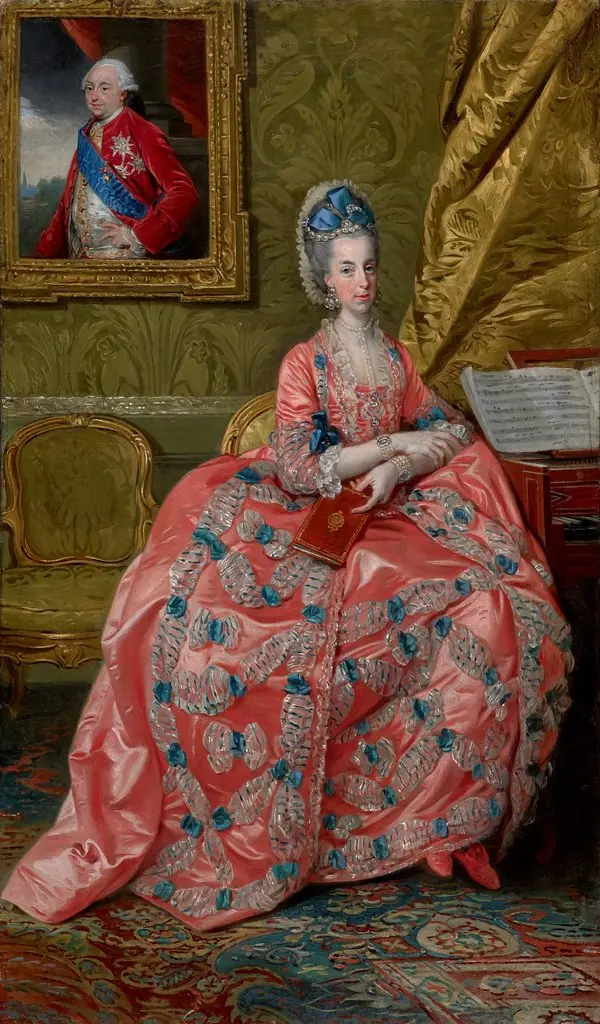 Portrait of the Archduchess Maria Amalia of Austria, Duchess of Parma
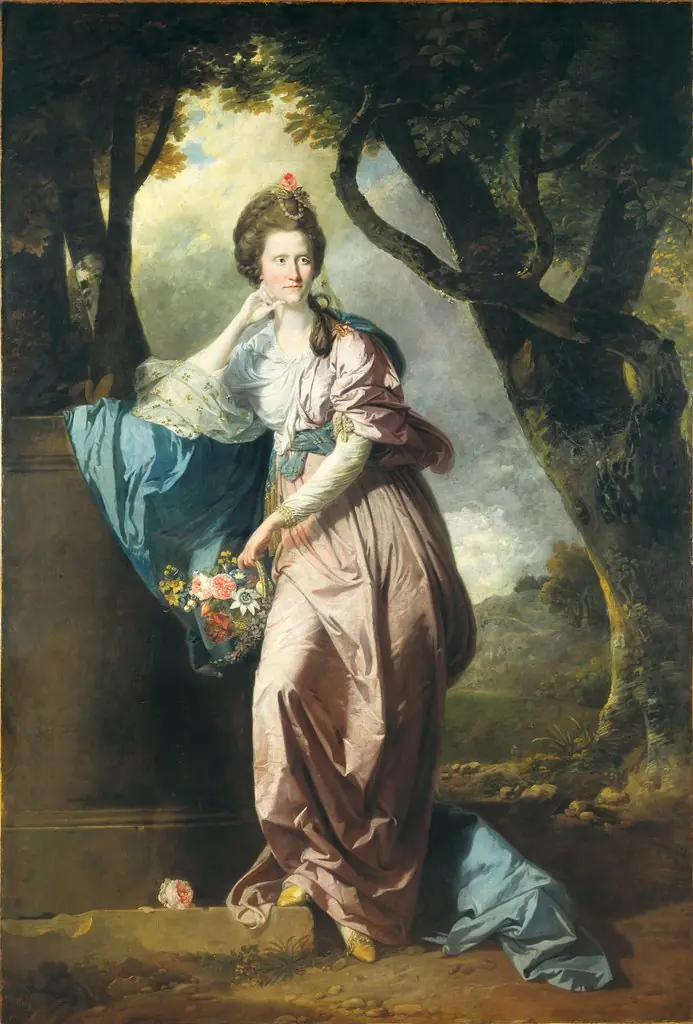 Mrs Woodhull
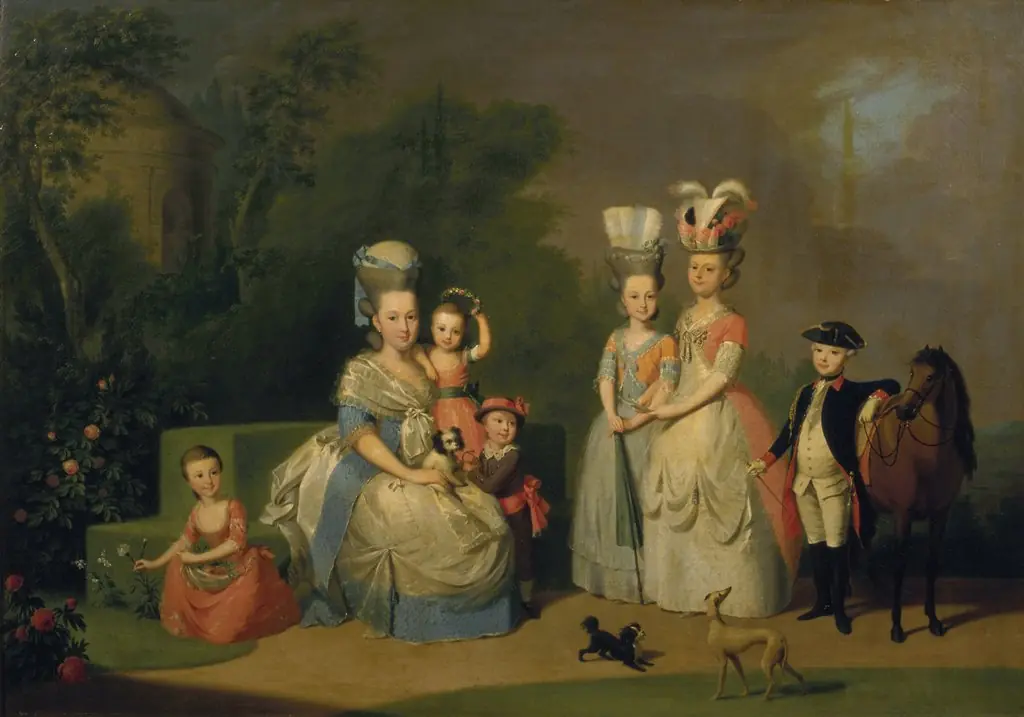 Portrait of Carolina Wilhelmina of Orange (1743-1787) and her Children
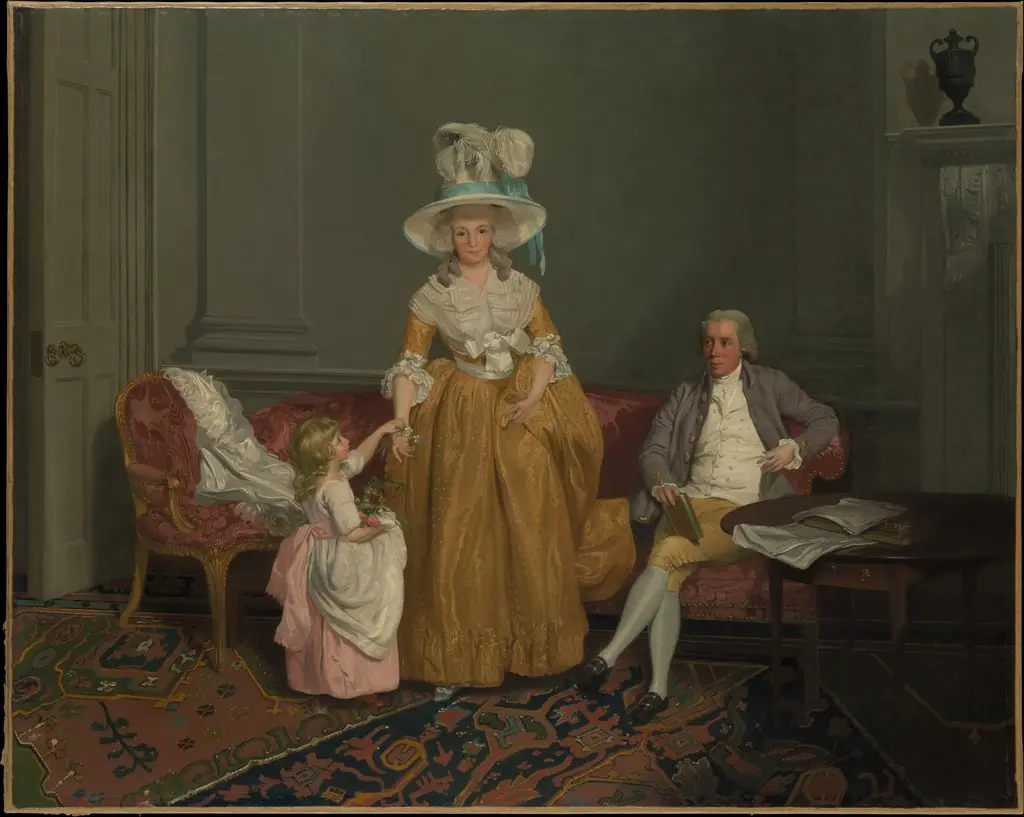 The Saithwaite Family
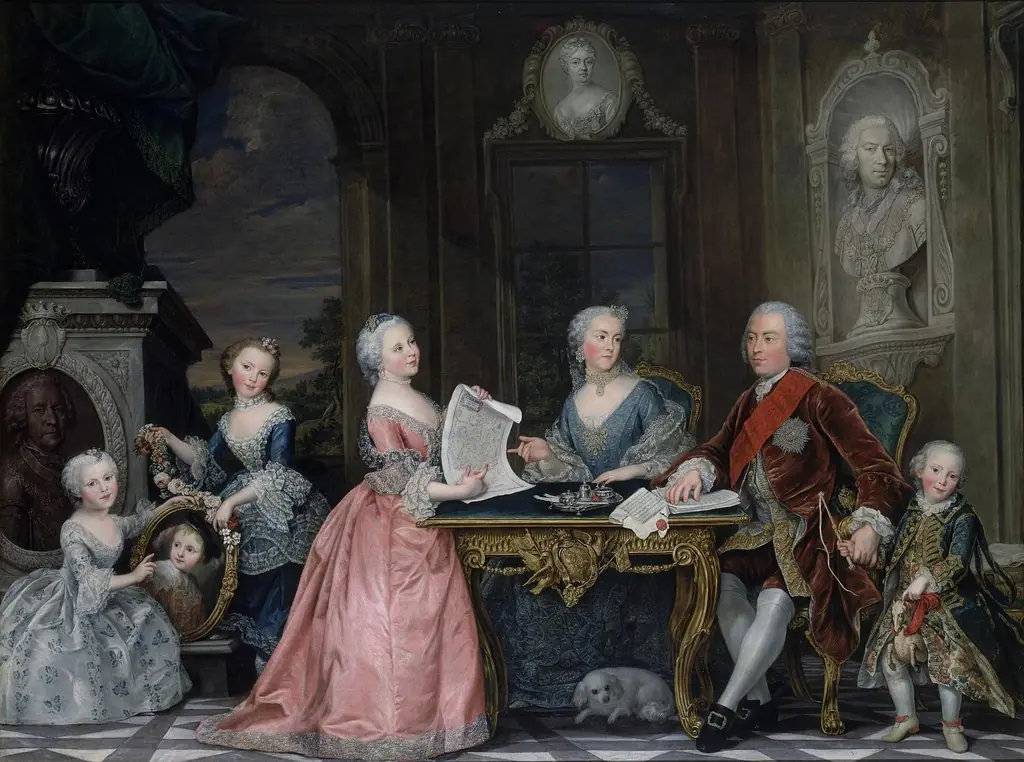 Portrait of Ambassador P.G. Chernyshev with Family
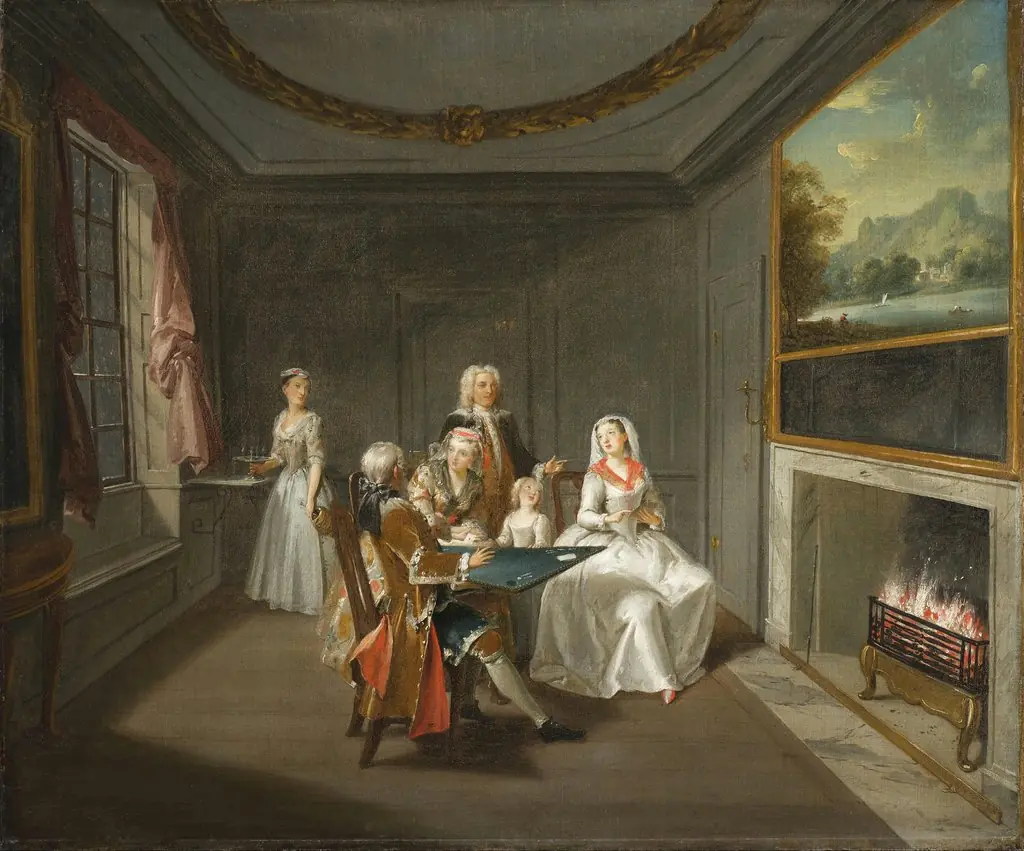 Winter
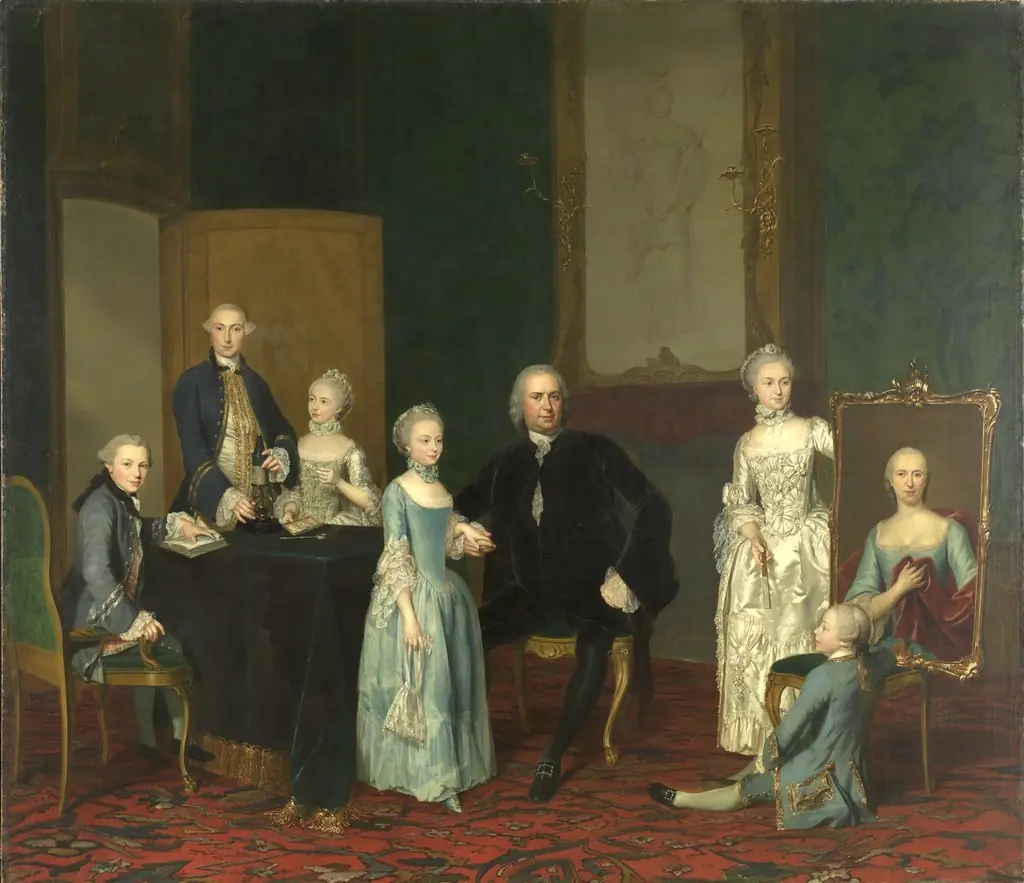 Portrait of Pieter Cornelis Hasselaer (1720–1797) and his Children
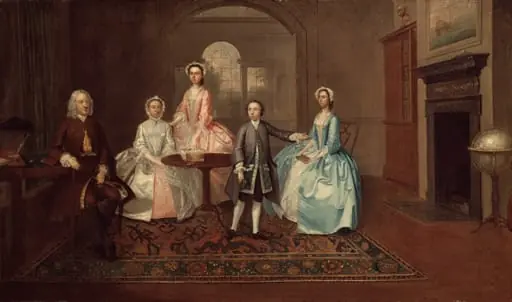 John Thomlinson and His Family
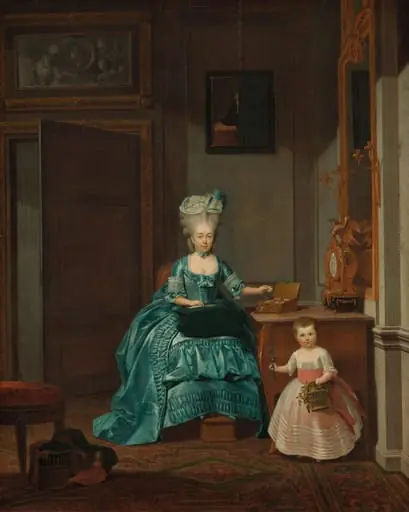 Portrait of Suzanna Cornelia Mogge and her Daughter Johanna Ferdinanda van Collen
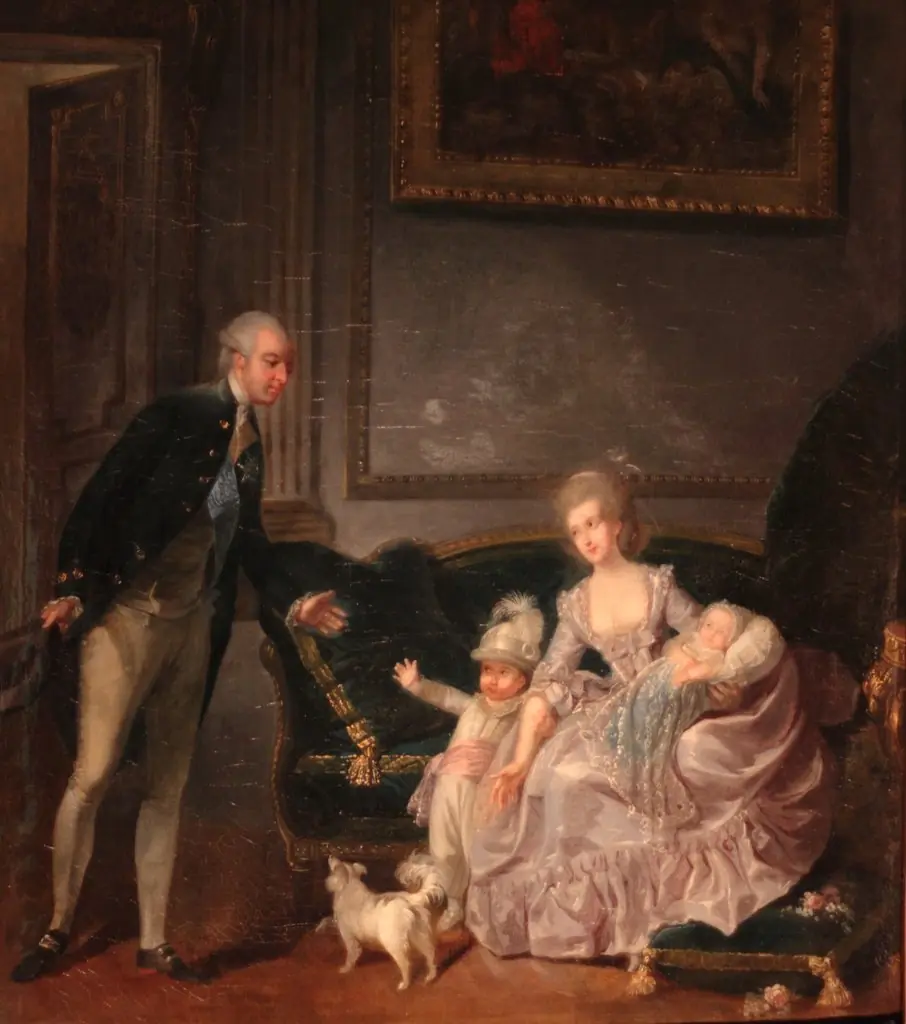 The Duke of Chartres and his Family at the Palais Royal
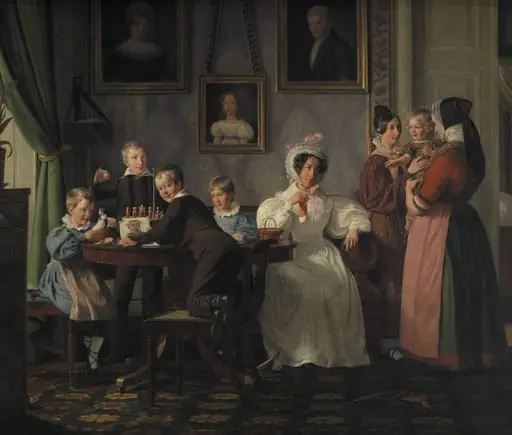 The Waagepetersen Family
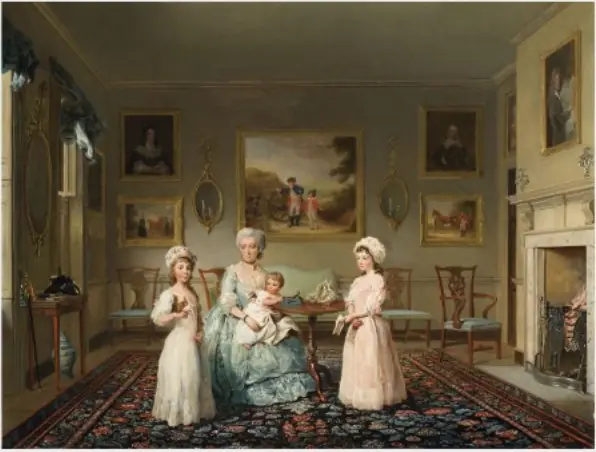 Portrait of Mrs Congreve with her Children