Artwork
Beate Rosencrantz (1855-1925), g.m. Patrick Baron Seton
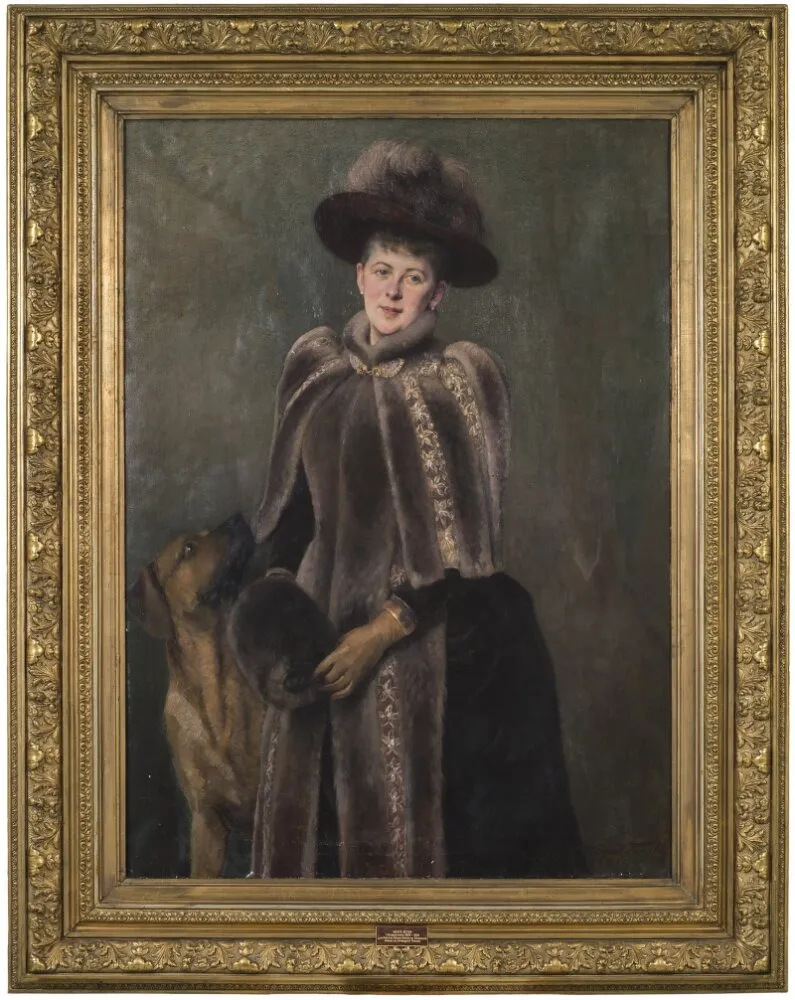
Beate Rosencrantz (1855-1925), g.m. Patrick Baron Seton is an oil painting by the Impressionist artist Hildegard Thorell. It dates from 1895 and is held in the collection of the Nationalmuseum.
About this work
The artist's use of muted colors and subtle lighting creates a sense of intimacy and quiet contemplation.
This painting depicts a woman and her dog. The woman is dressed in a long, dark coat with a fur-trimmed collar and a hat adorned with feathers. She holds a dark object in her hands, possibly a hat or a purse. The dog, a medium-sized brown canine, stands beside her. The background of the painting is a muted gray color.
The woman's attire suggests a formal or elegant setting, possibly from the late 19th century. The artist's use of muted colors and subtle lighting creates a sense of intimacy and quiet contemplation.
To learn more about the artist who created this piece, look up Hildegard Thorell.
Overview
Painted in 1895 by Swedish artist Hildegard Thorell, this oil portrait captures Beate Rosencrantz, wife of Patrick Baron Seton. Trained at the Royal Swedish Academy of Fine Arts and later in Paris, Thorell applied a restrained Impressionist approach to the composition. The work is part of the Nationalmuseum’s collection in Stockholm, reflecting the artist’s engagement with both Swedish aristocratic circles and contemporary European painting practices.
Subject & Meaning
The portrait presents Beate Rosencrantz in a moment of quiet stillness, accompanied by her dog, a small brown companion standing close at her side. Her attire—a long dark coat with fur trim and a feathered hat—suggests formal social standing, yet the composition avoids overt display. The object she holds, possibly a hat or purse, adds to the sense of an everyday pause rather than a staged pose, emphasizing personal dignity over ceremonial grandeur.
Technique & Style
Thorell employed soft brushwork and a muted palette of grays, browns, and deep tones to convey subtlety and atmosphere. Light falls gently across the figure, modeling form without harsh contrast. The background, uniformly neutral, draws focus to the subject’s presence and the quiet bond with the dog. The handling of fabric and fur suggests tactile realism, while the loose strokes in the coat and hat reflect Impressionist influence without abandoning structural clarity.
History & Provenance
Commissioned during the height of Thorell’s career, the portrait was likely created as a private commission for the Seton family. It entered the Nationalmuseum’s collection in the early 20th century, possibly through donation or acquisition by the museum’s expanding portrait holdings. Its preservation reflects the institution’s interest in documenting Swedish women artists and aristocratic life during the late 1800s.
Context
In late 19th-century Sweden, female artists like Thorell were gaining access to formal training and professional recognition, though still operating within male-dominated institutions. Portraiture remained a common genre for women painters, often serving aristocratic patrons. This work aligns with broader European trends where domestic intimacy and understated elegance replaced overt grandeur in elite portraiture.
Legacy
Thorell’s portrait of Beate Rosencrantz stands as a quiet example of Swedish Impressionist portraiture, notable for its emotional restraint and attention to personal detail. While not widely exhibited, it contributes to the historical record of women artists who documented their social milieu with sensitivity. The painting remains a reference point for studies of gender, class, and artistic practice in Nordic art of the period.
Artist & collection
Artist
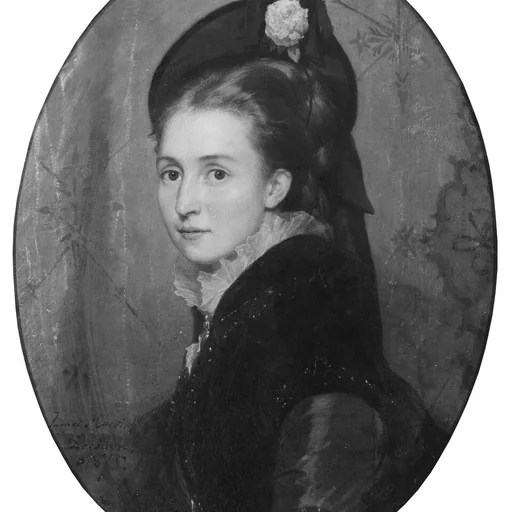
Hildegard Katarina Thorell, née Bergendal, (22 May 1850 – 2 February 1930), was a Swedish painter.

 Portrait of artist’s sister
 Isabelita and Thor
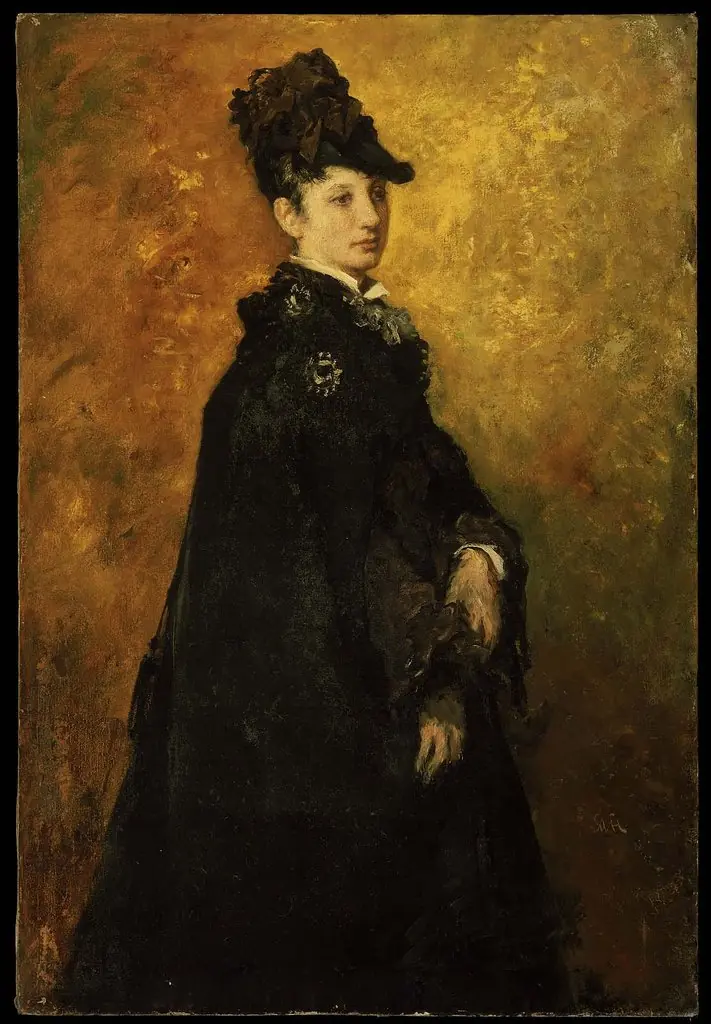 Portrait of a Lady
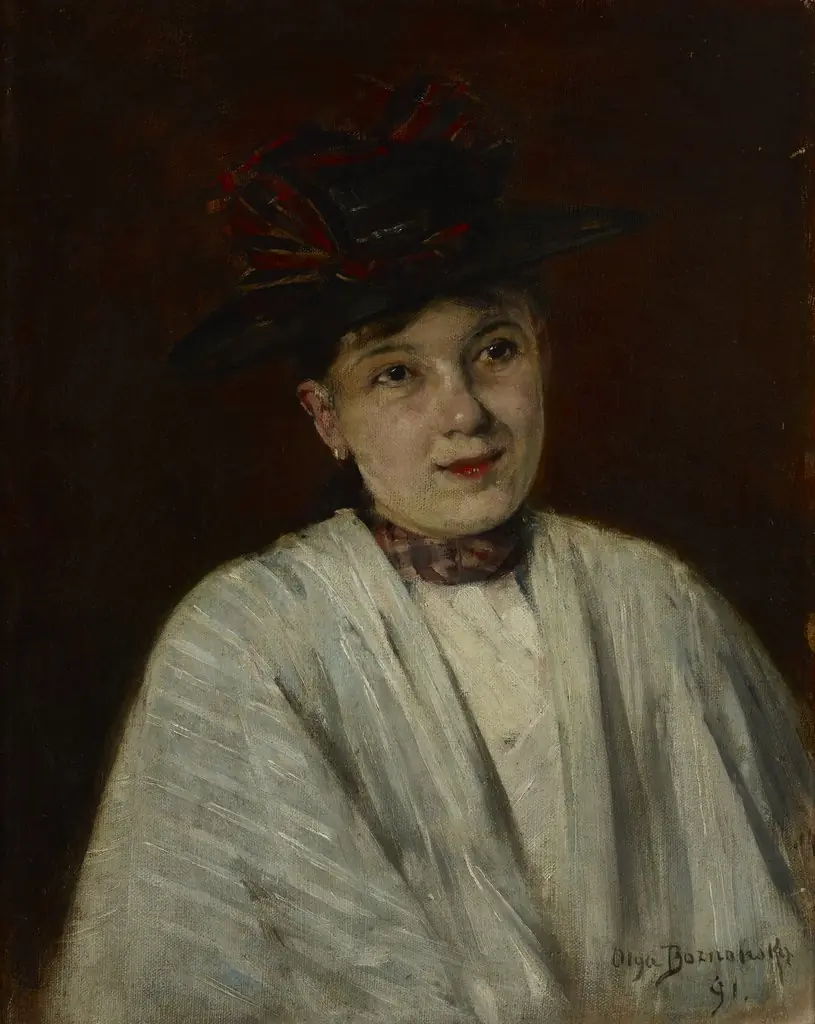 Joyful Baśka
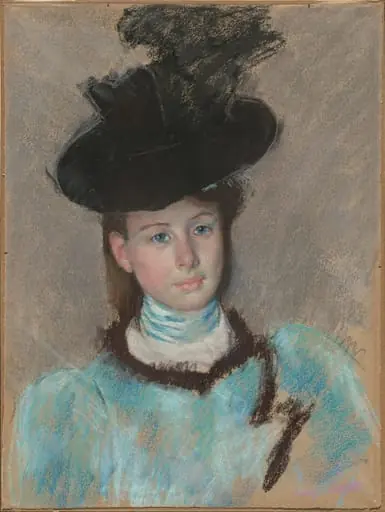 The Black Hat
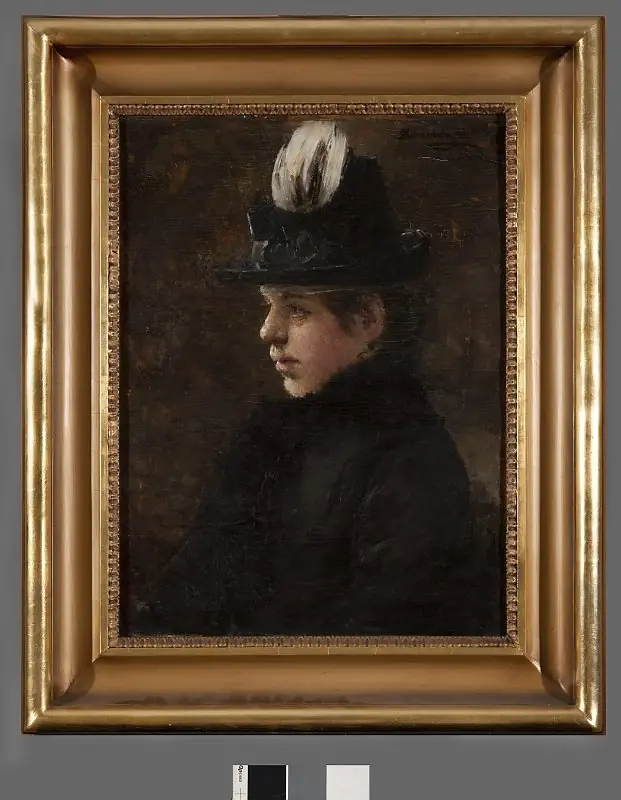 Study of a girl in a hat with a little feather
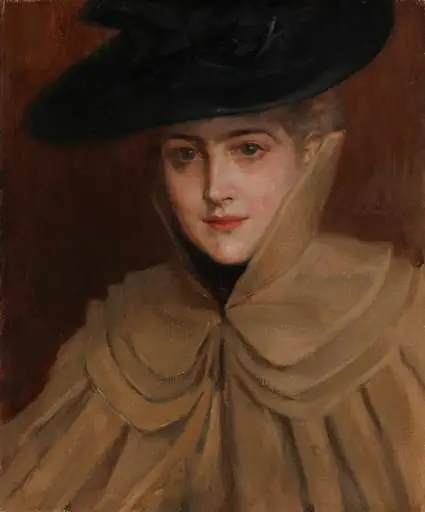 Nuoren naisen muotokuva
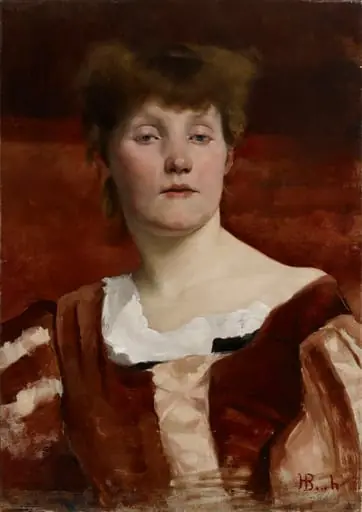 Malli
Malli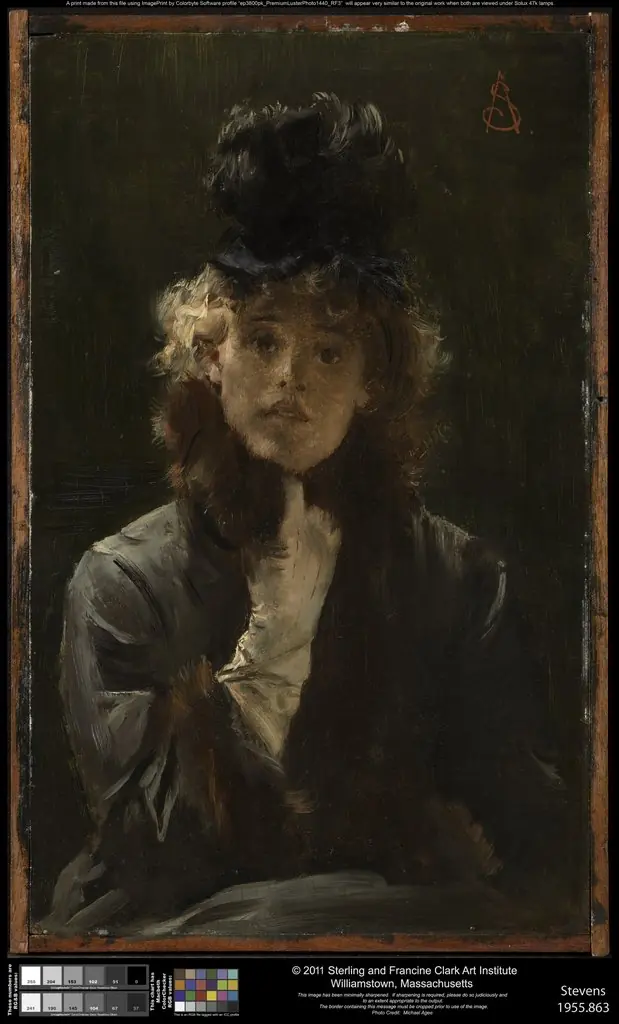 The Parisian Sphinx
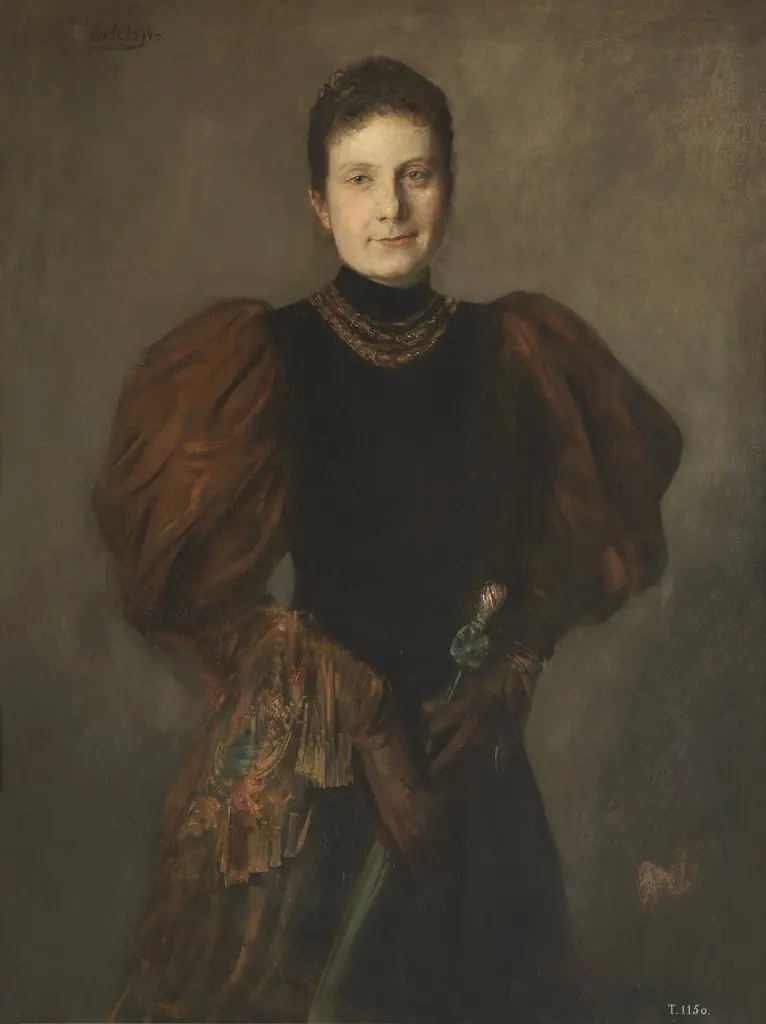 Infanta María de la Paz de Borbón, daughter of Isabella II
 Young Woman by the Sea
 Mother of Pearl and Silver: The Andalusian