Artwork
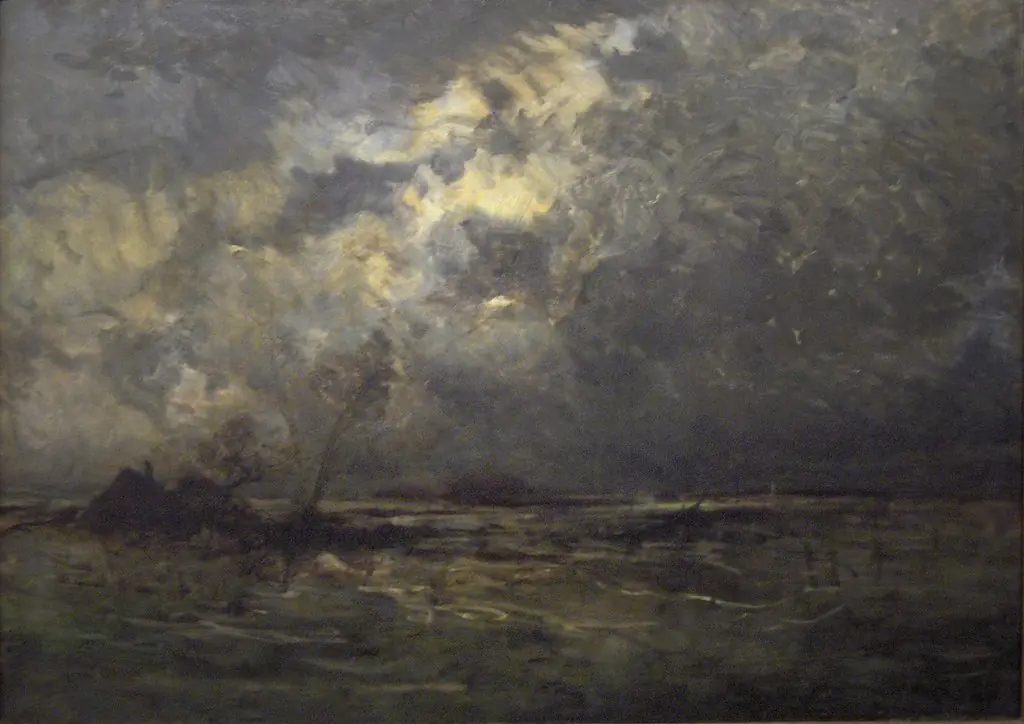
The Ponds of the "Grijze Molen" in Terhulpen
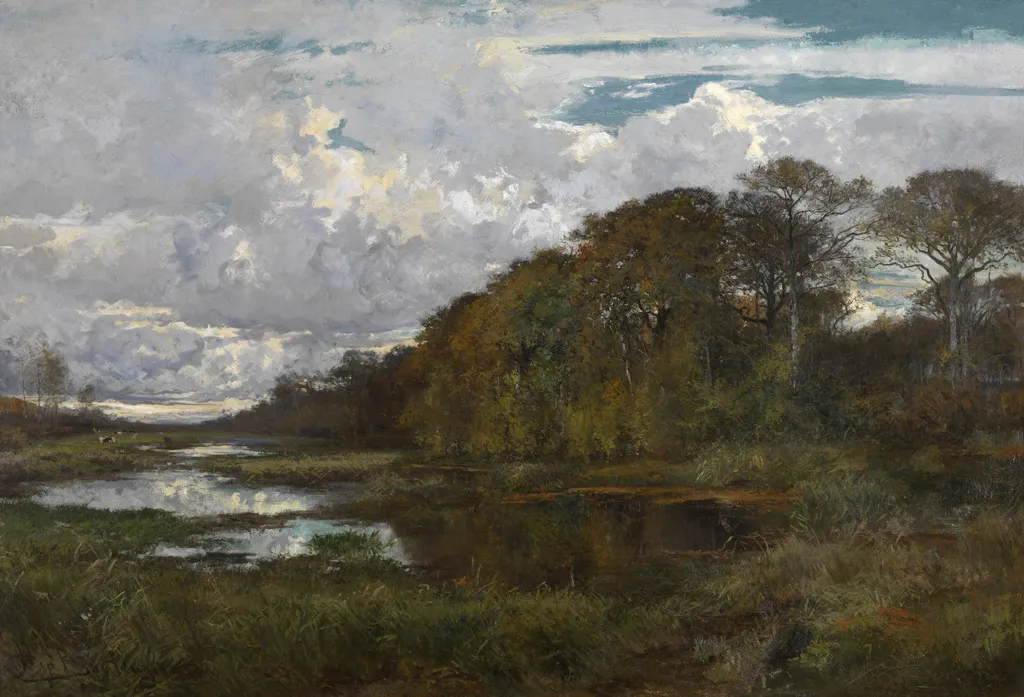
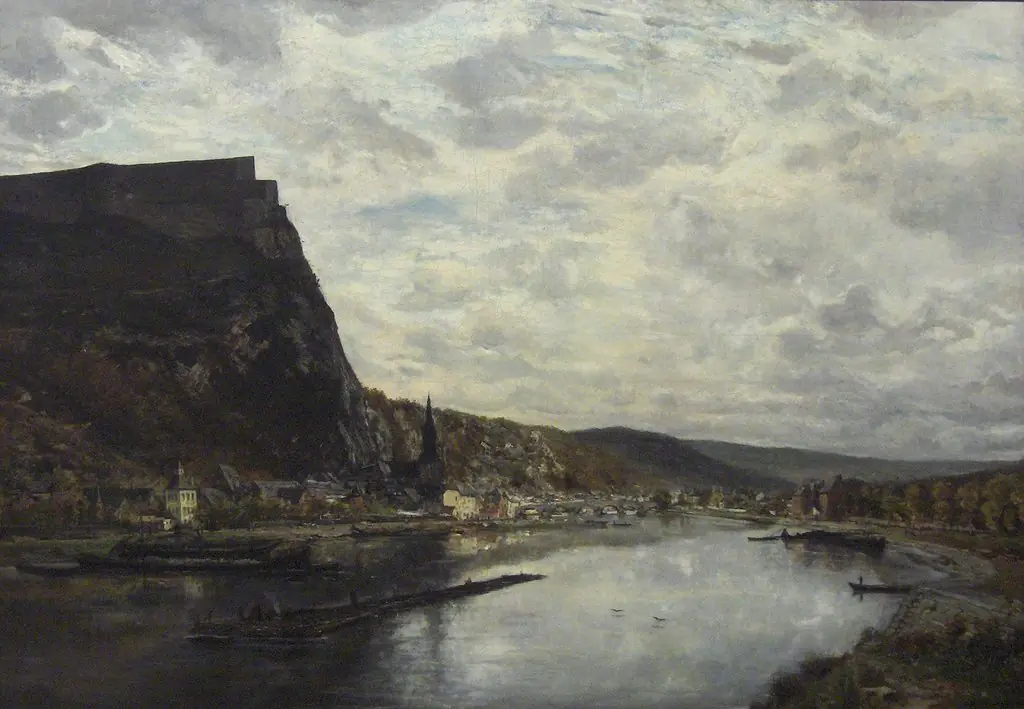
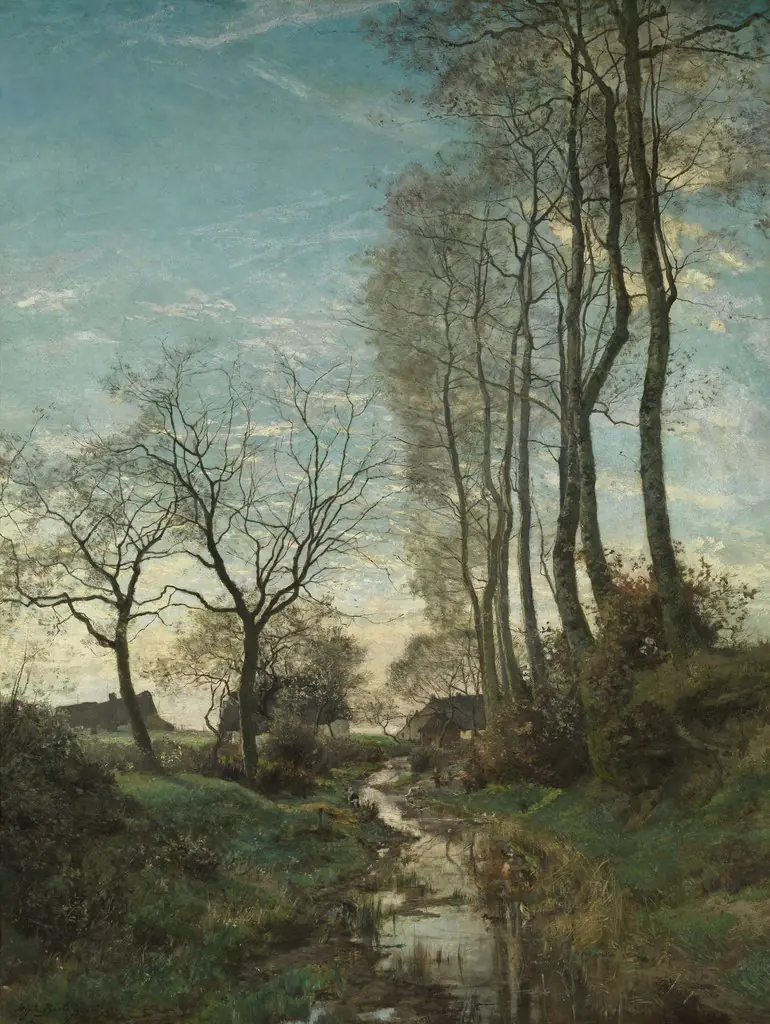
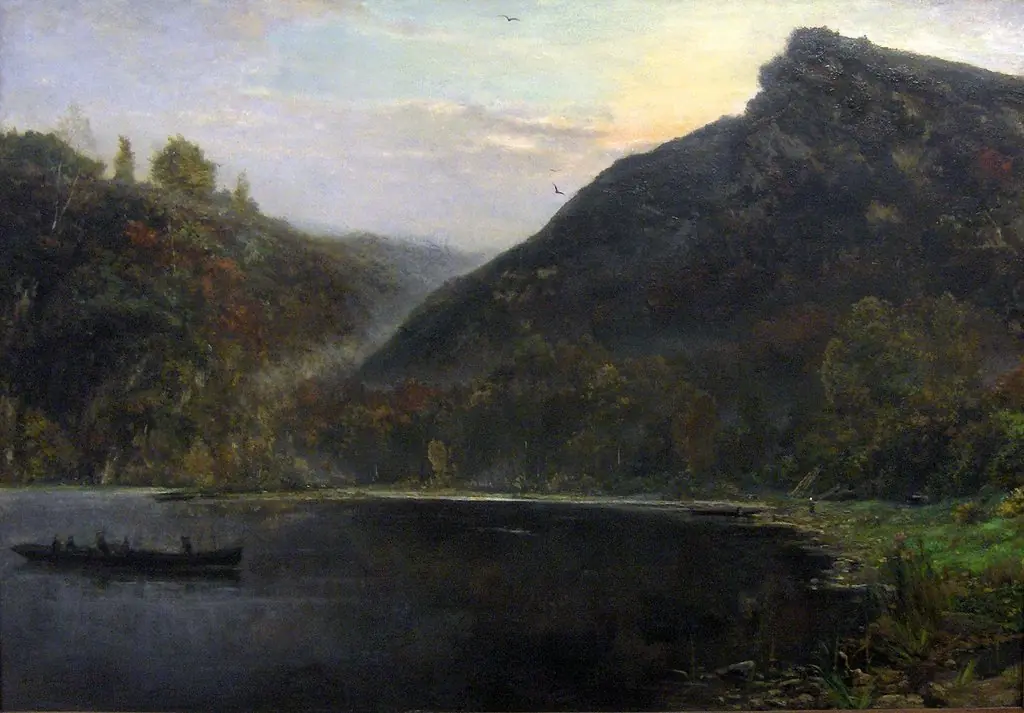
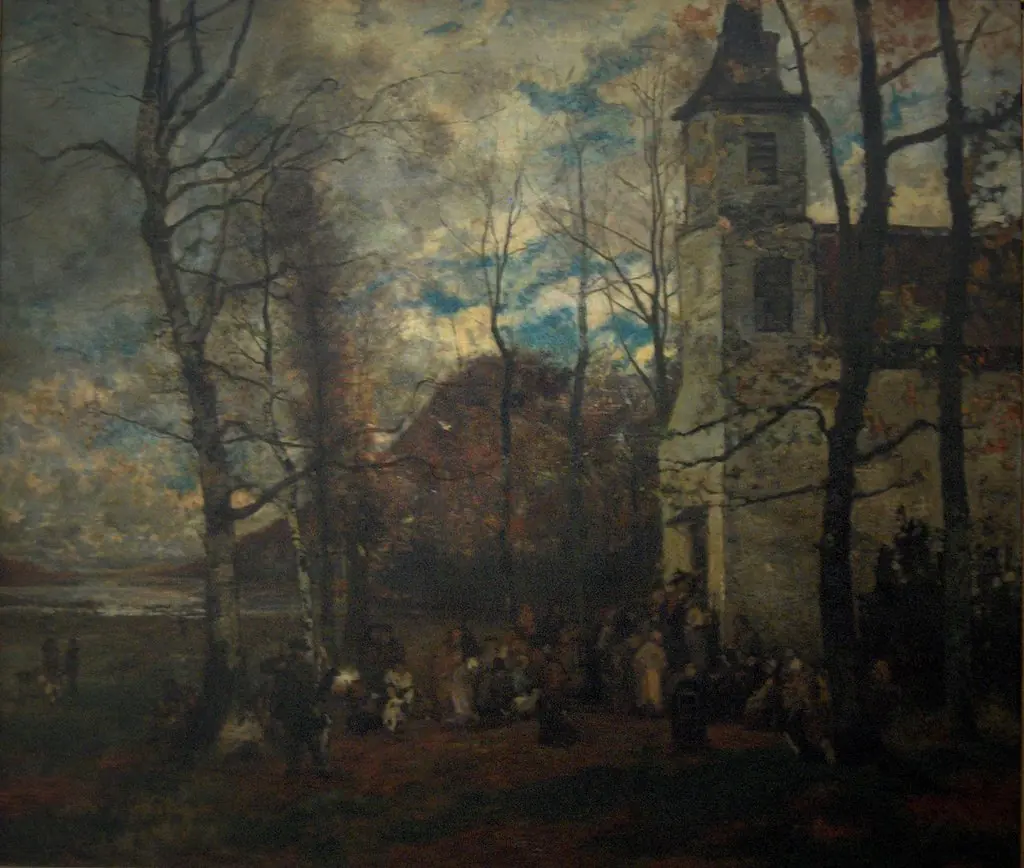
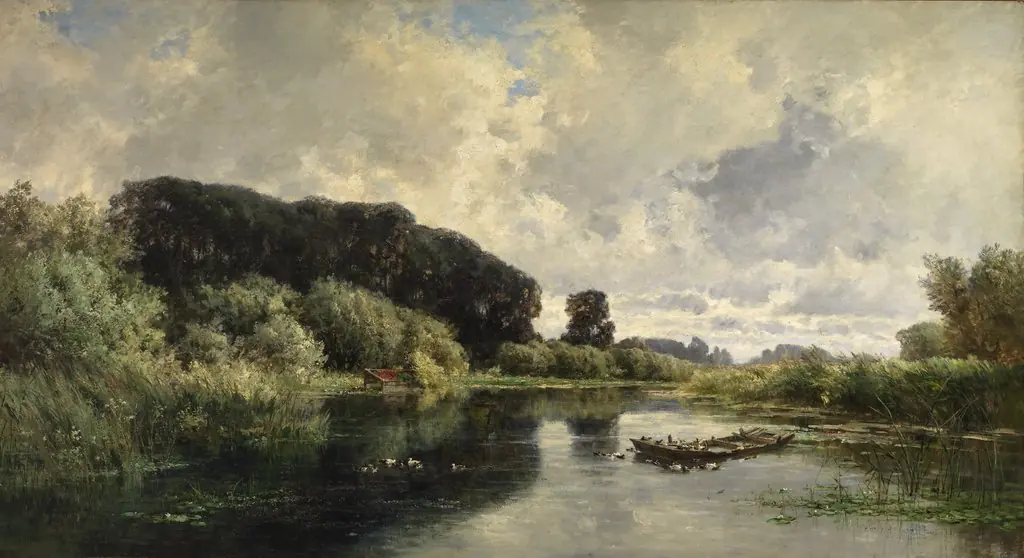
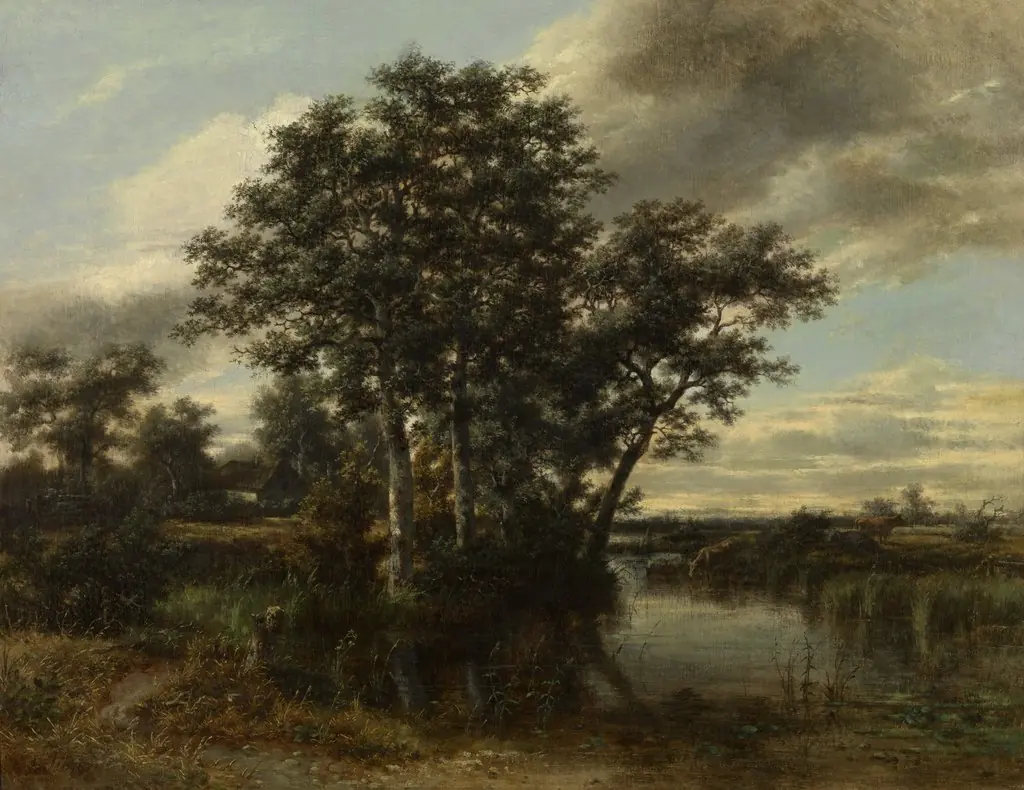
The Ponds of the "Grijze Molen" in Terhulpen is an oil painting by the Barbizon school artist Hippolyte Boulenger. It dates from 1860 and is held in the collection of the Royal Museum of Fine Arts Antwerp.
About this work
Overview
Painted in 1860 by Belgian artist Hippolyte Boulenger, this oil on canvas depicts a quiet rural landscape near Terhulpen.
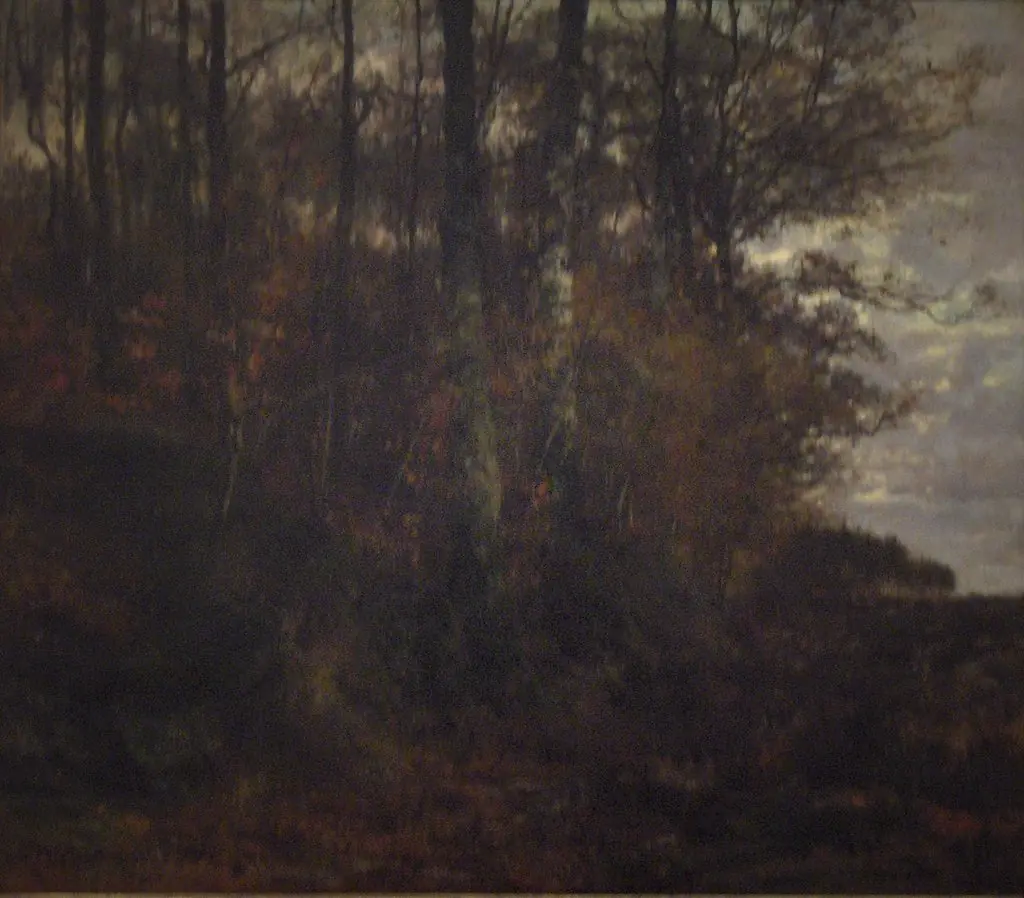
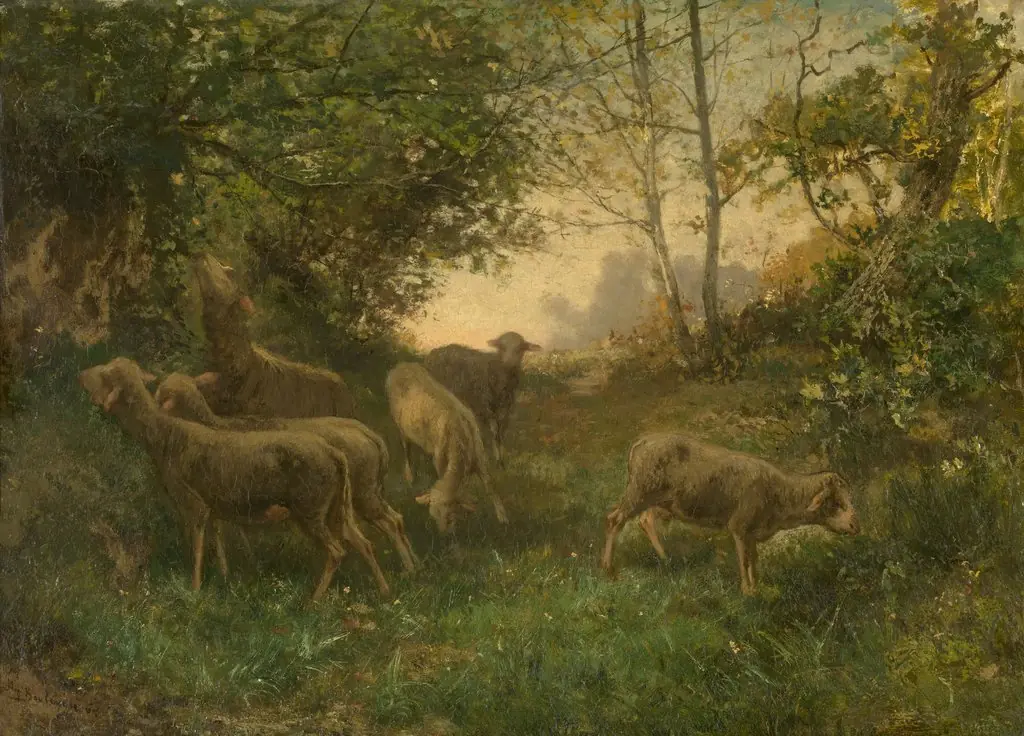
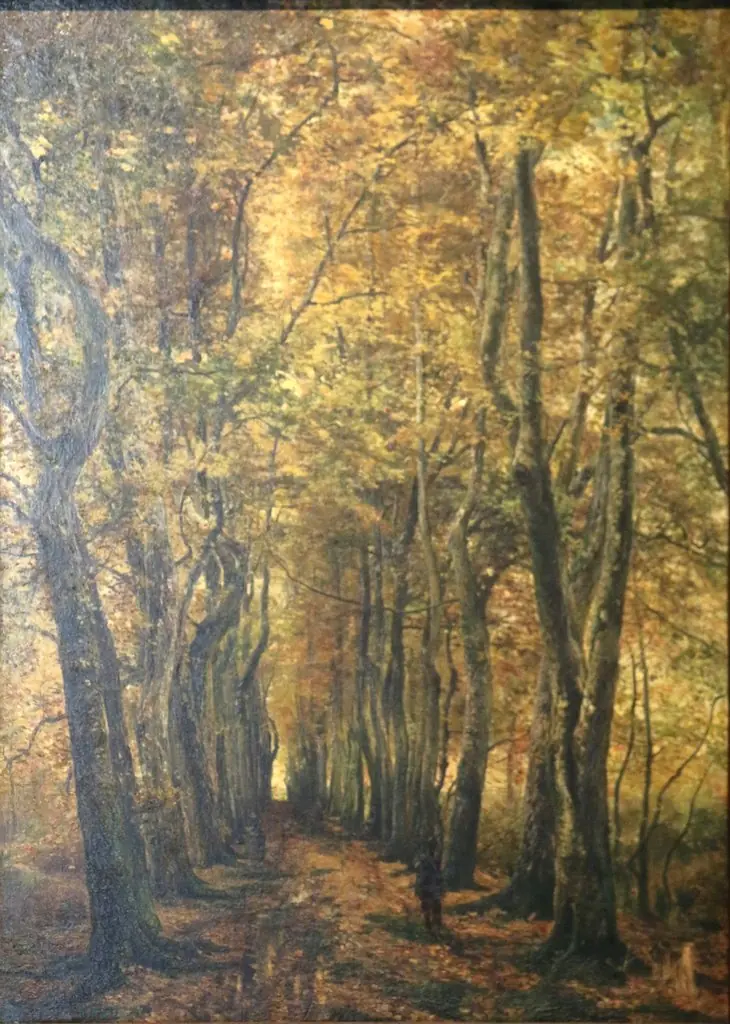
Painted in 1860 by Belgian artist Hippolyte Boulenger, this oil on canvas depicts a quiet rural landscape near Terhulpen. Boulenger, often linked to the French Barbizon school, focused on unidealized natural scenes. The work reflects his dedication to observing and recording the subtle effects of light and atmosphere in the Belgian countryside, aligning with broader 19th-century trends toward direct landscape study.
Subject & Meaning
The painting presents a tranquil pond framed by dense vegetation, with grazing cattle in the middle distance. There is no narrative or human activity—only the quiet rhythm of nature. The inclusion of animals suggests pastoral life, but the emphasis remains on the mood of the place: stillness, solitude, and the gentle interplay of earth, water, and sky as enduring elements of rural existence.
Technique & Style
Boulenger employed soft, blended brushwork and a muted palette to capture the diffuse light of an overcast day. Layers of green and gray suggest depth in the foliage, while the sky, streaked with pale blue, adds subtle contrast without drama. His approach avoids theatricality, favoring tonal harmony and atmospheric cohesion, characteristic of Barbizon-inspired naturalism and a rejection of academic idealization.
History & Provenance
Created during Boulenger’s mature period, the painting entered the collection of the Royal Museum of Fine Arts Antwerp in the late 19th or early 20th century. It has remained there since, representing the museum’s commitment to preserving Belgian contributions to 19th-century landscape painting. No significant alterations or documented restorations are recorded for this work.
Context
In the mid-1800s, artists across Europe turned away from historical and mythological subjects toward everyday rural life. Boulenger, influenced by French Barbizon painters like Rousseau and Daubigny, sought to convey the emotional resonance of quiet landscapes. His work contributed to a growing Belgian interest in native scenery, distinct from Dutch or French traditions yet sharing their observational rigor.
Legacy
Boulenger’s reputation as 'the Belgian Corot' reflects his role in introducing a poetic naturalism to Belgian art. While less widely known internationally, his paintings, including this one, remain important examples of regional landscape painting that bridged French influences and local sensibilities. The work continues to be studied for its quiet sincerity and technical restraint.
Own this work as a print
Artist & collection
Artist
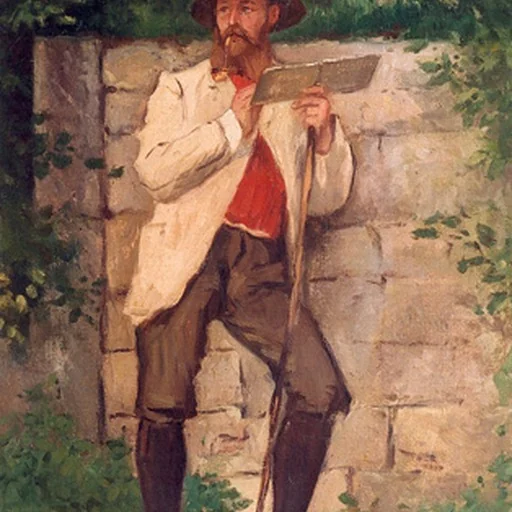
Hippolyte Emmanuel Boulenger (3 December 1837 – 4 July 1874) was a Belgian landscape painter influenced by the French Barbizon school, considered to be "the Belgian Corot".