Artwork
Marsh
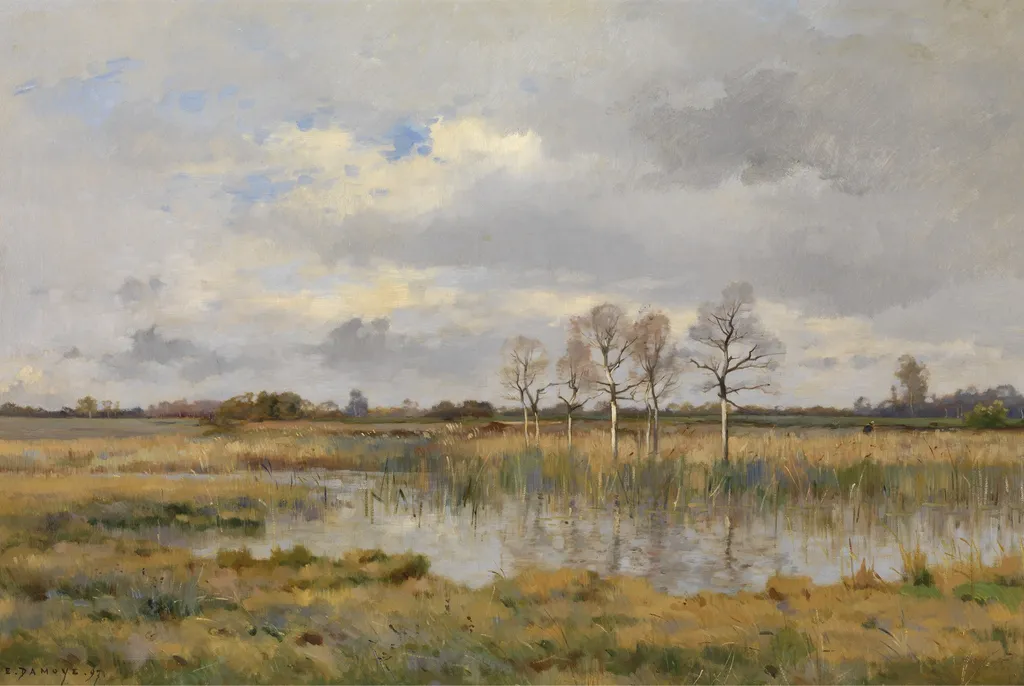
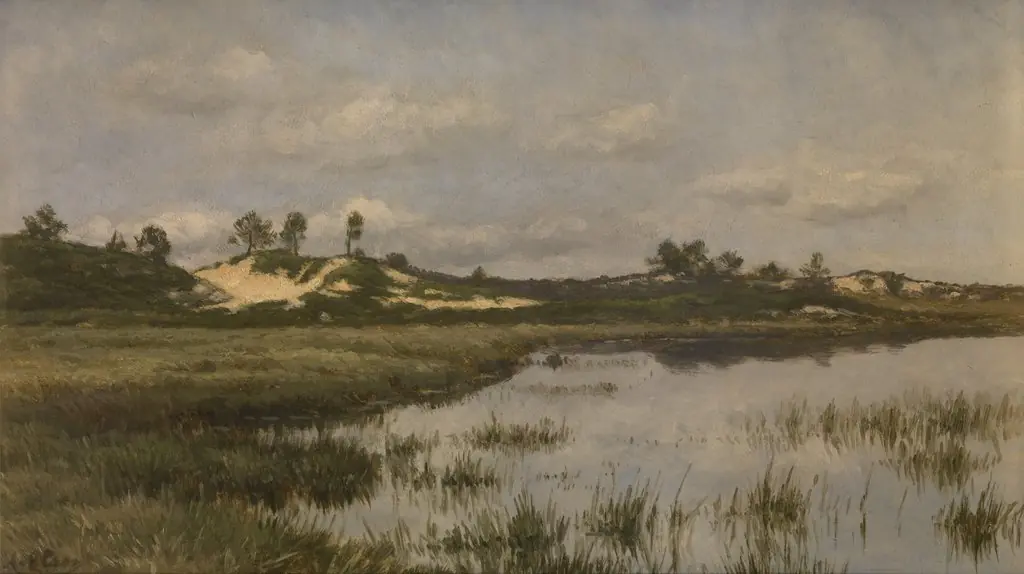
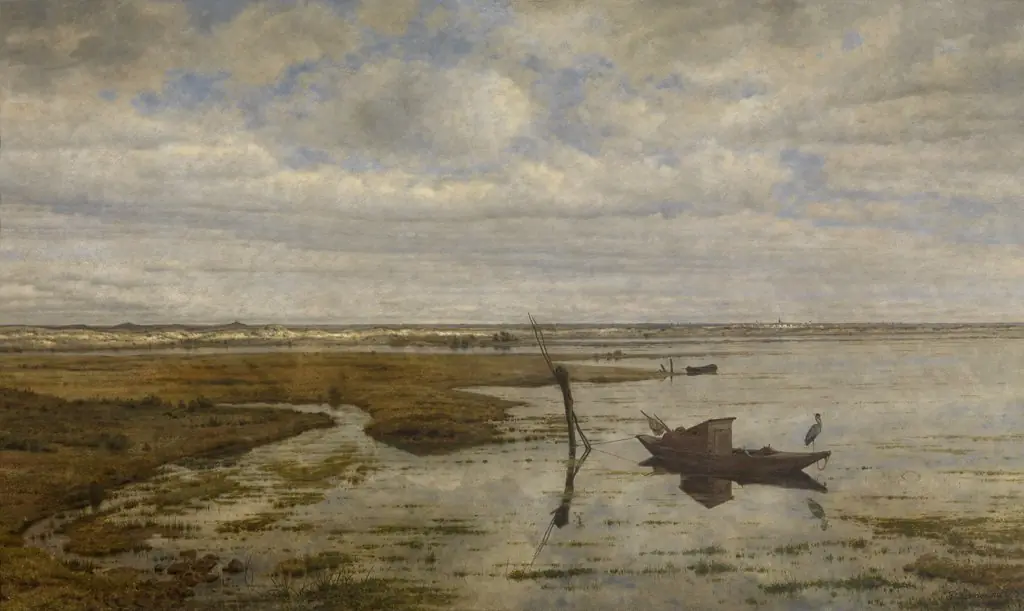
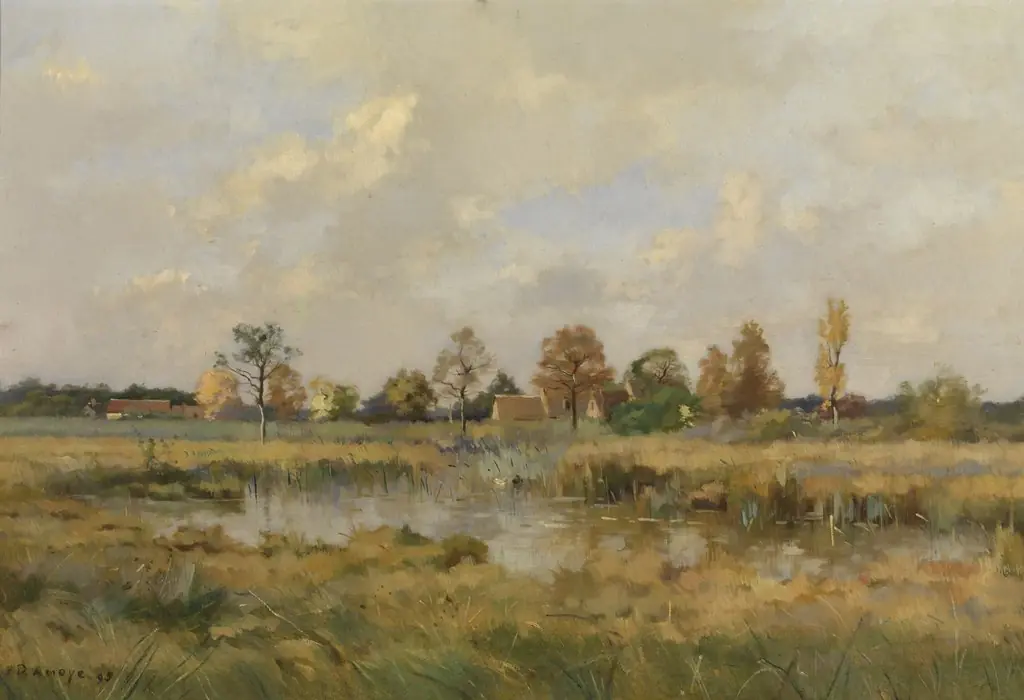
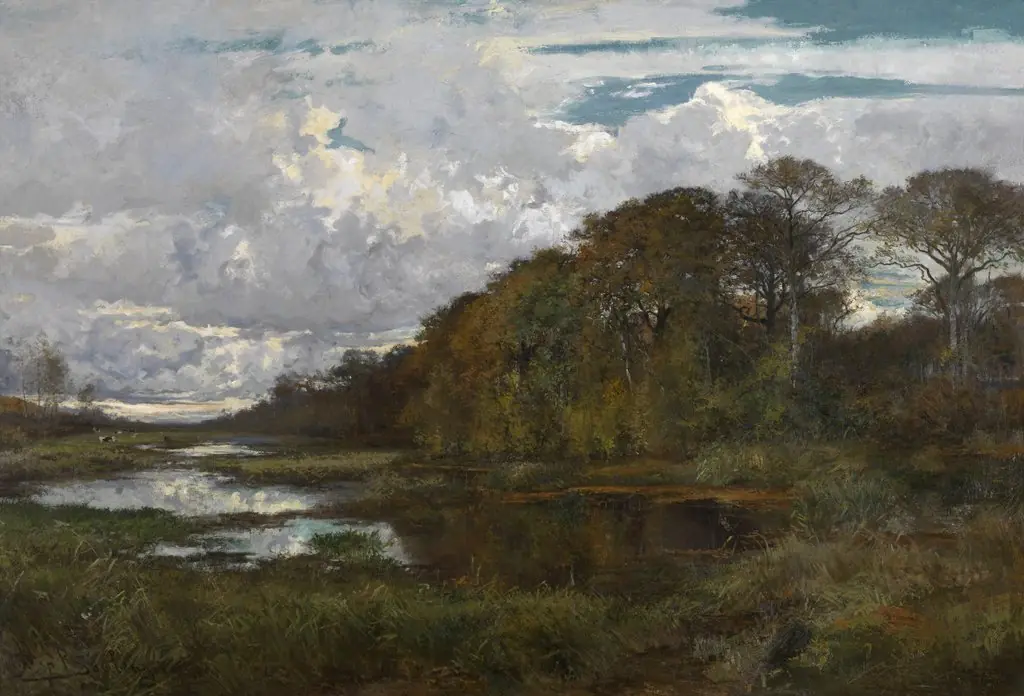
Marsh is an oil painting by the Post-Impressionist artist Pierre Emmanuel Damoye. It dates from 1899 and is held in the collection of the Royal Museum of Fine Arts Antwerp.
About this work
Overview
Created in 1899, *Marsh* is an oil painting by French landscape painter Pierre‑Emmanuel Damoye. Executed in a post‑impressionist idiom, the work presents a quiet wetland scene rendered with a restrained palette of browns, greens and greys. The composition is dominated by a reflective water surface, low‑lying grasses and a few leafless trees, extending toward a distant horizon.
Subject & Meaning
The canvas captures a low‑lying marsh at a moment of stillness, its surface mirroring a cloud‑filled sky. A solitary, diminutive figure appears far in the distance, emphasizing the expansive, uninhabited quality of the terrain. The muted tones and open space convey a contemplative atmosphere, inviting reflection on the relationship between humanity and the natural environment.
Technique & Style
Damoye employs loose, expressive brushwork that conveys both texture and movement within the grasses and water. Subtle contrasts of light and shadow model the forms, creating depth without relying on strict realism. The handling of color is restrained, favoring tonal harmony over vivid chromatic contrast, characteristic of his post‑impressionist approach to landscape.
History & Provenance
Trained at the École des Beaux‑Arts and linked to the Barbizon tradition, Damoye produced *Marsh* toward the end of the 19th century. The painting entered the collection of the Royal Museum of Fine Arts Antwerp, where it remains part of the institution’s holdings of French landscape art from the period.
Own this work as a print
Artist & collection
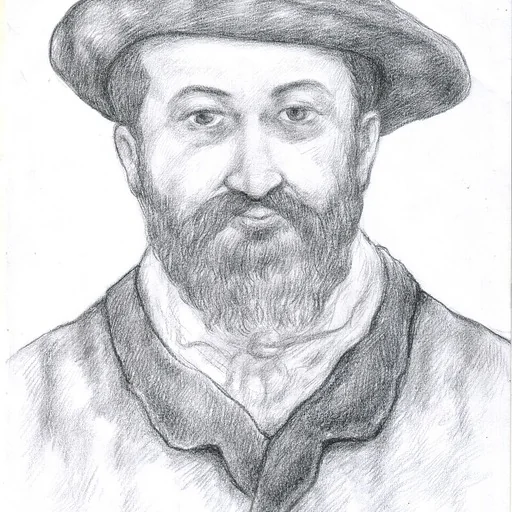
Artist
Pierre Emmanuel Damoye (20 February 1847 – 23 January 1916) was a French artist who was regularly recognized by a broad range of art critics as one of the most significant heirs to the Barbizon school tradition.