Artwork
Beggar (Kojiki)
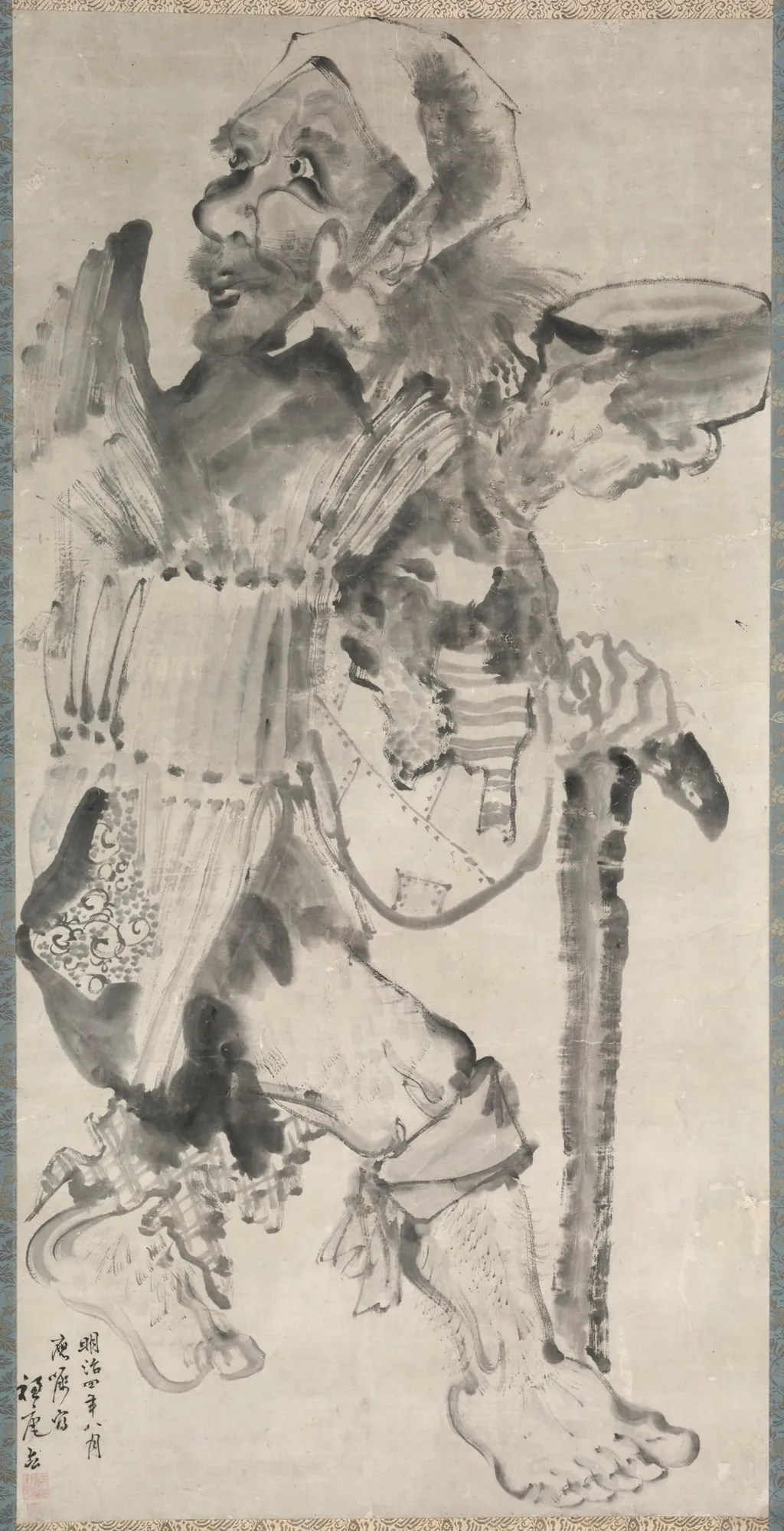
Beggar (Kojiki) is an unspecified painting by the Impressionist artist Hirafuku Suian. It dates from 1871 and is held in the collection of the Cleveland Museum of Art.
About this work
The artist painted this during Japan’s Meiji period, just after the country opened to the world.
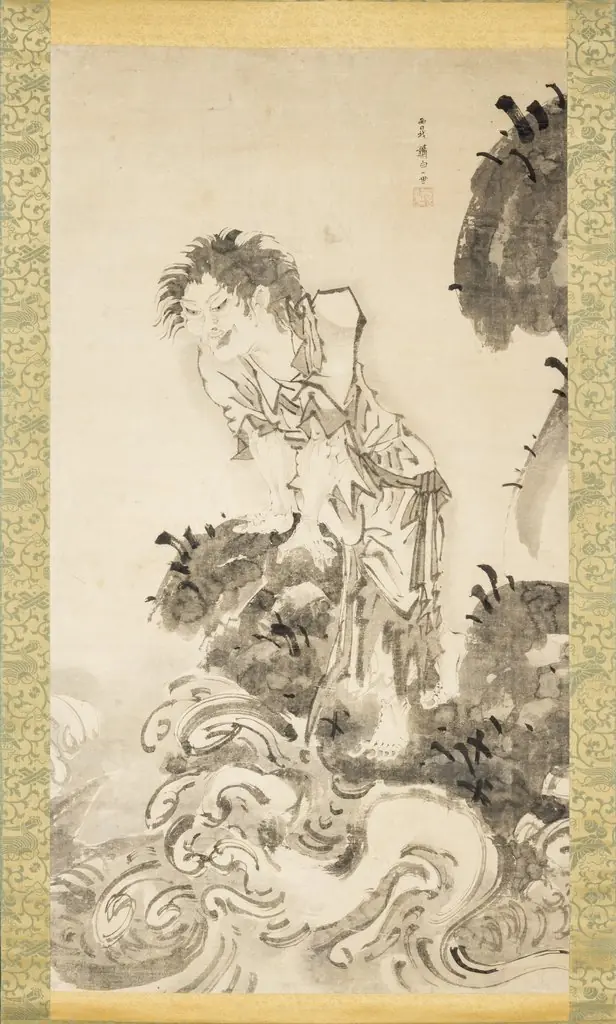
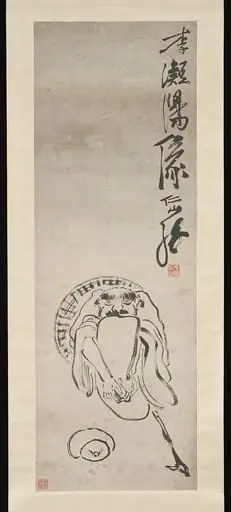
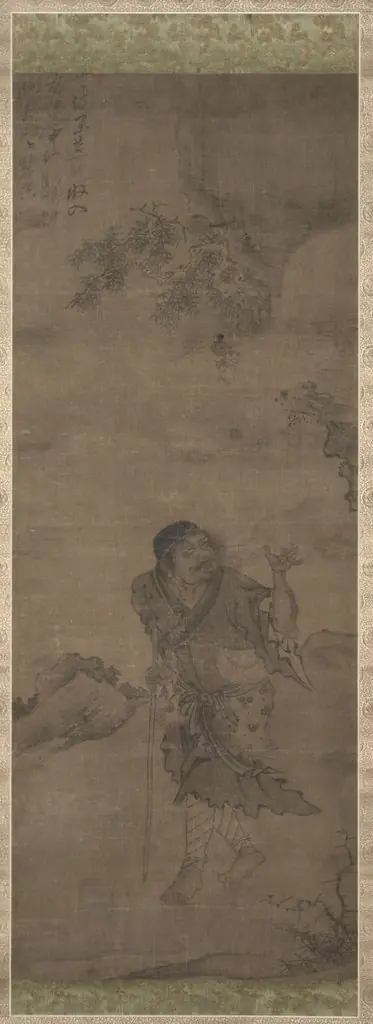
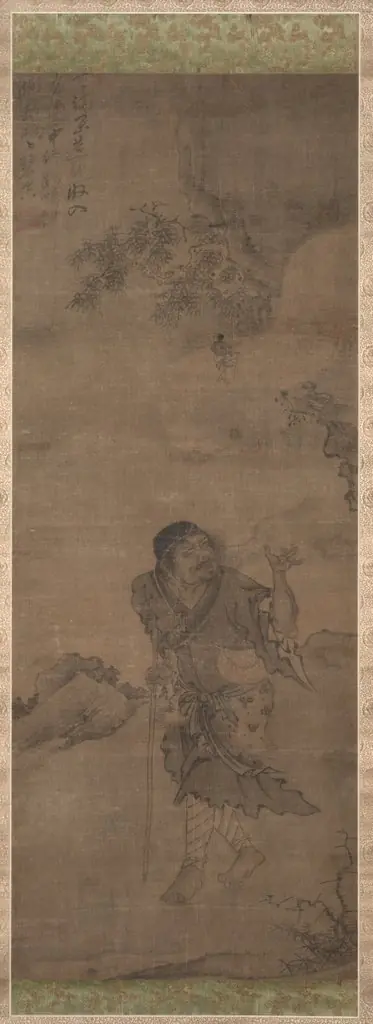
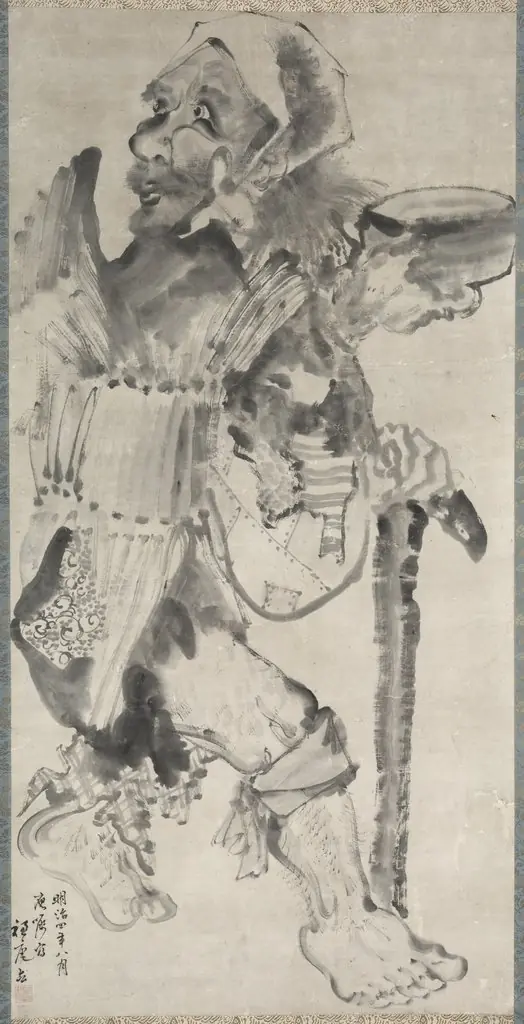
This painting shows an old man in rags, sitting on the ground with a bowl in his hands. His face is worn and tired. The light falls sharply on one side, leaving the other dark.
The artist painted this during Japan’s Meiji period, just after the country opened to the world. Beggars were common then, but this one feels real, not just a symbol.
Look up Hirafuku Suian (Japanese, 1844–1890) to see more.
Overview
Hirafuku Suian, born in 1844 in Akita Prefecture, was a painter active during Japan’s Meiji era. Trained in Kyoto, he gained recognition in regional and national industrial expositions for his realistic depictions of everyday subjects. His painting Beggar (Kojiki) reflects a shift in artistic focus toward ordinary people, capturing a moment of quiet dignity amid social change.
Subject & Meaning
The figure is an elderly man, seated on the ground, clad in tattered clothing, holding a bowl. His weathered expression conveys exhaustion rather than theatrical despair. The term kojiki, historically linked to mendicant monks, subtly connects the figure to a tradition of ascetic humility, yet the portrayal resists symbolism, presenting a specific individual shaped by the era’s economic hardships.
Technique & Style
Hirafuku employed strong chiaroscuro to model the figure’s form, with light carving sharply across one side of the face and body while the rest recedes into shadow. Brushwork is restrained, emphasizing texture in fabric and skin without ornamentation. The composition isolates the subject against a neutral background, heightening the psychological weight of the moment.
History & Provenance
Painted during the 1880s, the work was exhibited at the Akita Prefectural Industrial Exposition in 1880, where it earned first prize. Hirafuku’s later recognition at the National Industrial Exposition in 1890 for Nursing Tigress confirms his technical skill. The painting’s survival and continued attribution to him reflect its significance within regional art circles during a period of rapid modernization.
Context
As Japan opened to Western influence, traditional social structures shifted, and visible poverty became more pronounced in urban and rural areas. While some artists idealized or exoticized beggars, Hirafuku’s approach avoided sentimentality. His depiction aligns with emerging realist tendencies in Meiji art, responding to a society redefining identity amid modernization.
Legacy
Hirafuku’s work remains a quiet example of regional realism in late 19th-century Japan. Though not widely known outside Akita, his focus on unidealized human subjects contributed to a broader movement that valued observation over convention. Beggar (Kojiki) endures as a testament to the dignity found in ordinary lives during a time of national transformation.
Artist & collection