Artwork
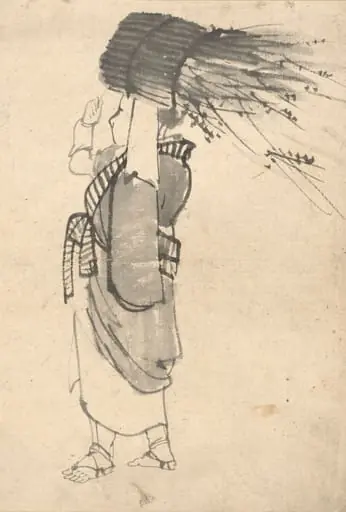
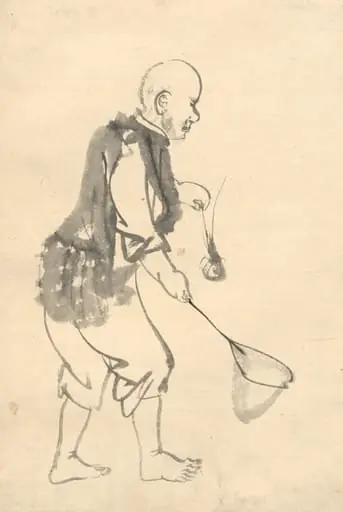
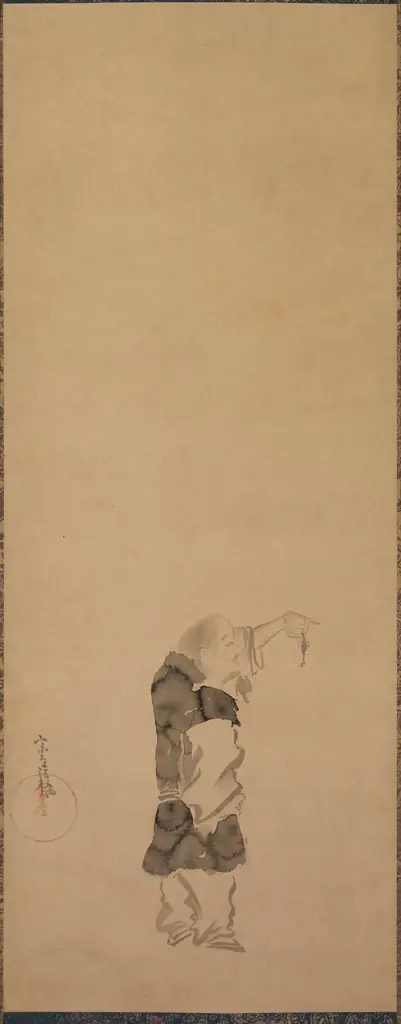
Dancer in a Fisherman's Costume
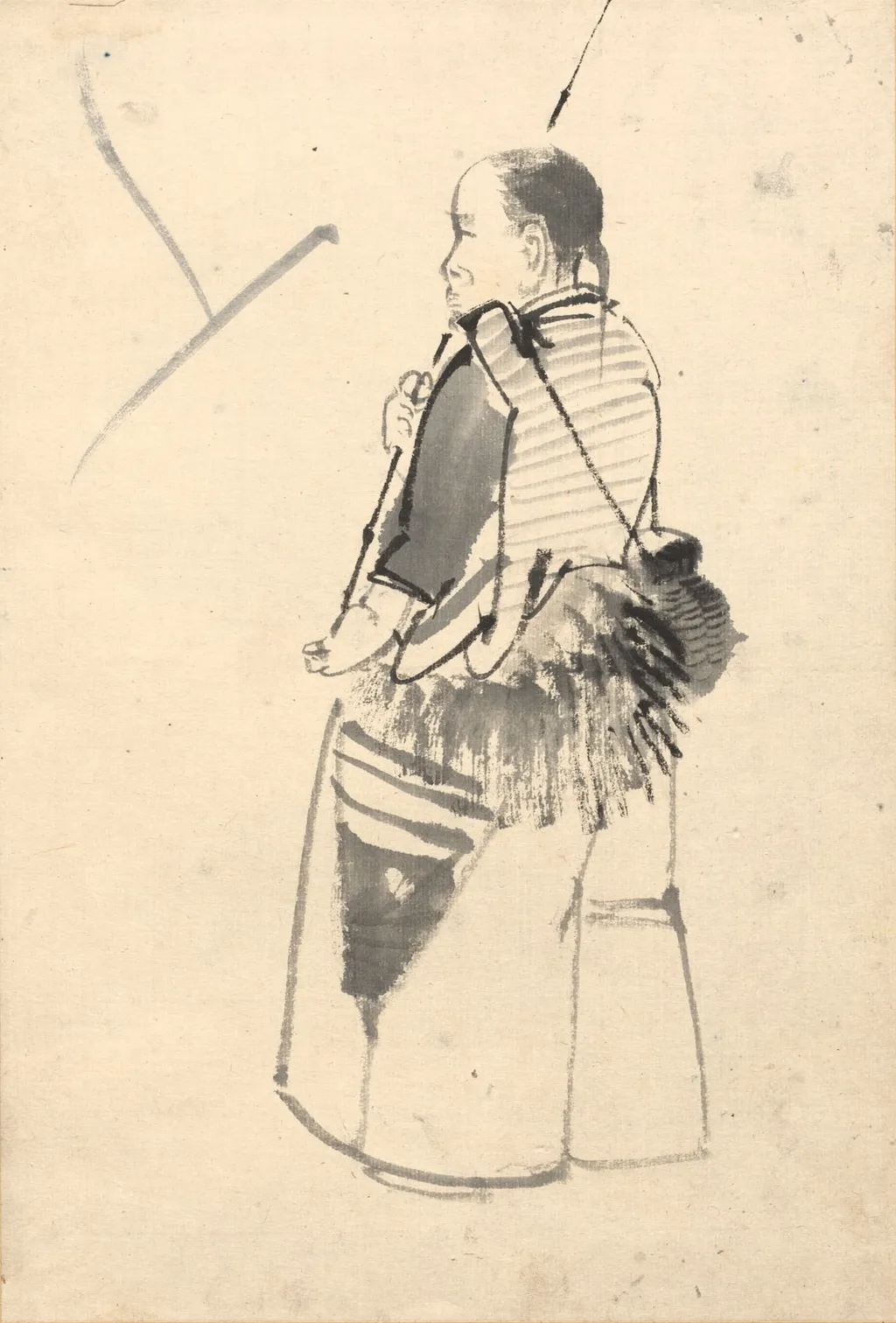
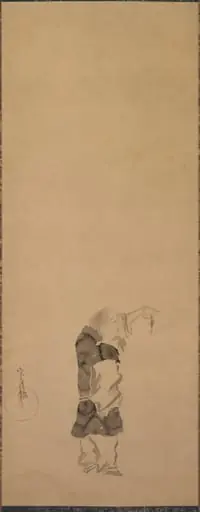
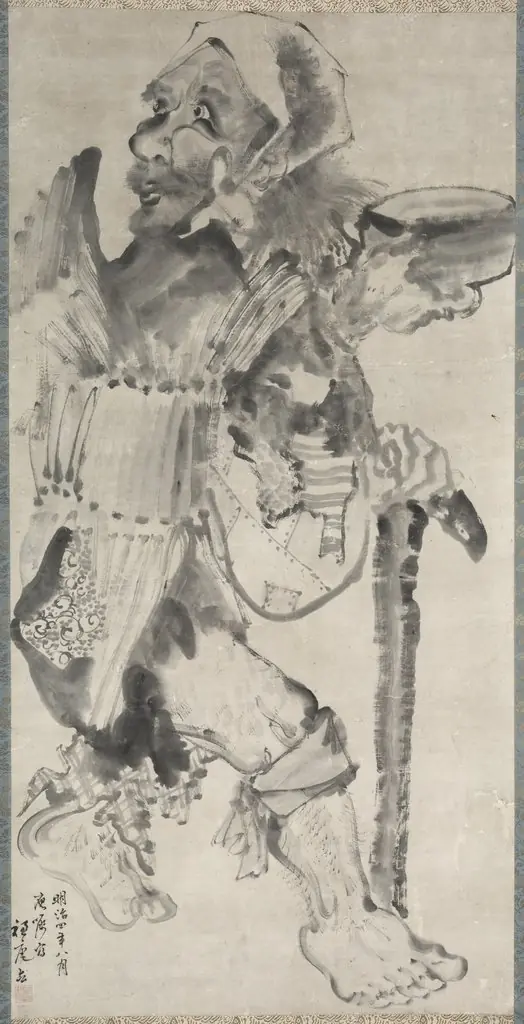
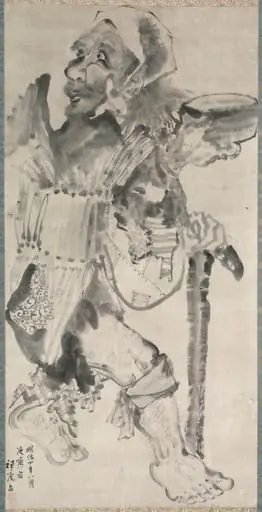
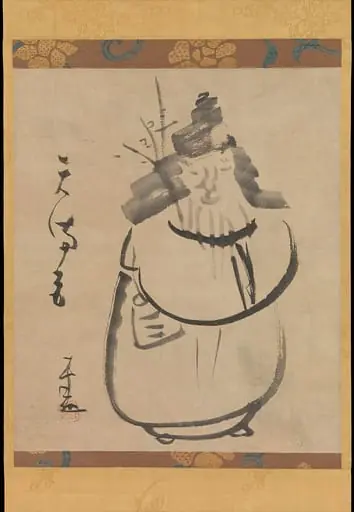
Dancer in a Fisherman's Costume is a drawing by the Impressionist artist Kōno Bairei. It dates from 1888 and is held in the collection of the Cleveland Museum of Art.
About this work
Overview
Though Bairei was best known for kacho-e—bird-and-flower subjects—he explored theatrical and everyday themes during the Meiji era.
Created around 1888 by Kōno Bairei, a Kyoto-based artist linked to the Maruyama-Shijo school, this ink and color drawing portrays a performer in fisherman’s attire. Though Bairei was best known for kacho-e—bird-and-flower subjects—he explored theatrical and everyday themes during the Meiji era. The work is part of The Cleveland Museum of Art’s collection, reflecting his versatility beyond traditional naturalism.
Subject & Meaning
The figure is dressed as a fisherman—striped tunic, flowing skirt, and waist sash—holding a long pole, suggesting a ritual or performance rather than labor. The costume may reference local festivals or folk theater, where such attire was worn in dance. The pose implies motion, evoking the rhythm of coastal customs, though the exact context remains ambiguous. Bairei captures a moment of cultural performance, not literal occupation.
Technique & Style
Bairei employed delicate ink lines and translucent washes to define form and movement, characteristic of the Maruyama-Shijo tradition. The figure emerges from a muted, uncluttered background, enhancing the sense of dynamism. Details like fabric folds and the pole’s tapering line are rendered with precision, balancing naturalism with expressive fluidity. The technique avoids heavy shading, relying instead on contour and tone to suggest volume and motion.
History & Provenance
The drawing was made during the Meiji period, a time of rapid cultural change in Japan, when traditional arts were both preserved and reinterpreted. Bairei’s work circulated among collectors and patrons in Kyoto before entering Western collections. It was acquired by The Cleveland Museum of Art in the 20th century, likely through early 20th-century Japanese art dealers who facilitated the export of Edo and Meiji-era works.
Context
In Meiji-era Japan, artists like Bairei responded to both domestic traditions and new Western influences. While the drawing’s naturalism may resemble Realism, it remains rooted in Japanese ink painting conventions. The choice of a performer in folk costume reflects a broader interest in regional customs during a period of national modernization, where cultural identity was being redefined through art.
Legacy
Bairei’s work, including this drawing, illustrates the adaptability of Kyoto’s painting schools during a transformative era. Though less known than his bird-and-flower pieces, this subject reveals his engagement with performance and daily life. The piece endures as a quiet testament to the persistence of folk expression amid Japan’s modernization, preserved in a major Western institution as part of a broader appreciation for Meiji-era ink art.
Artist & collection
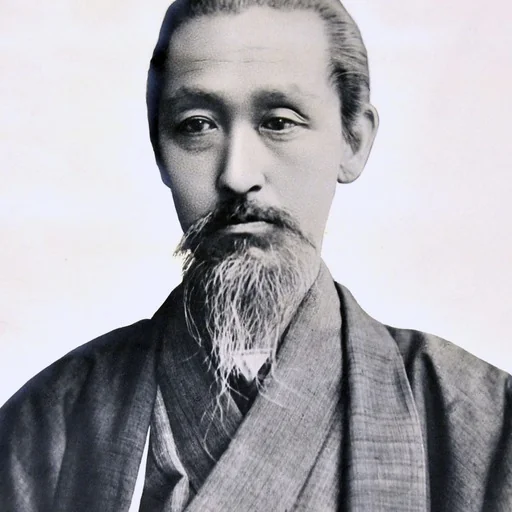
Artist
Kōno Bairei (幸野 楳嶺; March 3, 1844 – February 20, 1895) was a Japanese painter, book illustrator, and art teacher.