Artwork
Untitled
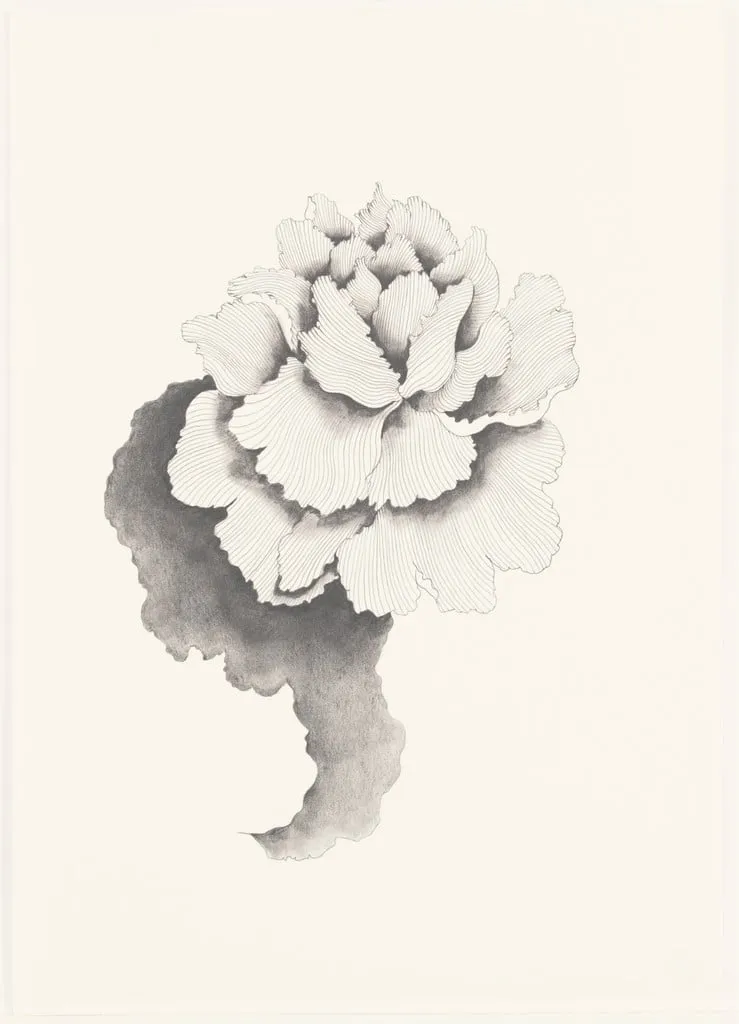
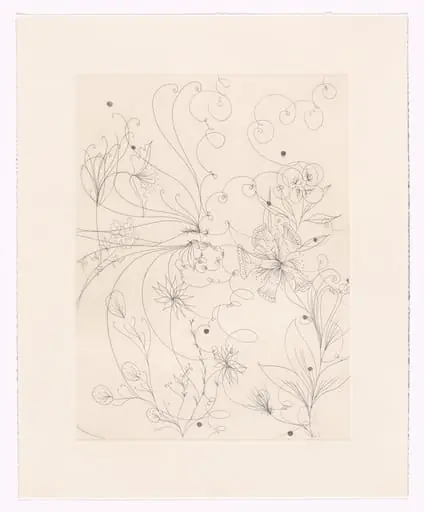
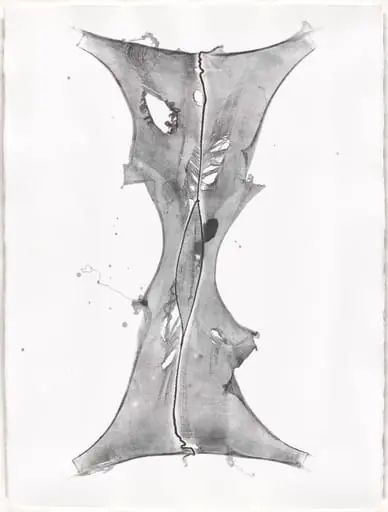
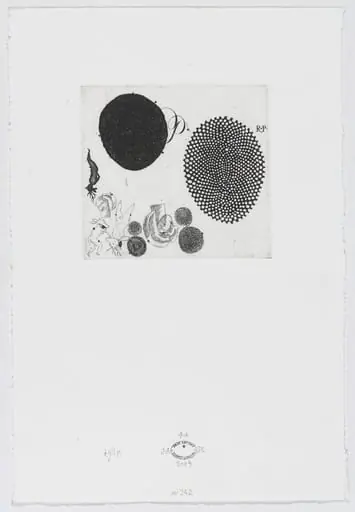
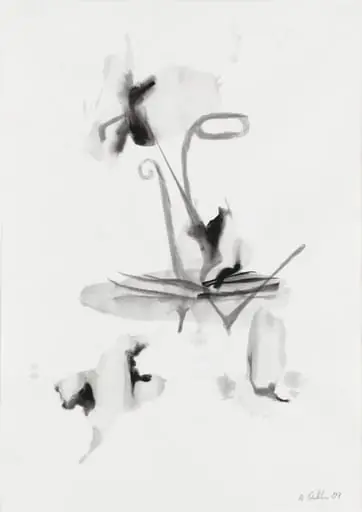
Untitled is a graphite drawing by Hiroe Saeki. It dates from 2003 and is held in the collection of the Museum of Modern Art.
About this work
Overview
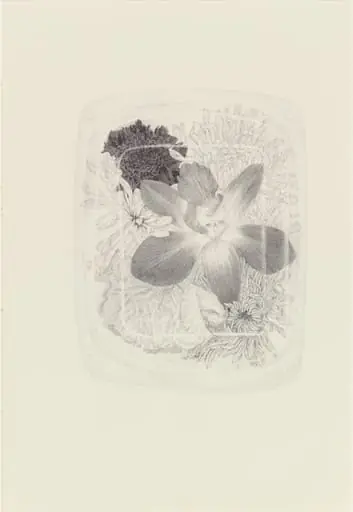
Created in 2003, this pencil drawing by Hiroe Saeki is part of The Museum of Modern Art’s collection. It depicts a solitary flower rendered in monochrome, with no background or contextual elements. The composition focuses entirely on the form and texture of the bloom, emphasizing quiet observation over narrative. The work’s simplicity invites close attention to the subtleties of line and tone.
Subject & Meaning
The subject is a single flower, rendered without species-specific markers, allowing it to function as a universal form.
The subject is a single flower, rendered without species-specific markers, allowing it to function as a universal form. Its delicate petals, layered with fine pencil strokes, suggest fragility and transience. The smudged, indistinct stem and shadowed base imply roots dissolving into darkness, reinforcing a sense of isolation. The image evokes contemplation rather than symbolism, centering on presence and impermanence.
Technique & Style
Saeki employs precise pencil work to build texture through varying pressure and layering. Petals are defined by thin, overlapping lines that suggest movement and volume, while the center uses soft, blended shading to create depth without hard edges. Some areas appear carved through aggressive hatching, others dissolve into near-watercolor gradients. The technique avoids uniformity, giving the flower an organic, breathing quality.
History & Provenance
The drawing was acquired by The Museum of Modern Art shortly after its creation in 2003. It entered the collection as part of a broader interest in contemporary Japanese drawing practices. No prior exhibition or private ownership history is publicly documented, suggesting it was likely made for direct institutional acquisition or as part of a focused studio practice.
Context
Saeki’s work emerged during a period when Japanese artists were redefining drawing as a primary medium, not merely preparatory. Her approach aligns with a quiet, introspective tradition in postwar Japanese art—emphasizing materiality, restraint, and the poetic potential of the everyday. This piece reflects a broader shift toward intimate, non-narrative imagery in contemporary drawing.
Legacy
Though not widely reproduced, the drawing contributes to ongoing dialogues about the expressive limits of pencil in contemporary art. Its quiet intensity has influenced emerging artists exploring minimalism and tactile mark-making. The work remains a quiet reference point in discussions of how simplicity can carry emotional weight without symbolic overload.
Artist & collection