Artwork
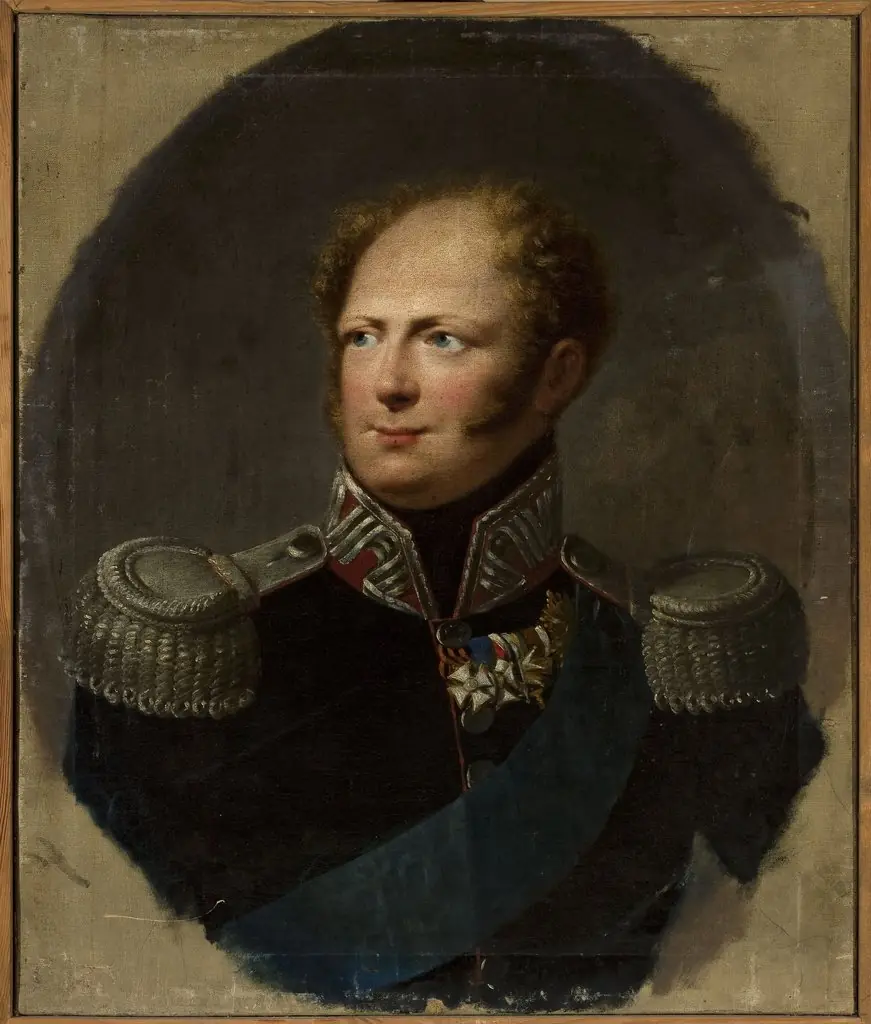
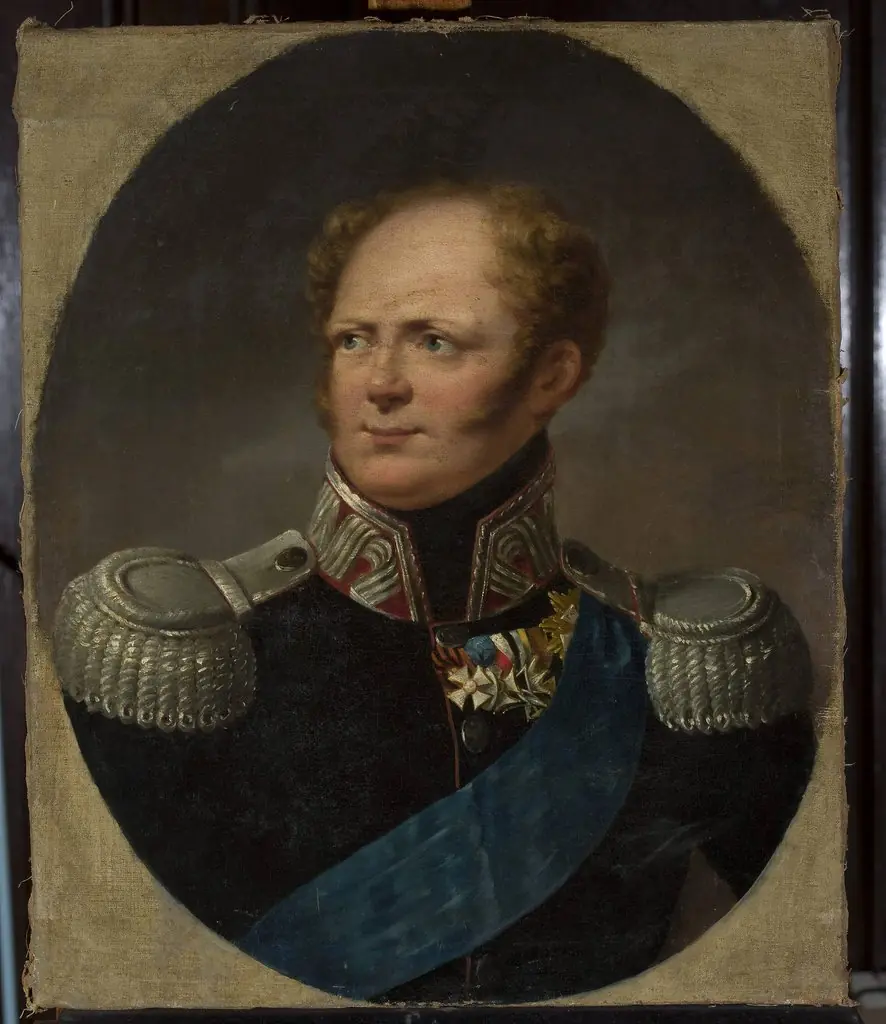
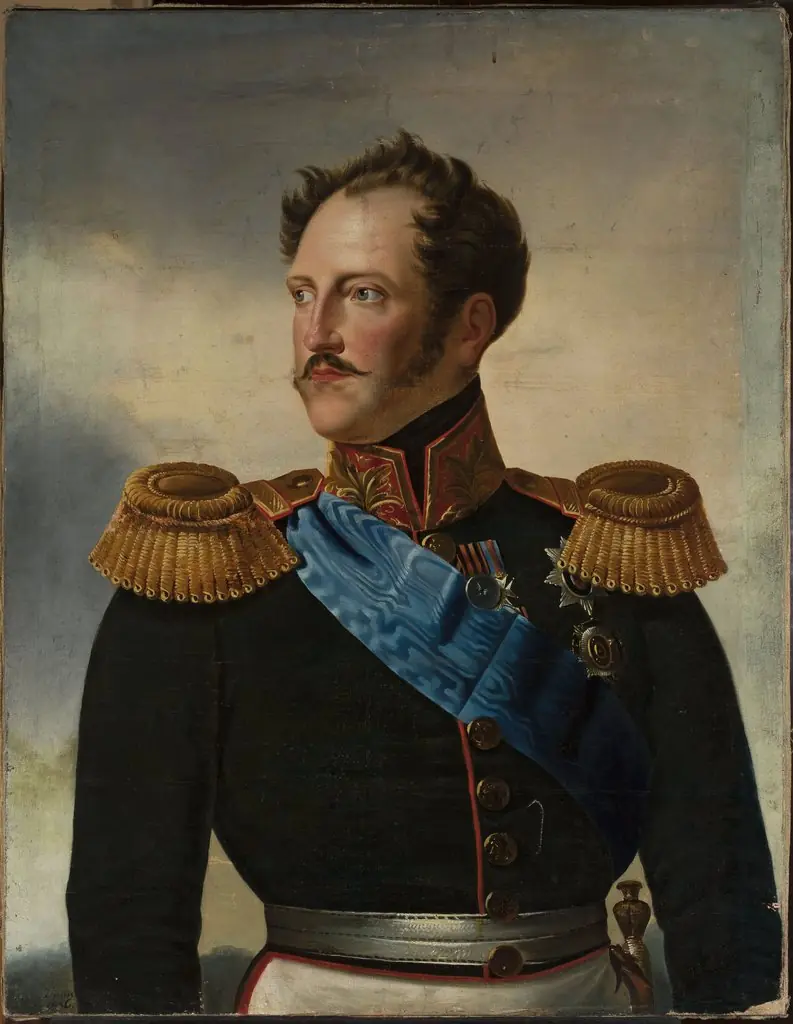
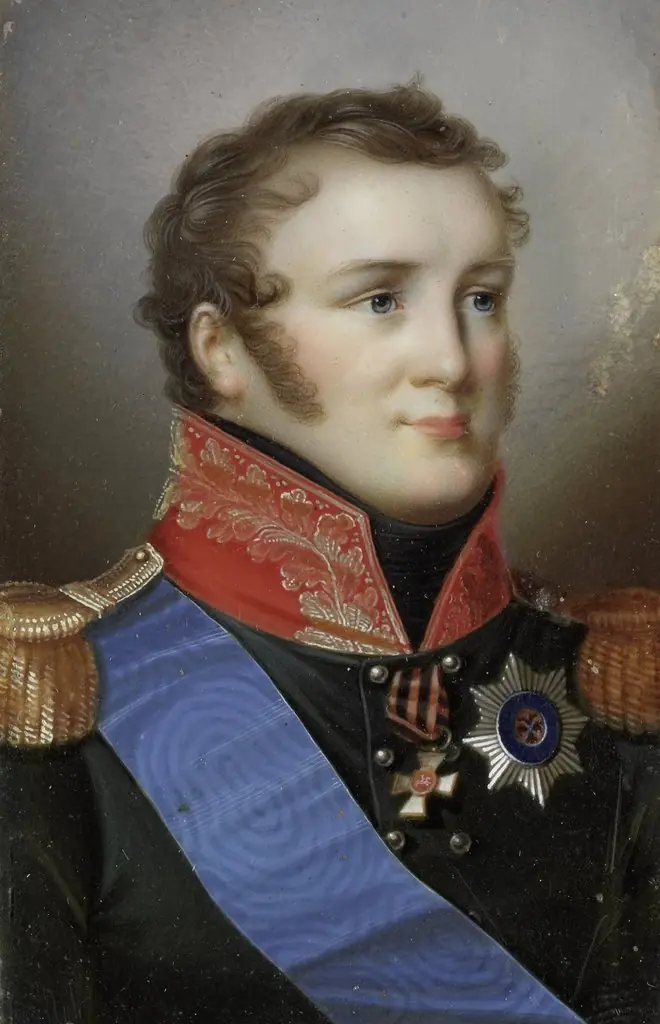
Portrait of Alexander I, Emperor of Russia
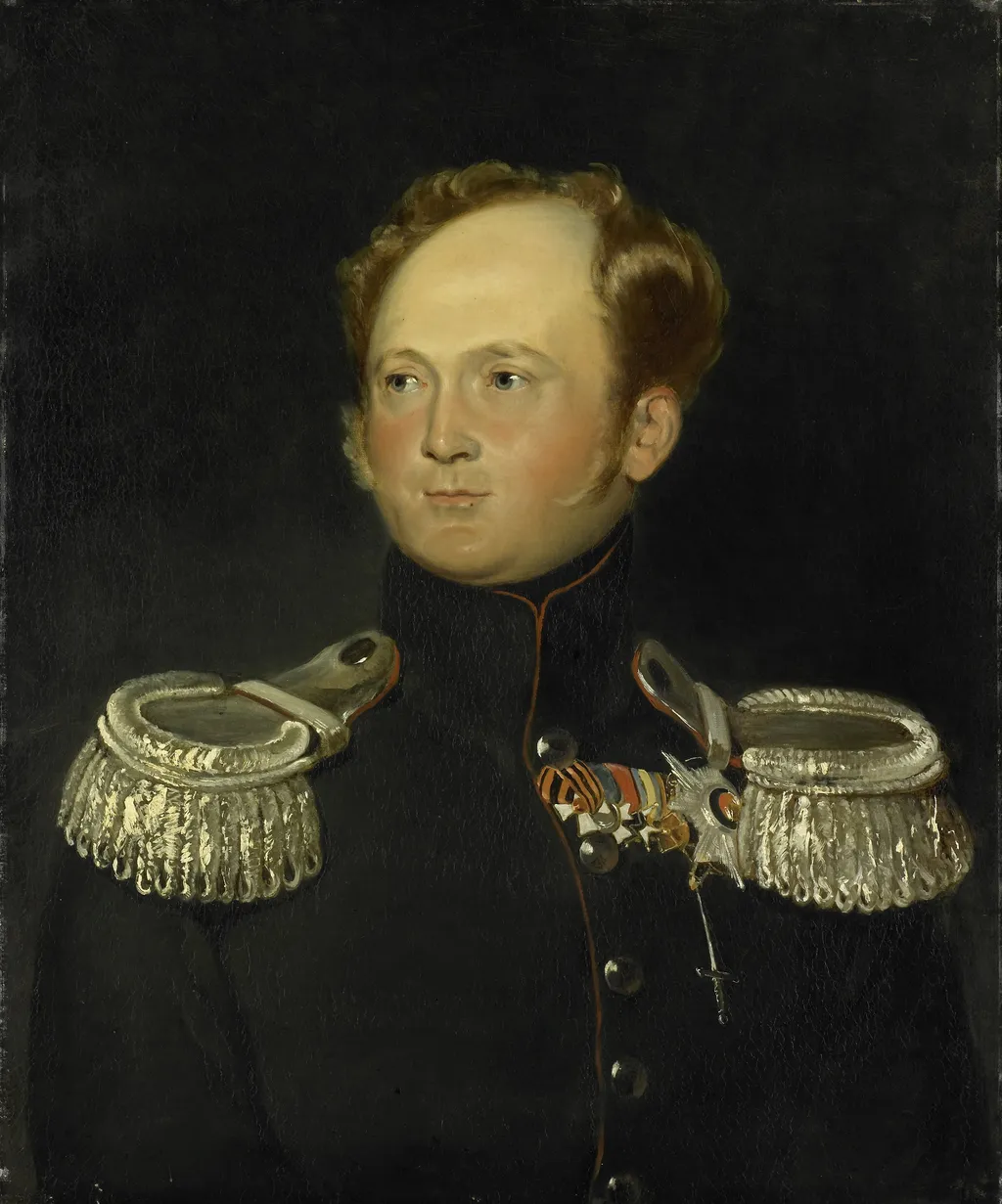
Portrait of Alexander I, Emperor of Russia is an oil painting by Hjalmar Mörner. It dates from 1833 and is held in the collection of the Rijksmuseum.
About this work
Overview
Painted in 1833 by Swedish artist Hjalmar Mörner, this oil portrait captures Alexander I, Emperor of Russia, in formal military attire. The work is part of the Rijksmuseum’s collection and reflects the 19th-century tradition of state portraiture, emphasizing authority through controlled composition and restrained color. The background is uniformly dark, directing focus entirely to the figure.
Subject & Meaning
Alexander I is portrayed not as a ceremonial monarch but as a commanding military leader. His black uniform, adorned with gold epaulets, signals his role in the Napoleonic Wars and his position as a European power broker. The direct gaze and furrowed brow convey solemnity and resolve, aligning the image with ideals of duty and gravitas expected of imperial rulers in the post-revolutionary era.
Technique & Style
Mörner employs chiaroscuro to model the emperor’s face and uniform, creating subtle transitions between light and shadow that enhance three-dimensionality.
Mörner employs chiaroscuro to model the emperor’s face and uniform, creating subtle transitions between light and shadow that enhance three-dimensionality. The rendering is precise but not ornate; details like the texture of fabric and the sheen of metal are rendered with quiet accuracy. The absence of decorative elements or landscape reinforces the portrait’s psychological intensity and formal restraint.
History & Provenance
Commissioned during Alexander I’s later years, the portrait entered the Rijksmuseum’s holdings in the 19th century, likely through diplomatic or royal exchange. Its presence in Amsterdam suggests the Dutch court’s interest in Russian imperial imagery during a period of shifting European alliances. The painting has remained in public collection since its acquisition, with no record of significant alteration.
Context
Created just two years after Alexander I’s death, the portrait serves as a posthumous commemoration rather than a live likeness. It aligns with broader European trends in which rulers were depicted as stoic, disciplined figures, distancing themselves from the theatricality of earlier monarchies. Mörner, a Swedish painter active in Russia, brought a Nordic realism to imperial iconography, blending northern precision with Russian symbolism.
Legacy
The portrait remains a representative example of early 19th-century state portraiture, valued for its unembellished realism and psychological nuance. While not widely reproduced, it contributes to scholarly understanding of how Russian imperial identity was visually constructed abroad. Mörner’s approach influenced later Scandinavian artists working in Russian imperial circles, though his name remains less known than his contemporaries.
Own this work as a print
Artist & collection

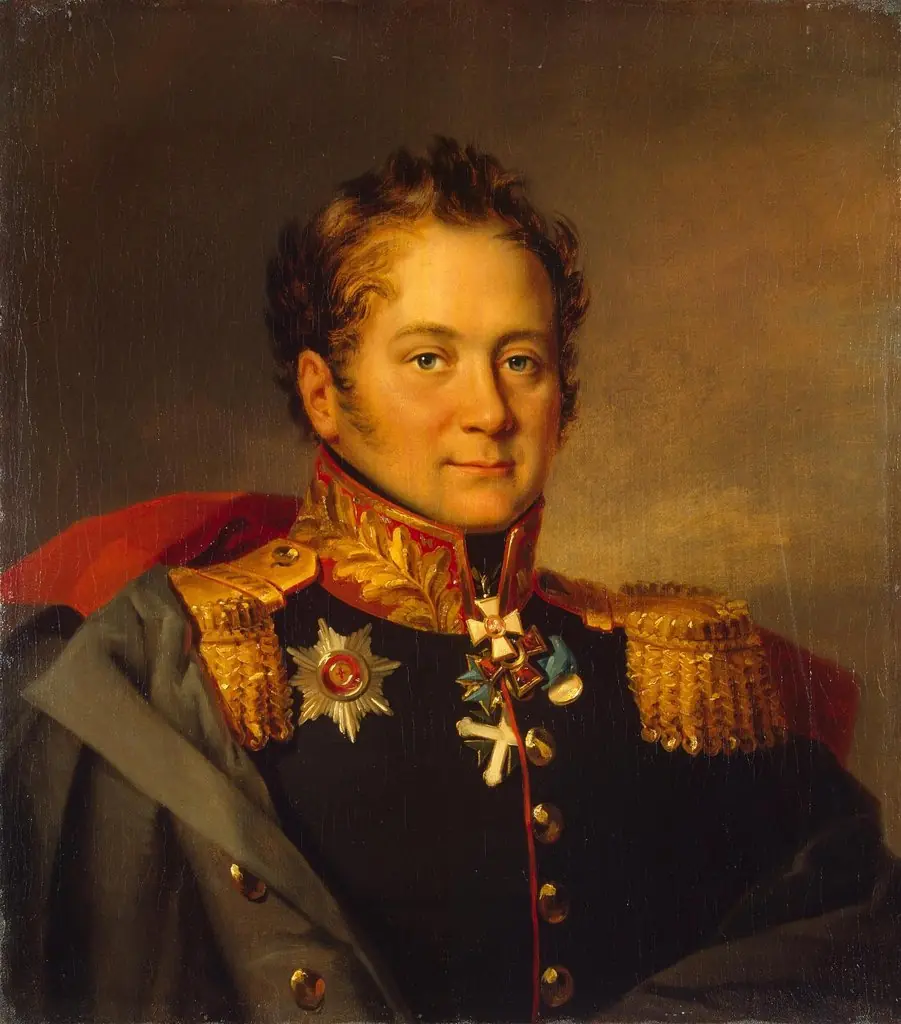 Portrait of Alexander A. Pisarev (1780-1848)
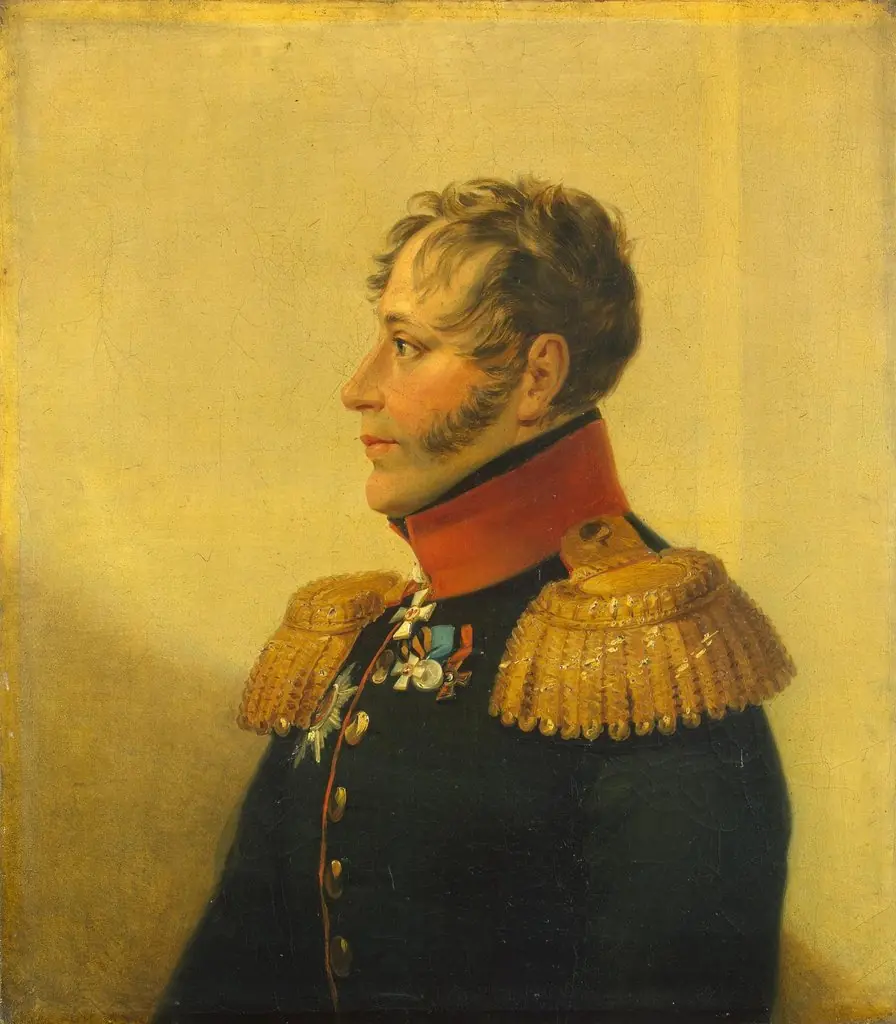 Portrait of Yegor A. Akhte (1772-1826)
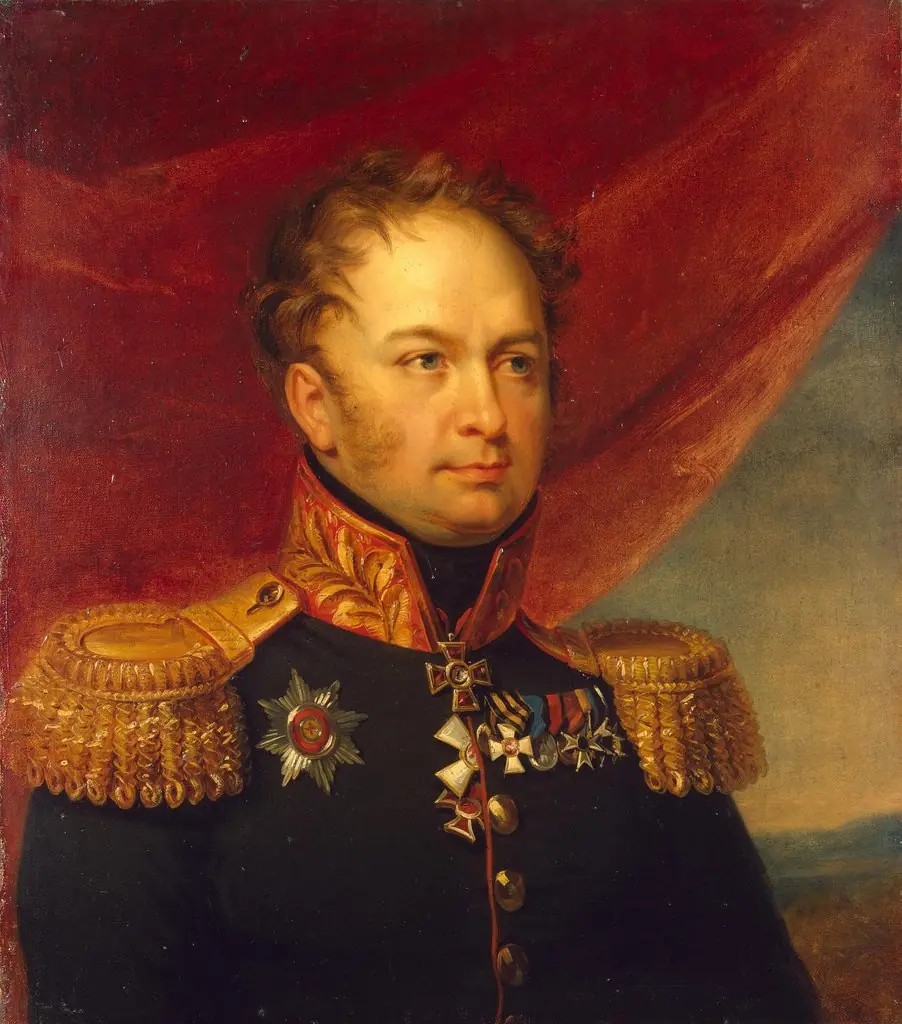 Portrait of Mikhail F. Vlodek (1780-1849)
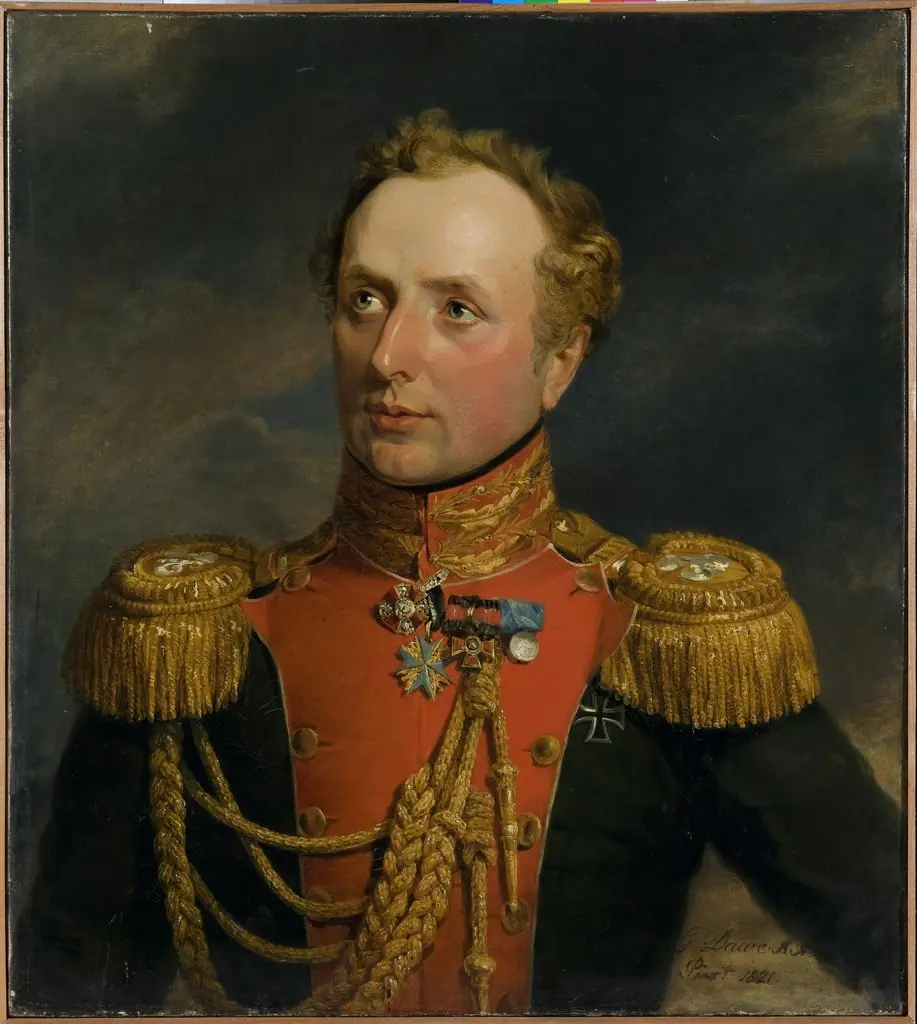 Karl von Pirch
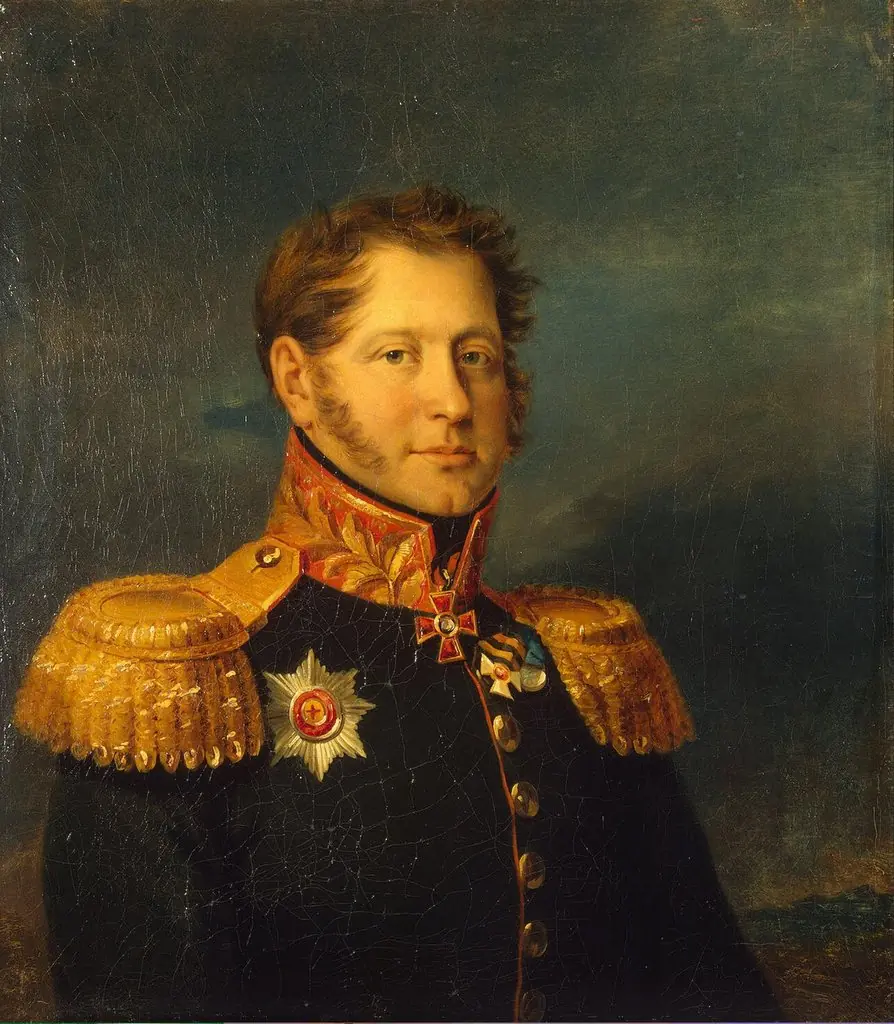 Portrait of Alexander I. Gressor (1772-1822)
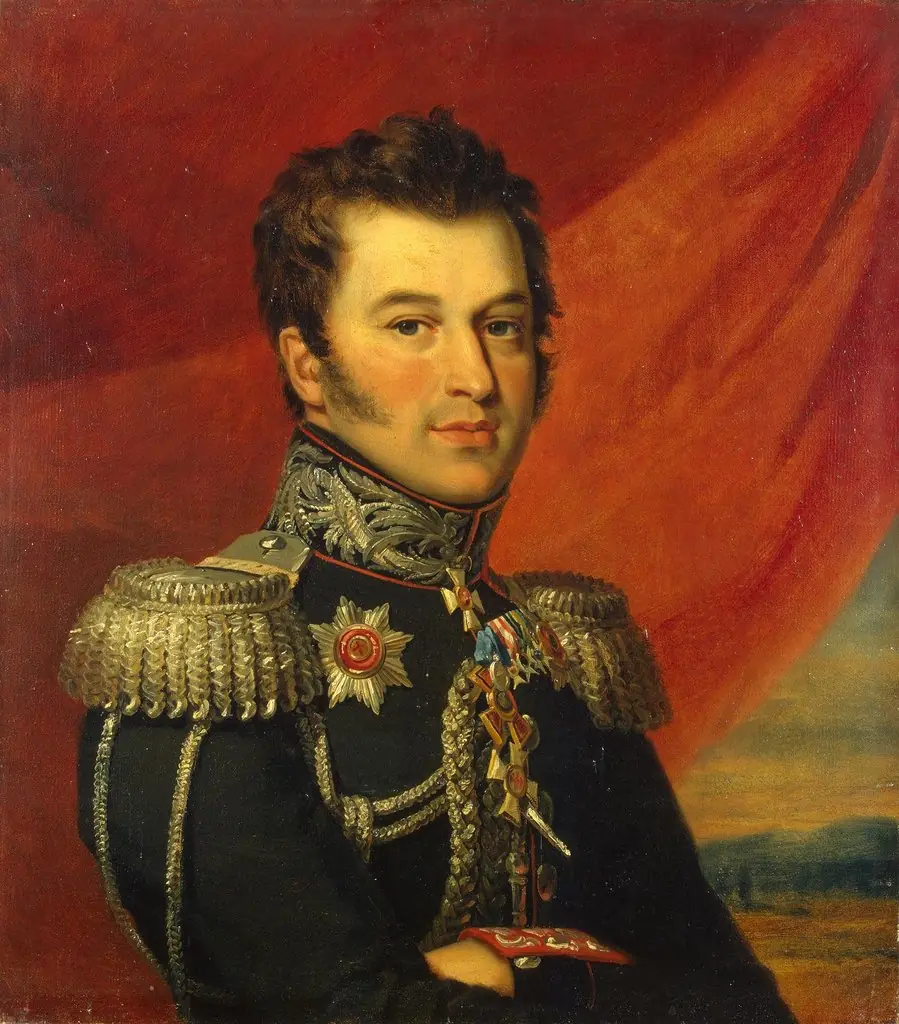 Portrait of Paisy S. Kaisarov (1783-1844)
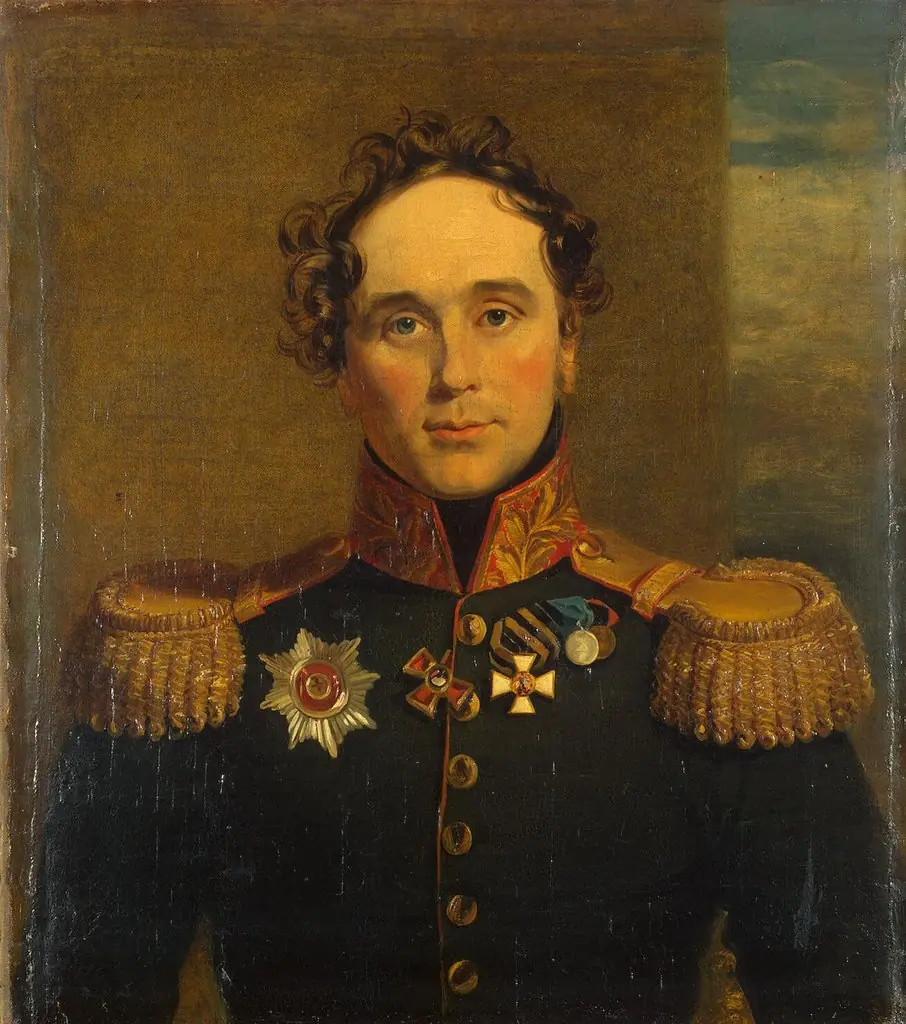 Portrait of Fyodor V. Driesen (1781-1851)
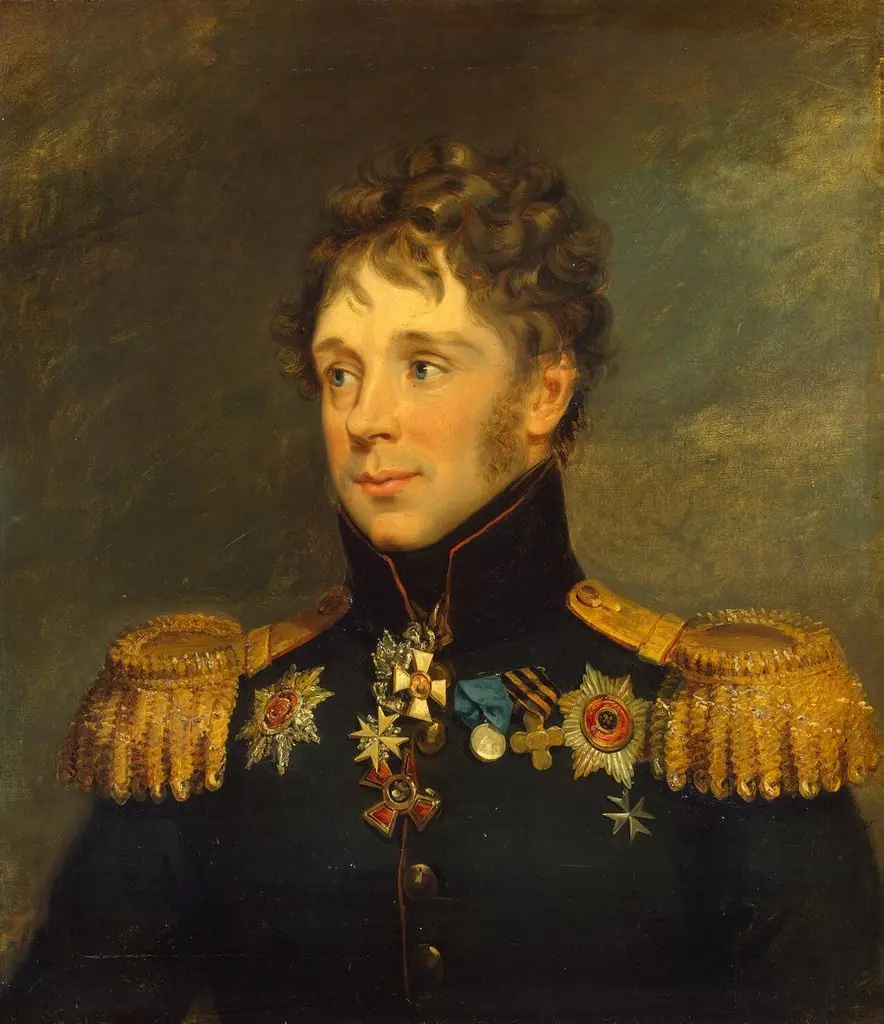 Portrait of Dmitry P. Rezvy (1762-1823)