Artwork
A Zaw-Yein Man
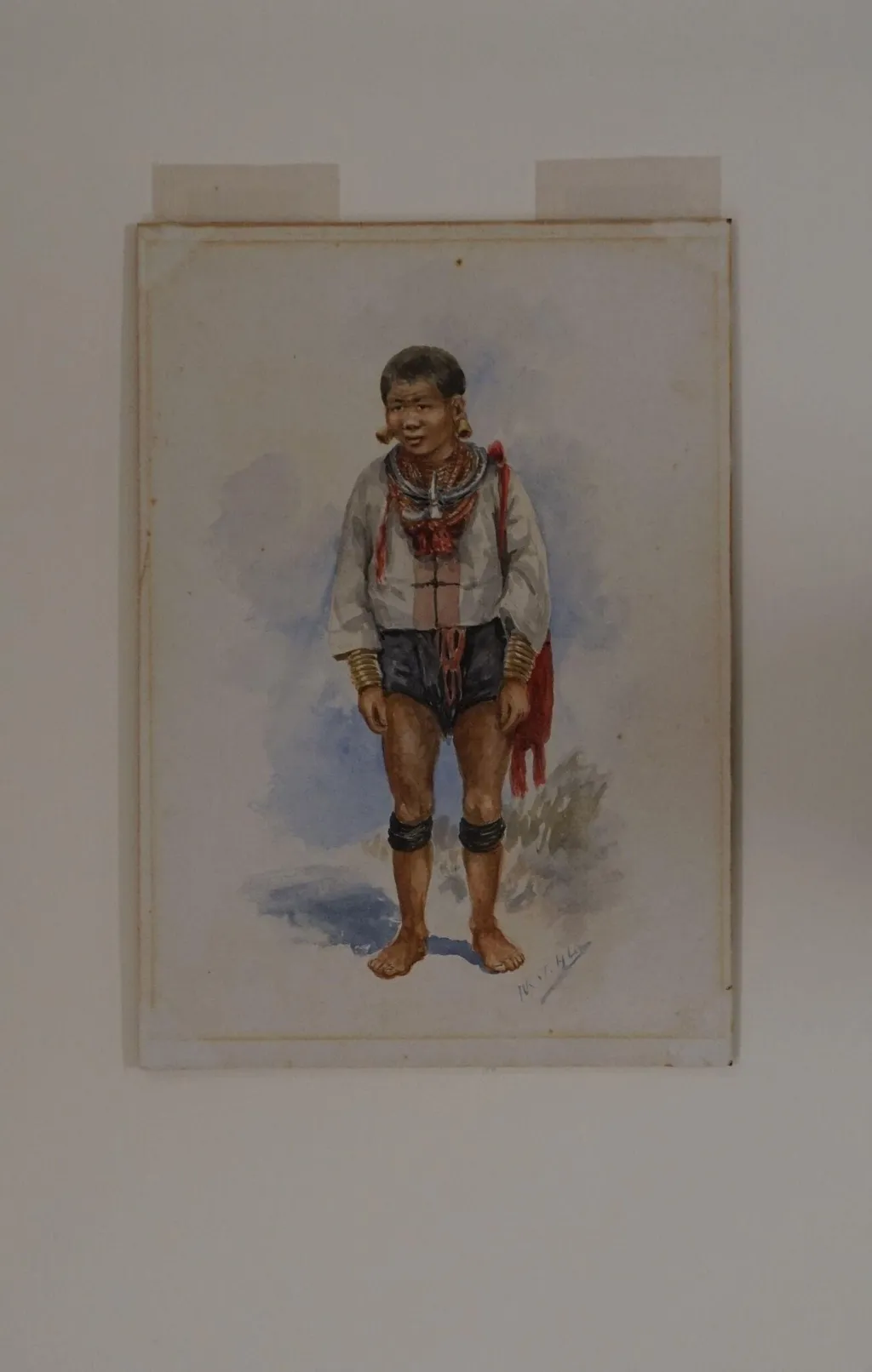
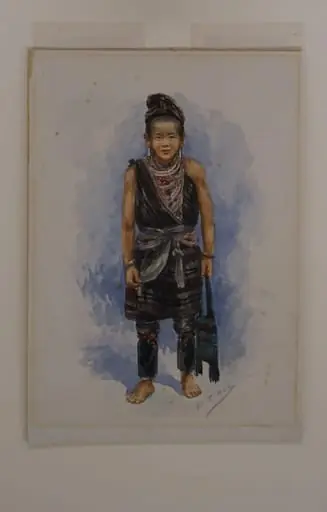
A Zaw-Yein Man is a watercolor work on paper by the Impressionist artist Maung Tin Hla. It dates from 1903 and is held in the collection of the Victoria and Albert Museum. This watercolor portrays a man from the Zaw-Yein subgroup of the Karen people in Kayah State, Myanmar.
About this work
Overview
The subject stands barefoot against a muted background of pale sky and faint vegetation, emphasizing his isolation and the immediacy of the depiction.
This watercolor portrays a man from the Zaw-Yein subgroup of the Karen people in Kayah State, Myanmar. Rendered in loose, fluid washes, the image captures a momentary presence rather than a formal portrait. The artist employed minimal detail and unrefined edges, suggesting a spontaneous, on-site observation. The subject stands barefoot against a muted background of pale sky and faint vegetation, emphasizing his isolation and the immediacy of the depiction.
Subject & Meaning
The man is identified as Zaw-Yein, a Karen subgroup historically known as Sawng-tung or Gaung-to. His attire and adornments—black trousers, red cord, brass arm rings, a neck torque, and necklaces with red stones—signal cultural identity and social status. The boar’s tusk and ear-plugs further denote rank within his community. The crossed arms and direct gaze suggest composure, possibly reflecting a deliberate presentation to the artist, whether as ritual, dignity, or documentation.
Technique & Style
The work is executed in soft watercolor washes with minimal layering, creating a light, airy texture. Edges are deliberately blurred or left unfinished, and the brushwork appears rapid and unpolished. The artist avoided sharp contours, allowing pigment to bleed slightly into the paper. This sketch-like approach conveys a sense of immediacy, as if the image was composed during a single encounter rather than through prolonged study.
History & Provenance
The painting likely originated during the British colonial period in Burma, when ethnographic watercolors were commonly produced for administrative or scholarly purposes. Though its exact origin is undocumented, its style aligns with works made by colonial officers or traveling artists documenting indigenous groups. It may have entered a private or institutional collection in the early 20th century, though its path to public display remains unclear.
Context
The Zaw-Yein people, part of the broader Karen ethnic group, have long inhabited the mountainous regions of Kayah State. Their material culture, including brass ornaments and specific textile patterns, distinguishes them from neighboring communities. Colonial-era artists often recorded such details as part of ethnographic surveys, though these depictions sometimes reduced complex identities to visual stereotypes. This watercolor reflects that tradition while preserving subtle individuality.
Legacy
As a modest watercolor, this work contributes to a broader archive of Southeast Asian ethnographic imagery from the colonial era. It does not seek grandeur but offers a quiet record of personal adornment and presence. Today, it serves as a material reference for cultural continuity and historical representation, valued more for its observational honesty than its artistic polish.
Artist & collection
Artist
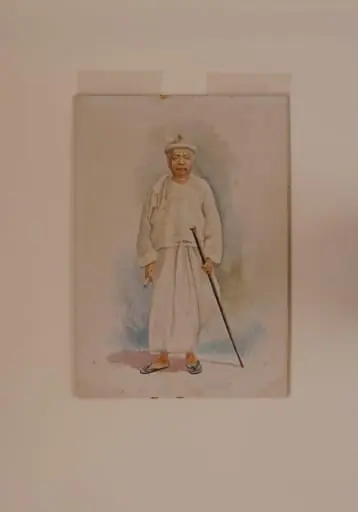
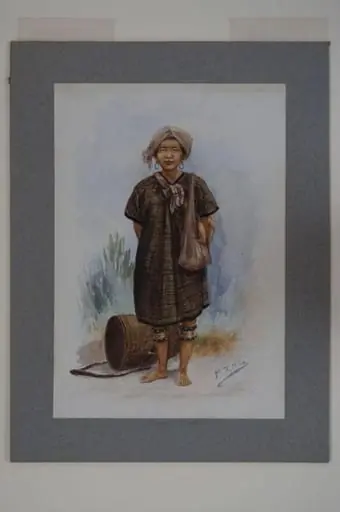
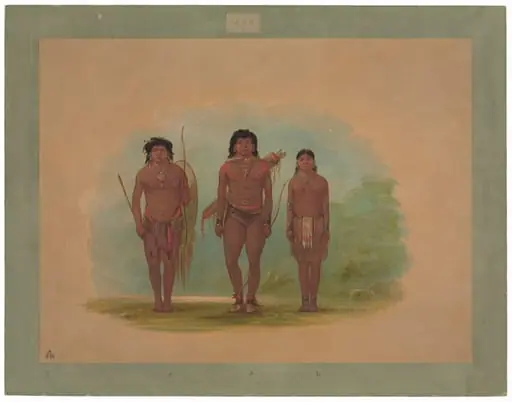
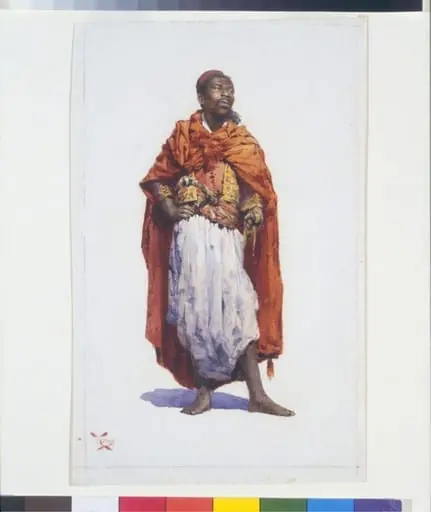
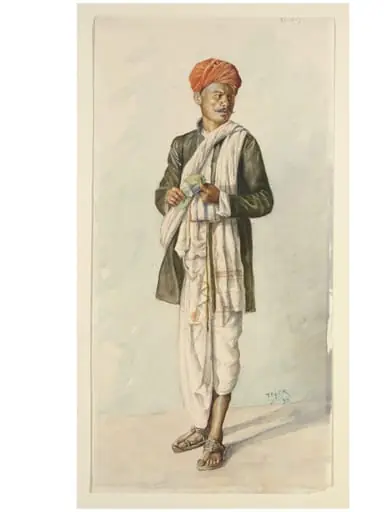
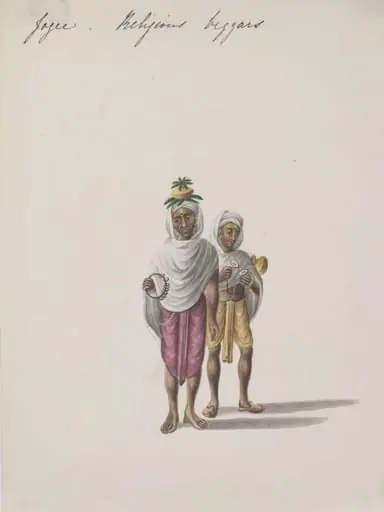
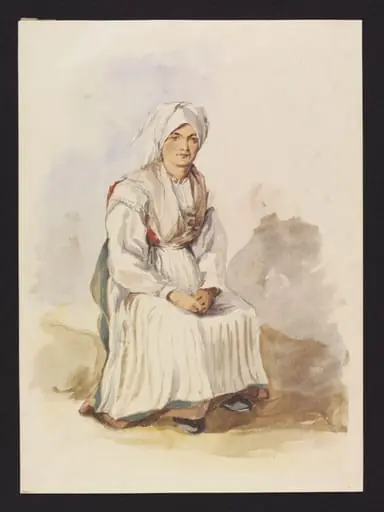
These watercolors from the early 1900s capture people from Myanmar’s Kayah, Taung Yo, and Zaw-Yein communities.