Artwork
H Beard Print Collection
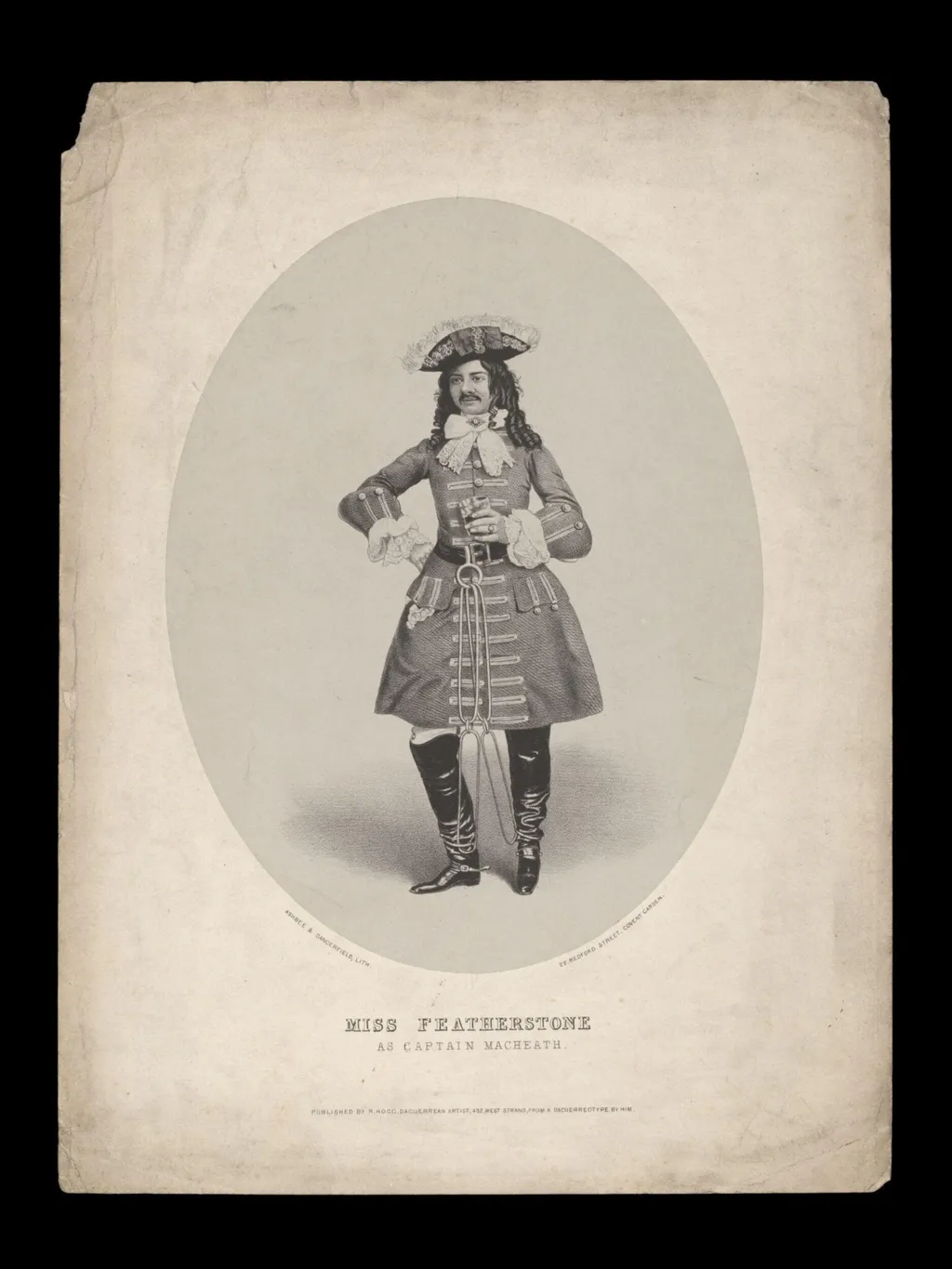
H Beard Print Collection is a print by R. Hocc. It dates from 1850 and is held in the collection of the Victoria and Albert Museum.
About this work
The H Beard Print Collection is a print from the 19th century.
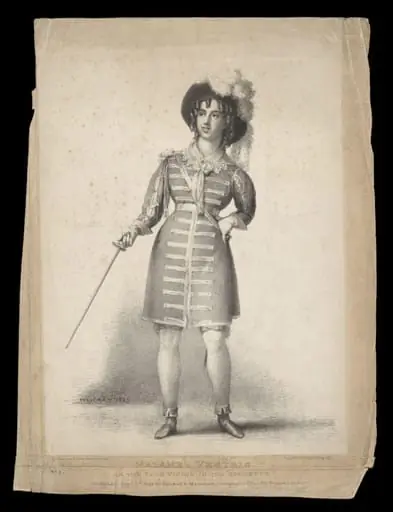
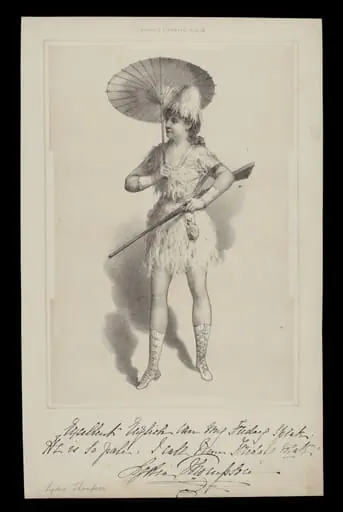
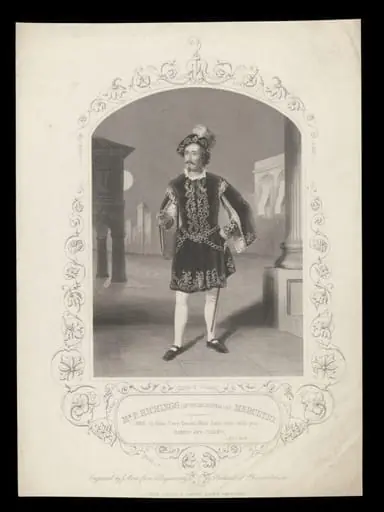
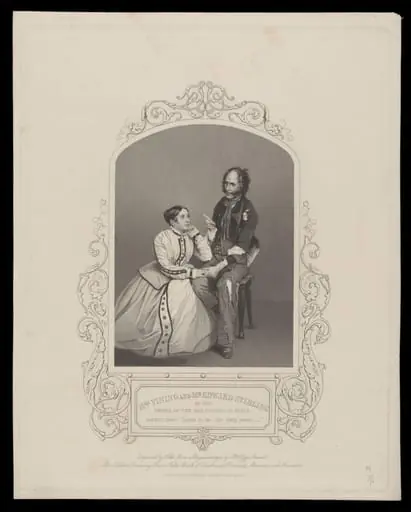
It's a portrait of Miss Featherstone as Captain Macheath, published by R. Hocc after a daguerreotype by him.
The print is interesting because it was created from a daguerreotype, an early photographic process.
You can learn more about this type of print by looking at the work of the artist: Hocc, R.
Overview
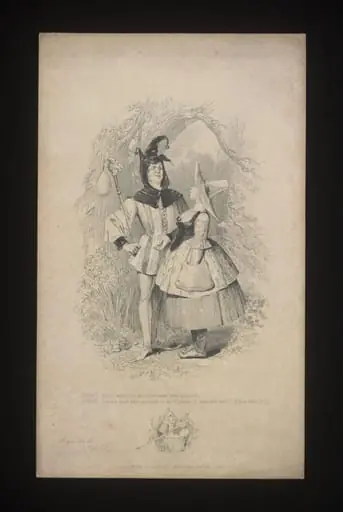
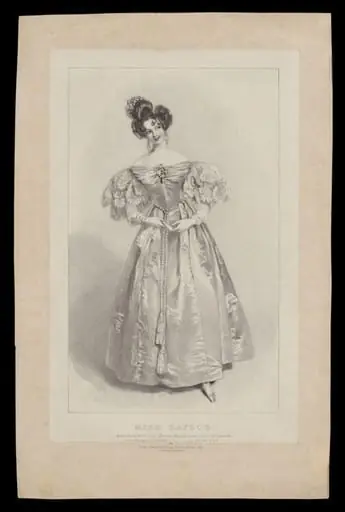
This 19th-century print is part of the H Beard Print Collection, depicting actress Miss Featherstone in the role of Captain Macheath.
This 19th-century print is part of the H Beard Print Collection, depicting actress Miss Featherstone in the role of Captain Macheath. It was produced by R. Hocc, who adapted his own daguerreotype image into a printed format. The work reflects the period’s intersection of theater and emerging photographic technology, offering a rare visual record of stage performance through an early photographic medium.
Subject & Meaning
Miss Featherstone portrays Captain Macheath, the charismatic antihero from John Gay’s 'The Beggar’s Opera,' a popular theatrical piece of the era. Her performance in male attire challenged conventional gender norms on stage. The print captures this transgressive role, preserving a moment where theatrical illusion and public identity converged, reflecting broader cultural fascination with performance and disguise.
Technique & Style
The image originated as a daguerreotype, an early photographic process using silver-coated copper plates, which Hocc then translated into a printed format. The resulting print retains the sharp detail and tonal contrast characteristic of daguerreian imagery, though adapted for mass reproduction. The style is formal and static, typical of early photographic portraiture, emphasizing the sitter’s costume and expression over environmental context.
History & Provenance
Created by R. Hocc, the print derives from his personal daguerreotype of Miss Featherstone in character. It was published as part of a broader effort to disseminate theatrical imagery through print, catering to public interest in stage stars. The work entered the H Beard Collection, a significant archive of theatrical ephemera, where it remains as evidence of 19th-century performance culture and early photographic reproduction practices.
Context
In mid-19th-century Britain, theatrical portraiture flourished alongside the rise of photography. Daguerreotypes offered unprecedented realism, and their reproduction as prints allowed wider access to images of famous performers. Miss Featherstone’s portrayal of a male character aligned with the popularity of breeches roles, which blurred gender lines and attracted audiences seeking novelty and social commentary.
Legacy
This print serves as a historical artifact linking theater, photography, and print culture. It illustrates how early photographic technology was integrated into popular media, preserving fleeting stage performances for posterity. While Hocc’s name is not widely remembered today, his work contributes to the documented history of Victorian performance and the evolving relationship between image and identity in the age of mechanical reproduction.
Artist & collection
Artist
R. Hocc never signed the work. Every print in the Beard Collection looks like a different hand, but they all hide one tiny stub of a beard in the corner—Hocc’s inside joke. He stuffed them into London print shops during…