Artwork
H Beard Print Collection
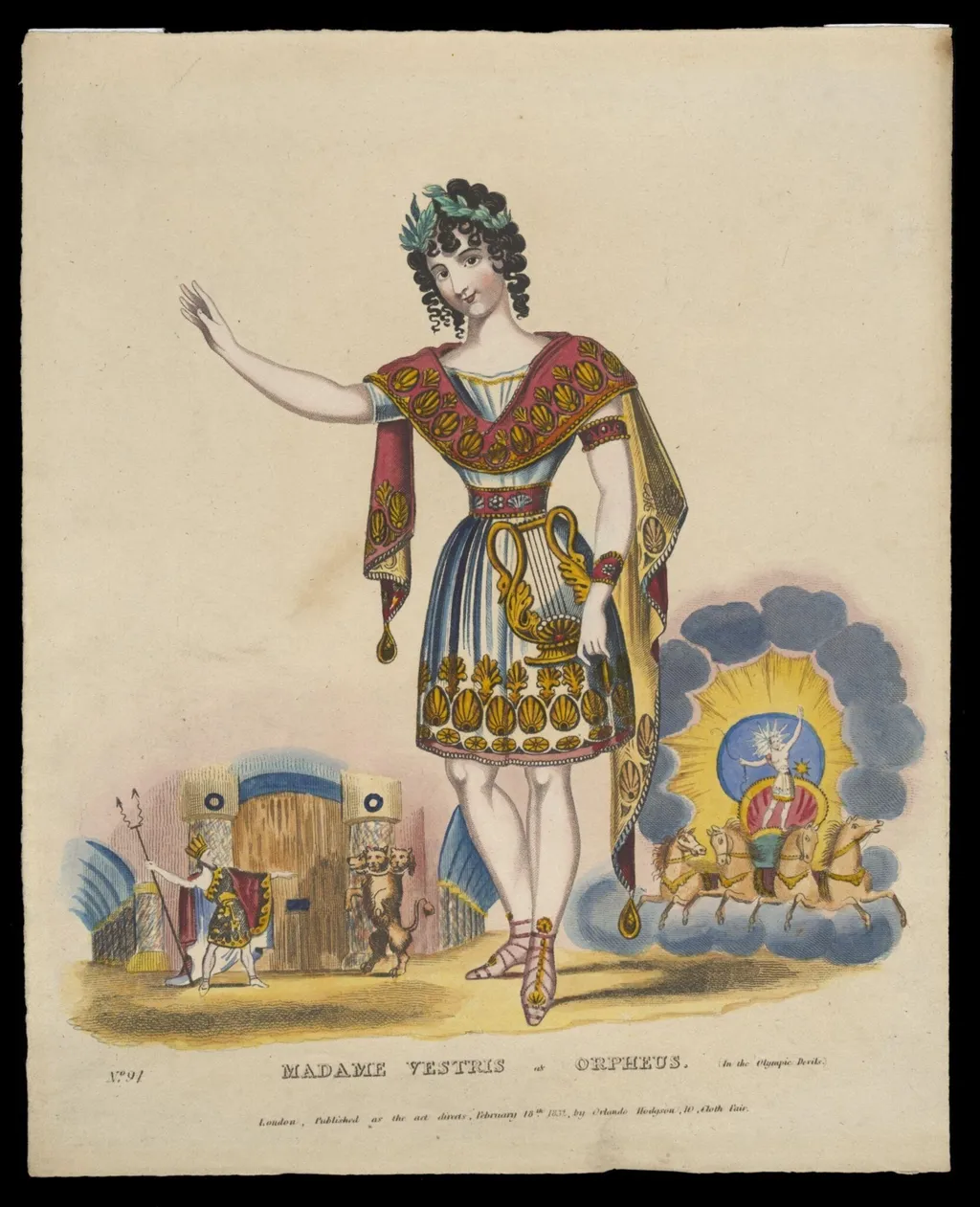
H Beard Print Collection is a print by the Romanticist artist O. Hodgson. It dates from 18 and is held in the collection of the Victoria and Albert Museum.
About this work
This print is part of the H Beard Print Collection. It's a work from the 19th century.
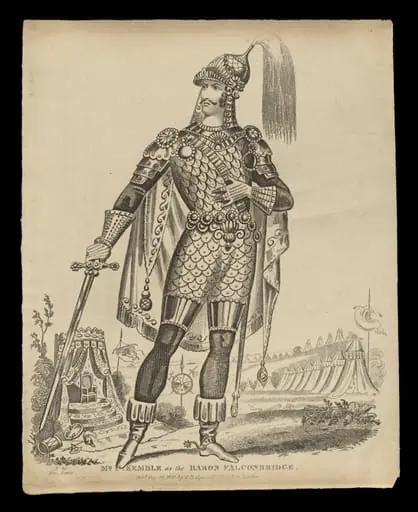
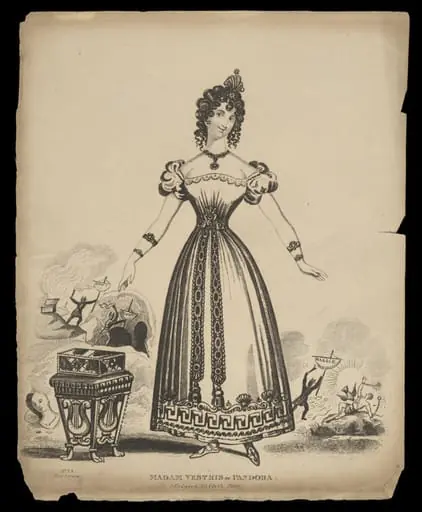
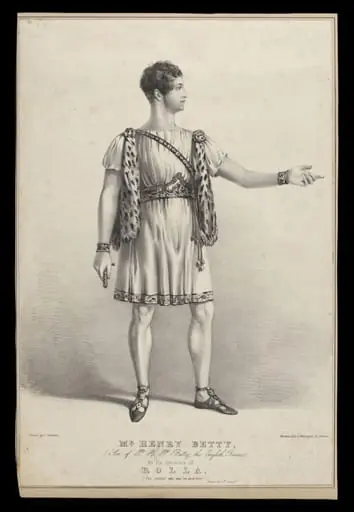
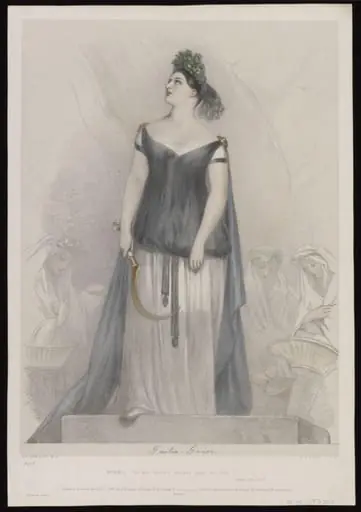
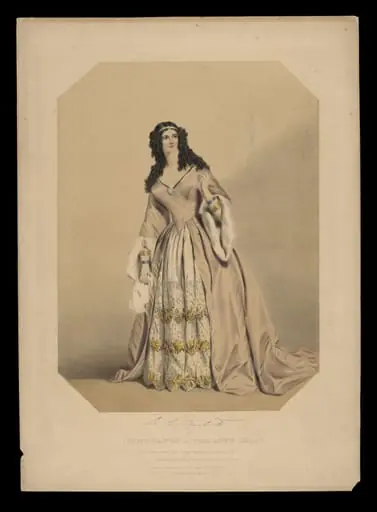
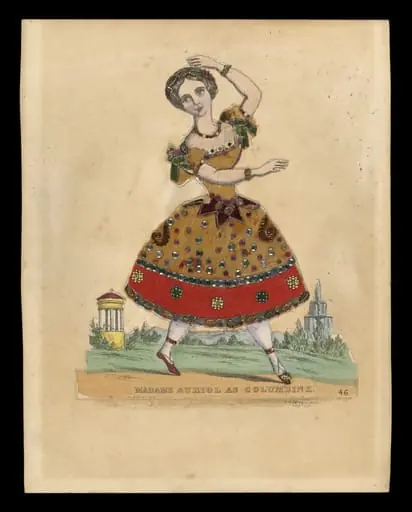
The print depicts a scene from a play, The Olympic Devils, with Madame Vestris as Orpheus. This was published by Orlando Hodgson in 1832, which gives us a sense of the time period.
To learn more about the style of this print, look up the movement: Romanticism.
Overview
The work is a 19th‑century print from the H Beard Print Collection, produced in 1832. It portrays a theatrical scene from the play *The Olympic Devils*, featuring the actress Madame Vestris in the role of Orpheus. The image was issued by the London publisher Orlando Hodgson, situating it firmly within the early Victorian period.
Subject & Meaning
The composition captures Madame Vestris embodying the mythic musician Orpheus, a figure associated with the power of song to charm nature and the underworld. By placing this classical hero within a contemporary stage production, the print reflects the Romantic fascination with mythic archetypes and their emotional resonance in modern performance.
Technique & Style
Executed as a printed illustration, the image employs line work and shading characteristic of early 19th‑century graphic reproduction. Its dramatic contrasts and emphasis on expressive gesture align it with Romantic visual tendencies, which favored heightened emotion and theatricality over strict realism.
History & Provenance
The print was originally released by Orlando Hodgson, a notable London publisher of theatrical prints, in 1832. It later entered the H Beard Print Collection, a private assemblage of 19th‑century prints, where it remains catalogued as part of the collection’s documentation of period stage imagery.
Artist & collection
Artist
O. Hodgson left behind a stack of sharp little prints signed only with initials, as if they’d slipped them under doors in 1830s London. Every sheet is tiny—postcard size—and packed with riotous crowds outside theaters…