Artwork
Self-Portrait
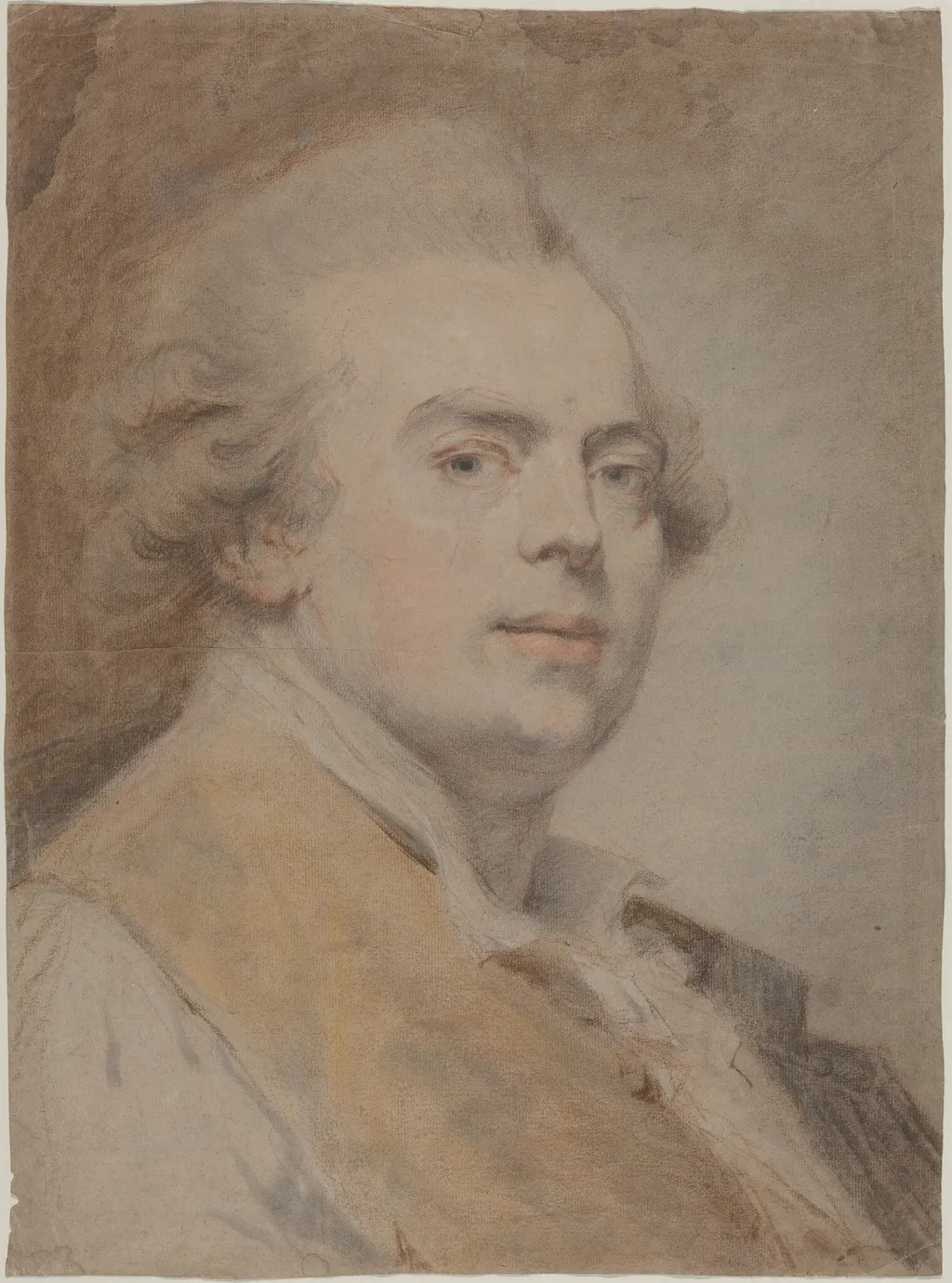
Self-Portrait is a chalk drawing by the Romanticist artist Claude Hoin. It dates from 1780 and is held in the collection of the National Gallery of Art.
About this work
Overview
Claude Hoin’s self‑portrait, executed around 1780, is a modestly sized drawing rendered in red and black chalks combined with pastel on a gray‑brown laid paper. The work presents the artist from the chest upward, set against a muted, light‑gray background that emphasizes the figure without distraction.
Subject & Meaning
The sitter, identified as Hoin himself, appears with tightly curled hair, a white high‑collared shirt, and a dark jacket or vest. His gaze is steady and reflective, and a faint smile suggests a quiet confidence, offering a personal glimpse into the artist’s self‑perception during the late eighteenth century.
Technique & Style
Hoin employs a layered approach, beginning with red and black chalks to outline form, then applying pastel that is blended and stumped to achieve a soft, atmospheric surface. The use of laid paper with its subtle texture contributes to the overall dream‑like quality, while the restrained palette underscores the intimate tone of the portrait.
History & Provenance
Created circa 1780, the drawing belongs to the later period of Hoin’s career, a time when French artists increasingly explored pastel as a medium for portraiture. Documentation of its ownership trail is limited, but the work has been catalogued among Hoin’s surviving drawings, confirming its attribution.
Context
In the 1780s, pastel portraiture was gaining popularity in France, valued for its immediacy and capacity to convey delicate tonal variations. Hoin’s self‑portrait aligns with this trend, reflecting both the technical possibilities of pastel and the period’s interest in personal representation among artists.
Artist & collection


![Head of a Gentleman [recto], by Joseph Ducreux](https://artifactworldgallery.com/img/joseph-ducreux--head-of-a-gentleman-recto--30a49475a608e388-w320.webp) Head of a Gentleman [recto]
Head of a Gentleman [recto]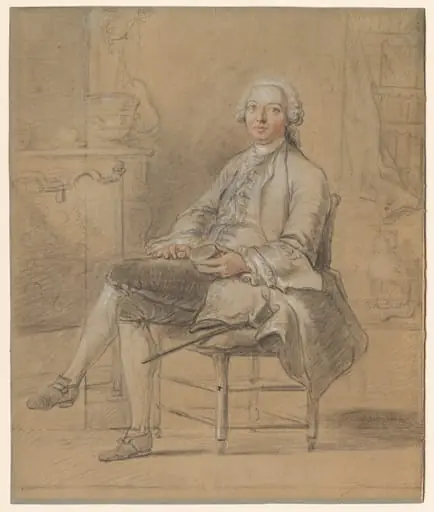 Seated Man Holding a Snuff Box
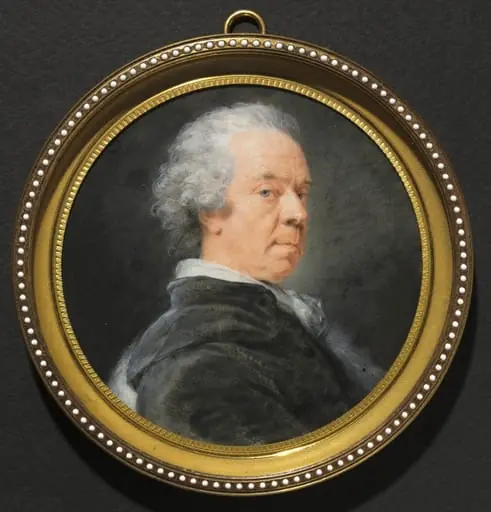 Portrait of Ivan Grigorevich, Count Chernyshev
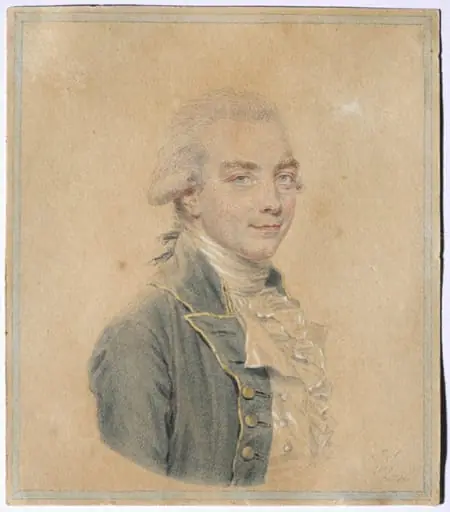 Portrait of Sir John Macpherson, 1st Baronet, Governor-General of India
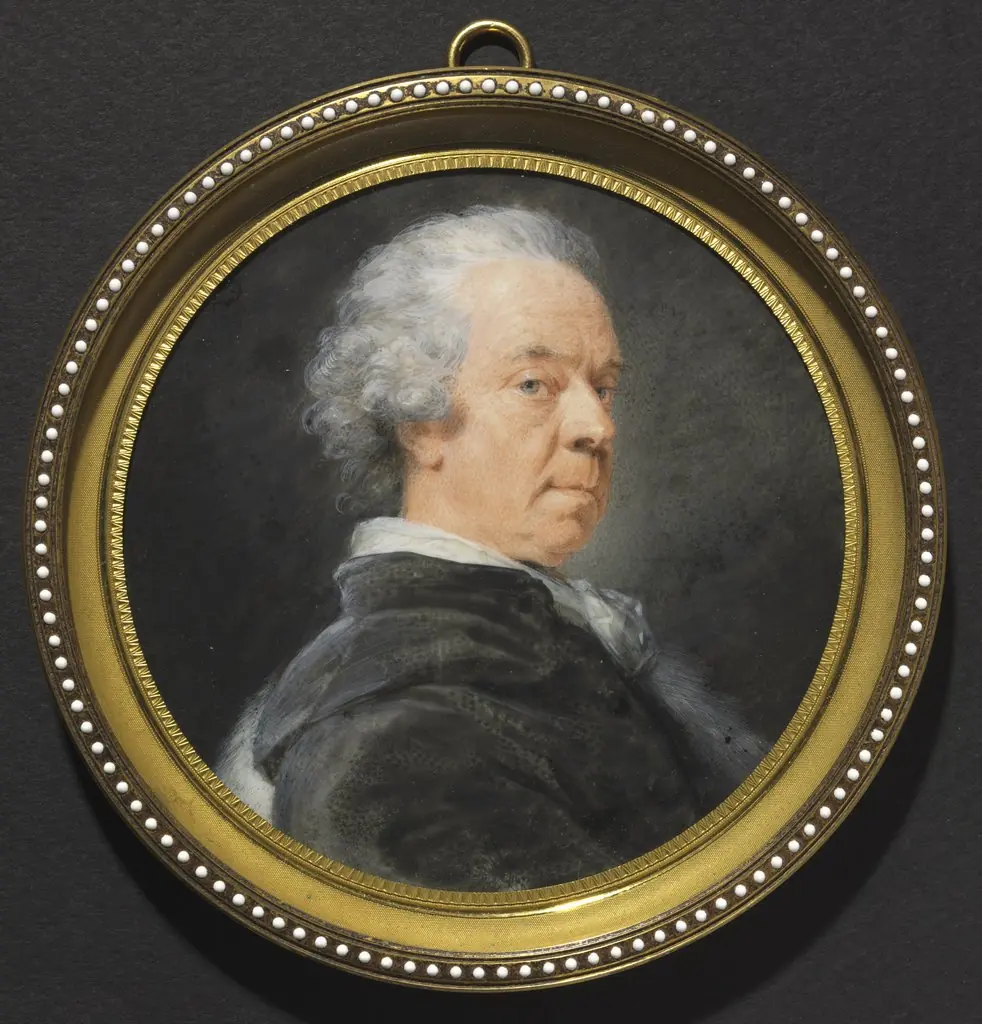 Portrait of Ivan Grigorevich, Count Chernyshev
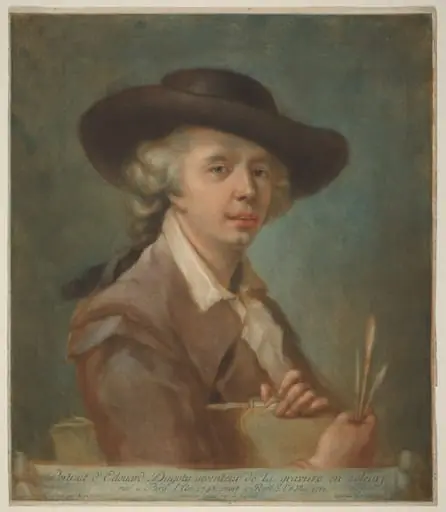 Edouard Gautier d'Agoty
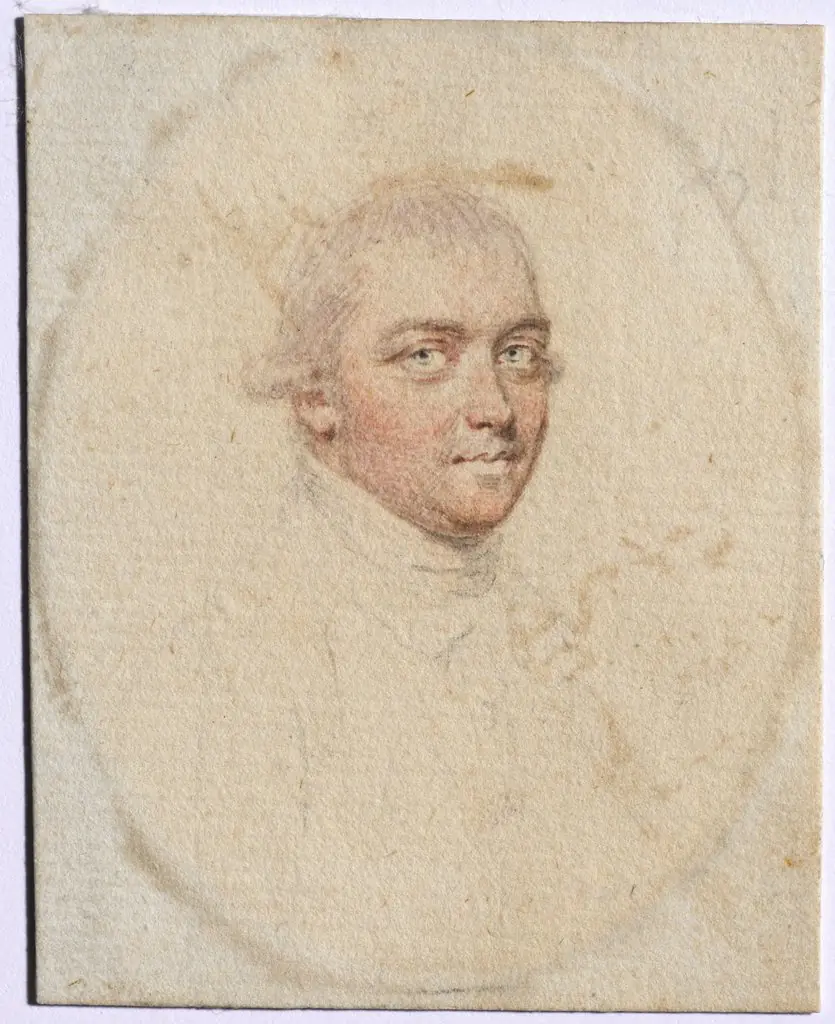 Portrait of Mr. Shippard
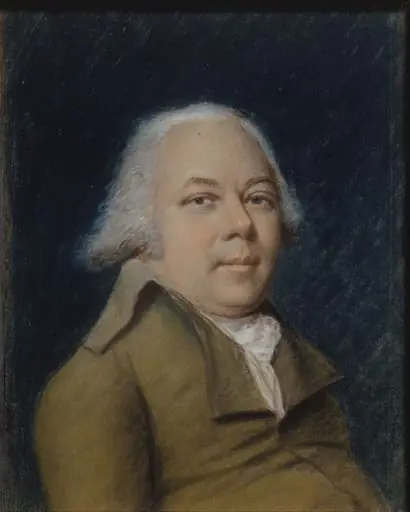 Mederic-Louis-Elie Moreau de Saint-Mery
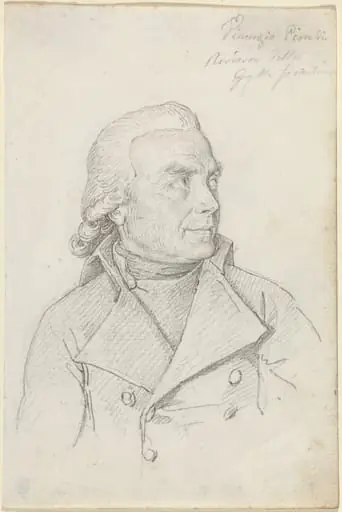 Vincenzio Piombi
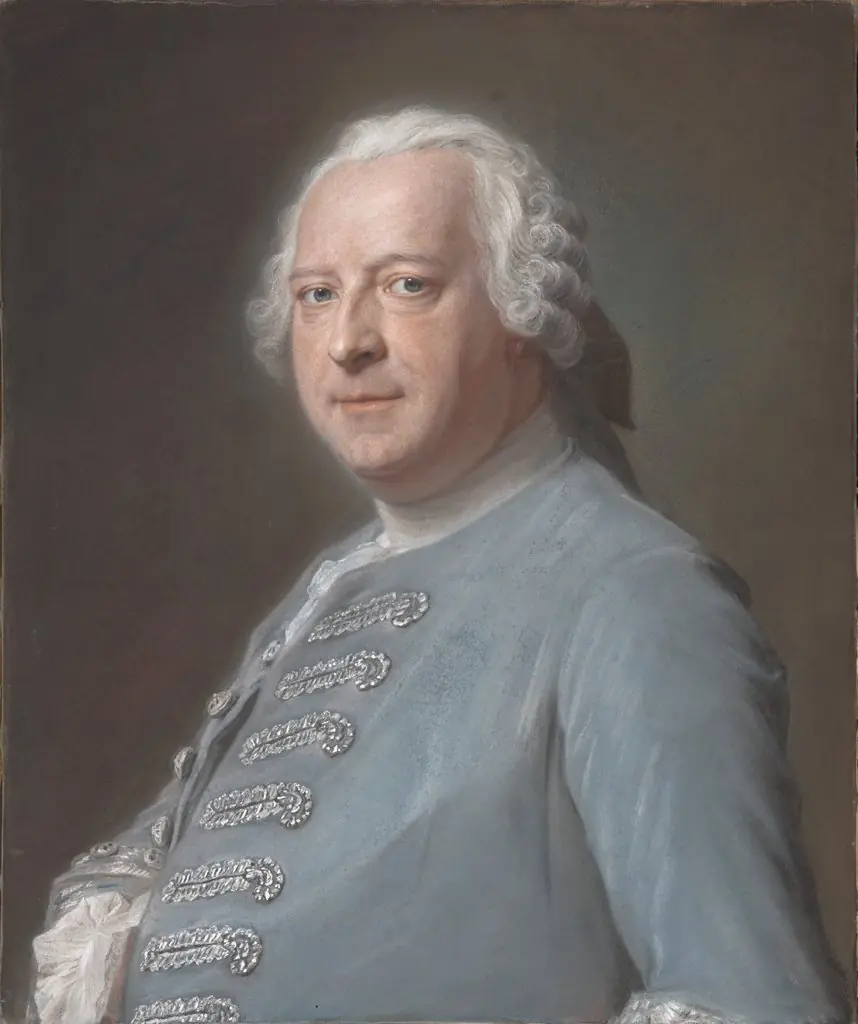 Jean Charles Garnier d'Isle (1697–1755)
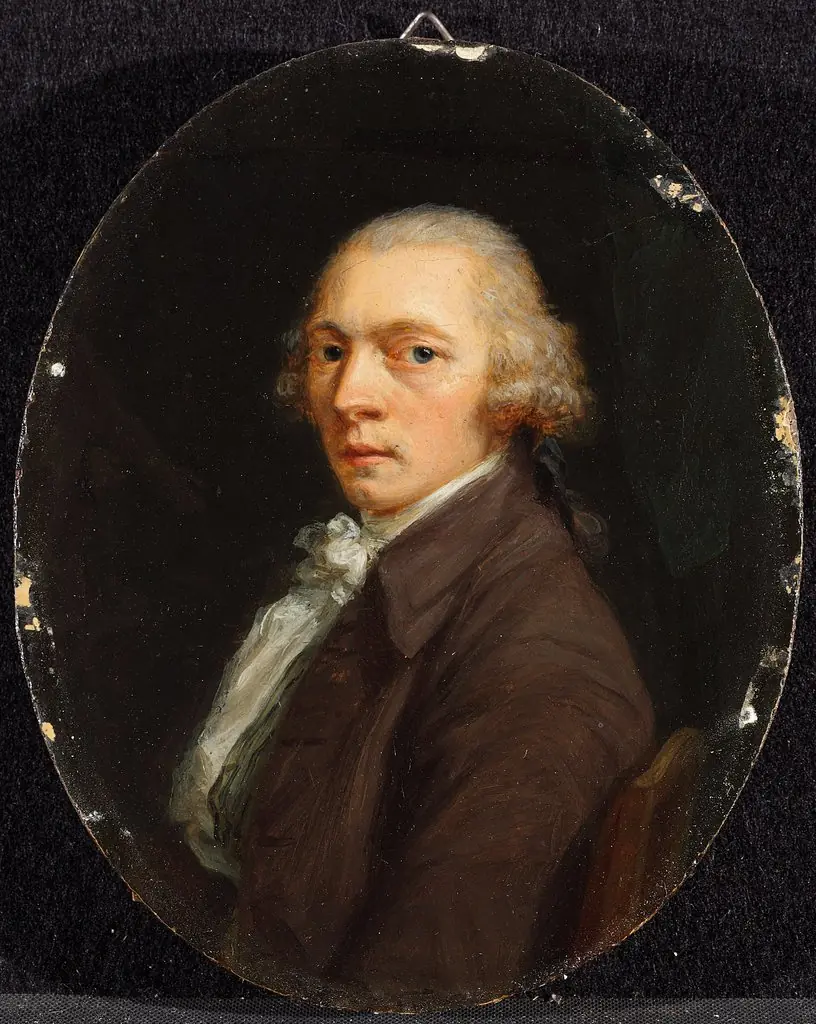 Self-Portrait
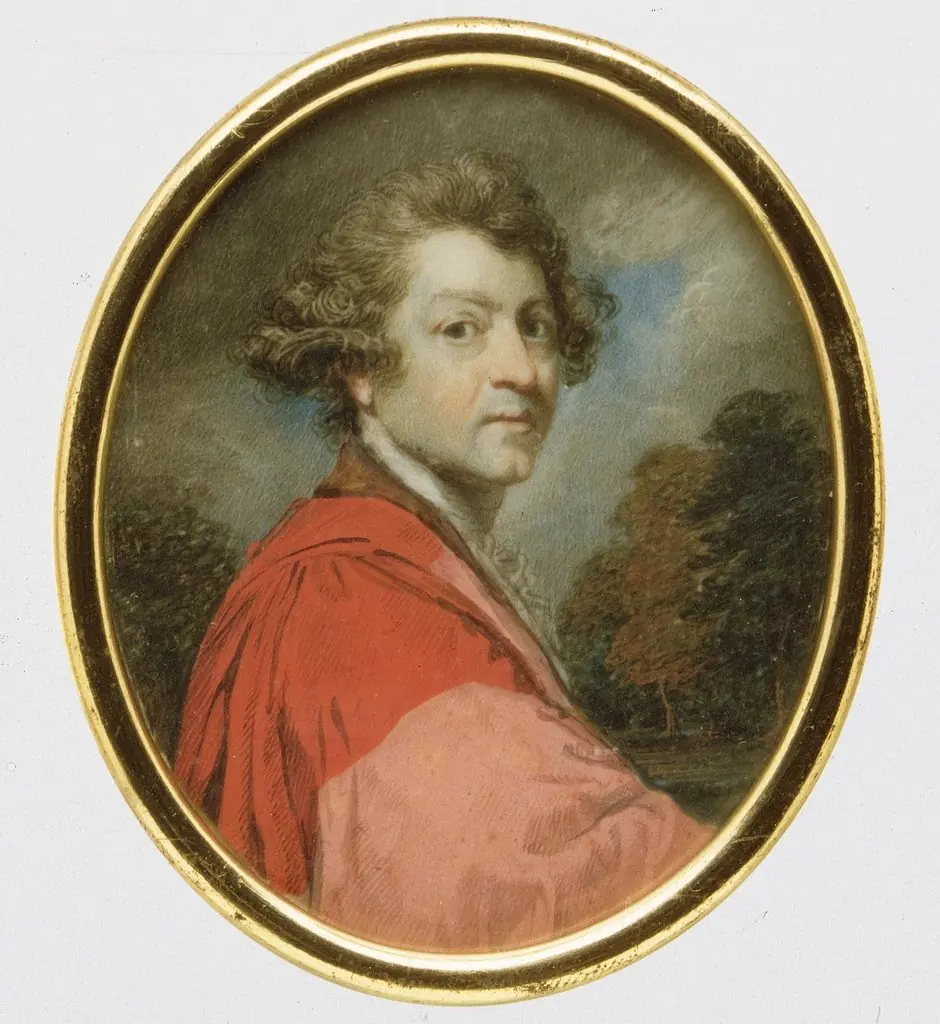 Sir Joshua Reynolds (1723–1792)