Artwork
Untitled
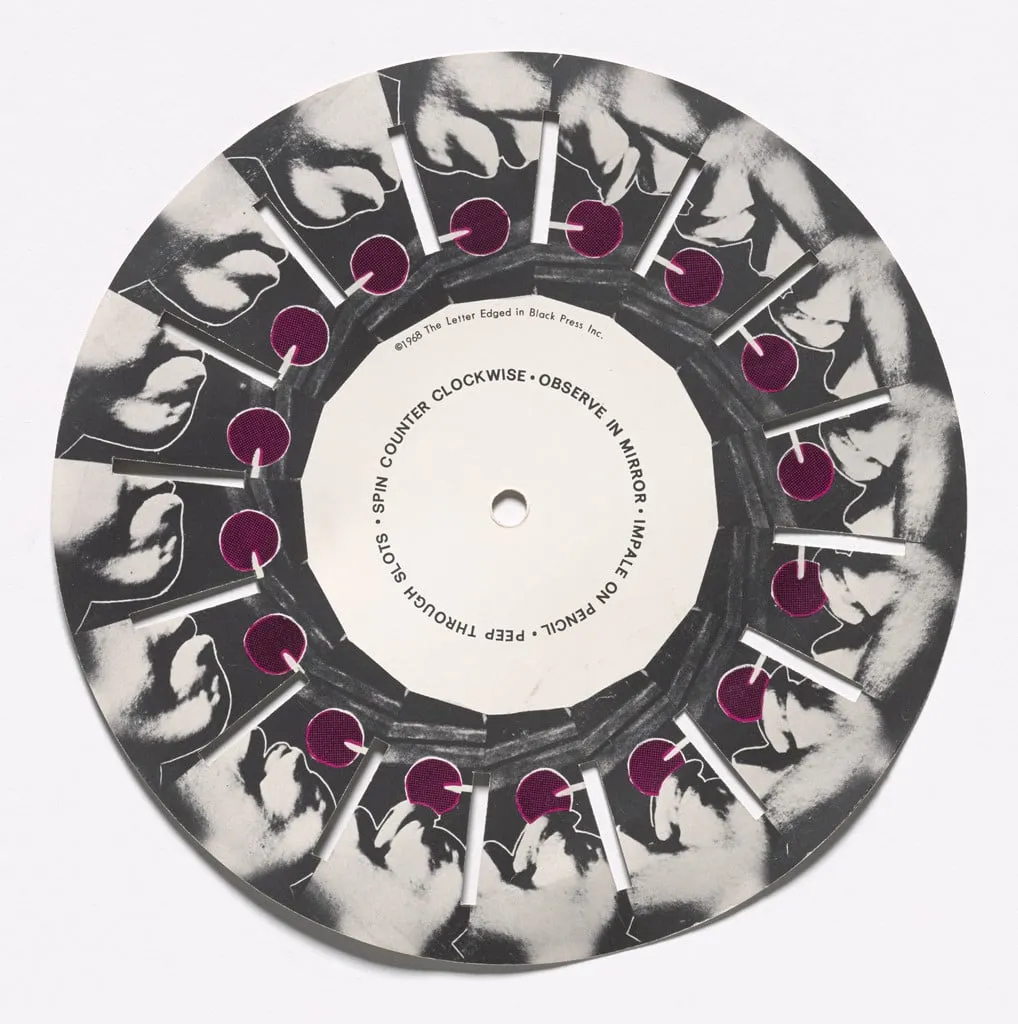
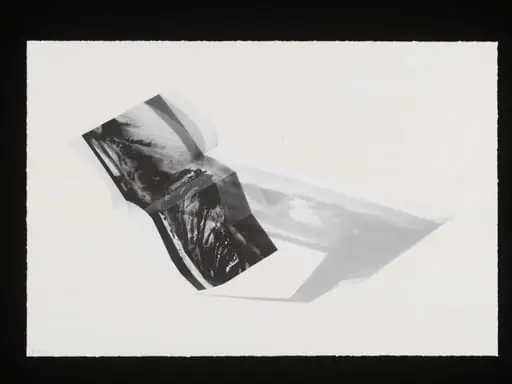
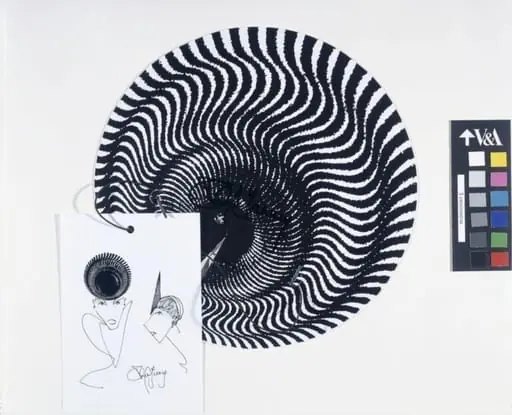
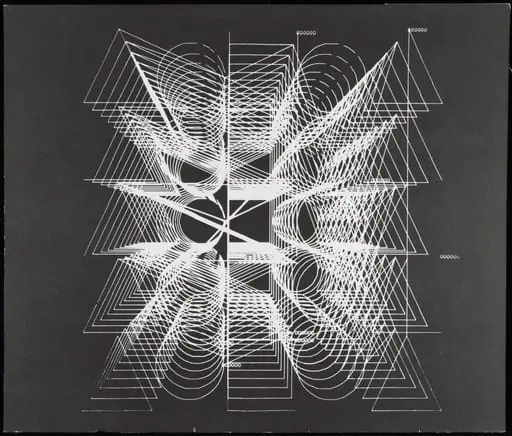
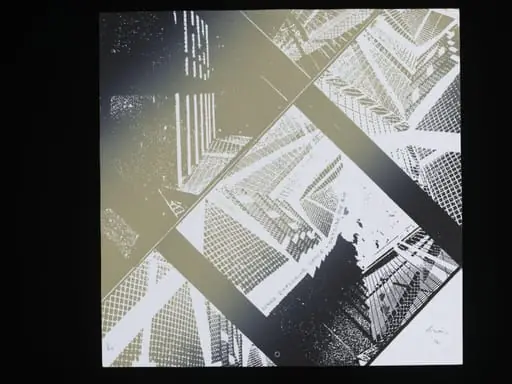
Untitled is an ink print by Hollis Frampton. It dates from 1968 and is held in the collection of the Museum of Modern Art.
About this work
Overview
The work includes explicit instructions in its center, guiding the viewer to rotate it, observe its reflection, and mark it with a pencil.
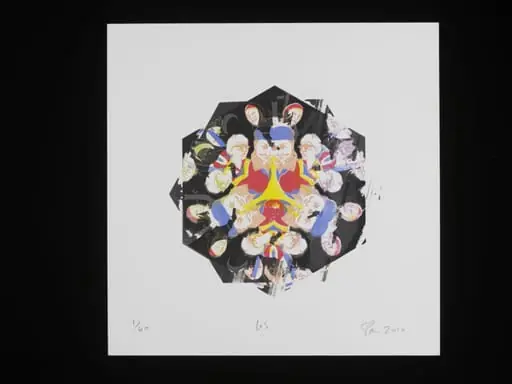
Created in 1968, this offset lithograph by Hollis Frampton is a circular, black-and-white print composed of sixteen radial segments. Each segment contains a blurred human profile, oriented in varying directions. The segments are visually connected by red circular bands and fine white lines, forming a wheel-like structure. The work includes explicit instructions in its center, guiding the viewer to rotate it, observe its reflection, and mark it with a pencil.
Subject & Meaning
The fragmented faces suggest the instability of identity and perception. By presenting multiple viewpoints simultaneously, the work resists a single, fixed interpretation. The requirement to view the image in a mirror introduces a physical engagement with self-reflection, blurring the boundary between observer and observed. The ambiguity of the features invites contemplation rather than recognition.
Technique & Style
Produced via offset lithography, the print achieves a uniform, industrial aesthetic that contrasts with its organic subject matter. The blurring of facial features suggests motion or photographic overexposure, while the precise geometric layout reflects Frampton’s interest in systems and structure. The use of red and white lines to bind the segments emphasizes the work’s constructed nature, reinforcing its mechanical yet playful character.
History & Provenance
The work entered the collection of The Museum of Modern Art in New York, where it remains part of its permanent holdings. Frampton, known for his experimental films and conceptual photography, produced this print during a period of intense exploration into visual perception and media. It reflects his broader interest in how viewers interact with images beyond passive observation.
Context
Emerging in the late 1960s, this piece aligns with conceptual art’s emphasis on process and viewer participation. It responds to contemporary inquiries into media, identity, and the role of the audience. Frampton’s work shares affinities with contemporaries like Bruce Nauman and Dan Graham, who similarly used instruction-based formats to challenge traditional art experiences.
Legacy
This print contributed to expanding the definition of printmaking by integrating interactivity and time-based engagement. Its emphasis on viewer action influenced later works in participatory art and experimental media. Though not widely reproduced, it remains a significant example of how conceptual strategies were applied to the printed image in the late twentieth century.
Artist & collection
Artist
Hollis William Frampton Jr. was an American avant-garde filmmaker, photographer, writer, theoretician, and pioneer of digital art. He was best known for his innovative and non-linear structural films that defined the…