Artwork
Rebel Works at Yorktown
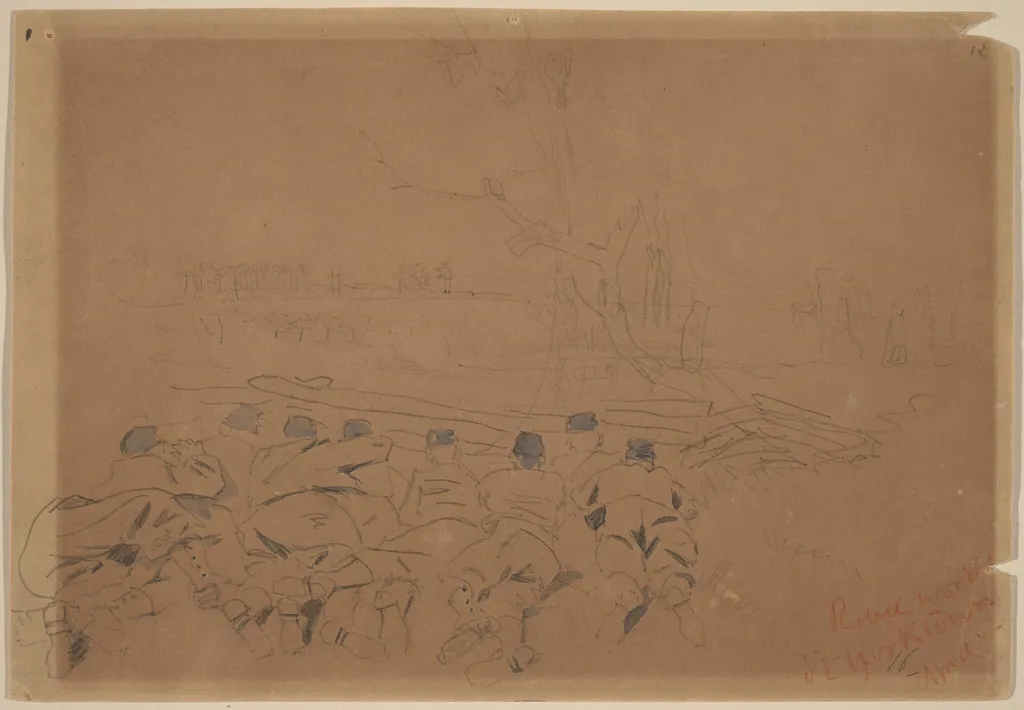
Rebel Works at Yorktown is a graphite drawing by the Impressionist artist Winslow Homer. It dates from 1862 and is held in the collection of the National Gallery of Art.
About this work
He wasn’t a soldier himself—just a young artist hired to record the war.
This sketch shows Union soldiers building earthworks at Yorktown. The men dig with shovels under a clear sky. One soldier checks his pocket watch while others work.
The artist sketched this scene right after the battle in 1862. He wasn’t a soldier himself—just a young artist hired to record the war. Watercolor glazing gives soft color to the dirt and sky.
Look closer at the watch in the soldier’s hand. It’s a clue to how long the siege lasted.
National Gallery of Art, Washington
Overview
Rebel Works at Yorktown is a drawing by Winslow Homer, created in 1862 using graphite and watercolor on wove paper.
Subject & Meaning
The drawing depicts Union soldiers constructing earthworks at Yorktown, with one soldier checking his pocket watch, hinting at the duration of the siege.
Technique & Style
Homer employed watercolor glazing to achieve soft, nuanced colors in the dirt and sky, capturing the scene with a delicate touch.
History & Provenance
The drawing was made shortly after the battle, as Homer was documenting the war as a young artist, not as a soldier.
Context
The work is a visual record of a specific moment during the conflict, providing insight into the activities of Union soldiers during the siege of Yorktown.
Artist & collection
Artist
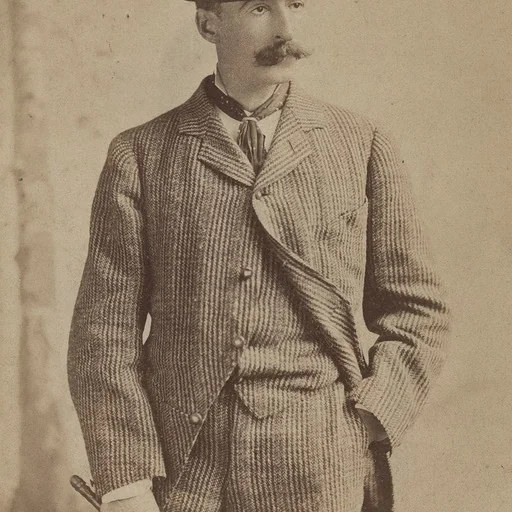
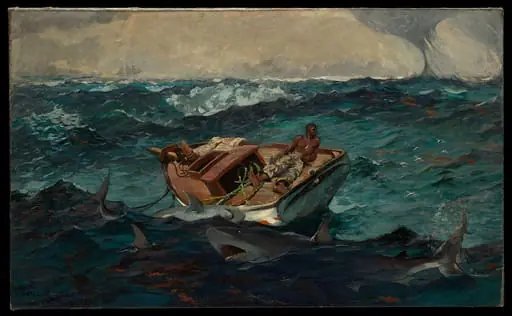
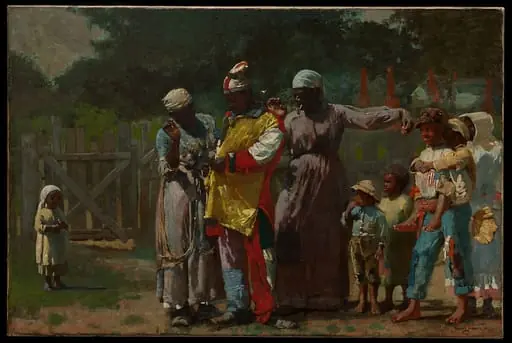
Winslow Homer (February 24, 1836 – September 29, 1910) was an American landscape painter and illustrator, best known for his marine subjects.

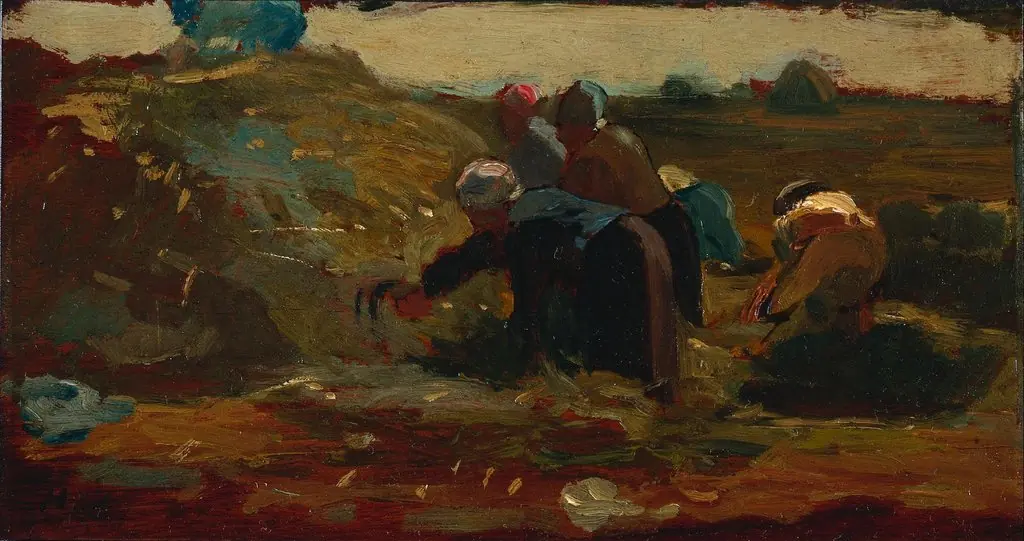
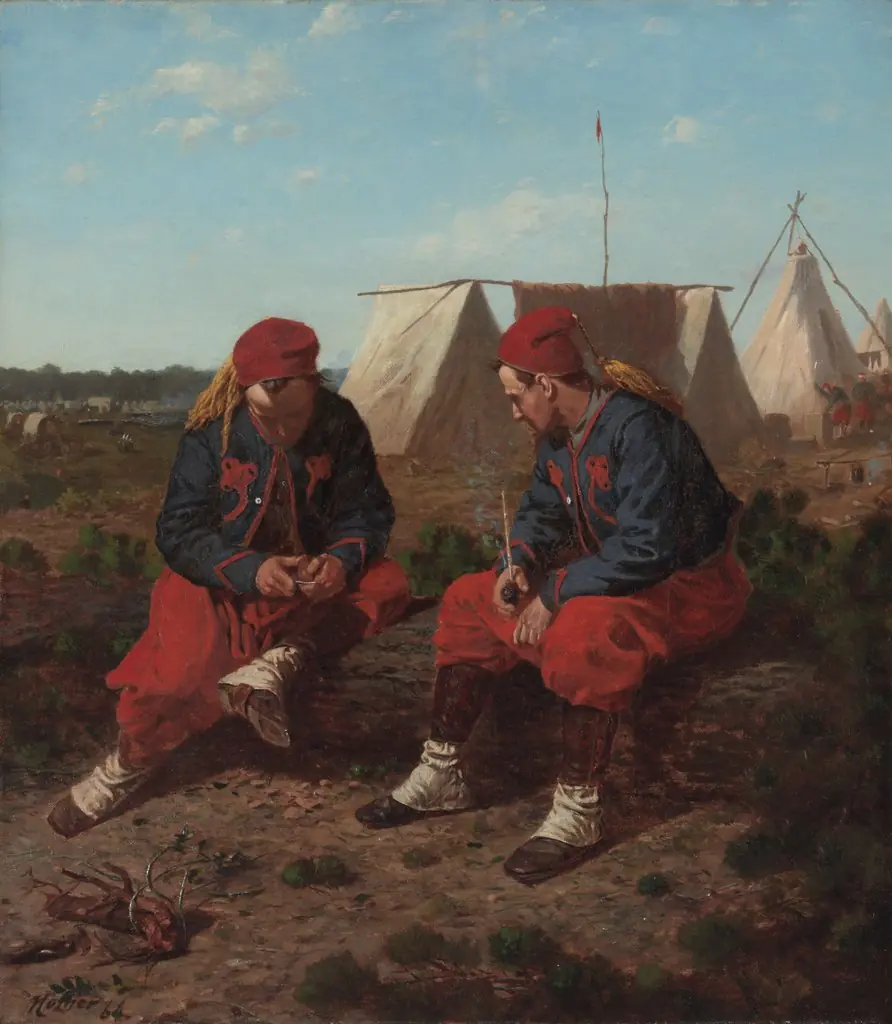
![From Alexandria to Ship Point [recto], by Winslow Homer](https://artifactworldgallery.com/img/winslow-homer--from-alexandria-to-ship-point-recto--b706e6db6edee2bc-w320.webp) From Alexandria to Ship Point [recto]
From Alexandria to Ship Point [recto]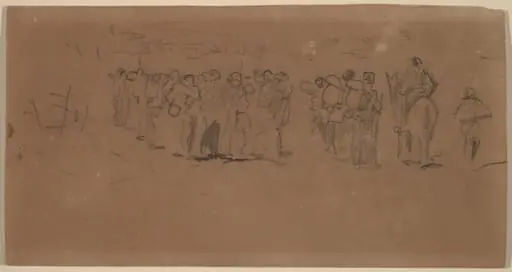 Preparing for the March
![Sutler's Tent, 3rd Pennsylvania Cavalry [recto], by Winslow Homer](https://artifactworldgallery.com/img/winslow-homer--sutler-s-tent-3rd-pennsylvania-cavalry-recto--caa626fa7d743806-w320.webp) Sutler's Tent, 3rd Pennsylvania Cavalry [recto]
Sutler's Tent, 3rd Pennsylvania Cavalry [recto]![Line-ups and Trenches [recto], by Winslow Homer](https://artifactworldgallery.com/img/winslow-homer--line-ups-and-trenches-recto--73ce0ffd9d54aa43-w320.webp) Line-ups and Trenches [recto]
Line-ups and Trenches [recto]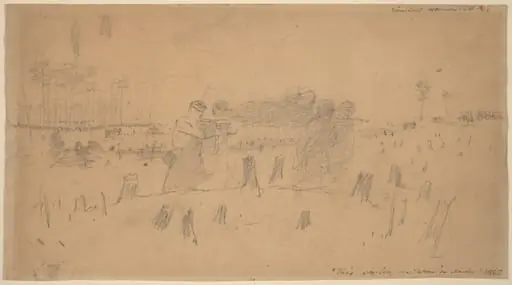 Carrying the Wounded
![Two Soldiers Resting [verso], by Winslow Homer](https://artifactworldgallery.com/img/winslow-homer--two-soldiers-resting-verso--989d55e6cbbf0806-w320.webp) Two Soldiers Resting [verso]
Two Soldiers Resting [verso]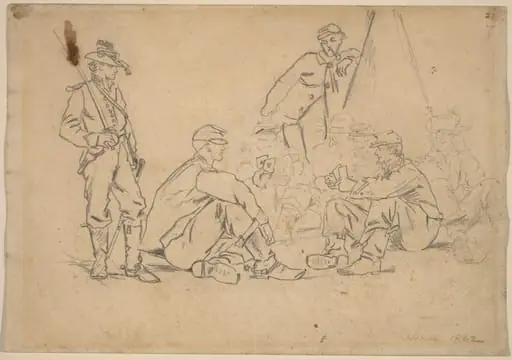 Playing Cards
![Soldiers and Cannon [verso], by Winslow Homer](https://artifactworldgallery.com/img/winslow-homer--soldiers-and-cannon-verso--10871d9b29da5261-w320.webp) Soldiers and Cannon [verso]
Soldiers and Cannon [verso]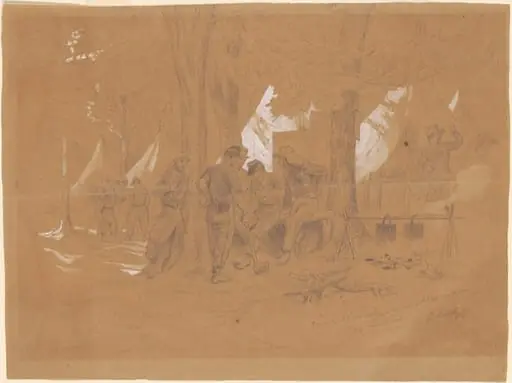 Camp Ellsworth, Near Alexandria—Five Zouaves
![Skirmish Involving a Wagon Train [verso], by Winslow Homer](https://artifactworldgallery.com/img/winslow-homer--skirmish-involving-a-wagon-train-verso--6ee57b18fcbda7d4-w320.webp) Skirmish Involving a Wagon Train [verso]
Skirmish Involving a Wagon Train [verso]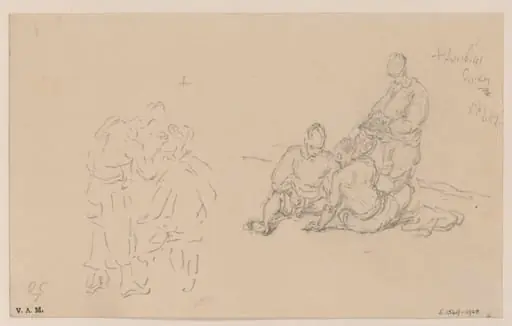 Two sketches of groups of Chinese figures
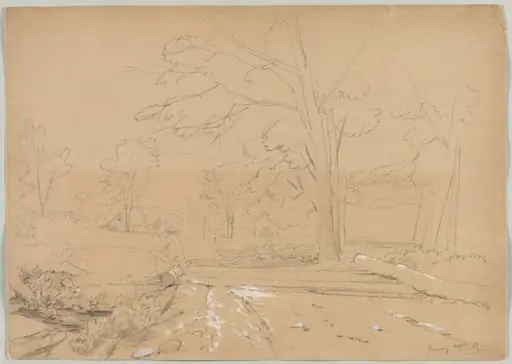 Landscape with Man Fishing, Conway, New Hampshire