Artwork
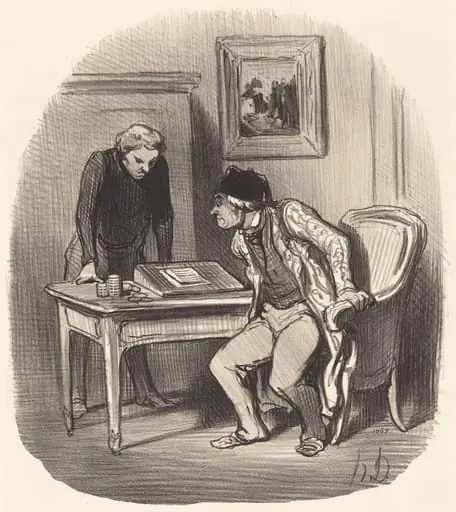
An Actor's Holiday
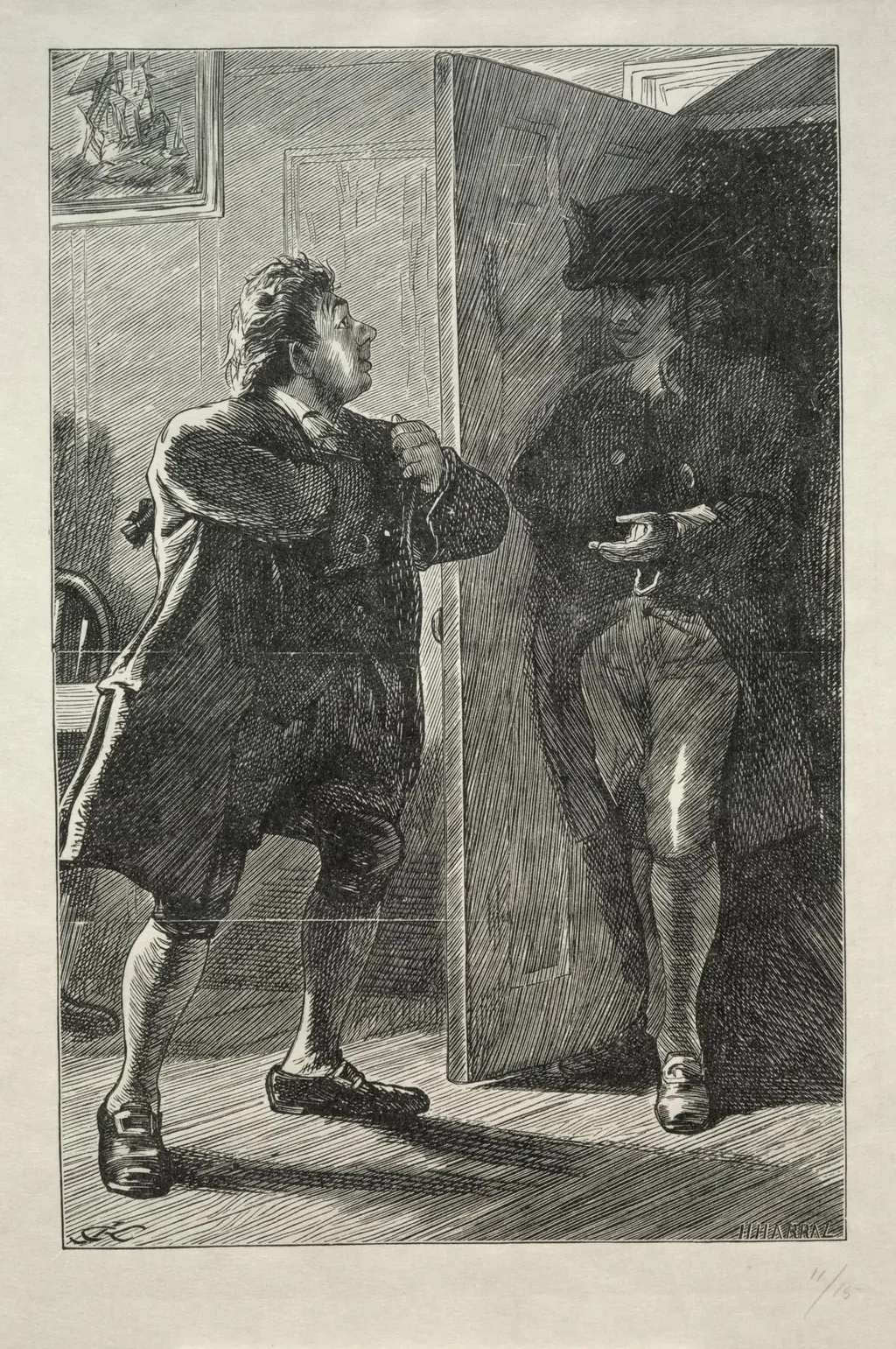
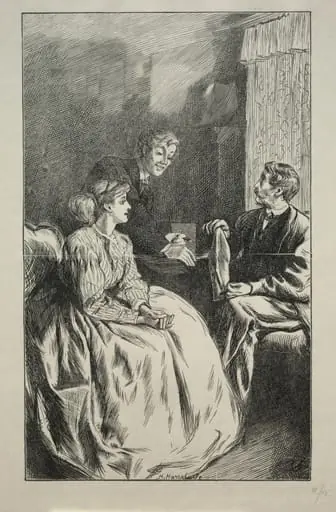
An Actor's Holiday is a print by the Impressionist artist Horace Harral. It dates from 1867 and is held in the collection of the Cleveland Museum of Art.
About this work
Overview
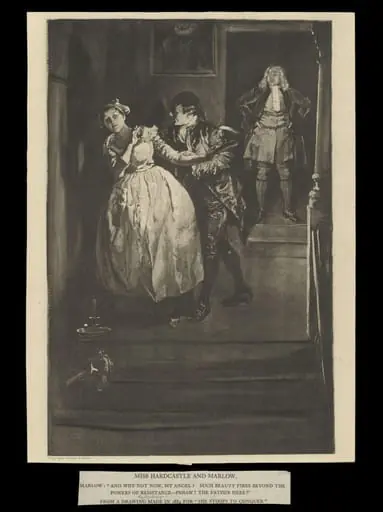
Created in 1867, An Actor’s Holiday is a black‑and‑white print by Horace Harral that belongs to the collection of the Cleveland Museum of Art. The composition depicts a modest interior where two male figures occupy the space, surrounded by framed pictures on the walls and illuminated by uneven, dramatic lighting.
Subject & Meaning
The scene presents a backstage or dressing‑room moment: one figure, turned away, adjusts his coat and holds a cane, suggesting preparation for performance, while the other, seated against the wall, studies an object in his hand, perhaps a script or costume piece. The juxtaposition of activity and contemplation hints at the private respite of theatrical life.
Technique & Style
Harral employs a strong chiaroscuro effect, contrasting deep shadows with bright highlights to give the forms a sculptural quality. The rendering of folds in the clothing and the textured wall surfaces creates a sense of depth, while the crisp line work of the framed pictures adds detail within the limited tonal range of the print.
History & Provenance
The print was produced in the late nineteenth century, a period when Harral was active as an engraver and illustrator. It entered the Cleveland Museum of Art’s holdings through acquisition (or donation) in the twentieth century, where it remains part of the museum’s print and drawing collection, representing Victorian theatrical genre scenes.
Artist & collection

Artist
Horace Downey Harral was a British wood-engraver, etcher and photographer. He was a pupil of John Orrin Smith and later joined him as a partner in an engraving firm. Harral produced prints of many Pre-Raphaelite…

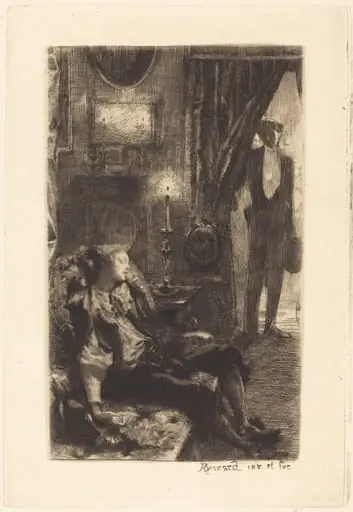 Iza Sleeping (Le Sommeil d'Iza)
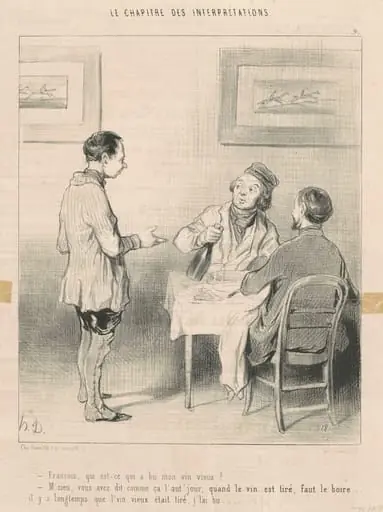 François, qui est-ce qui a bu mon vin ...
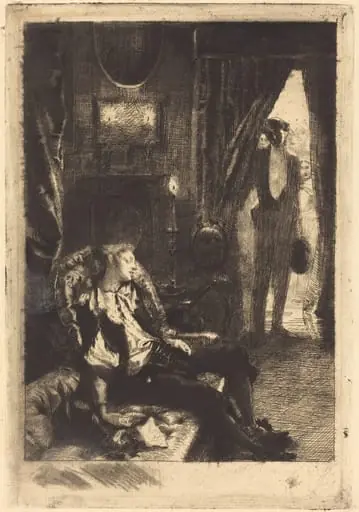 Iza Sleeping (Le Sommeil d'Iza)
 H Beard Print Collection
 Voici votre comptre: Il vous revenait ...
 What Time is it, Please?
 Oui, Mossieu Fremouillet, tout va de mal en pis ...
 H Beard Print Collection
 Gentils Hommes Bourgeois
 La Visite électorale
 Le Compte est-il bien exact?...