Artwork
Italian Brigands Surprised by Papal Troops
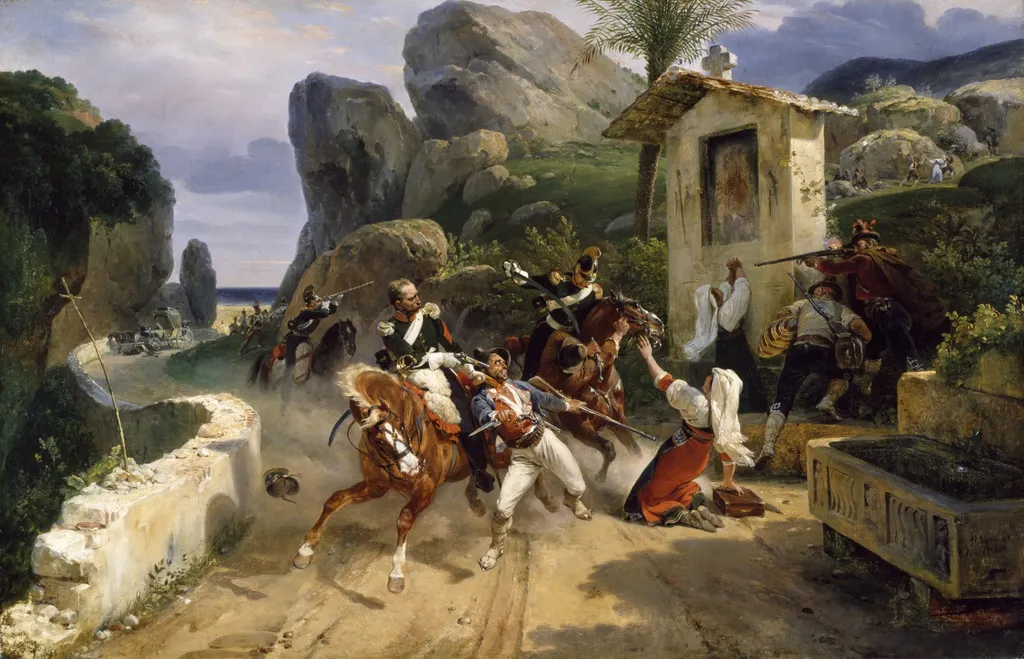
Italian Brigands Surprised by Papal Troops is an oil painting by the French Romanticist artist Horace Vernet. It dates from 1831 and is held in the collection of the Walters Art Museum.
About this work
You can learn more about this type of art by looking up the Walters Art Museum.
The painting is titled Italian Brigands Surprised by Papal Troops.
It was produced in Rome by Horace Vernet in 1831.
The Walters Art Museum holds this oil painting, and it's an interesting work because it shows a specific moment of conflict between two groups, which is a common theme in historical art, and Horace Vernet was known for depicting such scenes.
You can learn more about this type of art by looking up the Walters Art Museum.
Overview
Painted in 1831 by Horace Vernet in Rome, this oil on canvas depicts a sudden clash between Italian brigands and papal forces. The scene captures an unanticipated encounter, typical of Vernet’s interest in military and frontier confrontations. The work is now held in the Walters Art Museum in Baltimore, where it remains part of a broader collection of 19th-century European narrative painting.
Subject & Meaning
The painting illustrates a moment of ambush and chaos as brigands, likely rural outlaws, are caught off guard by advancing papal troops. Rather than glorifying either side, the scene emphasizes surprise and disorder, reflecting the unstable political climate of the Papal States during the early 1830s. It presents conflict as abrupt and visceral, avoiding clear moral judgment.
Technique & Style
Vernet employs dynamic composition and sharp contrasts of light and shadow to heighten the drama of the encounter. Figures are rendered with energetic brushwork, conveying motion and tension. The palette is restrained, favoring earth tones and muted uniforms, which grounds the scene in realism rather than romantic idealism, aligning with his documentary approach to military subjects.
History & Provenance
Created during Vernet’s time in Rome, the painting was likely commissioned or produced for a European audience interested in Italian affairs. It entered the Walters collection in the early 20th century through the museum’s founder, Henry Walters, who acquired numerous 19th-century French and Italian works. Its provenance remains largely unbroken since its creation.
Context
In the early 1830s, the Papal States faced persistent banditry and regional unrest, prompting military crackdowns. Vernet, known for his depictions of French and North African campaigns, turned his attention to Italy’s volatile landscape. This painting reflects broader European fascination with the region’s lawlessness and the Church’s efforts to maintain control amid rising nationalist sentiment.
Legacy
Though not among Vernet’s most widely exhibited works, the painting exemplifies his consistent focus on moments of abrupt violence and military tension. It contributes to a genre of 19th-century history painting that prioritized immediacy over heroism. Today, it serves as a visual record of a turbulent period in Italian history, preserved through the lens of a French artist observing from afar.
Artist & collection
Artist
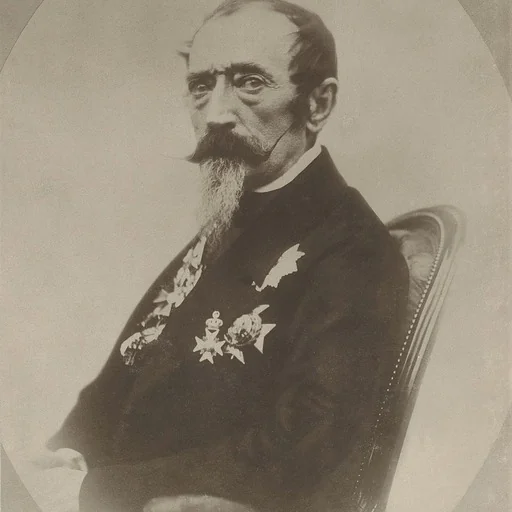
Émile Jean-Horace Vernet (French pronunciation: ; 30 June 1789 – 17 January 1863), better known as Horace Vernet, was a French painter of battles, portraits, and Orientalist subjects.

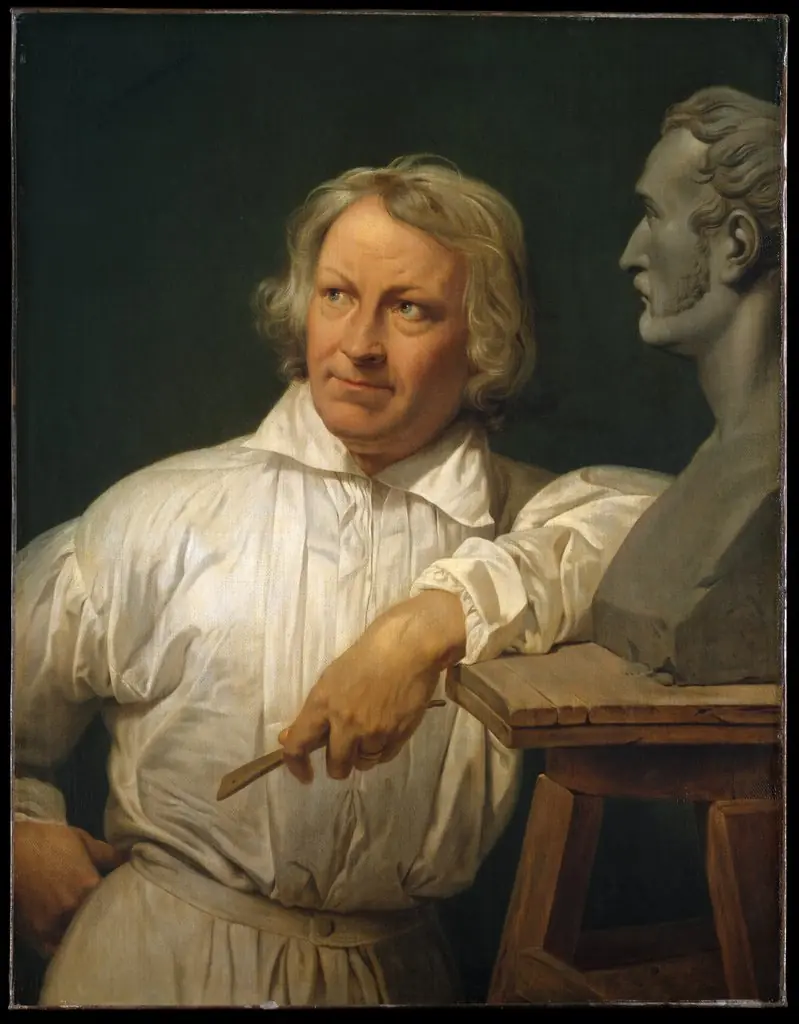 Bertel Thorvaldsen (1768–1844) with the Bust of Horace Vernet
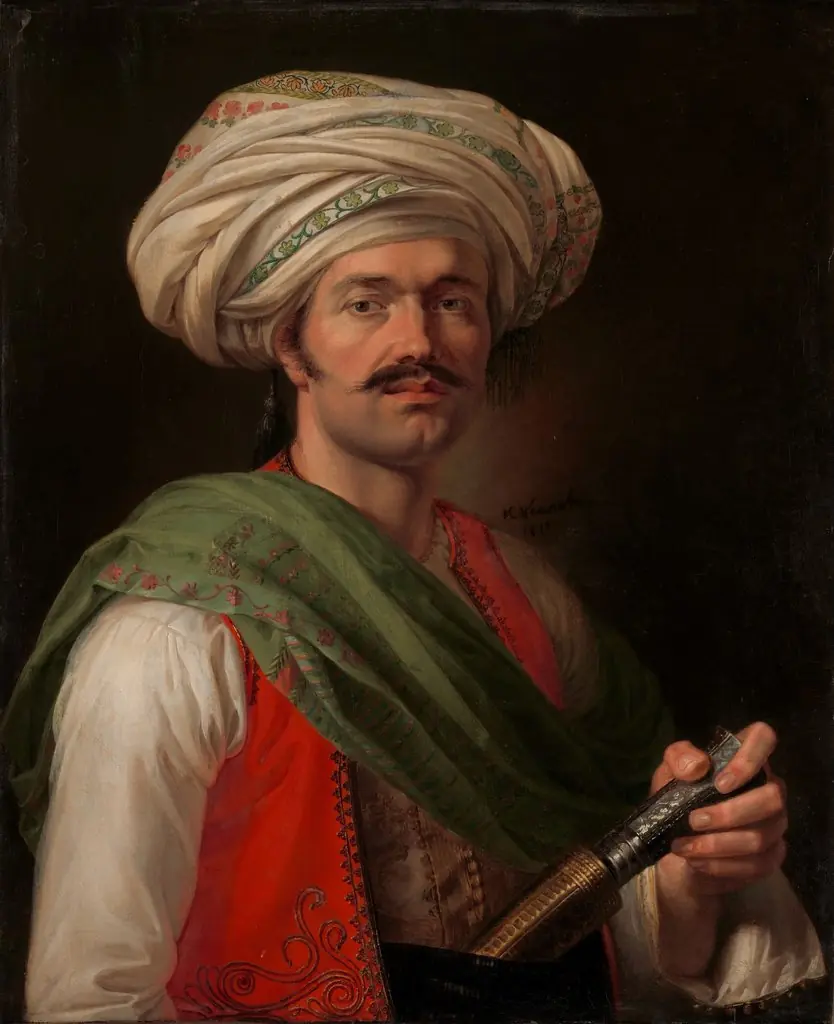 Portrait of a Mameluke, said to be Roustam Raza
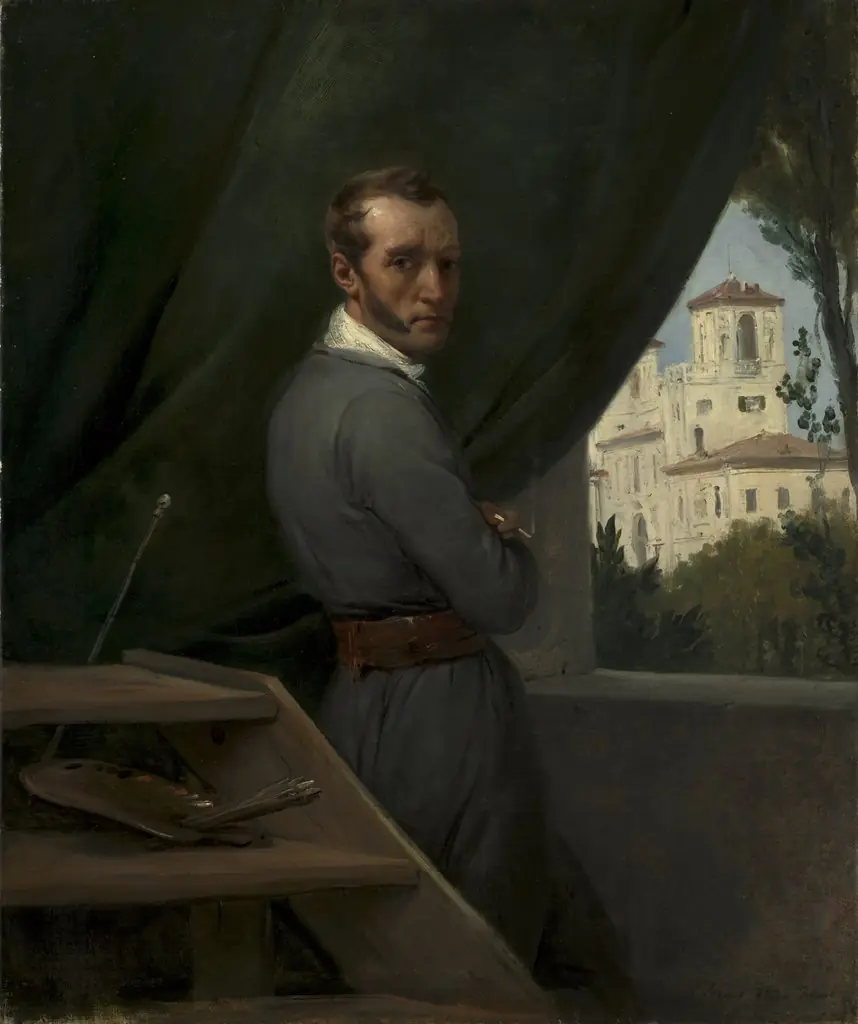 Self-Portrait in Rome
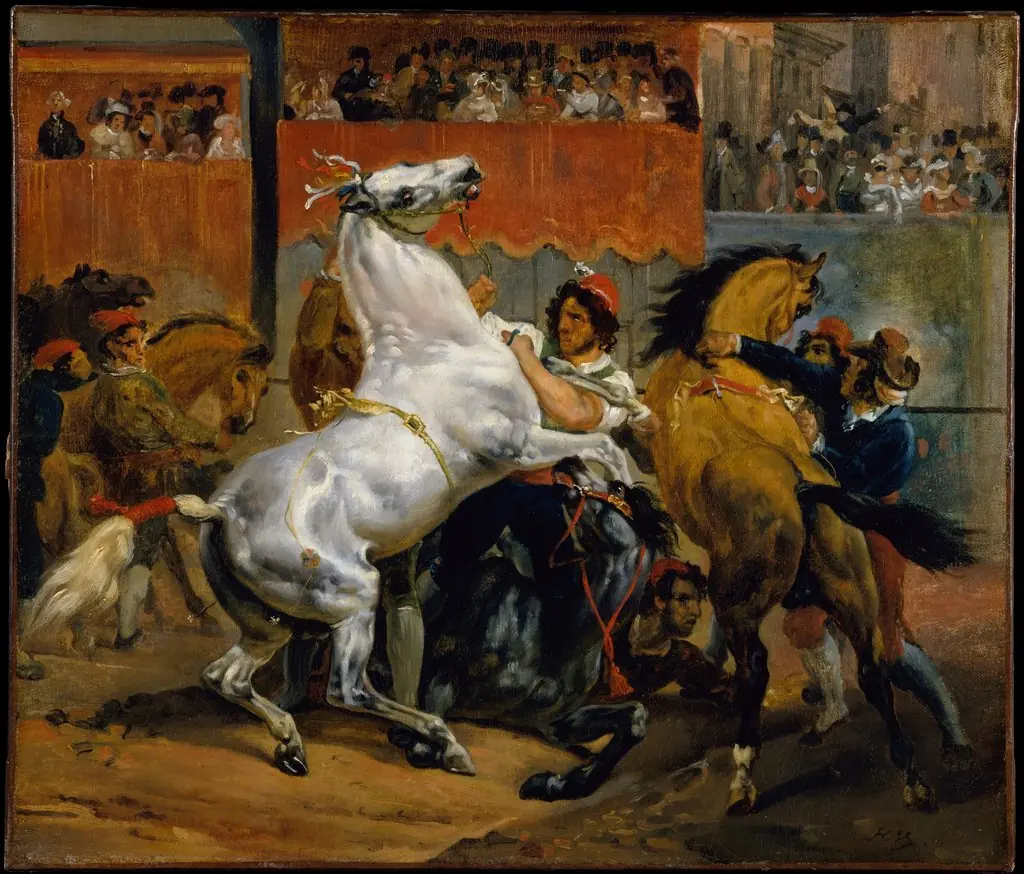 The Start of the Race of the Riderless Horses
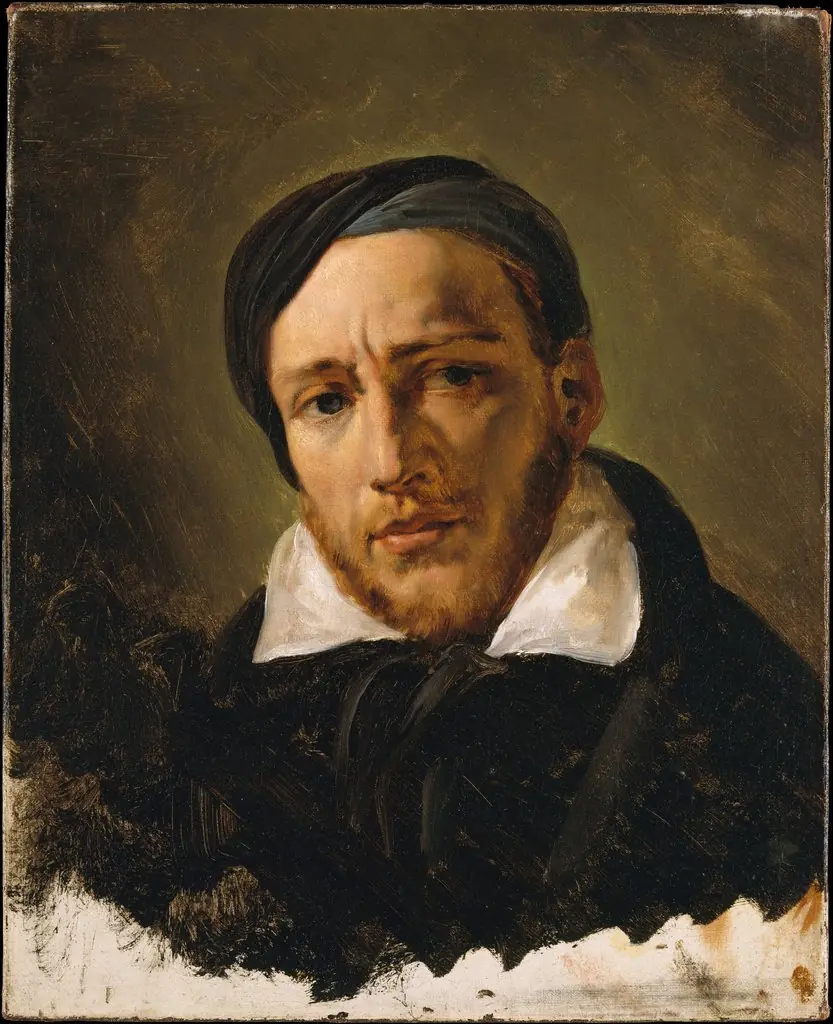 Jean-Louis-André-Théodore Gericault (1791–1824)
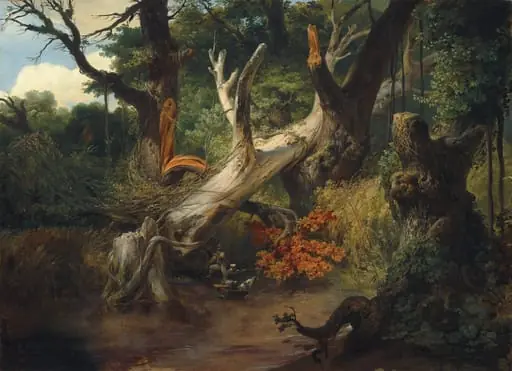 Hunting in the Pontine Marshes
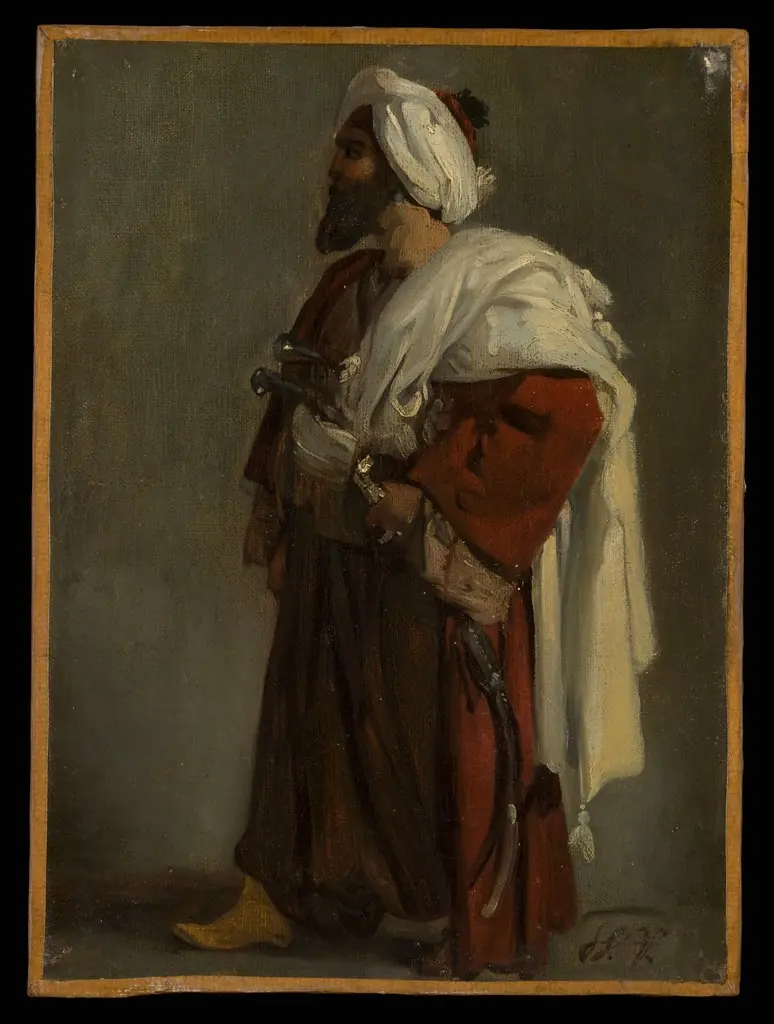 Arab Warrior
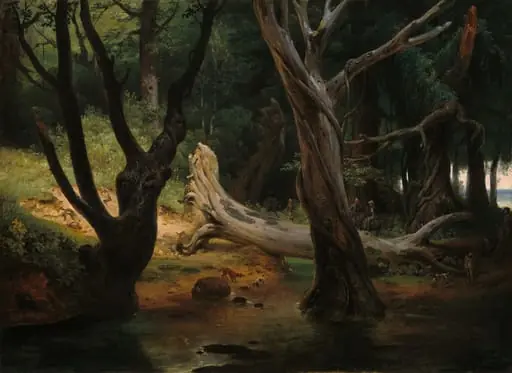 Departure for the Hunt in the Pontine Marshes
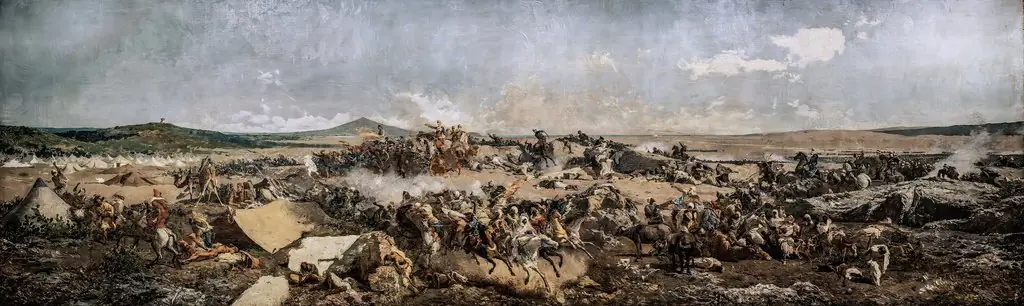 La Batalla de Tetuan
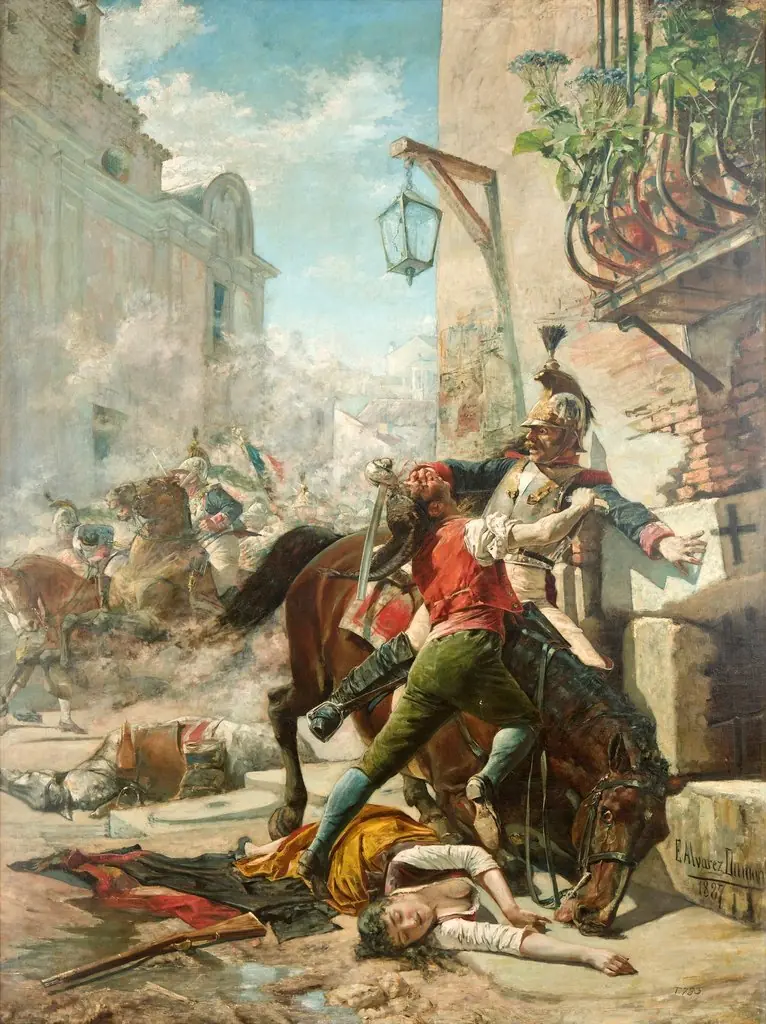 Malasaña y su hija se baten contra los franceses en una de las calles que bajan del parque a la de San Bernardo. Dos de mayo de 1808
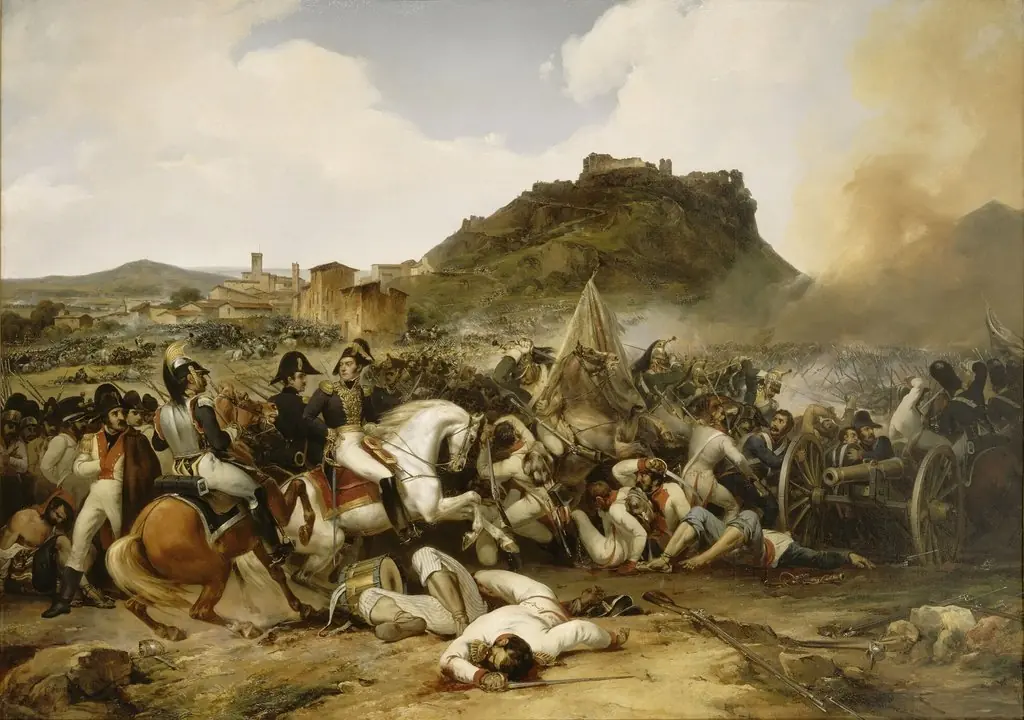 Battle of Castalla, July 21, 1812
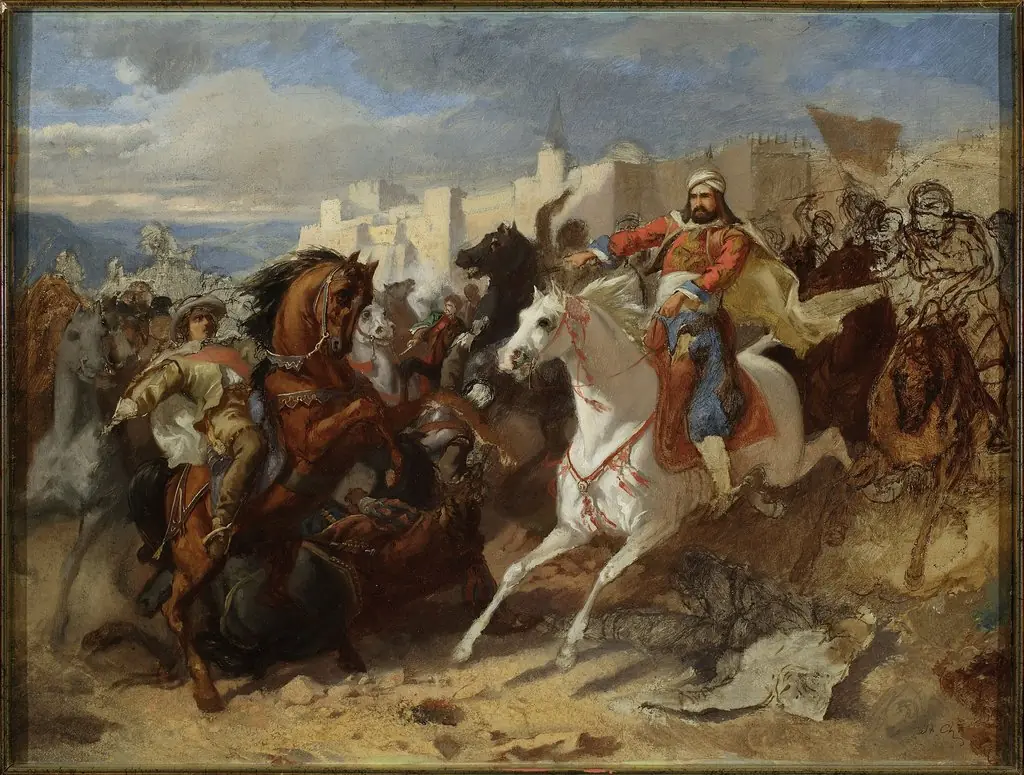 Episode from Austro-Turkish wars, sketch
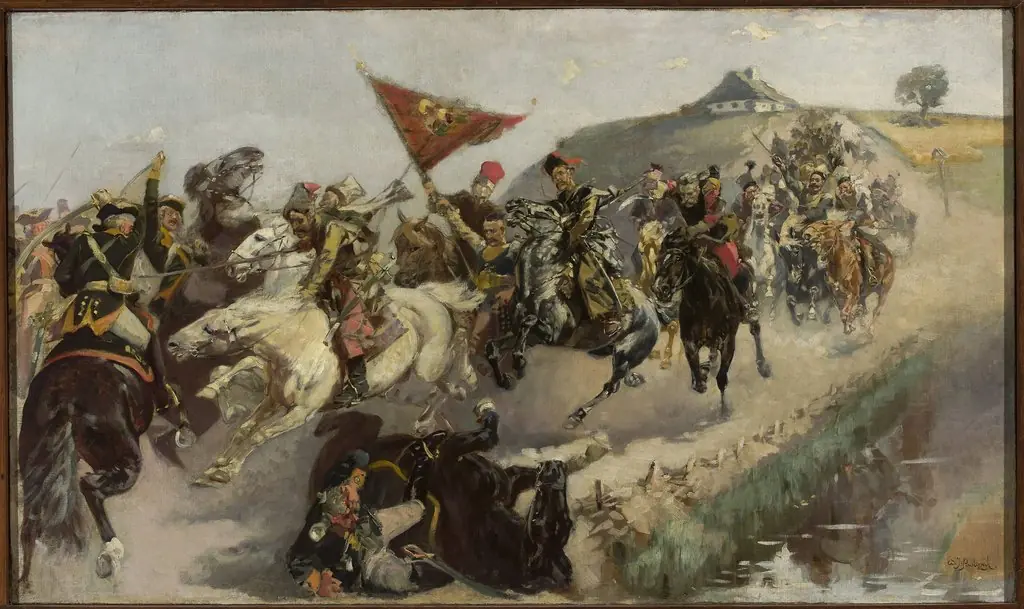 Skirmish on the road
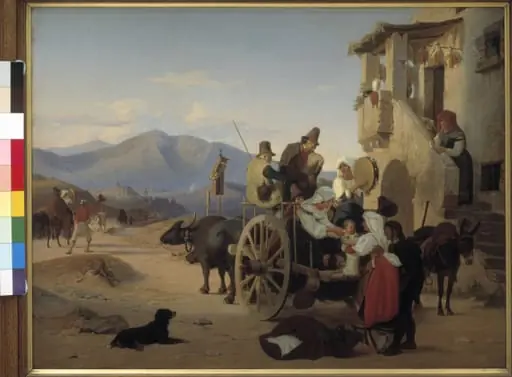 Roman Peasants Going to Market
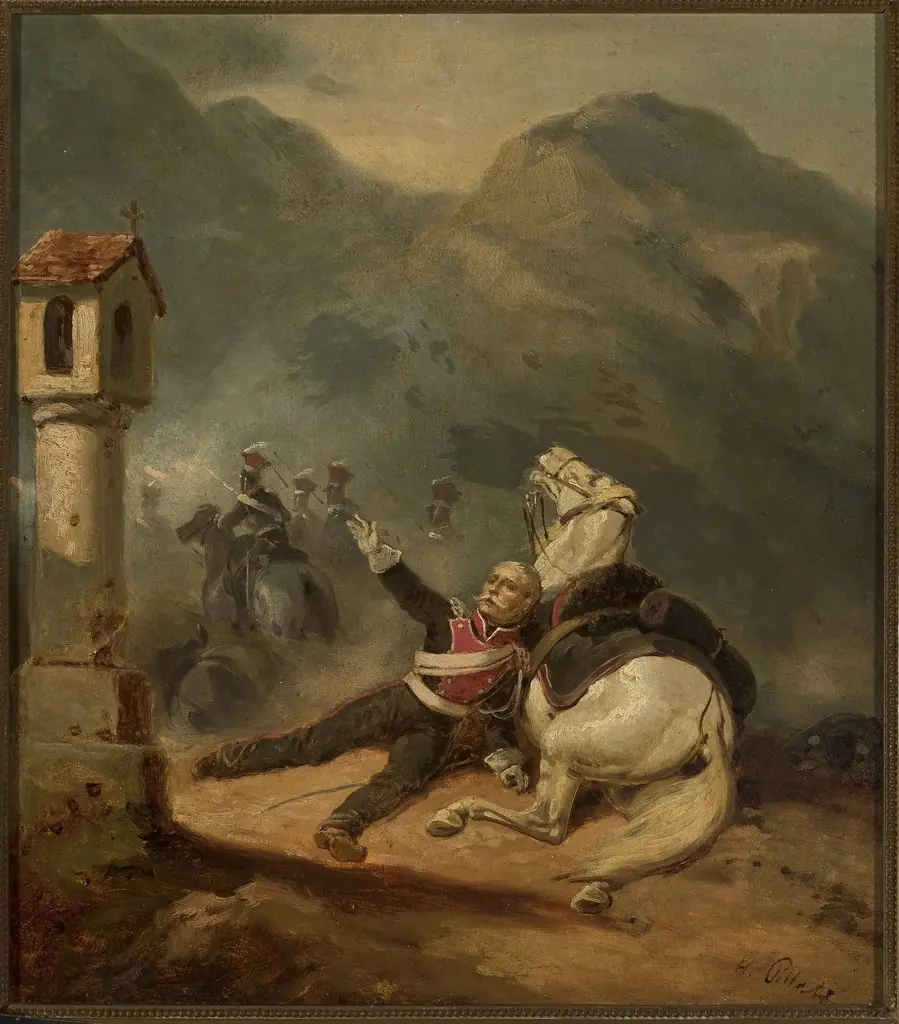 Wounded uhlan by the wayside shrine
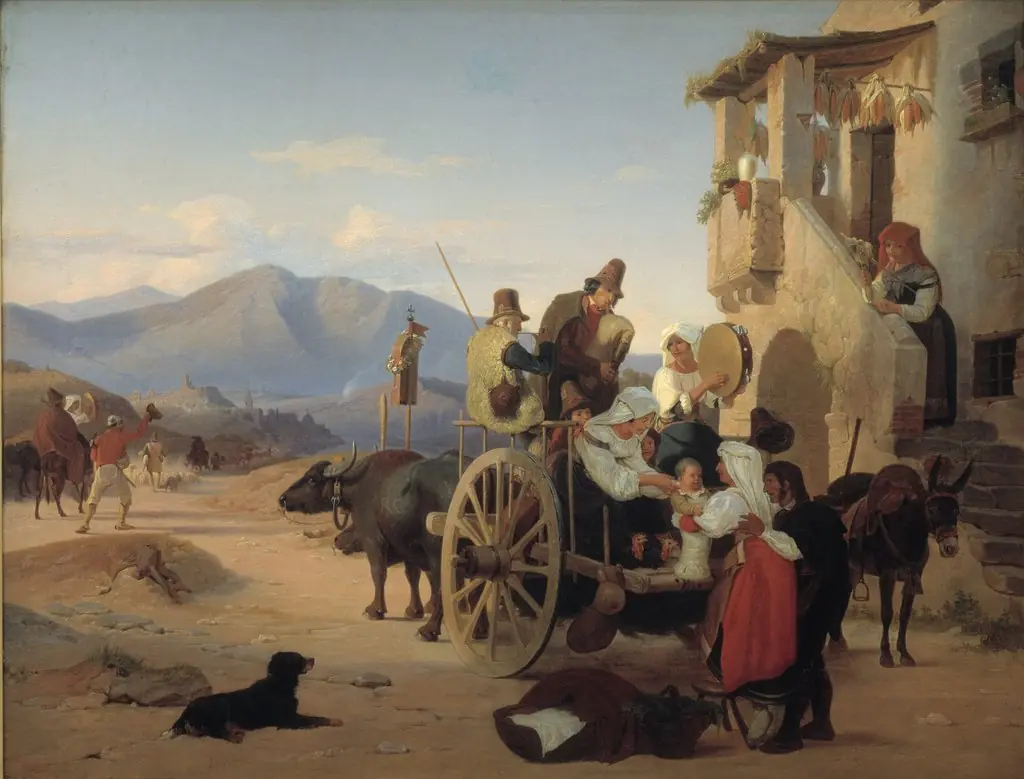 Romerske landfolk drager til marked
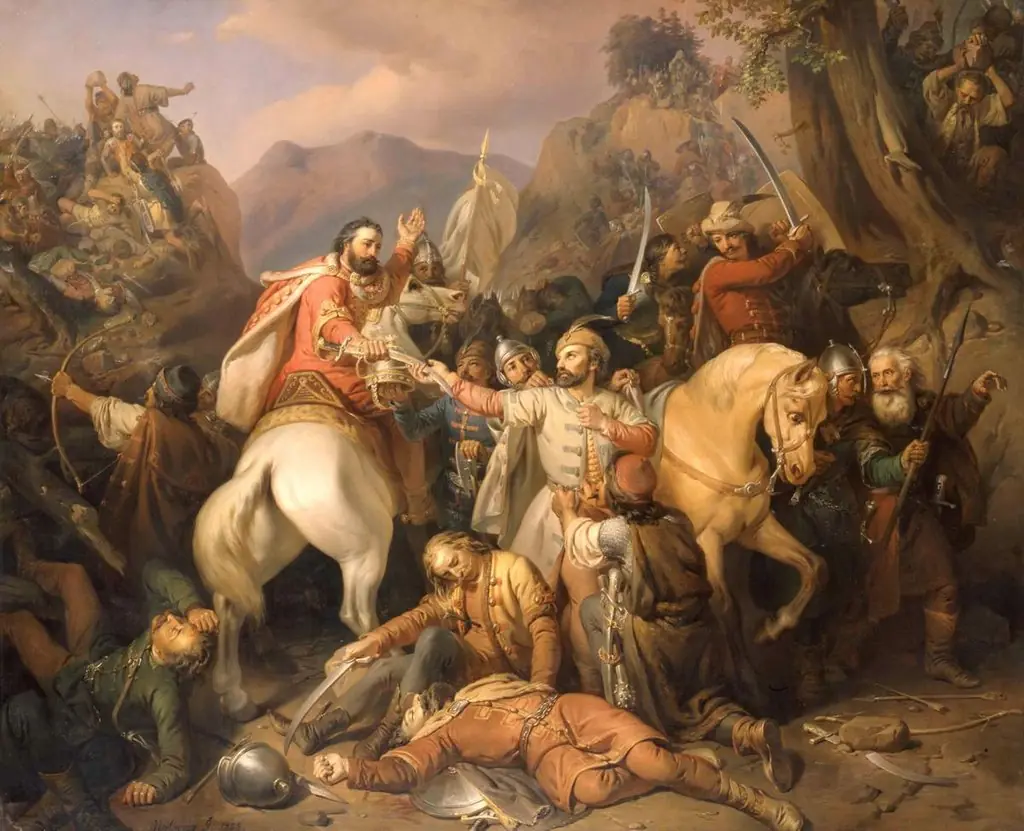 Warrior Dezső Sacrifices his Life for King Charles Robert
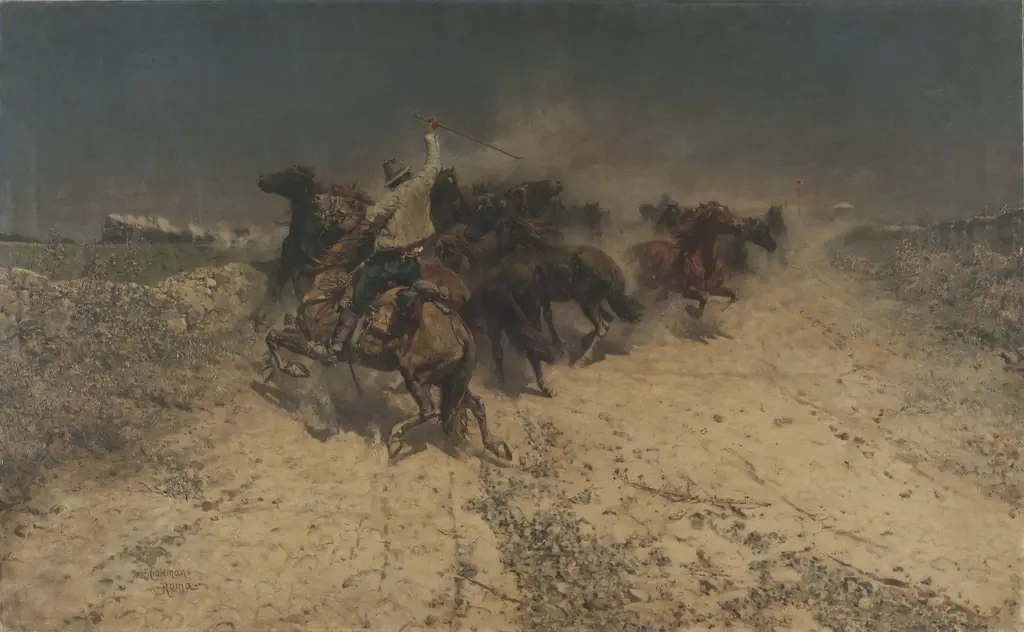 Horses
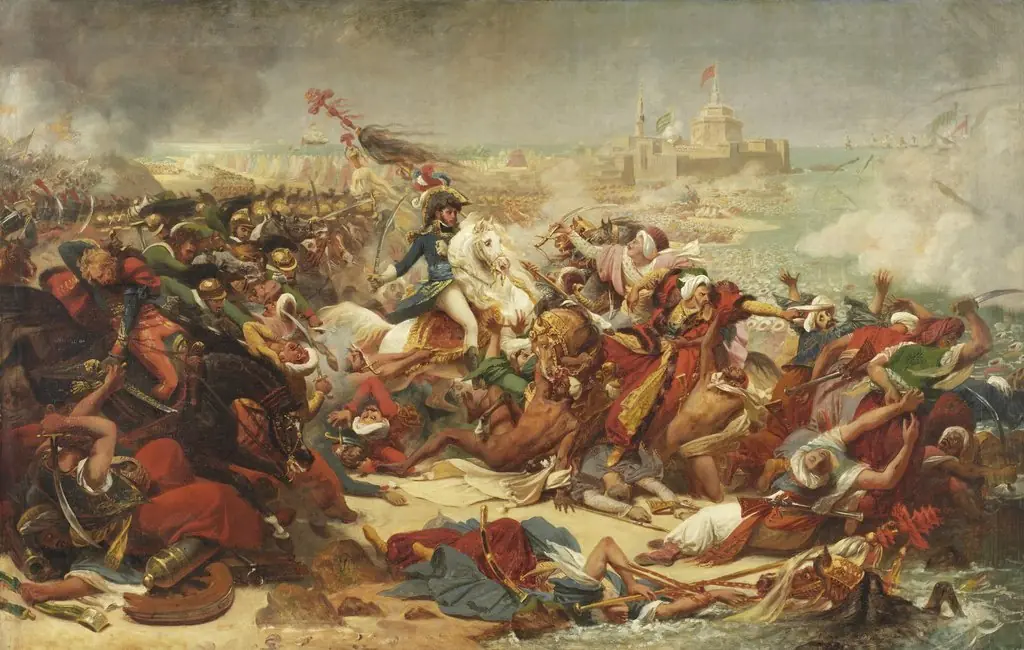 Murat Defeating the Turkish Army at Aboukir
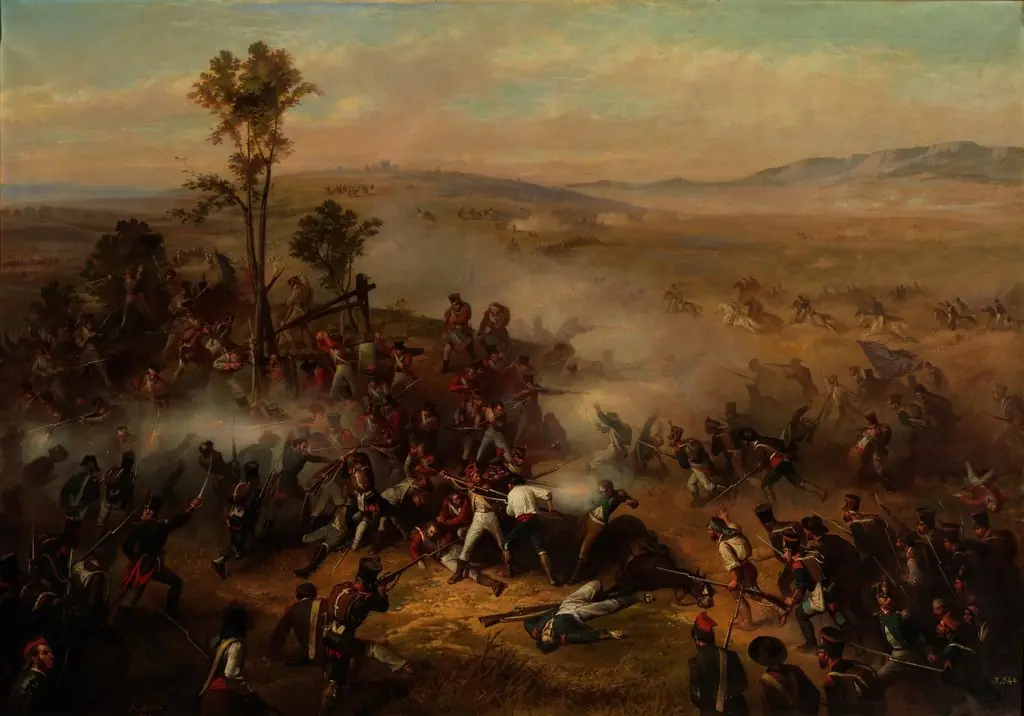 Episodio de la batalla de Bailén