Artwork
Malasaña y su hija se baten contra los franceses en una de las calles que bajan del parque a la de San Bernardo. Dos de mayo de 1808
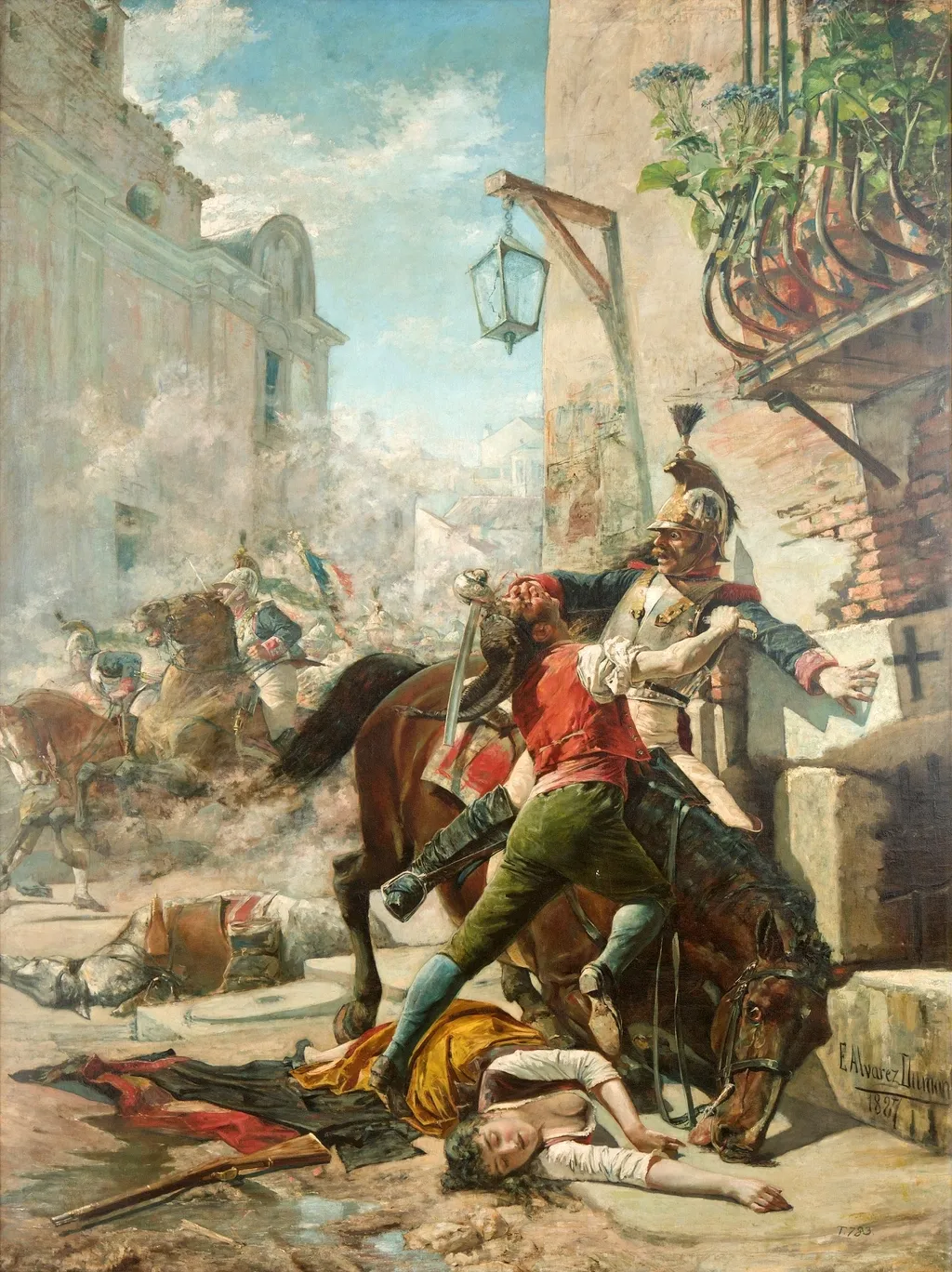
Malasaña y su hija se baten contra los franceses en una de las calles que bajan del parque a la de San Bernardo. Dos de mayo de 1808 is an oil painting by the Post-Impressionist artist Eugenio Álvarez Dumont. It dates from 1894 and is held in the collection of the Museo del Prado. Malasaña y su hija se baten contra los franceses.
About this work
Overview
Malasaña y su hija se baten contra los franceses... (1894) is an oil painting by Eugenio Álvarez Dumont depicting a pivotal moment in the Dos de Mayo Uprising of 1808 during the Peninsular War. The scene unfolds in a Madrid street near Parque del Buen Retiro, showcasing resistance against French forces.
Subject & Meaning
The painting centers on Juan Malasaña and his daughter Manuela as they fight against French troops. This representation highlights civilian bravery and the intense conflict of the uprising, immortalizing a specific, heroic moment in Spanish history.
Technique & Style
Dumont employs detailed, vibrant oil painting to convey chaos. Figures in distinctive attire (e.g., red shirt, green pants, and contrasting French uniforms) are set against a backdrop of Madrid’s architecture and a serene blue sky, juxtaposing turmoil with tranquility. The level of detail and color suggests a blend of historical precision and dramatic emphasis.
History & Provenance
Created in 1894, the painting is part of the Museo del Prado’s collection. While Dumont was known for Orientalist and costumbrista works, this piece reflects his capability in capturing historical, battle-oriented themes.
Context
The Dos de Mayo Uprising marked the beginning of the Peninsular War, a conflict that pitted Spanish insurgents against Napoleon’s army. Dumont’s work, painted nearly a century later, reflects a nostalgic or commemorative look at Spanish resistance and national pride.
Legacy
As a historical piece in the Prado, it contributes to the museum’s narrative of Spanish history and art. Its depiction of a lesser-known figure’s bravery may also serve educational purposes, though its broader artistic influence appears more tied to its subject matter than stylistic innovation.
Own this work as a print
Artist & collection
Artist
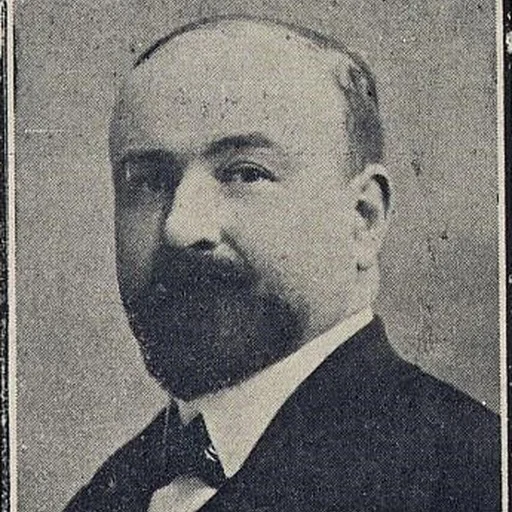
Eugenio Álvarez Dumont (1864, Tunis - 1927, Buenos Aires) was a Spanish painter; primarily of Orientalist and costumbrista scenes, although he is best remembered as a battle painter, for his scenes from the Peninsular War.

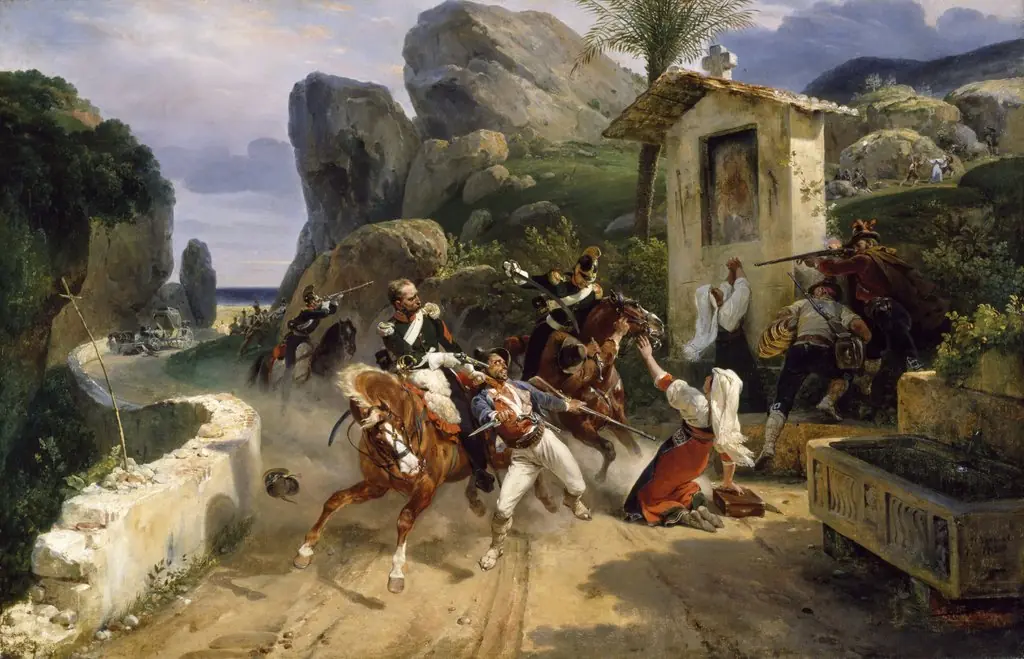 Italian Brigands Surprised by Papal Troops
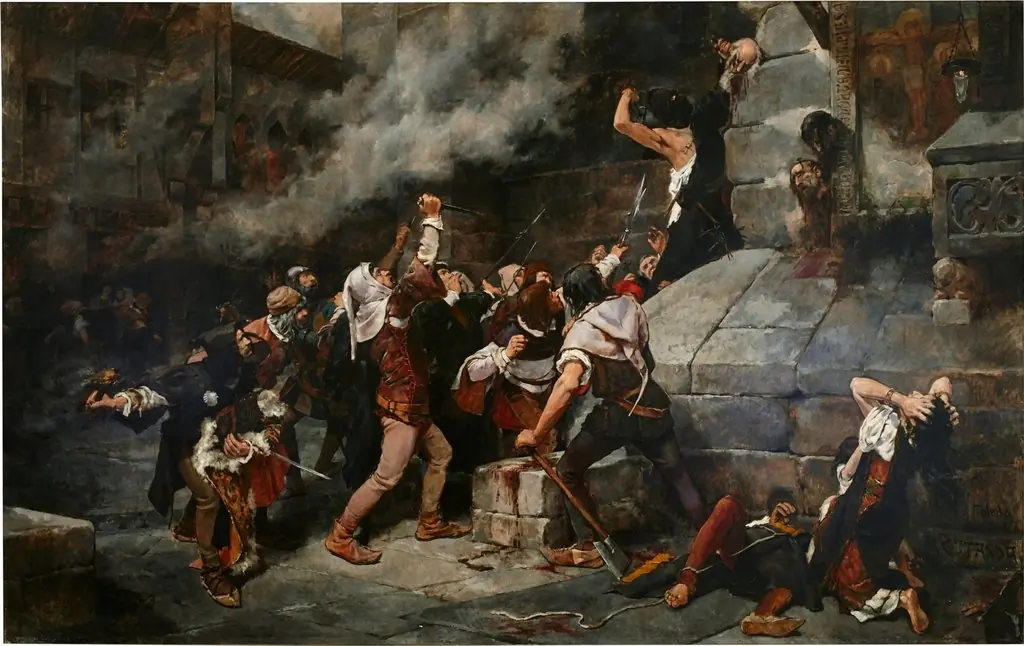 At the Feet of the Saviour', Slaughter of the Jews in the Middle Ages
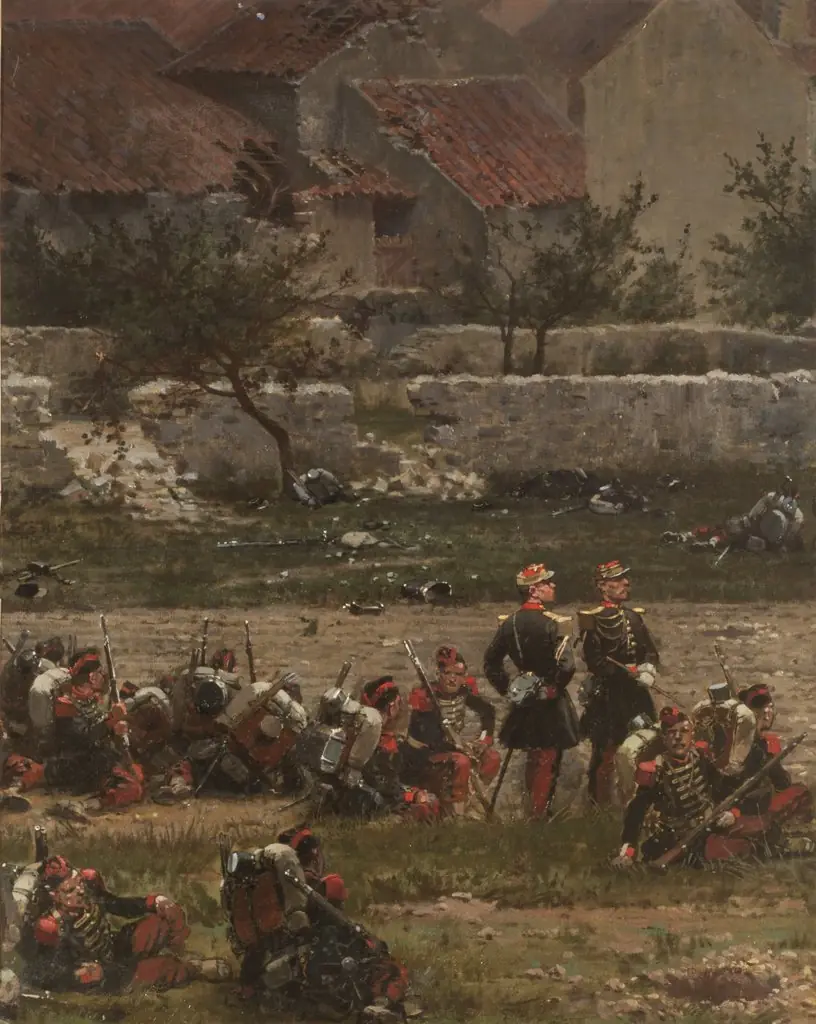 Soldiers at Rest (Panorama of the Battle of Rezonville) (Fragment)
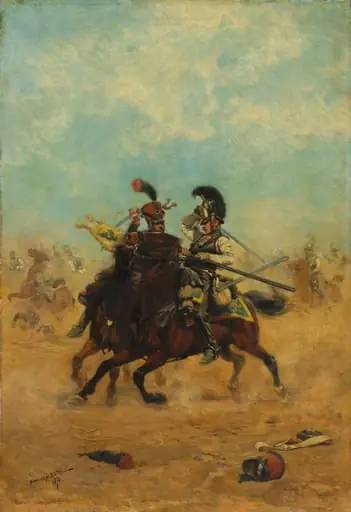 Combat for the Colors
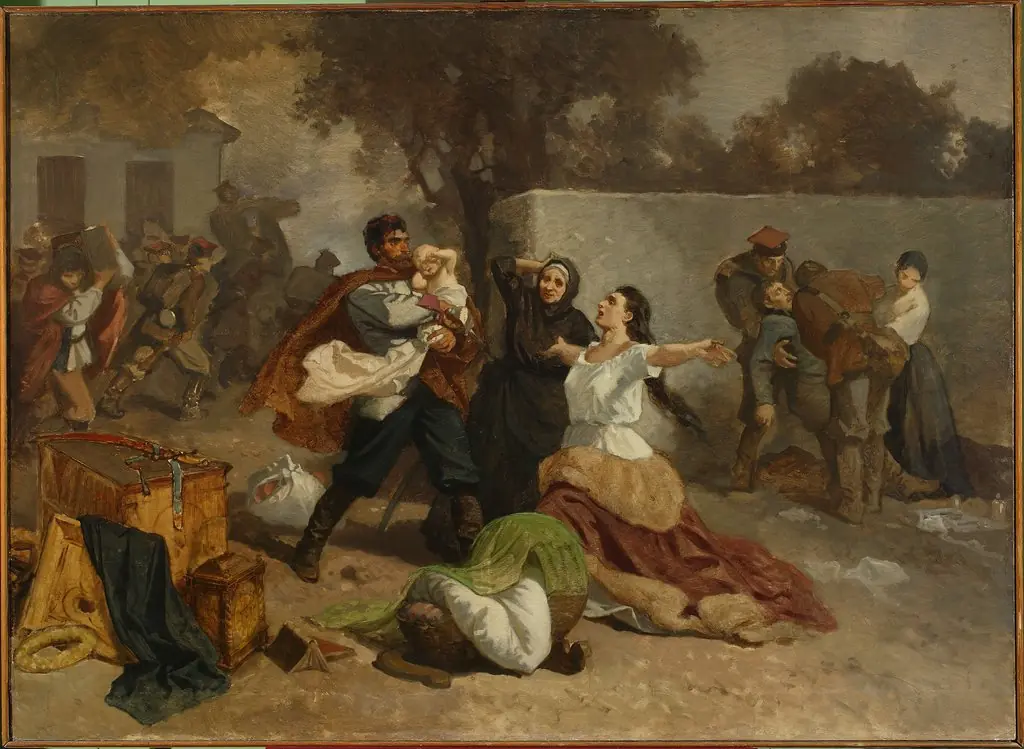 Fire of a manor house near Miechów
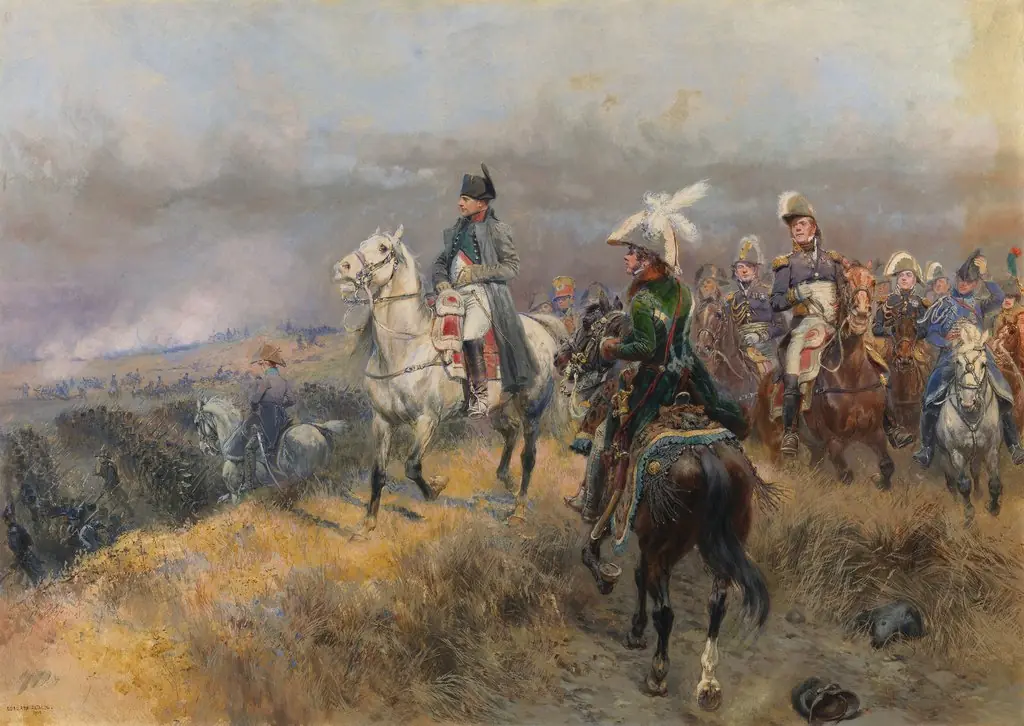 Napoleon and Troops
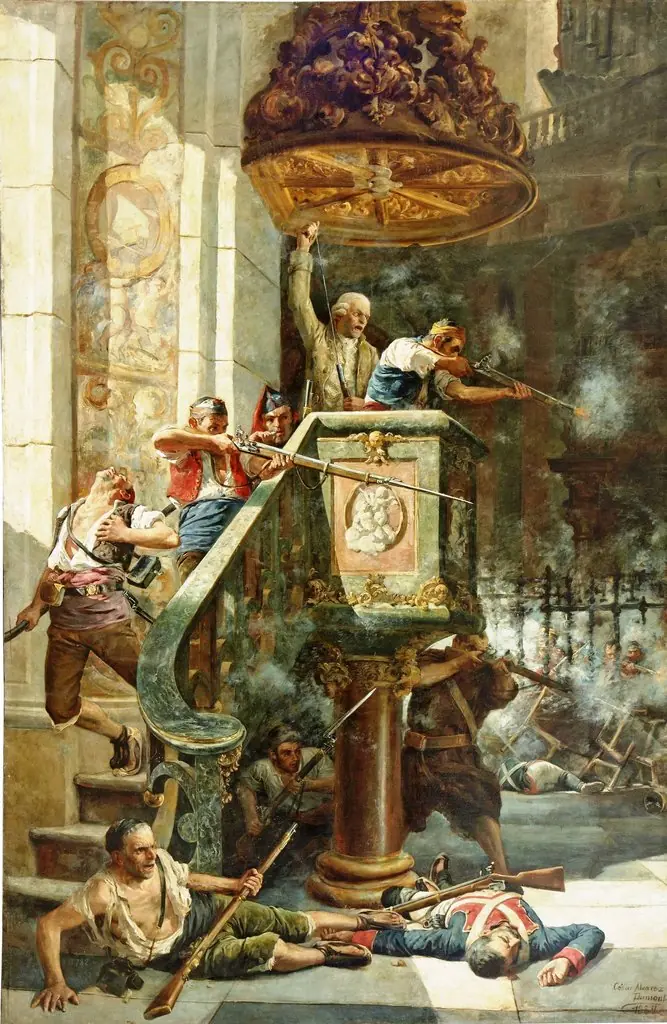 Combate heroico en el púlpito de la iglesia de San Agustín de Zaragoza en el segundo sitio de 1809
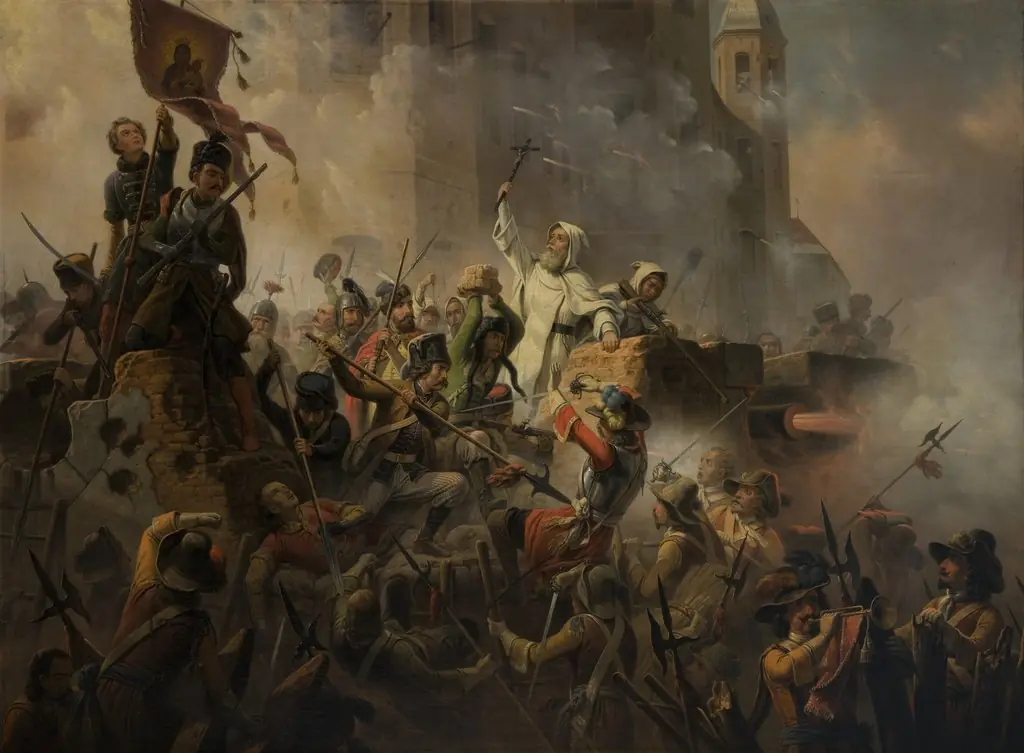 Defence of Częstochowa
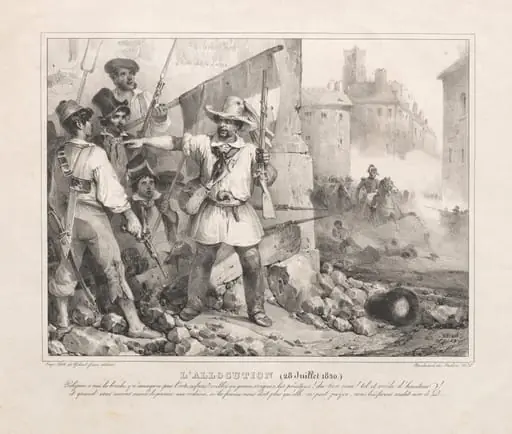 Allocution (July 28, 1830)
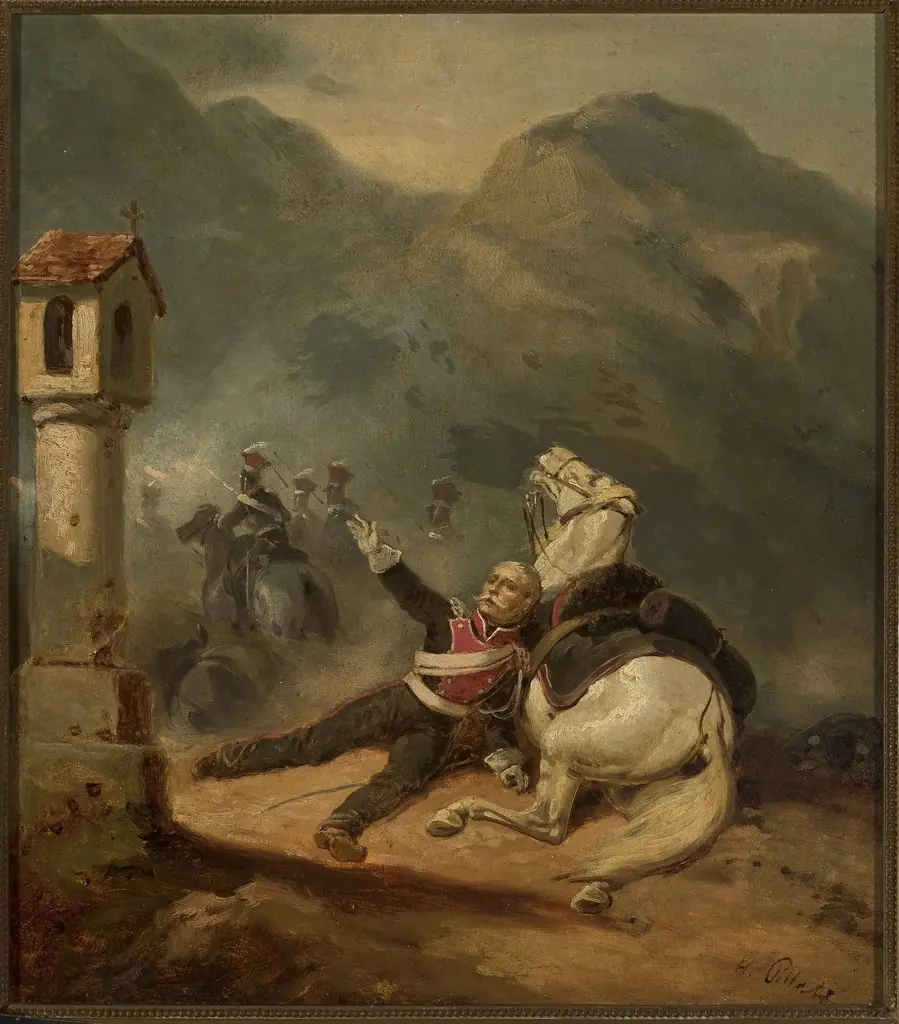 Wounded uhlan by the wayside shrine
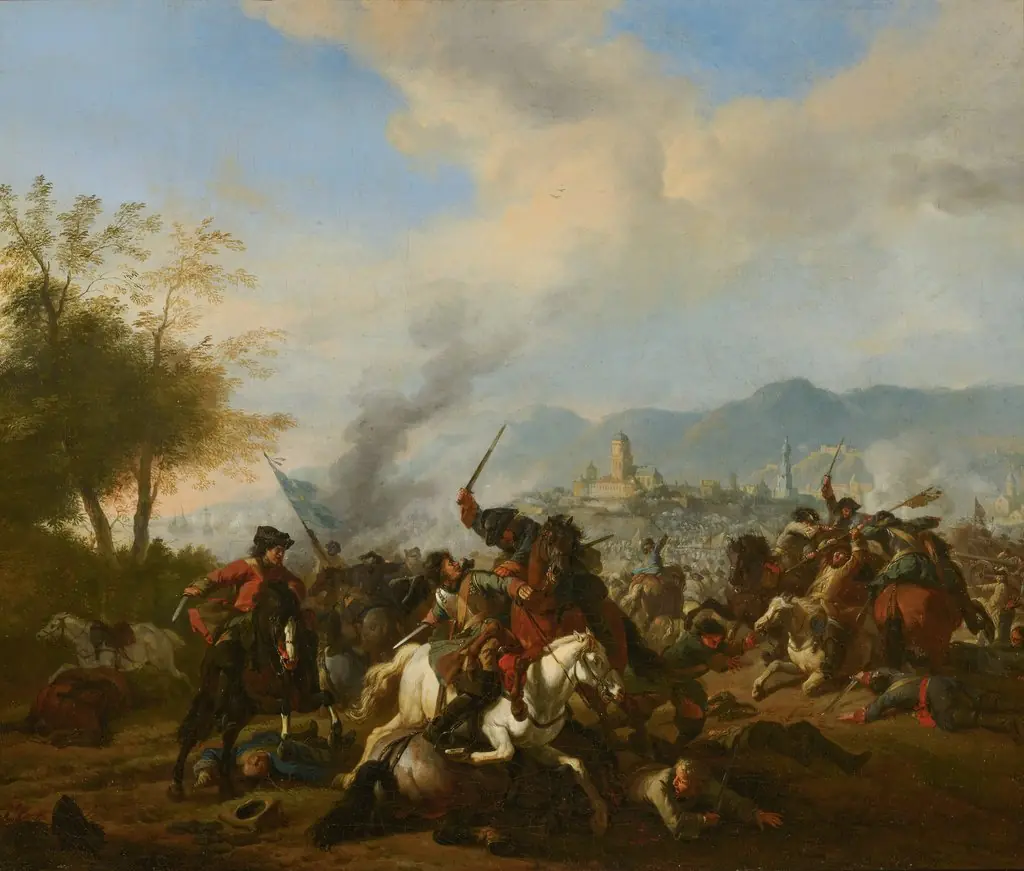 Cavalry Engagement
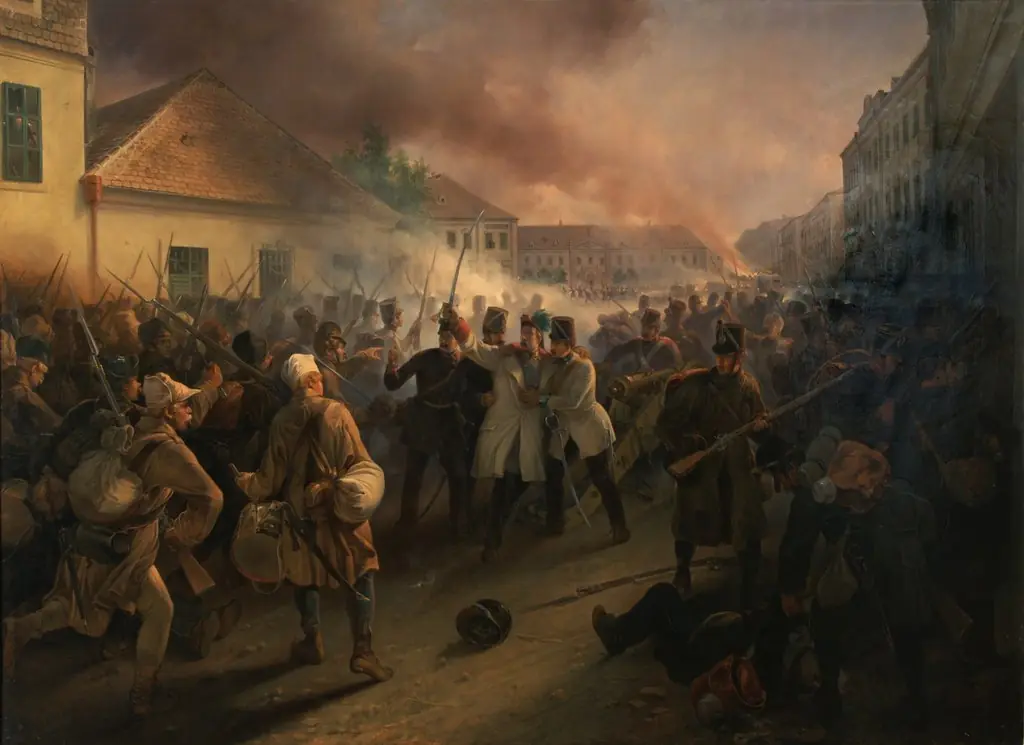 The Heroic Death of General Heinrich Hentzy von Arthurm