Artwork
The French fleet forcing the entrance of Tagus River. 11 July 1831.
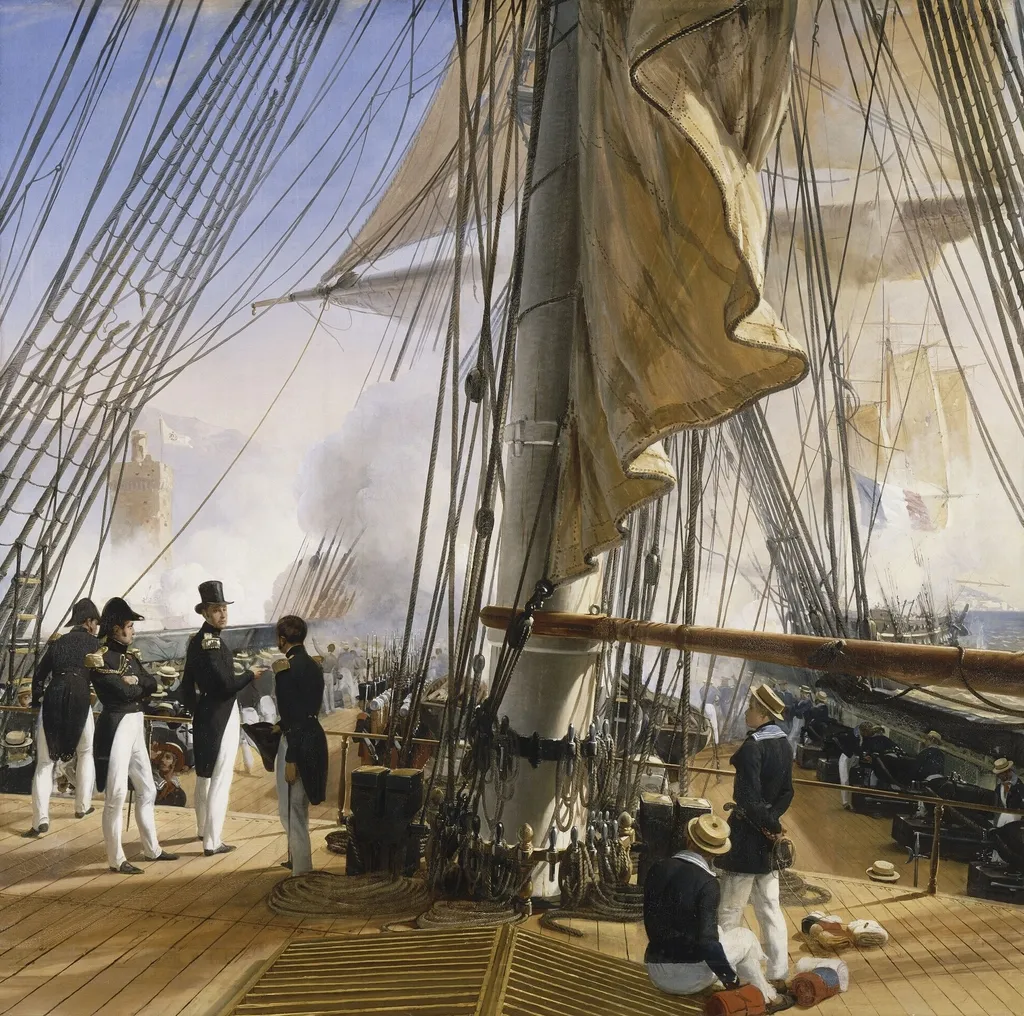
The French fleet forcing the entrance of Tagus River. 11 July 1831. is an oil painting by Horace Vernet. It dates from 1840 and is held in the collection of the Palace of Versailles.
About this work
Overview
It resides in the Palace of Versailles, part of a broader French state effort to document military interventions of the July Monarchy.
Painted in 1840 by Horace Vernet, this oil work records a naval action off Lisbon on 11 July 1831, when French warships entered the Tagus River under diplomatic pressure. The scene captures a moment of controlled movement rather than combat, emphasizing the fleet’s disciplined advance. It resides in the Palace of Versailles, part of a broader French state effort to document military interventions of the July Monarchy.
Subject & Meaning
The painting illustrates France’s naval demonstration against Portuguese authorities who had refused to recognize the new French regime. Rather than depicting violence, Vernet focuses on the fleet’s orderly passage, suggesting power through presence rather than conflict. The calm demeanor of officers on deck reinforces the idea of state authority being asserted without bloodshed, aligning with the diplomatic goals of the intervention.
Technique & Style
Vernet rendered the scene with precise attention to naval architecture and uniform detail, characteristic of his documentary approach. The palette favors subdued blues, grays, and muted whites, avoiding dramatic contrasts. Light falls evenly across the water and hulls, enhancing the sense of stillness. Compositionally, the ships recede in a shallow perspective, guiding the viewer’s eye along the river’s curve.
History & Provenance
Commissioned by the French government after the 1831 intervention, the painting was completed nearly a decade later as part of a series documenting royal military actions. It entered the collection of the Palace of Versailles in the mid-19th century, where it was displayed to reinforce the legitimacy and reach of the July Monarchy. Its preservation reflects its role as state-sponsored historical record.
Context
The 1831 operation occurred amid European political instability following the July Revolution in France. Portugal’s refusal to acknowledge Louis-Philippe’s regime prompted a show of force. Vernet’s depiction aligns with contemporary French efforts to legitimize overseas interventions as measured and necessary, contrasting with earlier revolutionary chaos and emphasizing state control.
Legacy
The painting stands as a representative example of 19th-century French state art, where military events were rendered with restraint to serve political narrative. While not widely exhibited today, it remains a key artifact in understanding how visual culture was used to frame diplomatic actions as orderly and justified, influencing later official naval historiography.
Own this work as a print
Artist & collection
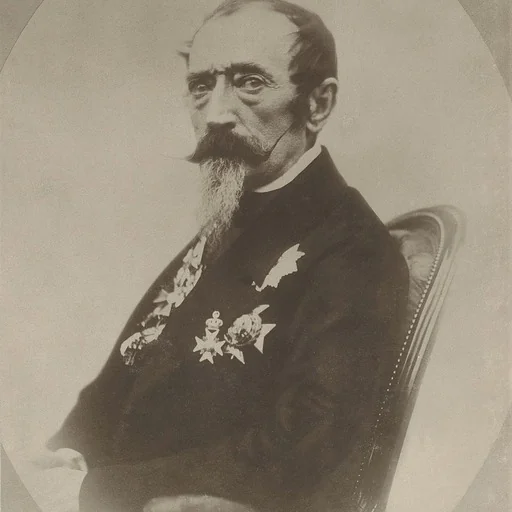
Artist
Émile Jean-Horace Vernet (French pronunciation: ; 30 June 1789 – 17 January 1863), better known as Horace Vernet, was a French painter of battles, portraits, and Orientalist subjects.

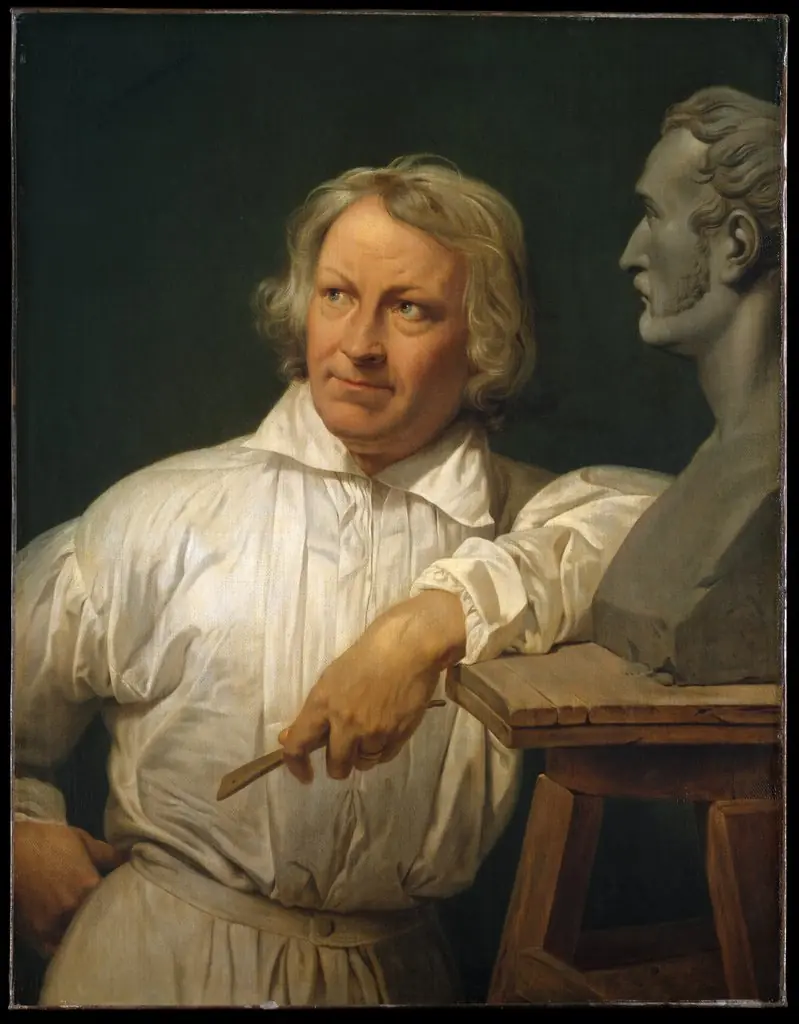 Bertel Thorvaldsen (1768–1844) with the Bust of Horace Vernet
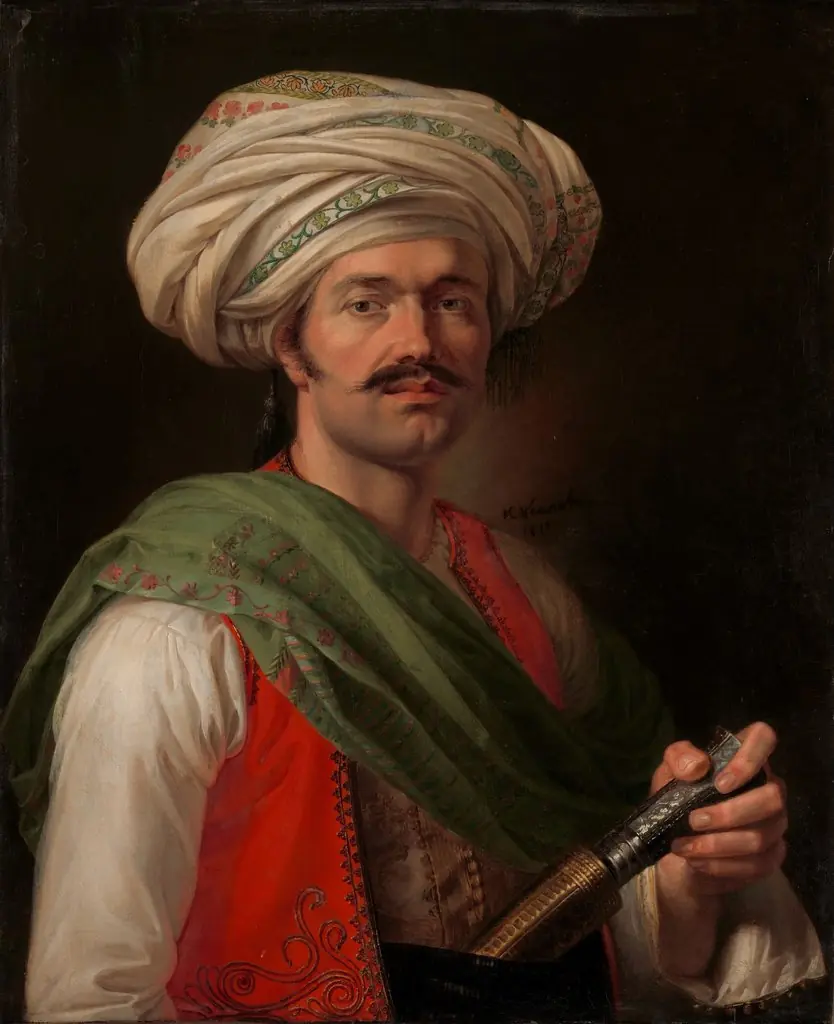 Portrait of a Mameluke, said to be Roustam Raza
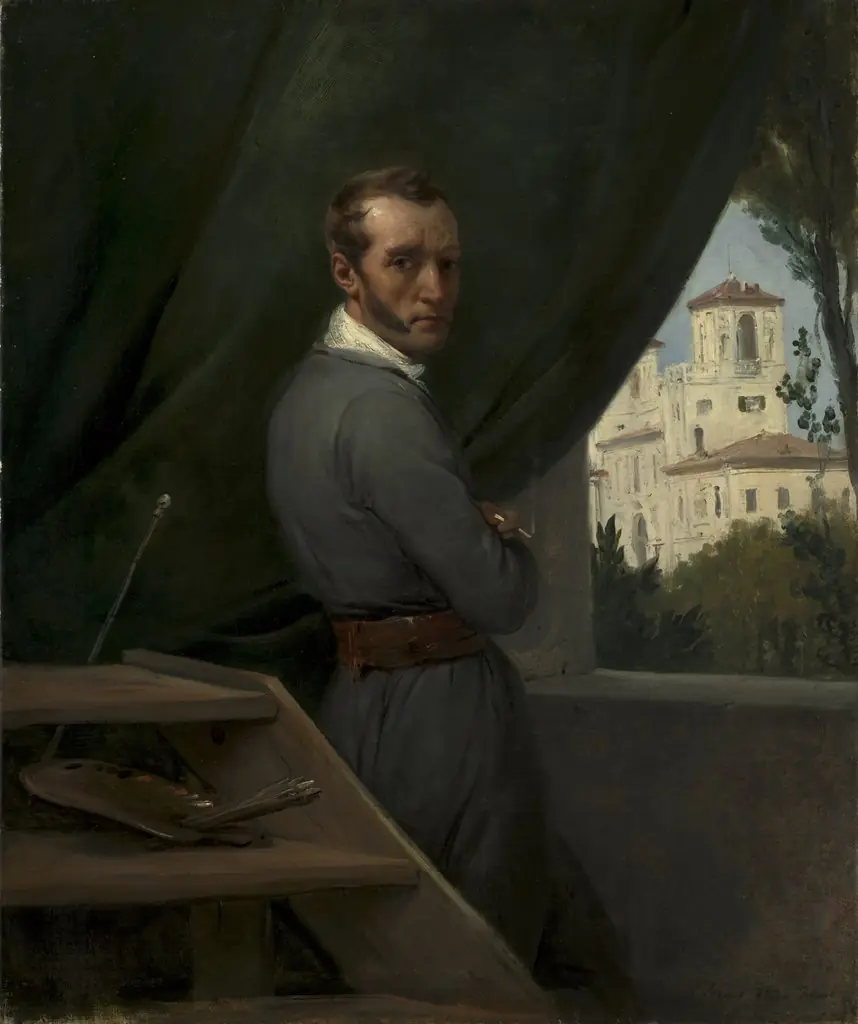 Self-Portrait in Rome
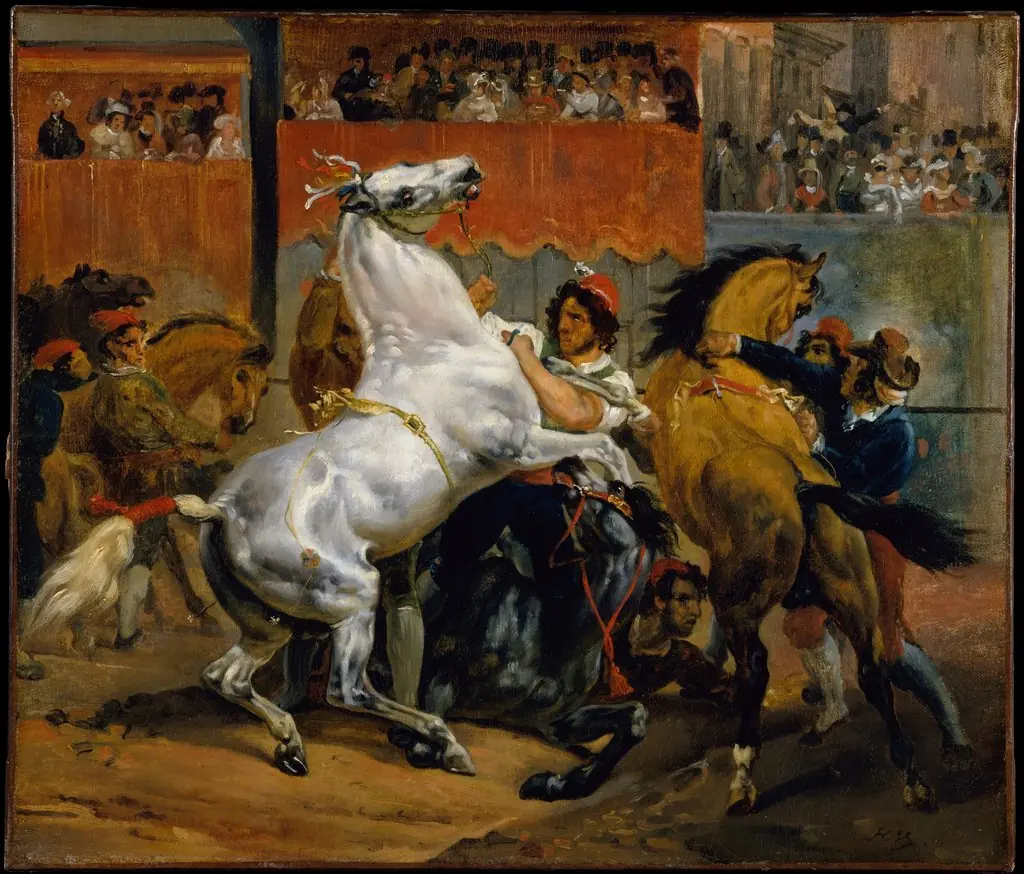 The Start of the Race of the Riderless Horses
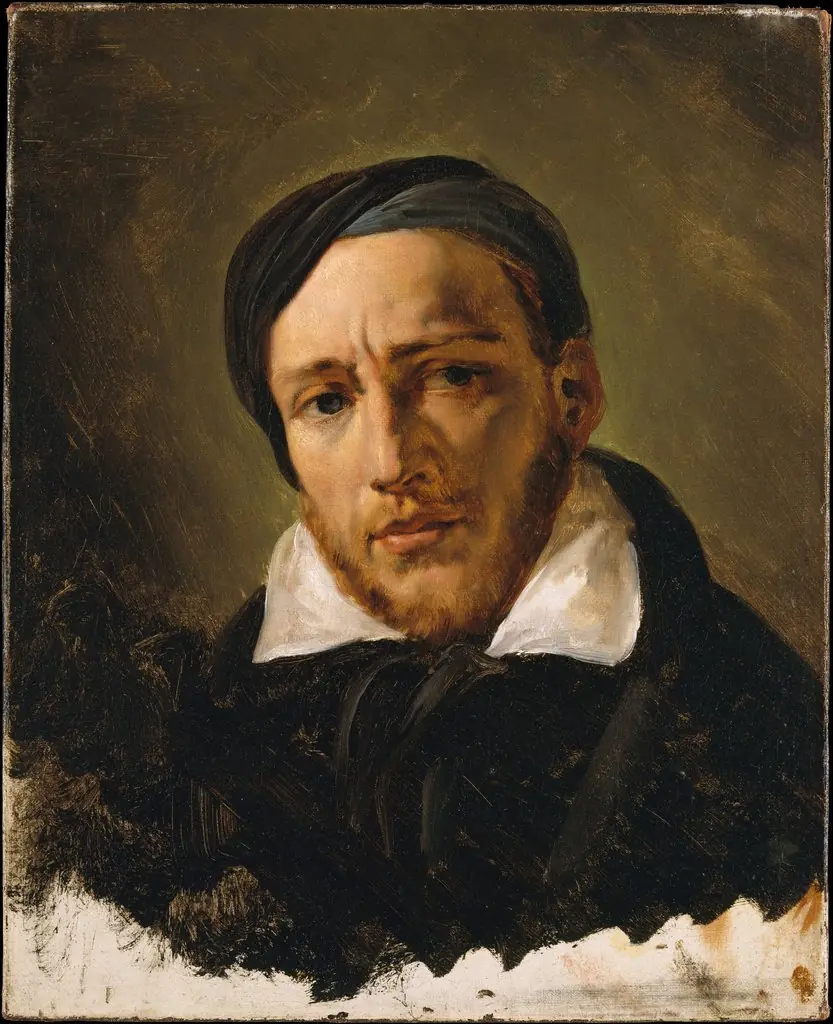 Jean-Louis-André-Théodore Gericault (1791–1824)
 Hunting in the Pontine Marshes
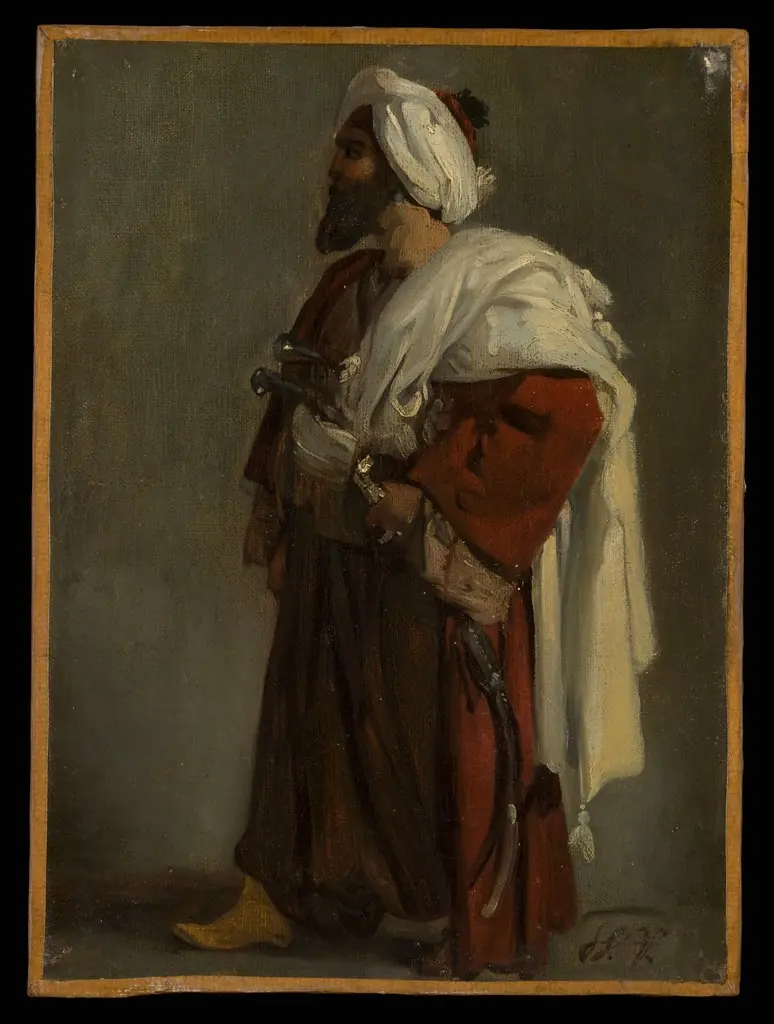 Arab Warrior
 Departure for the Hunt in the Pontine Marshes
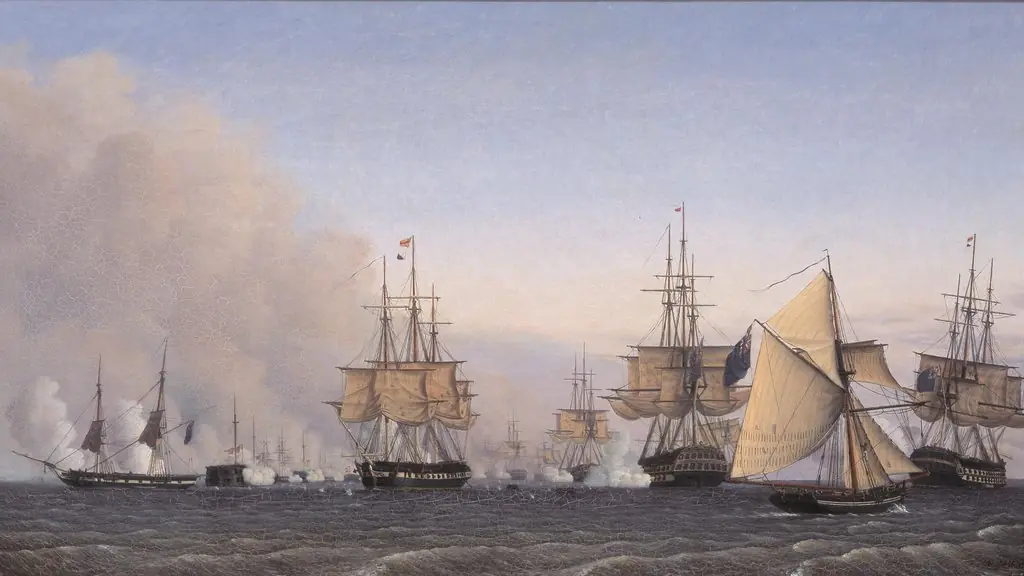 Slaget på Rheden den 2. april 1801
 Slaget på Rheden den 2. april 1801
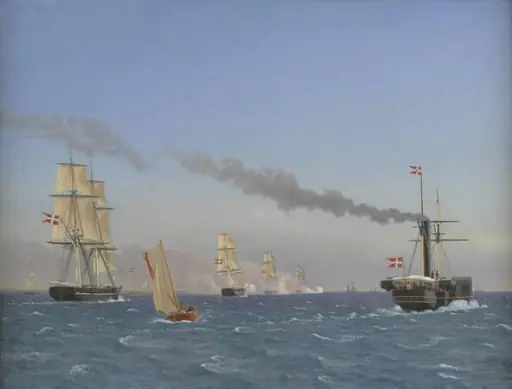 Christian VIII Aboard his Steamship "Ægir" Watching the Manoeuvres of a Squadron near Copenhagen
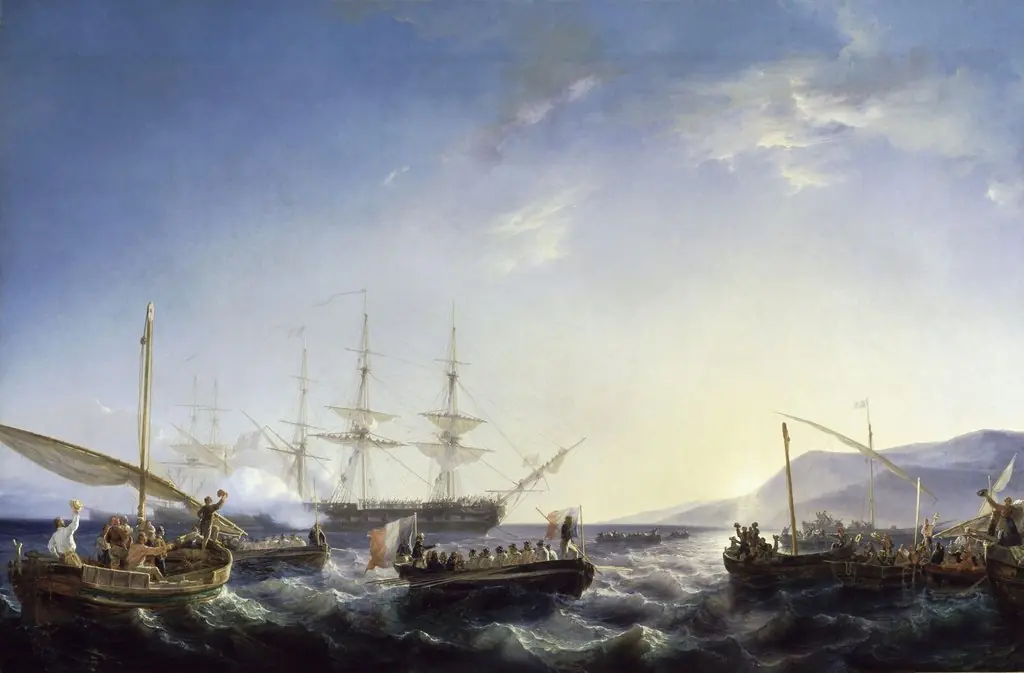 Bonaparte arriving in France back from Egypt on 9 October 1799
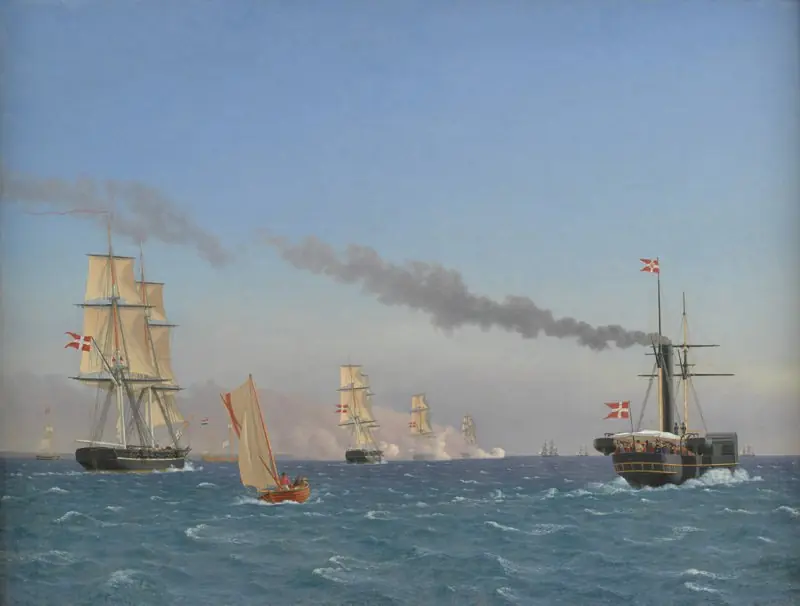 Christian VIII Aboard his Steamship "Ægir" Watching the Manoeuvres of a Squadron near Copenhagen
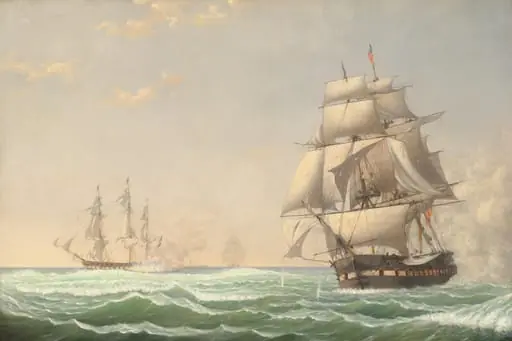 The United States Frigate "President" Engaging the British Squadron, 1815
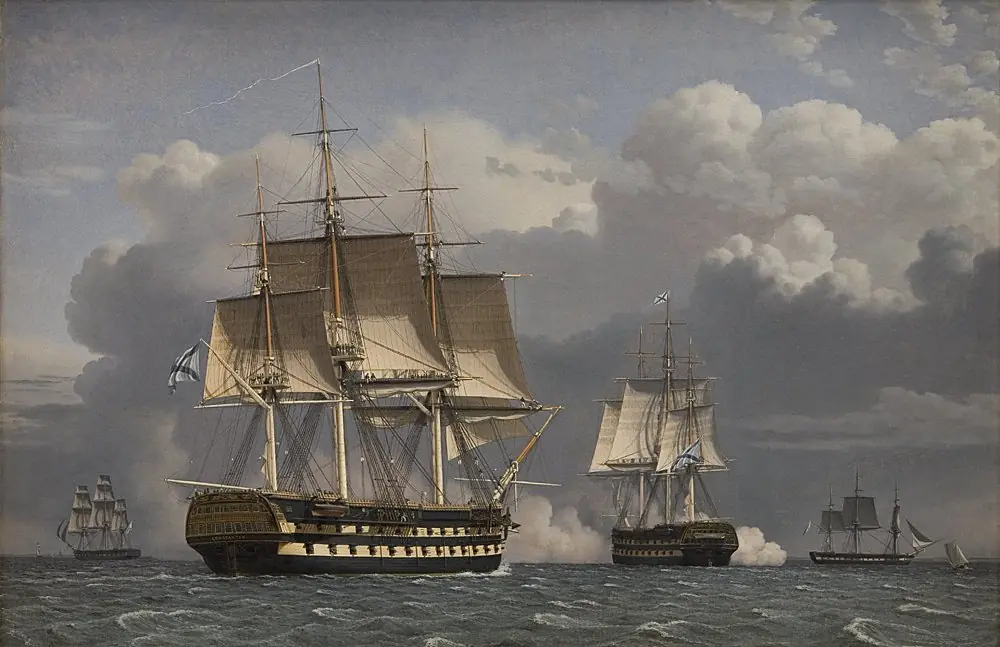 Two Russian Ships of the Line Saluting
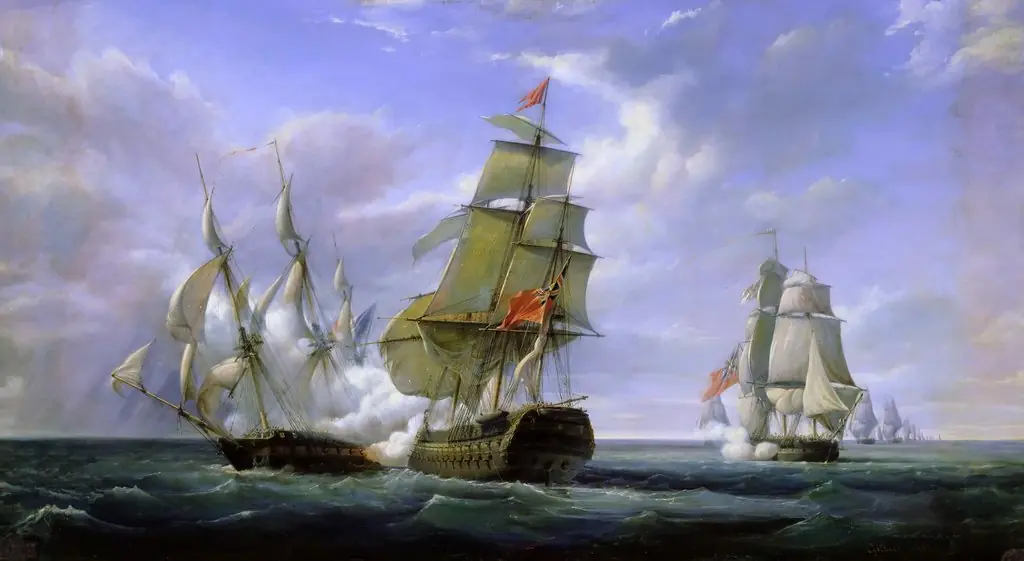 Fight of the British Third Rate 74-gun ship-of-the-line HMS Tremendous and HMS ''Hindostan against the French frigate Cannonière, 21 April 1806.
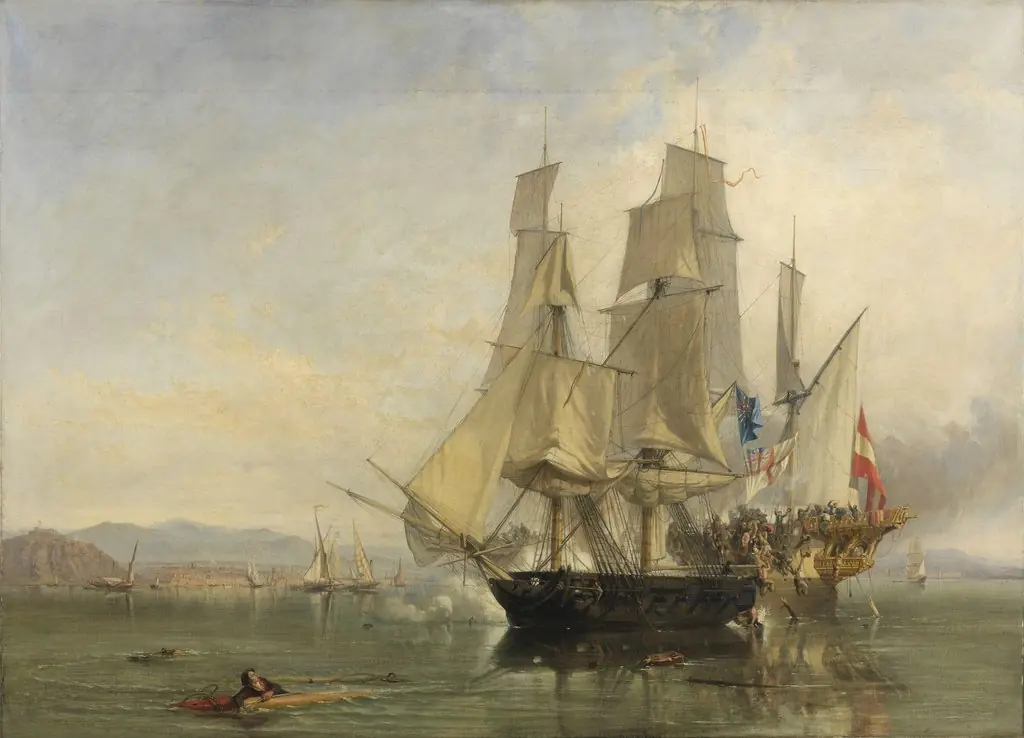 The Action and Capture of the Spanish Xebeque Frigate El Gamo
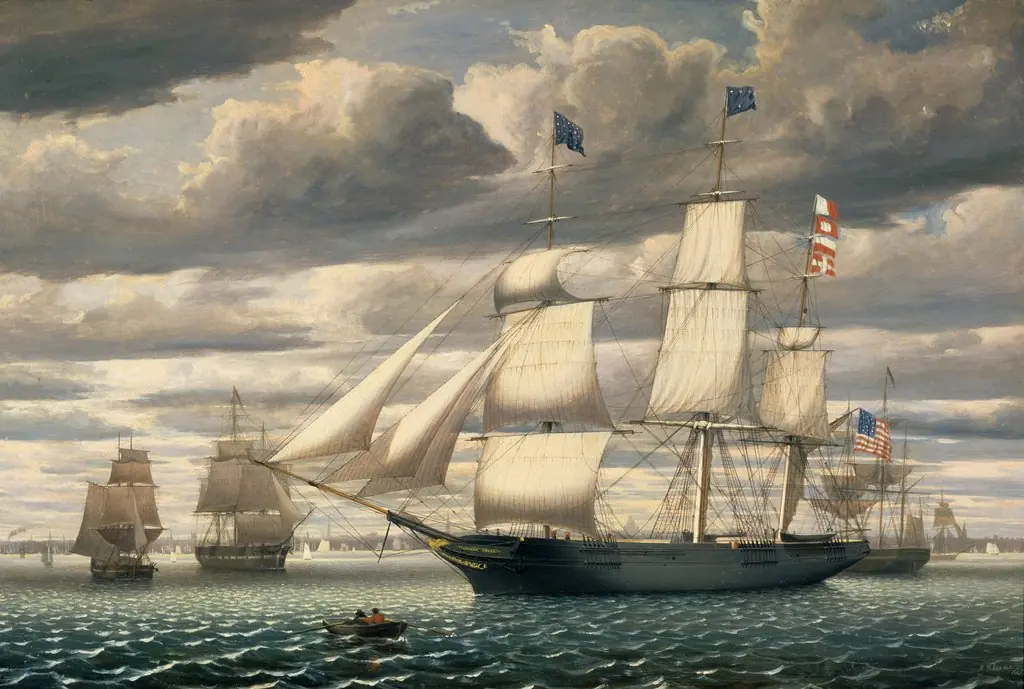 Ship Southern Cross in Boston Harbor, 1851
 English Ships of War, one firing a salute
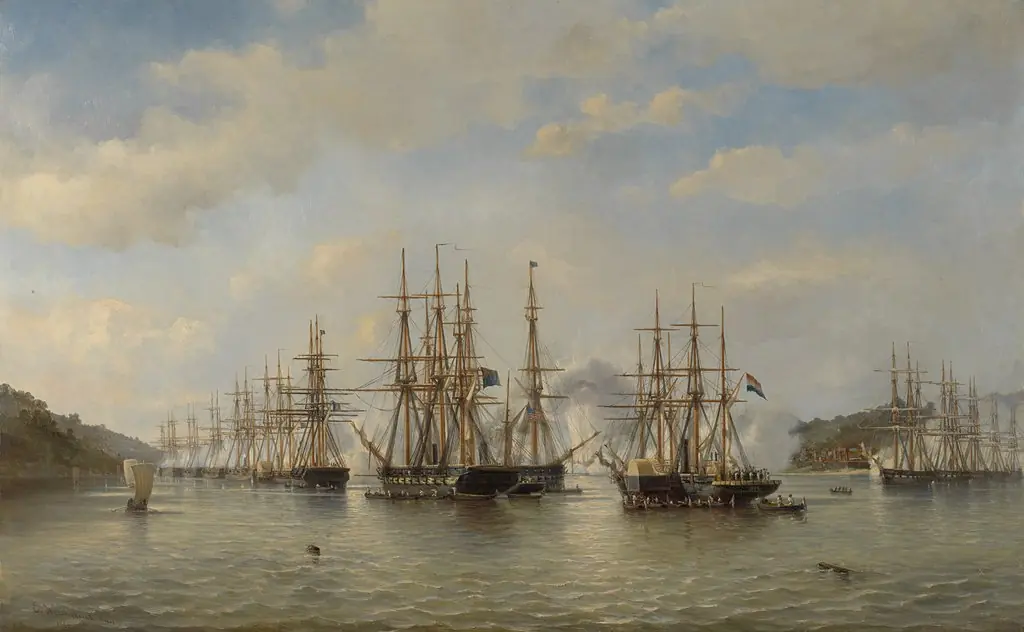 Dutch, English, French and American Squadrons in Japanese Waters during the Expedition under the Command of the French Captain Constant Jaurès, September 1864