Artwork
Autoportret la 30 de ani
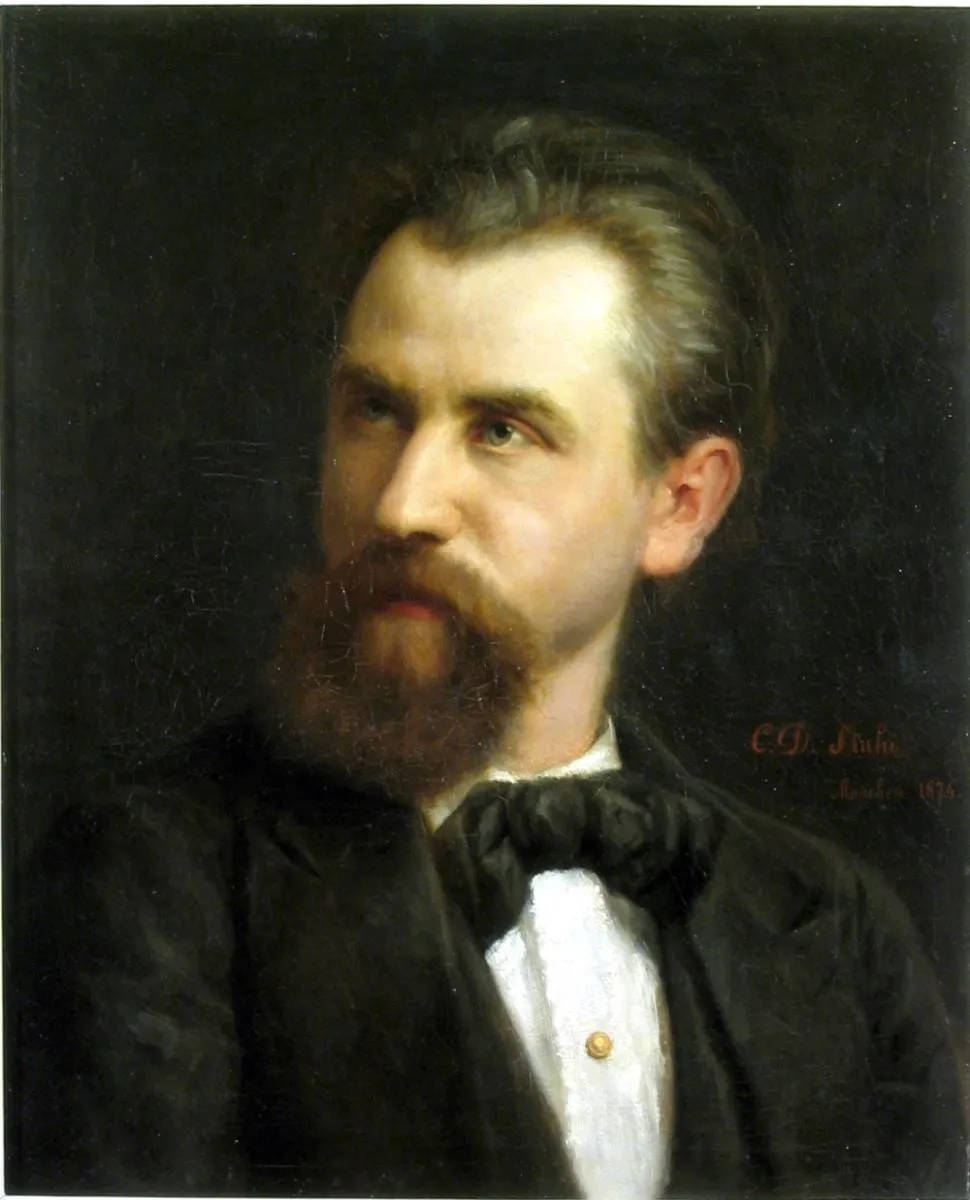
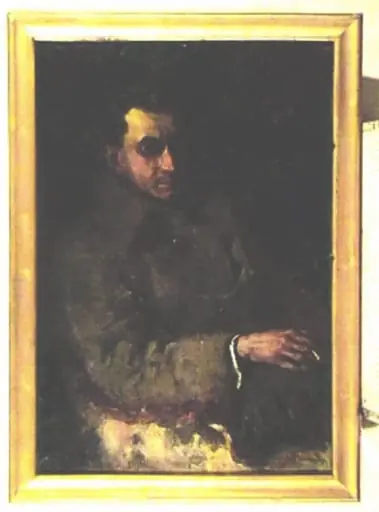
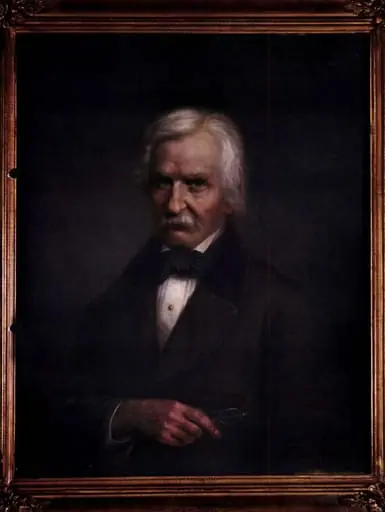
Autoportret la 30 de ani is an unspecified painting by the Impressionist artist Constantin Daniel Stahi. It dates from 1874 and is held in the collection of the Moldova National Museum Complex.
About this work
Overview
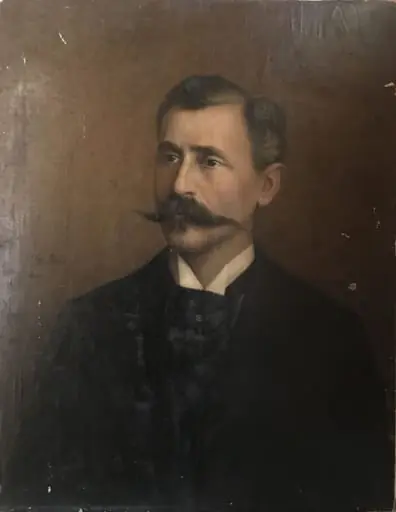
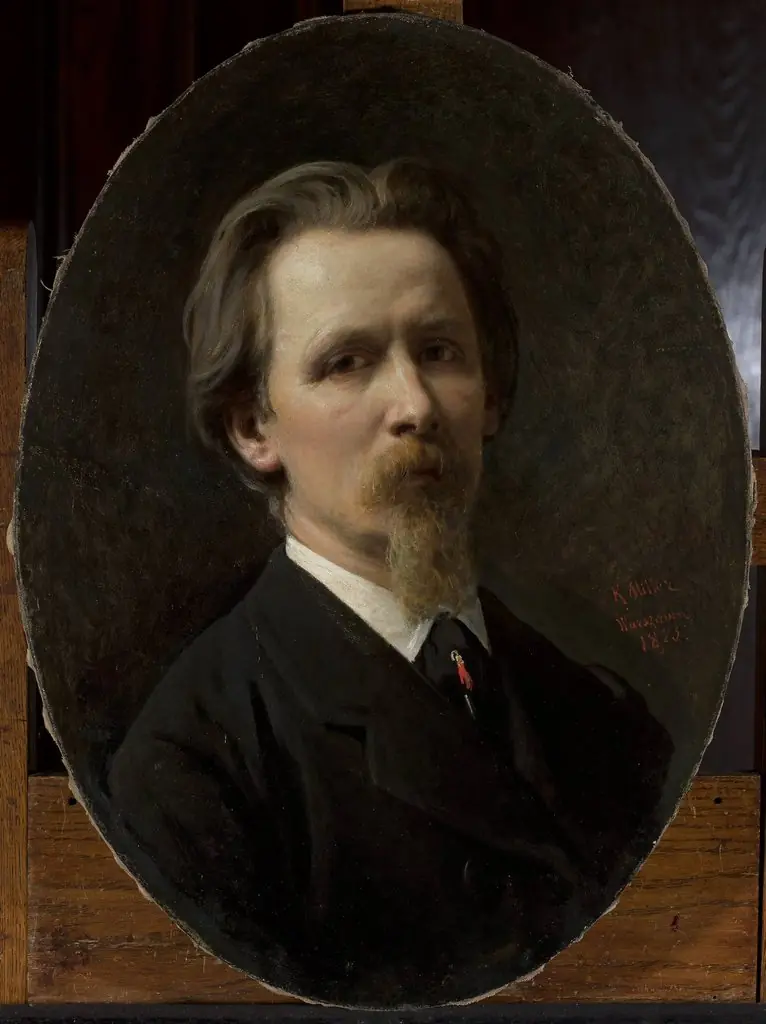
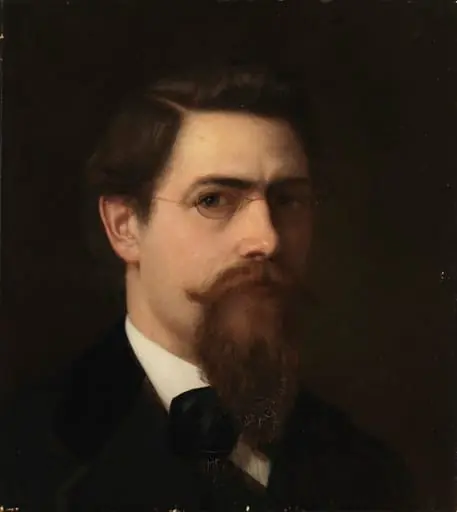
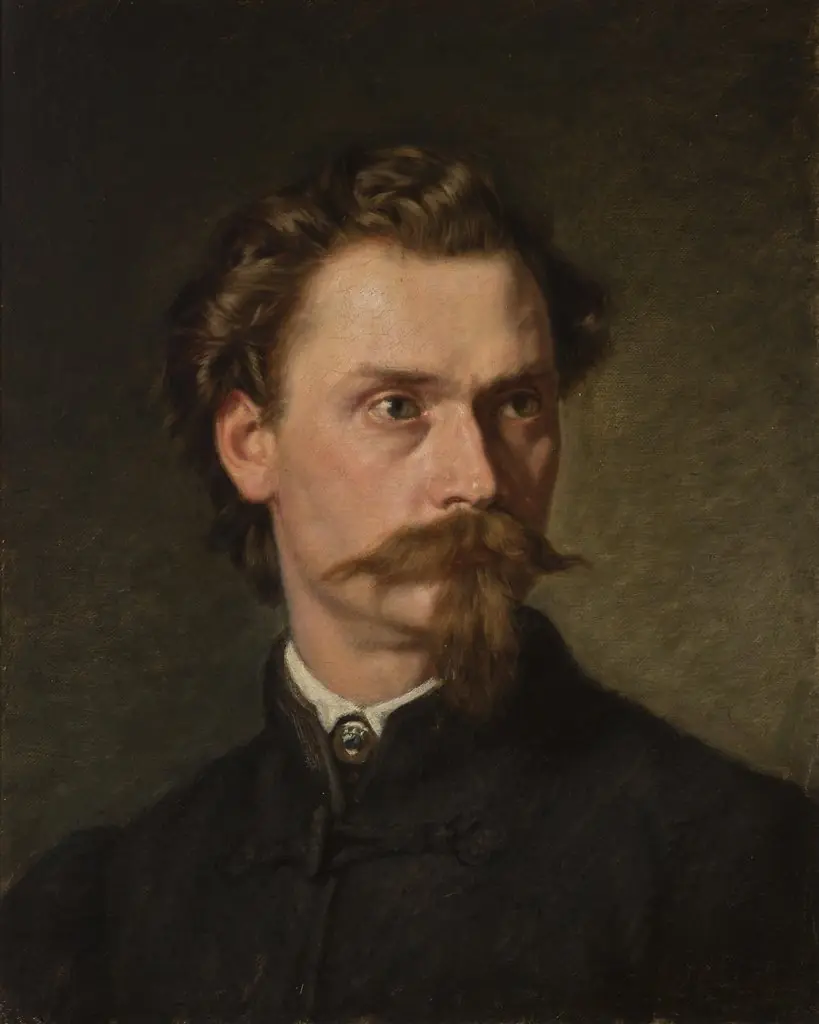
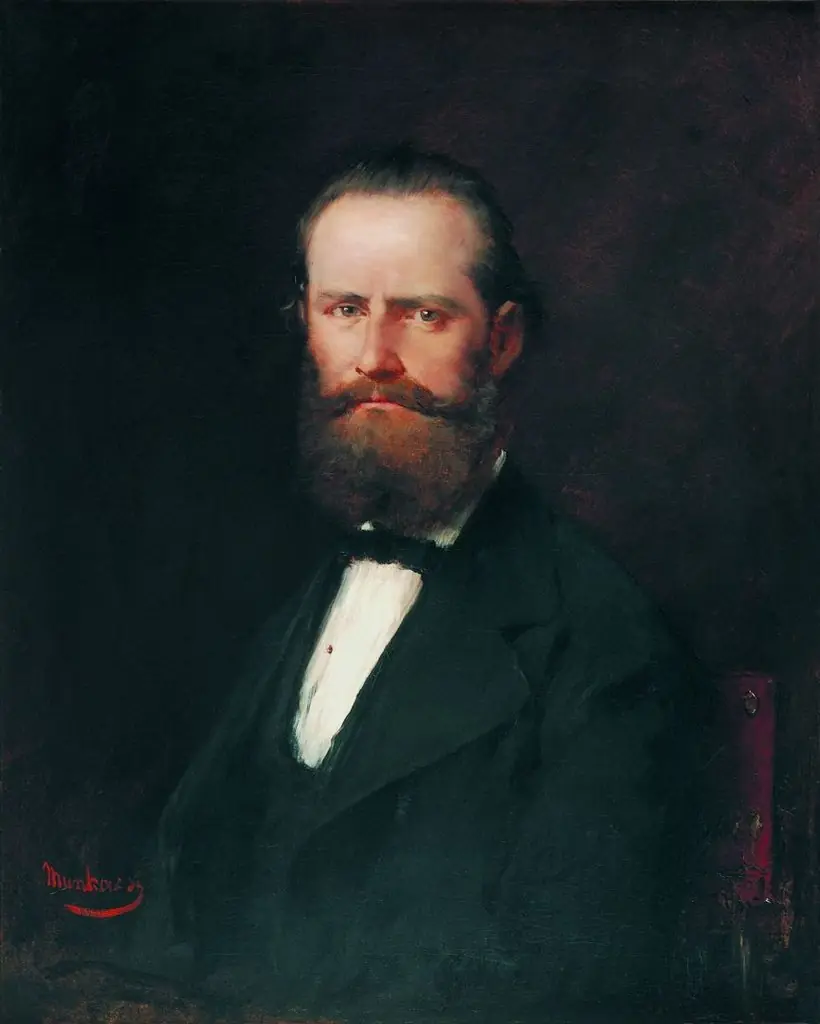
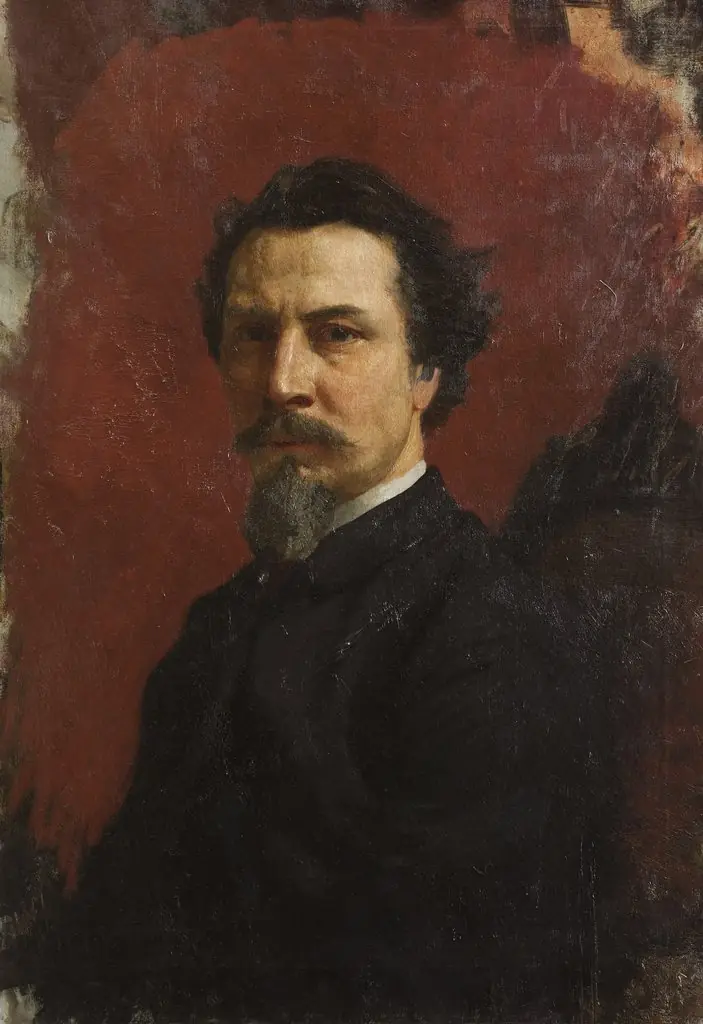
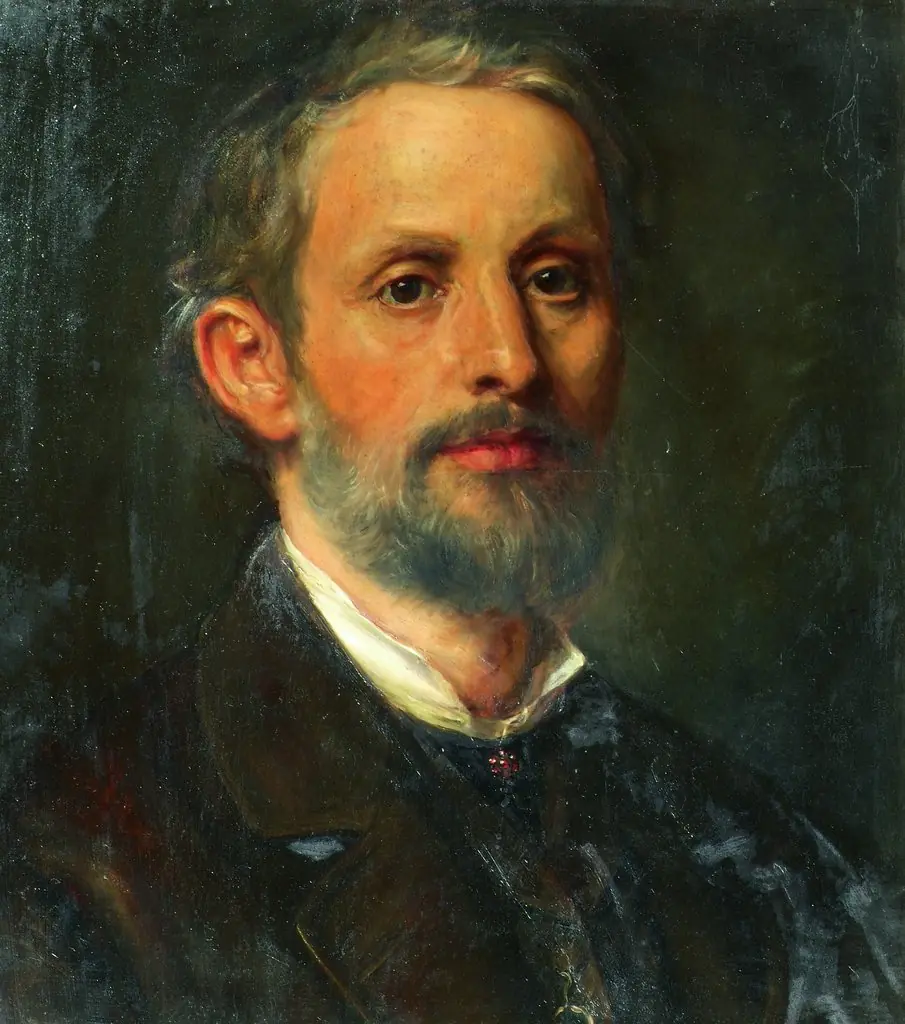
Painted in 1874 by Romanian artist Constantin Daniel Stahi, this self-portrait captures the artist at age thirty. Executed in oil on canvas, the work presents a restrained, introspective view of the subject. The composition is tightly focused on the head and upper torso, set against a deep, unmodulated background that enhances the figure’s presence without distraction.
Subject & Meaning
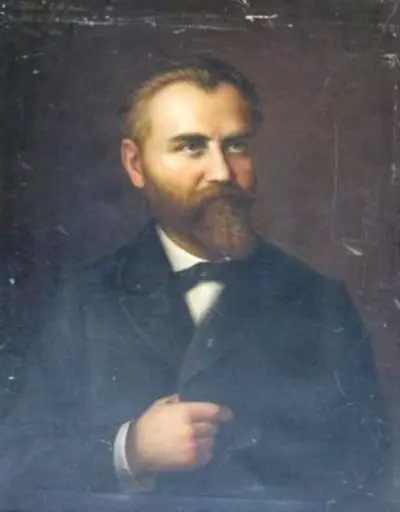
The portrait depicts Stahi himself, bearded and dressed in formal dark attire with a crisp white collar, suggesting professional dignity. His gaze is direct but unsmiling, conveying quiet contemplation rather than theatricality. The absence of symbolic objects or elaborate setting shifts emphasis to the individual’s presence, reflecting a personal, almost private moment of self-assessment.
Technique & Style
Stahi employs soft, deliberate brushwork, particularly evident in the modeling of the face and neck, where subtle transitions create a lifelike texture.
Stahi employs soft, deliberate brushwork, particularly evident in the modeling of the face and neck, where subtle transitions create a lifelike texture. The lighting follows chiaroscuro principles, concentrating illumination on the features while the surrounding areas recede into shadow. The signature, faintly rendered in the lower corner, is integrated without disrupting the composition’s solemn tone.
History & Provenance
Created in 1874, the painting remained in the artist’s possession until his death. It was later acquired by the National Museum of Art of Romania, where it has been held since the mid-20th century. Its preservation reflects its significance as one of the earliest sustained self-portraits by a Romanian painter, offering insight into the artist’s self-perception during a formative period in the nation’s cultural development.
Context
In the 1870s, Romanian artists were increasingly engaging with European academic traditions while seeking to define a national artistic identity. Stahi’s self-portrait aligns with this trend, adopting a sober, realistic style common in Central European portraiture. Unlike romanticized depictions, it favors psychological restraint, mirroring broader shifts toward introspection in post-Romantic visual culture.
Legacy
The portrait stands as a foundational example of Romanian self-representation in painting. Its quiet intensity influenced later generations of artists who turned inward for subject matter. Though not widely exhibited abroad, it remains a key reference in Romanian art history for its technical discipline and unembellished honesty, embodying the emerging modern sensibility in the country’s visual arts.
Artist & collection
Artist
Romanian painter Constantin Daniel Stahi made oils that feel like family snapshots—quiet, domestic, and warm.