Artwork
Omakuva
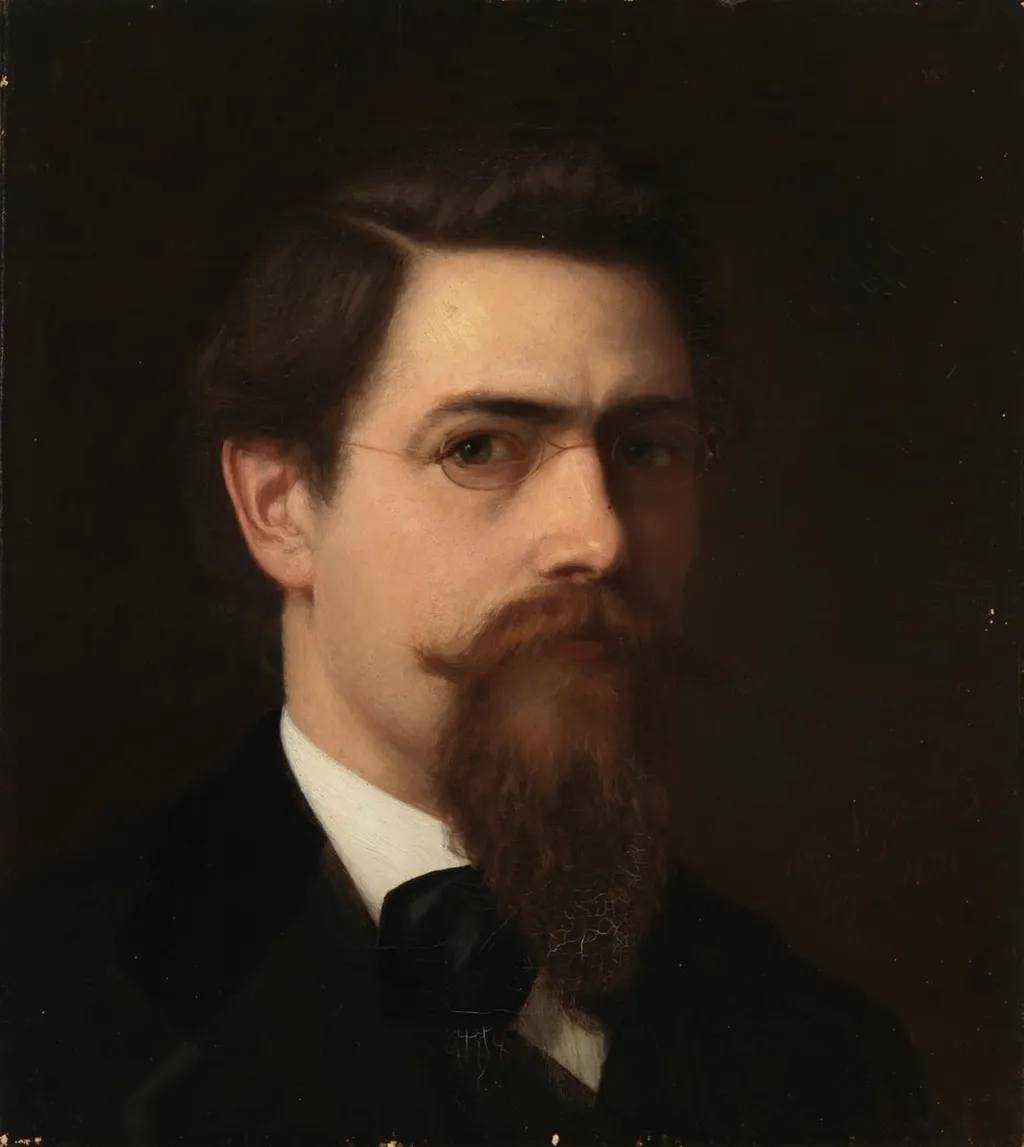
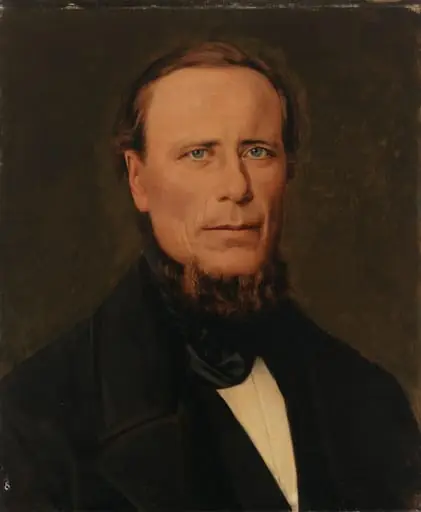
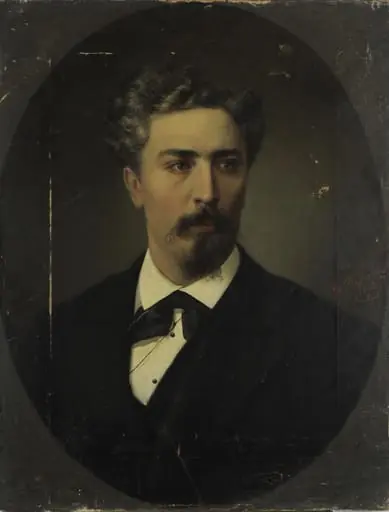
Omakuva is an unspecified painting by Arvid Liljelund. It is held in the collection of the Finnish National Gallery. This portrait depicts a middle-aged man with a full beard and mustache, wearing glasses and a dark jacket over a white collar.
About this work
Overview
The lighting is carefully controlled to emphasize form through contrast, with no visible brush texture, suggesting a polished, deliberate execution.
This portrait depicts a middle-aged man with a full beard and mustache, wearing glasses and a dark jacket over a white collar. Set against a plain black background, the composition isolates the subject’s upper torso and face, eliminating distractions. The lighting is carefully controlled to emphasize form through contrast, with no visible brush texture, suggesting a polished, deliberate execution.
Subject & Meaning
The man’s direct gaze and composed expression convey quiet authority. His attire—glasses, collar, and dark jacket—suggests a professional or intellectual identity, common in 19th-century portraiture. The absence of contextual elements focuses attention on his presence, inviting contemplation rather than narrative interpretation. The image prioritizes psychological presence over social detail.
Technique & Style
The artist employs chiaroscuro to model the face with strong contrasts between light and shadow, defining the contours of the cheeks, nose, and beard. Brushwork is smooth and refined, avoiding impasto or visible texture. The black background enhances the three-dimensionality of the figure, creating a sense of depth through tonal gradation alone.
History & Provenance
The work’s origin and creator are not documented in the provided details. Its format and style align with 19th-century photographic or painted portraits, possibly from a studio setting where controlled lighting and minimal backgrounds were standard. Without further records, its commission or ownership history remains unspecified.
Context
In the 1800s, portrait artists and photographers increasingly emphasized realism and psychological depth. This image reflects that trend, using lighting and composition to convey individuality without ornamentation. Similar approaches appear in both academic painting and early photographic portraiture, where technical precision served to elevate the subject’s dignity.
Legacy
The portrait exemplifies a transitional moment in visual representation, bridging painted and photographic conventions. Its emphasis on light, shadow, and facial expression influenced later portrait traditions that favored psychological realism over decorative elements. Though anonymous, its formal choices resonate with enduring approaches to human representation.
Artist & collection

 Προσωπογραφία του Στεφάνου Ν. Δραγούμη
 Portrait of Józef Jaroszyński
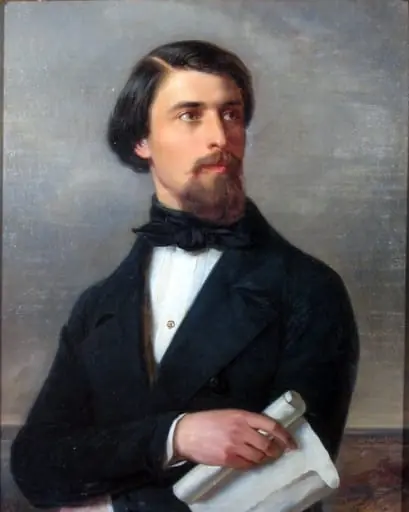 Portretul lui P. Lochmann
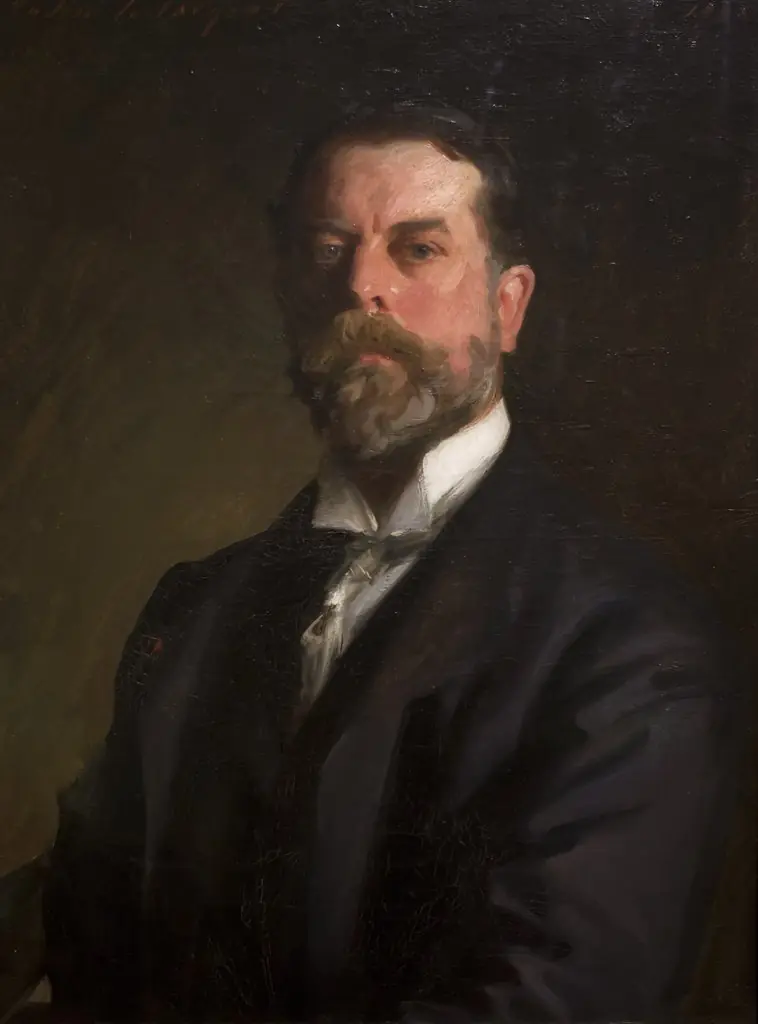 Self-portrait
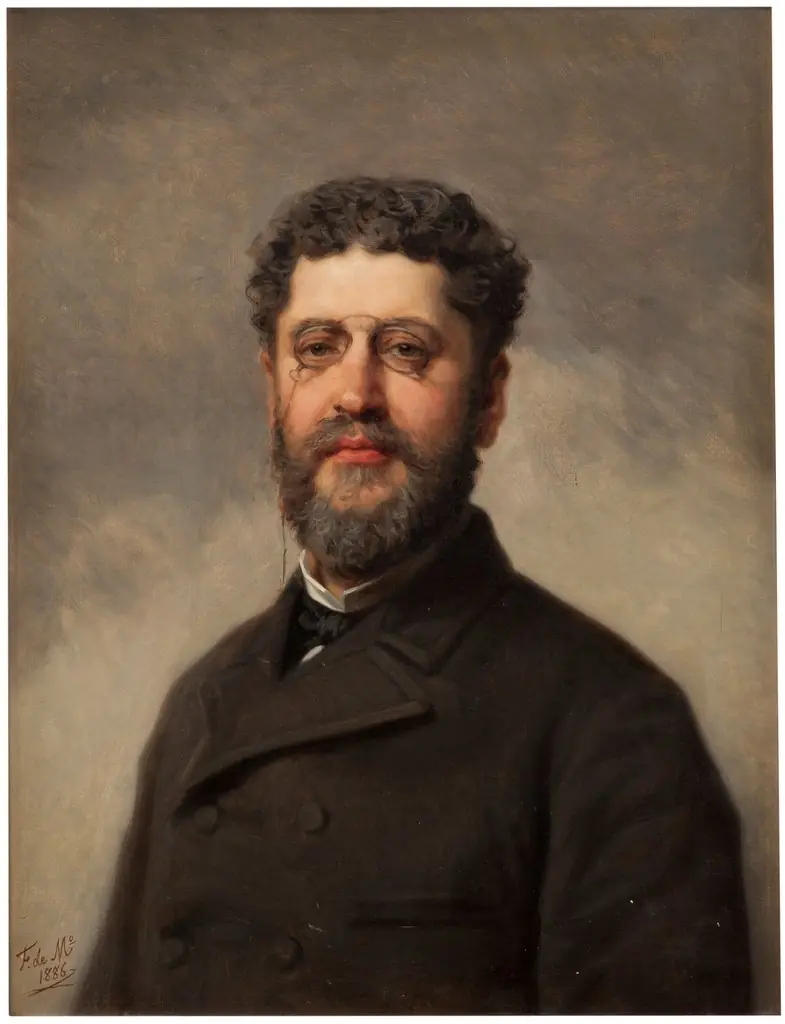 José Tomás Salvany
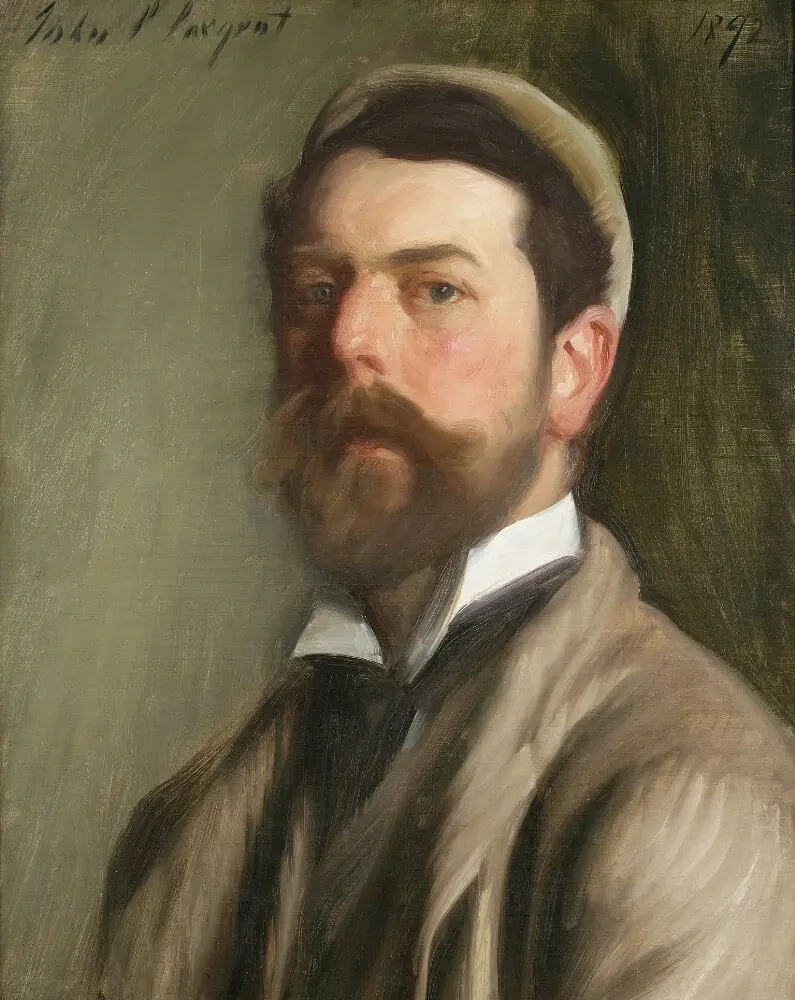 Self-Portrait
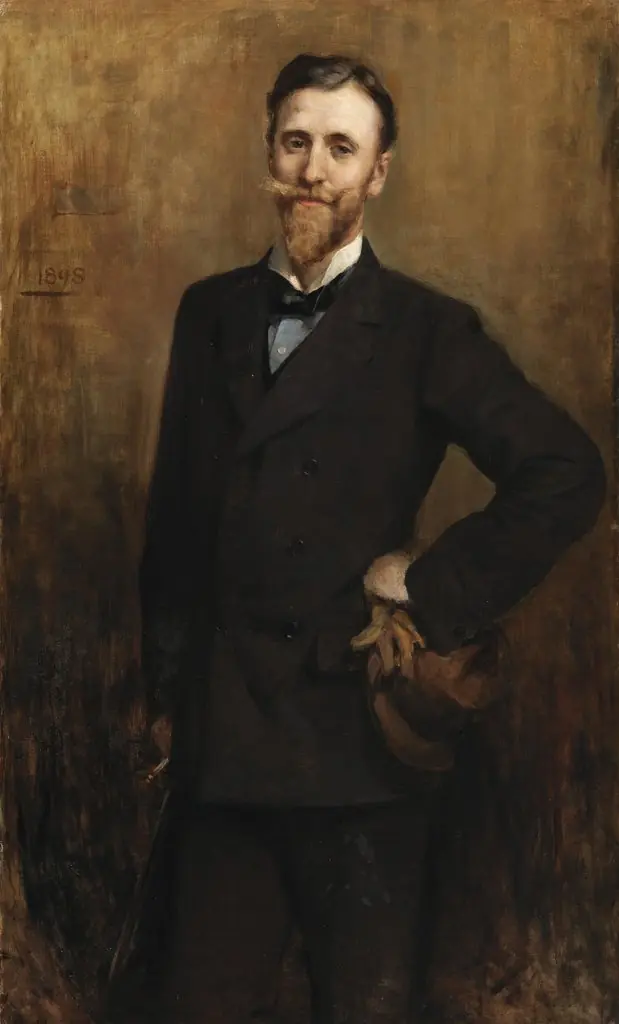 Portrait of T.P. Gill, Journalist, Secretary, Department of Agriculture and Technical Instruction
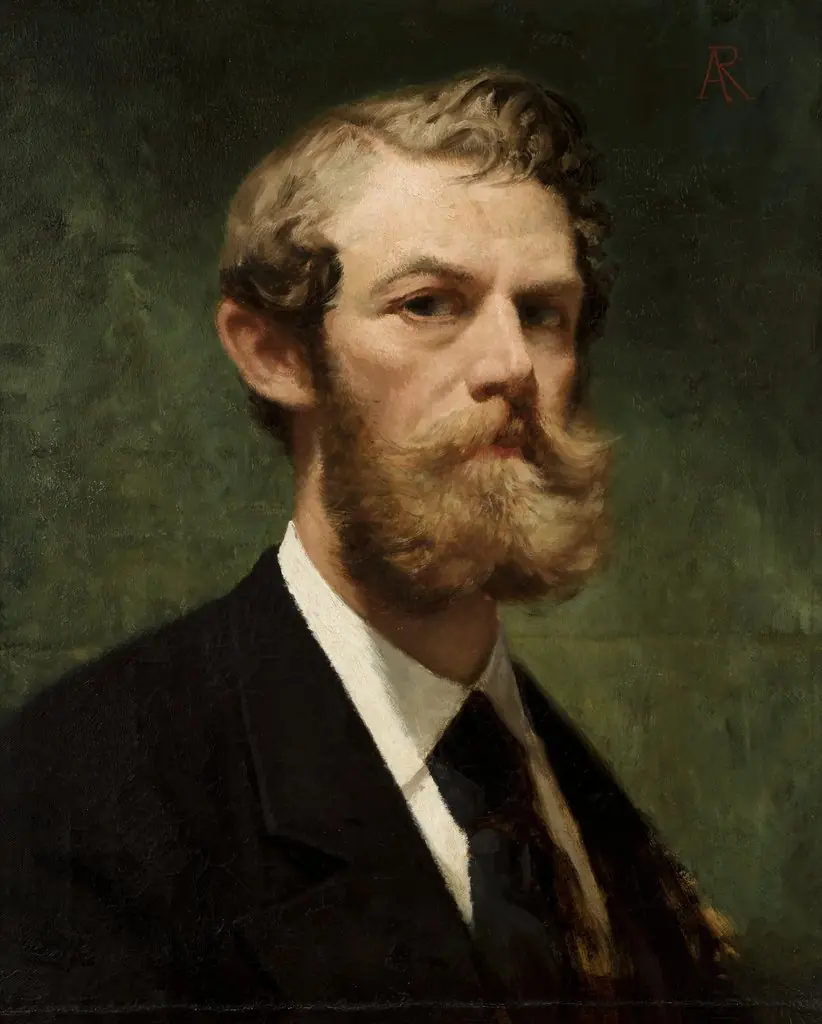 Self-Portrait
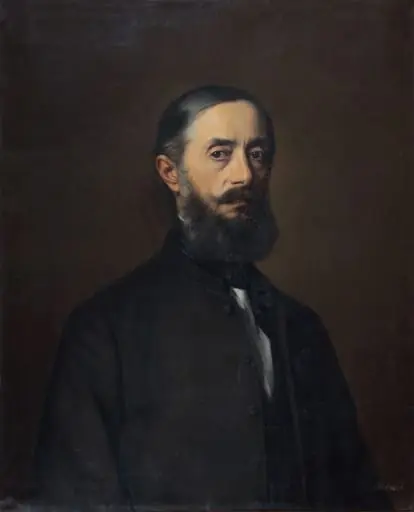 Autoportret
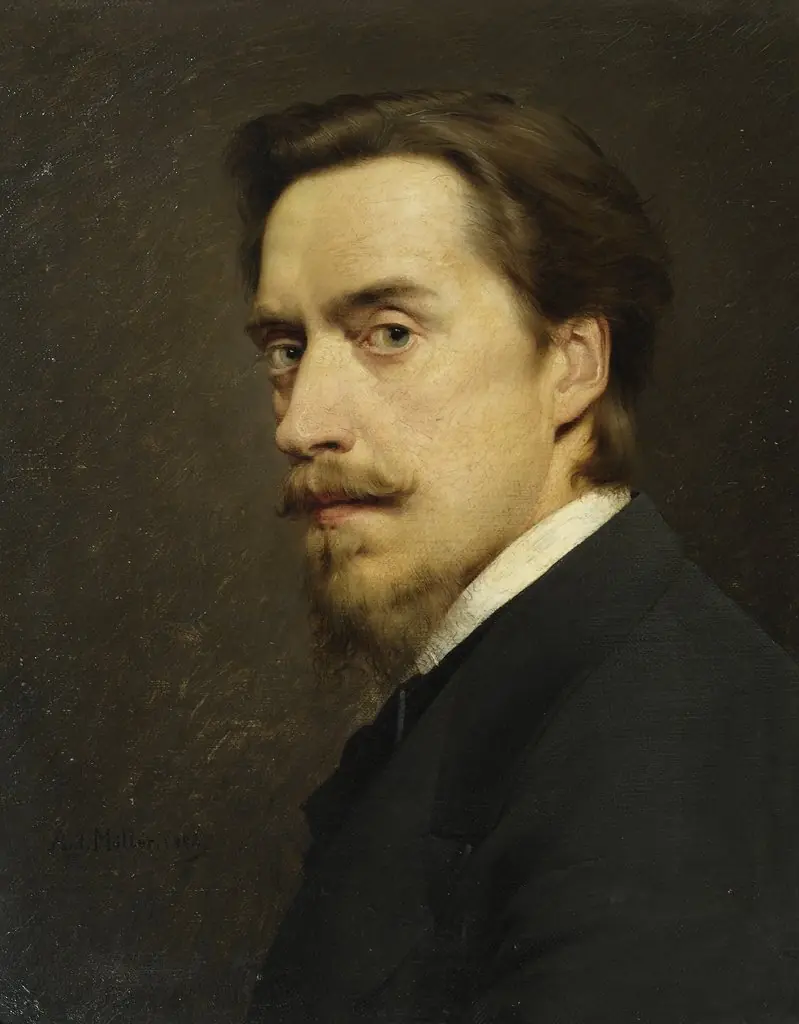 Selbstbildnis
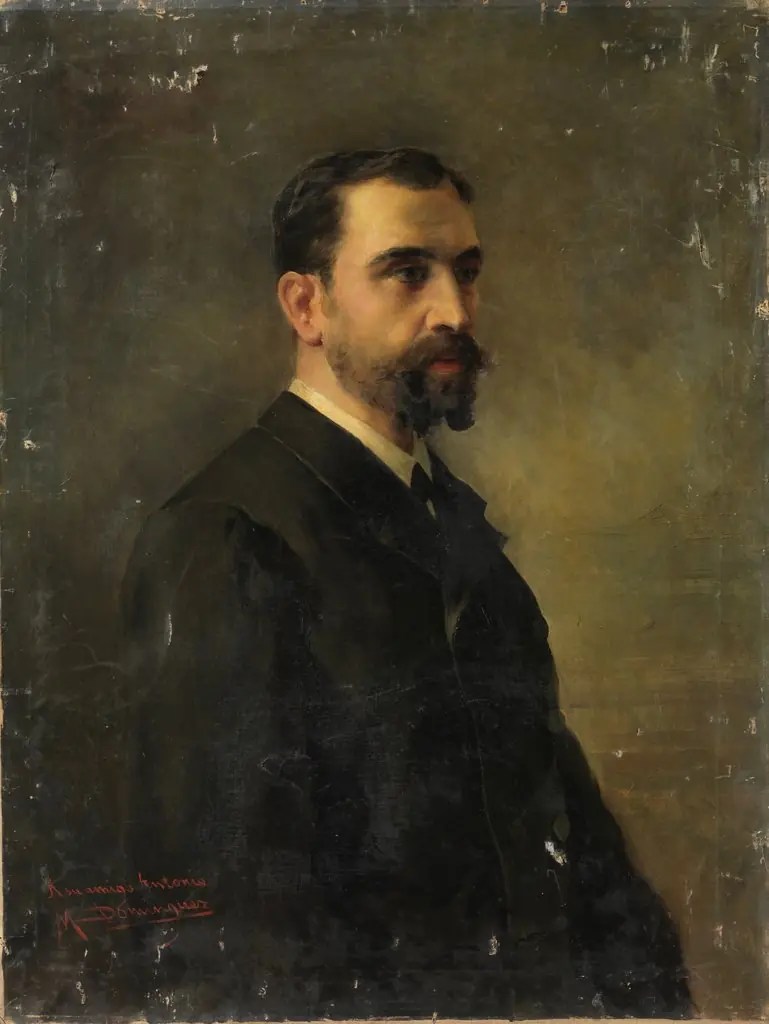 Portrait of Antonio del Val
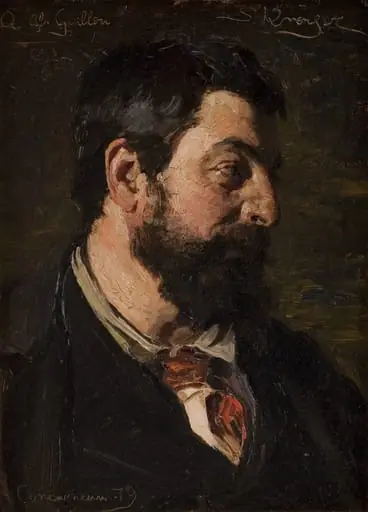 Portræt af den franske maler Alfred Guillou