Artwork
Vânătoare de mistreț
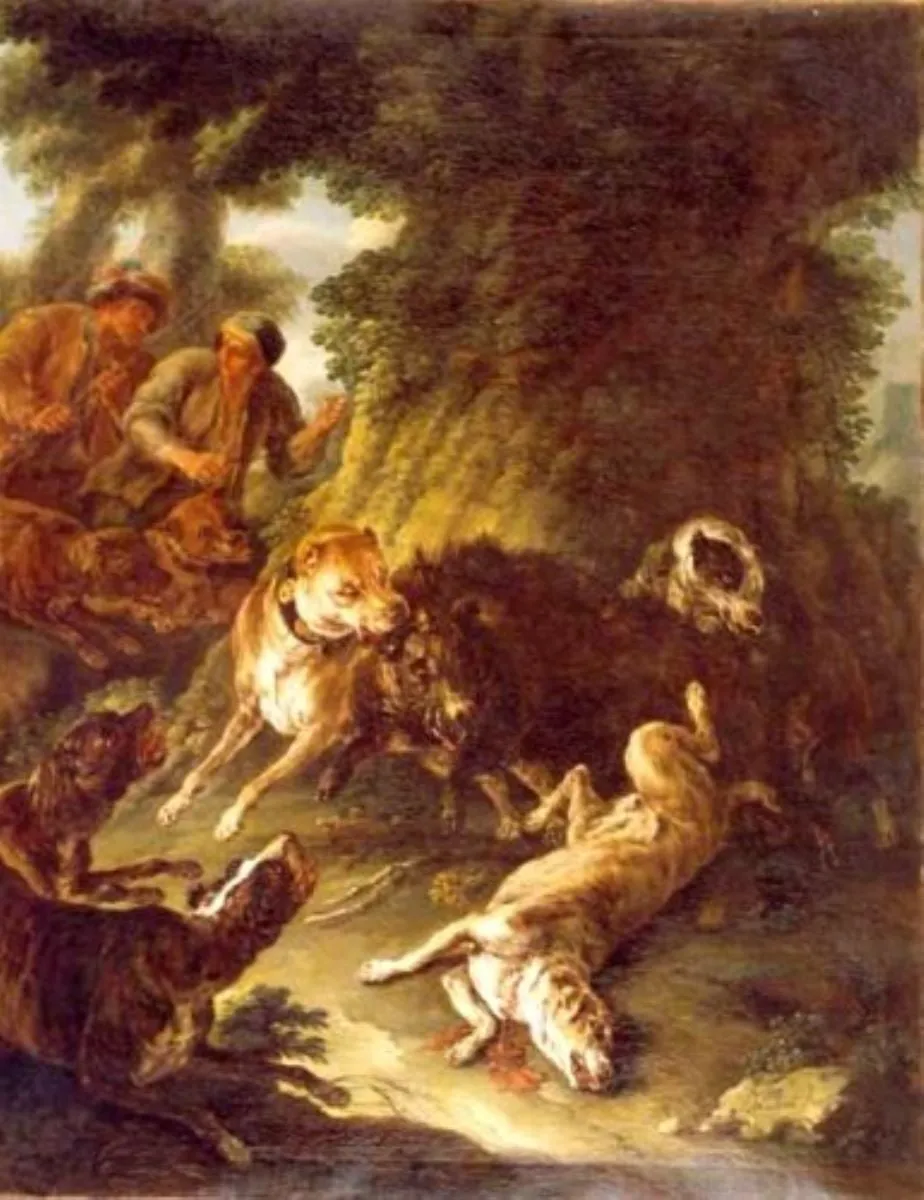
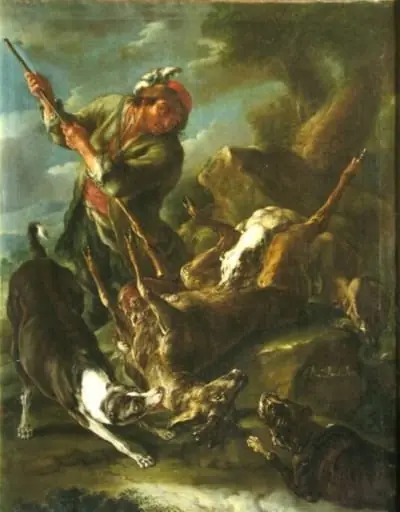
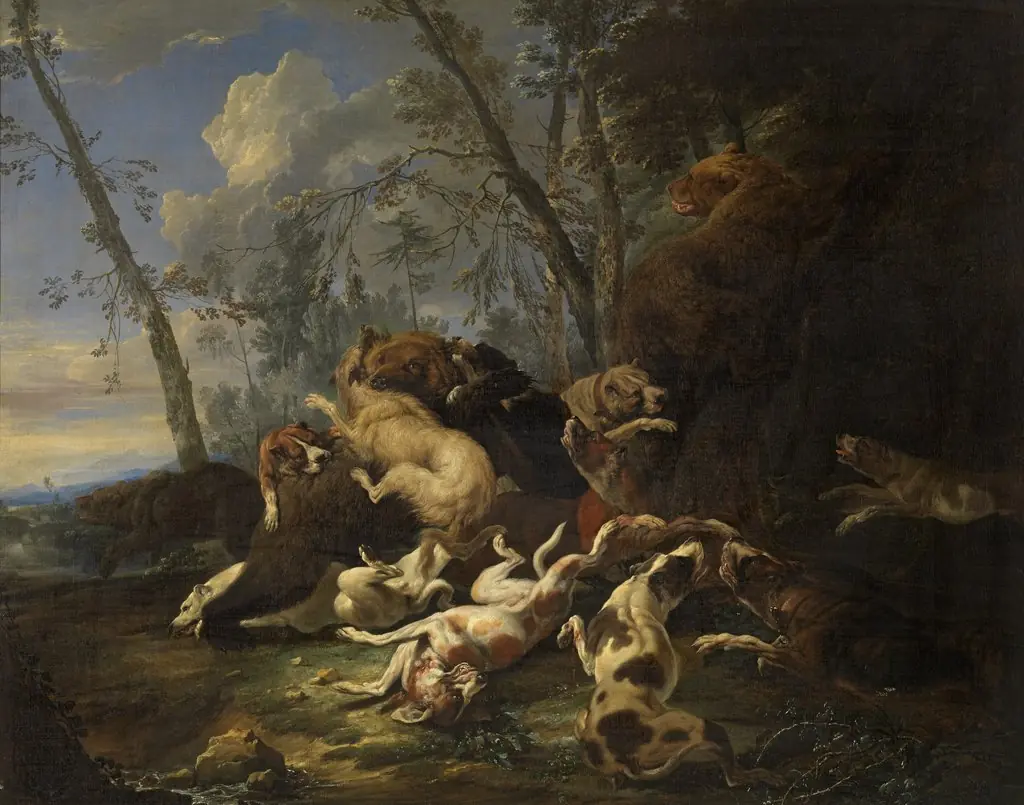
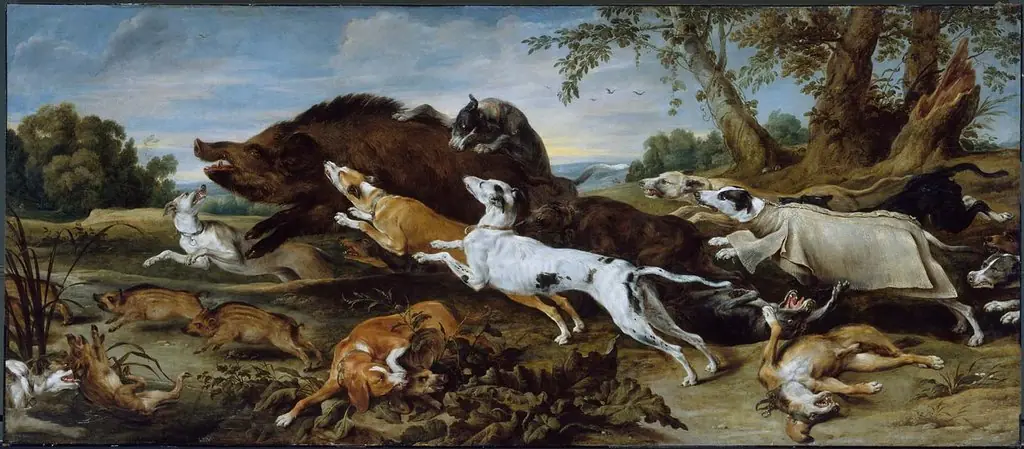
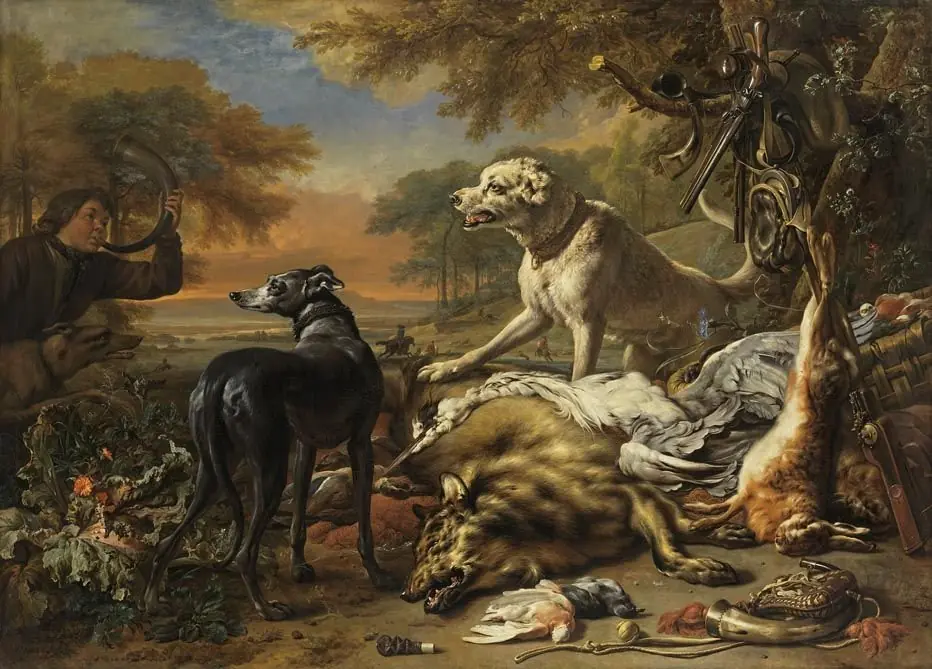
Vânătoare de mistreț is an unspecified painting by the Baroque artist Domenico Brandi. It dates from 1732 and is held in the collection of the Brukenthal National Museum.
About this work
The artist painted it in 1732, so the weapons and clothing feel real but rough.
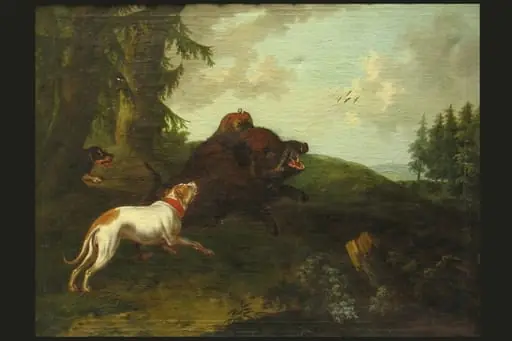
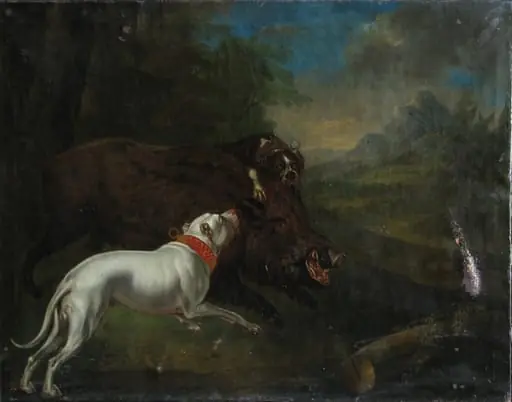
A man crouches low in tall grass, aiming a long spear at a wild boar. The boar’s tusks gleam, its muscles tense. A hunting dog stands ready behind him, ears sharp.
This scene isn’t just a hunt—it’s a snapshot of 18th-century forest life. The artist painted it in 1732, so the weapons and clothing feel real but rough. The boar looks angry, not heroic.
Check out the bold brushwork at the Museum of Ethnography.
Overview
Created in 1732, *Vânătoare de mistreț* is an oil painting by the Neapolitan artist Domenico Brandi. Executed during the height of the Rococo period, the work captures a moment of a boar hunt in a wooded setting. The composition centers on a crouching hunter, a poised dog, and a tense wild boar, rendered with a naturalistic eye for detail.
Subject & Meaning
The scene presents a solitary hunter poised with a long spear, his figure low among tall grasses, while a vigilant hunting dog stands behind him. The boar, shown with gleaming tusks and strained muscles, appears angry rather than glorified, suggesting a realistic portrayal of the dangers inherent in 18th‑century forest hunting rather than an idealized triumph.
Technique & Style
Brandi employs a brisk, confident brushstroke that conveys the texture of foliage and animal fur without excessive finish. The palette balances earthy greens and browns with the metallic sheen of the boar’s tusks, reflecting Rococo’s preference for lively surface treatment while maintaining a grounded, observational approach typical of Brandi’s still‑life and bambocciata works.
History & Provenance
Born in Naples, Brandi first studied under his uncle before moving to Rome to apprentice with Benedetto Luti. Later he served as court painter to Viceroy d’Harrach of Naples. The painting entered the collection of the Museum of Ethnography, where it remains on display, offering insight into the artist’s range beyond his more familiar animal still lifes.
Context
In early 18th‑century southern Italy, hunting scenes were popular among aristocratic patrons, reflecting both leisure and the management of rural estates. Brandi’s choice of a realistic, unromanticized boar aligns with contemporary interests in natural observation, while his Rococo sensibility is evident in the fluid composition and subtle play of light across the figures.
Artist & collection
Artist
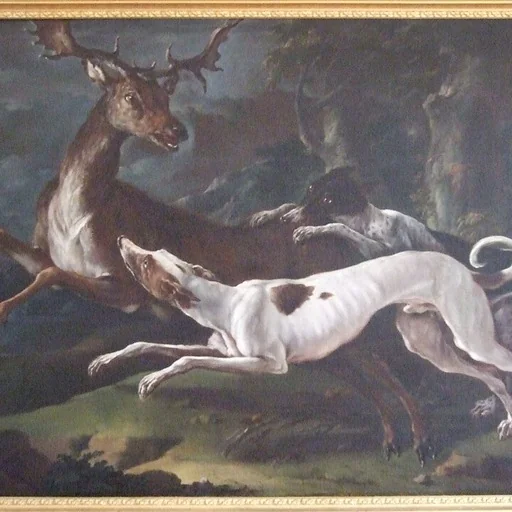
Domenico Brandi (1683–1736) was an Italian painter, active in his native Naples, where he painted still lifes of birds and animals, as well as pastoral landscapes (vedute) and a bambocciata.