Artwork
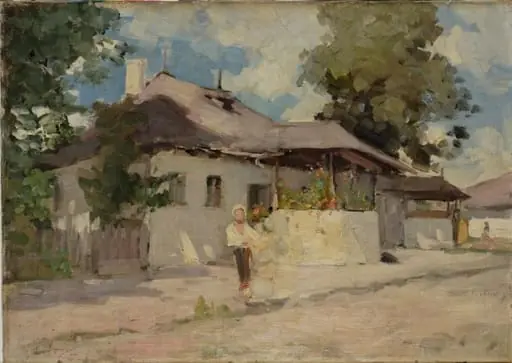
Casă la Câmpina
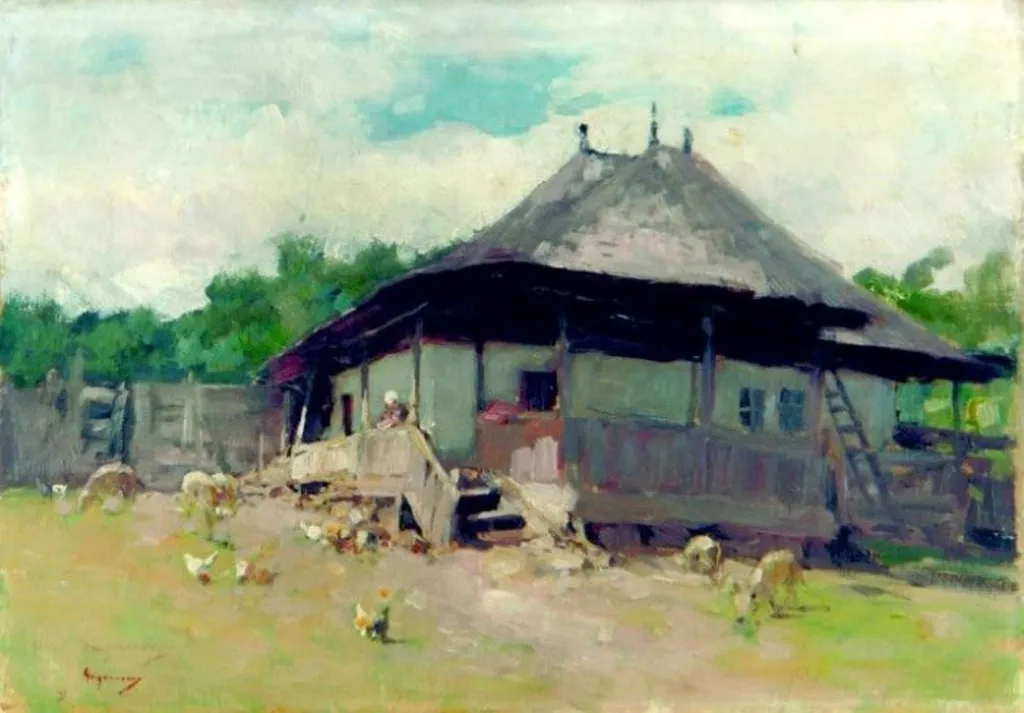
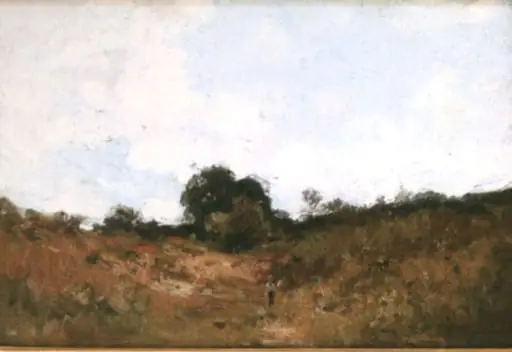
Casă la Câmpina is an unspecified painting by Nicolae Grigorescu. It is held in the collection of the Colecție particulară - Elveția.
About this work
Overview
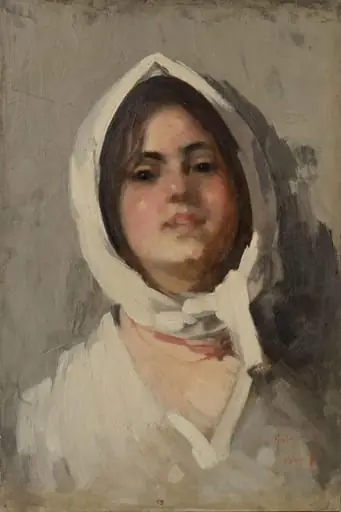
The loose brushwork and muted palette convey a quiet, unidealized atmosphere, characteristic of the artist’s interest in authentic peasant life.
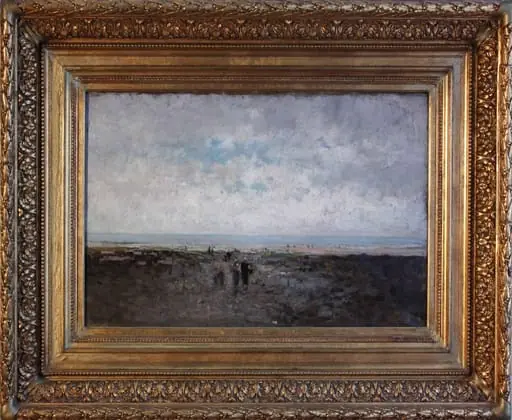
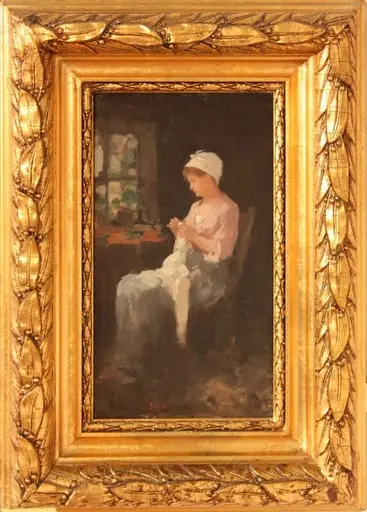
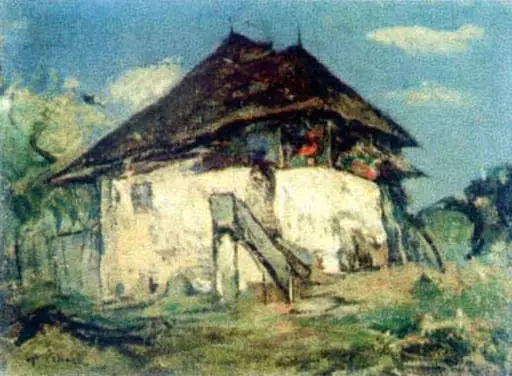
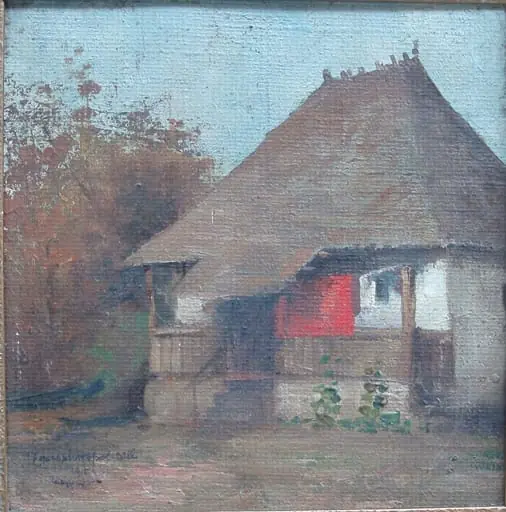
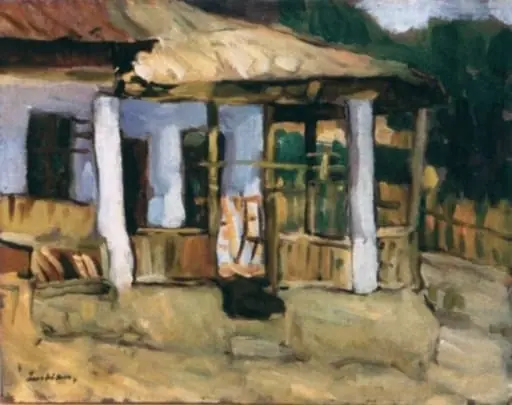
This painting by Nicolae Grigorescu depicts a modest rural dwelling in Câmpina, Romania. The scene is unadorned, focusing on everyday life: a woman near the doorway, domestic animals moving freely in the yard, and simple architectural elements like a thatched roof and wooden fence. The loose brushwork and muted palette convey a quiet, unidealized atmosphere, characteristic of the artist’s interest in authentic peasant life.
Subject & Meaning
The composition centers on the quiet rhythm of rural existence. The woman’s presence suggests domestic routine, while the chickens and sheep imply self-sufficiency. The ladder leaning against the porch hints at access to the roof, perhaps for maintenance or storage. There is no narrative drama—only the dignity of ordinary moments, rendered without sentimentality or romanticization.
Technique & Style
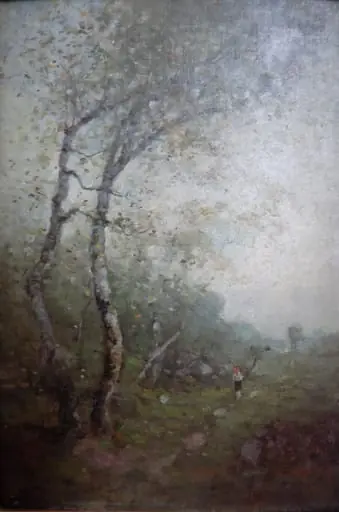
Grigorescu employs loose, fluid brushstrokes that suggest movement and texture without detailed definition. The earthy tones—olive greens, ochres, and soft blues—create a harmonious, subdued palette. Light falls naturally across the scene, enhancing the sense of atmosphere. The painting avoids sharp outlines, allowing forms to emerge through tone and gesture, aligning with emerging Impressionist influences in Romanian art.
History & Provenance
Created during Grigorescu’s frequent visits to the Romanian countryside in the late 19th century, the work reflects his commitment to documenting rural life beyond urban centers. It likely originated from sketches made on-site, later developed in his studio. The painting remained within Romanian collections, contributing to the national canon of realist and plein-air traditions.
Context
In an era when academic art favored historical or mythological themes, Grigorescu turned to the peasantry as worthy subjects. His work aligned with broader European movements that valued direct observation and vernacular life. In Romania, this approach helped forge a distinct national artistic identity rooted in local landscapes and traditions, countering foreign stylistic dominance.
Legacy
Grigorescu’s depictions of rural Romania influenced generations of artists who sought authenticity over idealism. This painting, like others in his oeuvre, helped establish the countryside not as a backdrop but as a subject of quiet significance. His emphasis on everyday realism remains a touchstone in Romanian art history, shaping how national identity is visually understood.
Artist & collection
Artist
Romanian painter Nicolae Grigorescu made quiet, honest scenes of everyday life and country roads around 1900.