Artwork
La Vitré
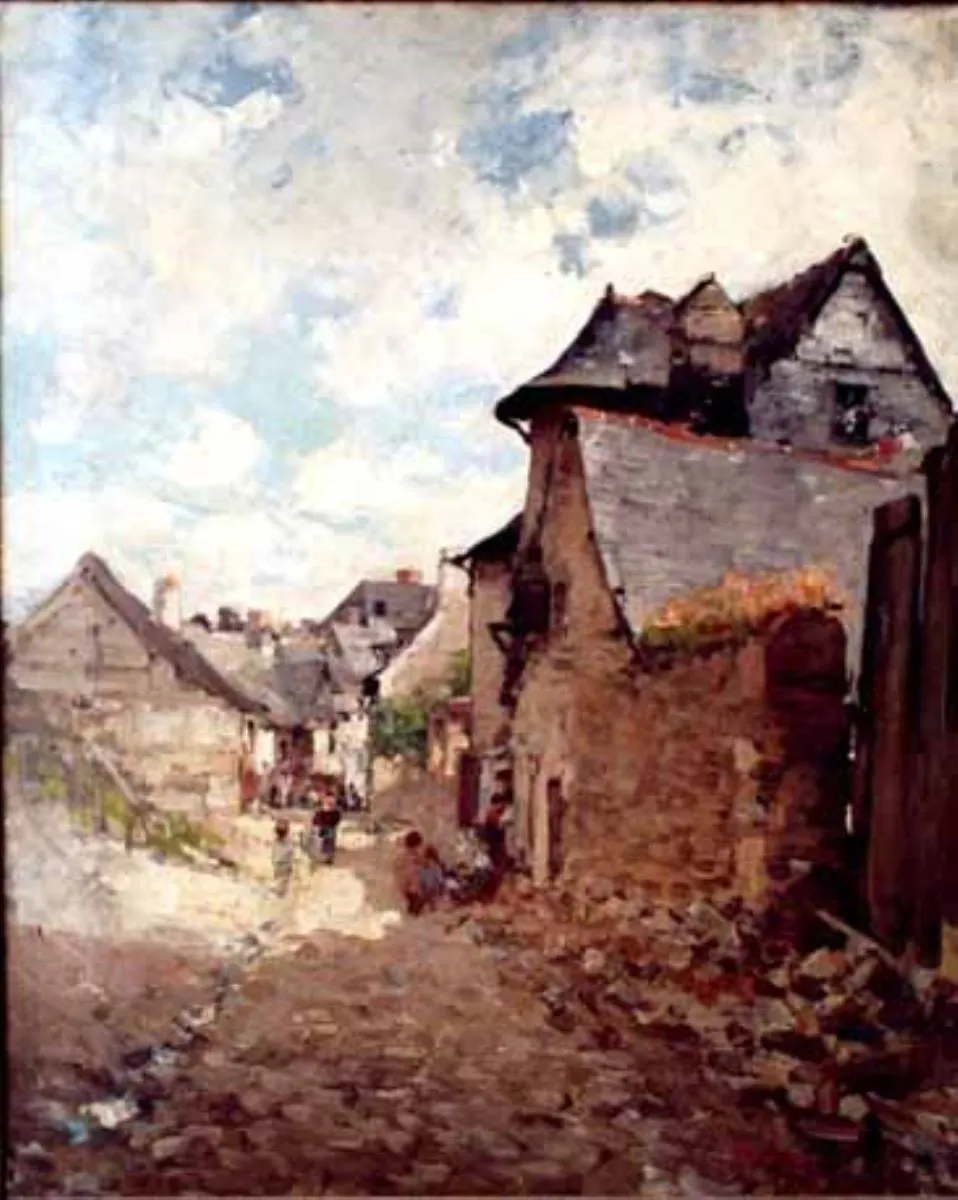
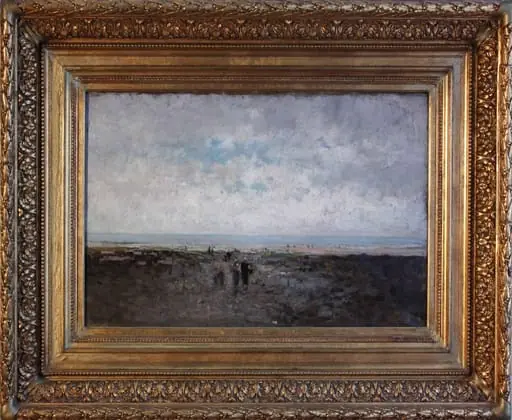
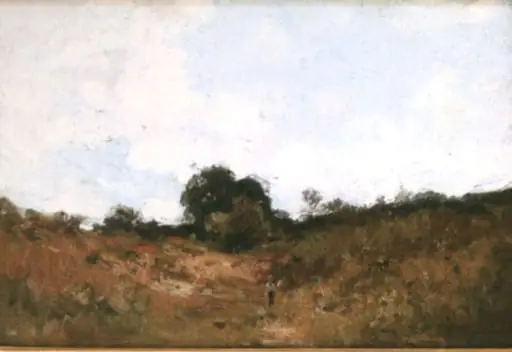
La Vitré is an unspecified painting by Nicolae Grigorescu. It dates from 1850 and is held in the collection of the Brukenthal National Museum.
About this work
Overview
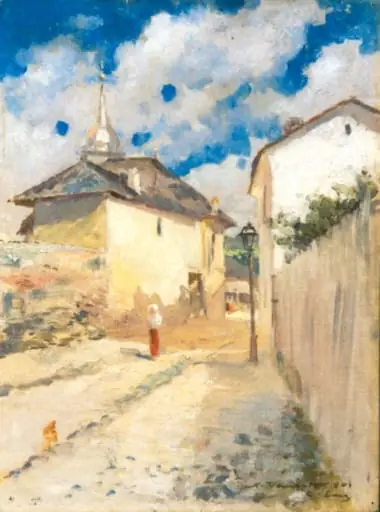
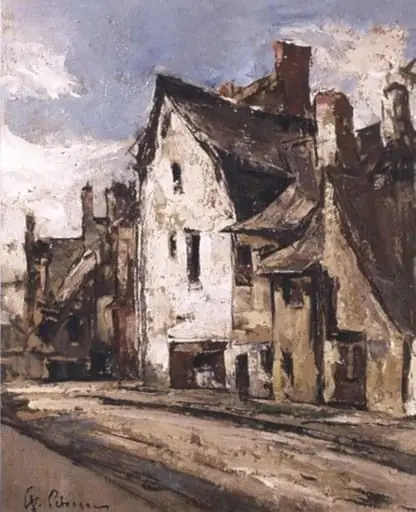
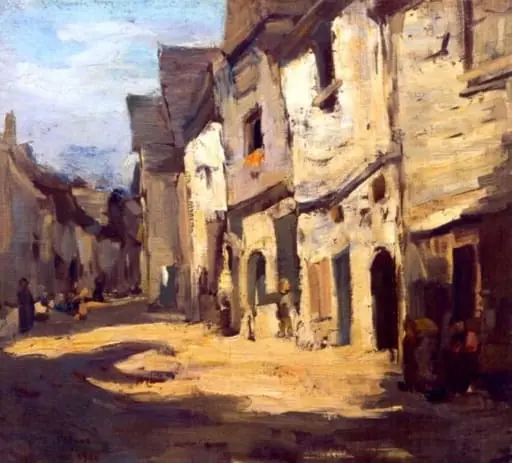
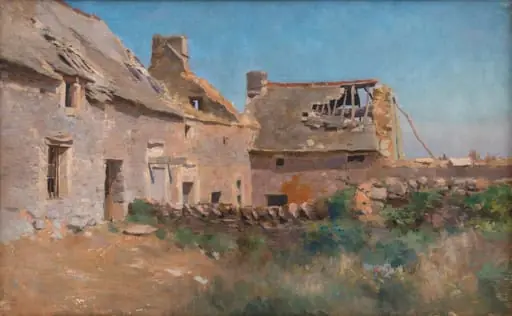
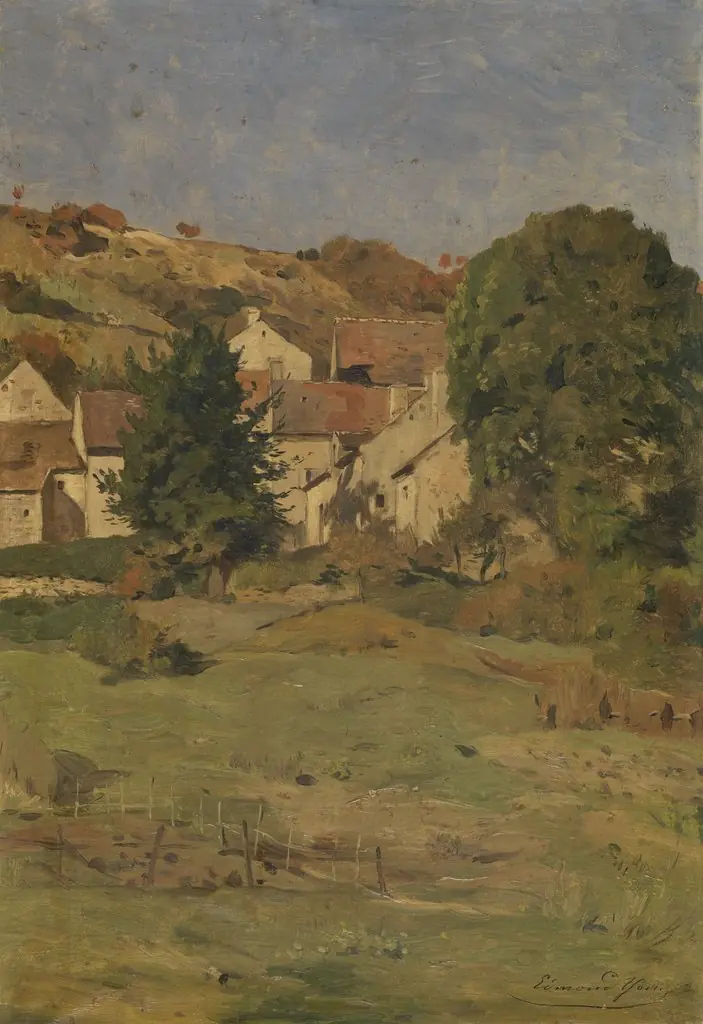
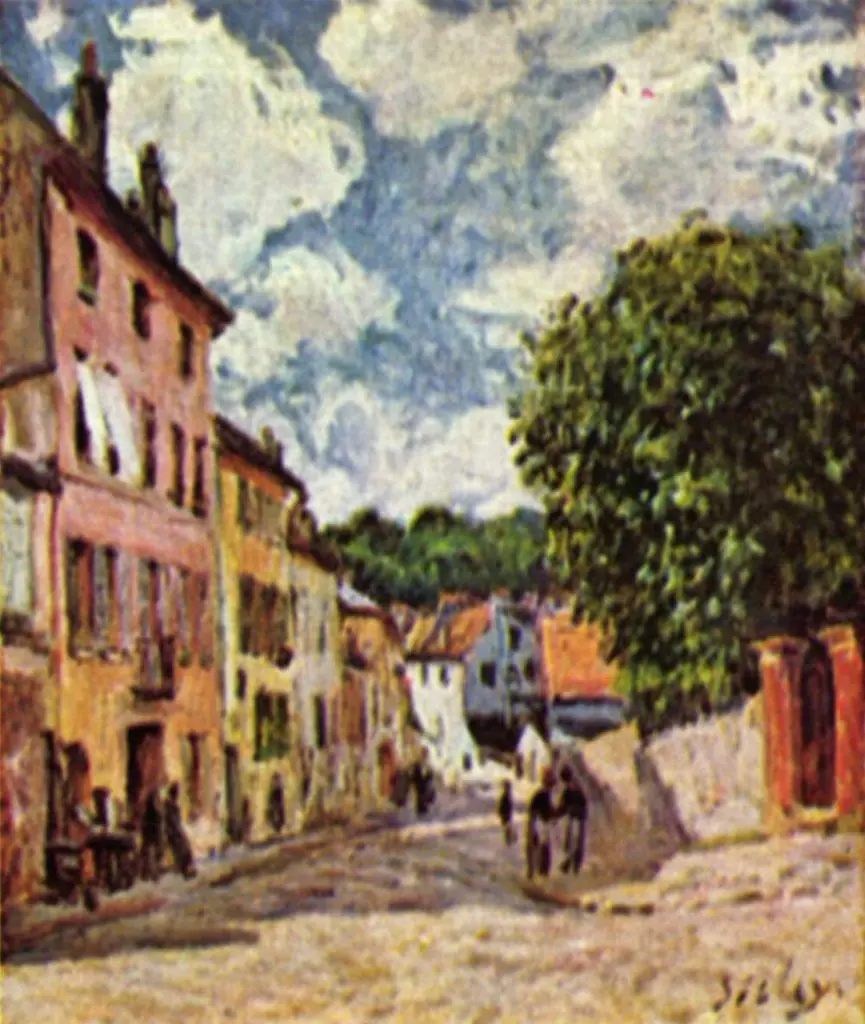
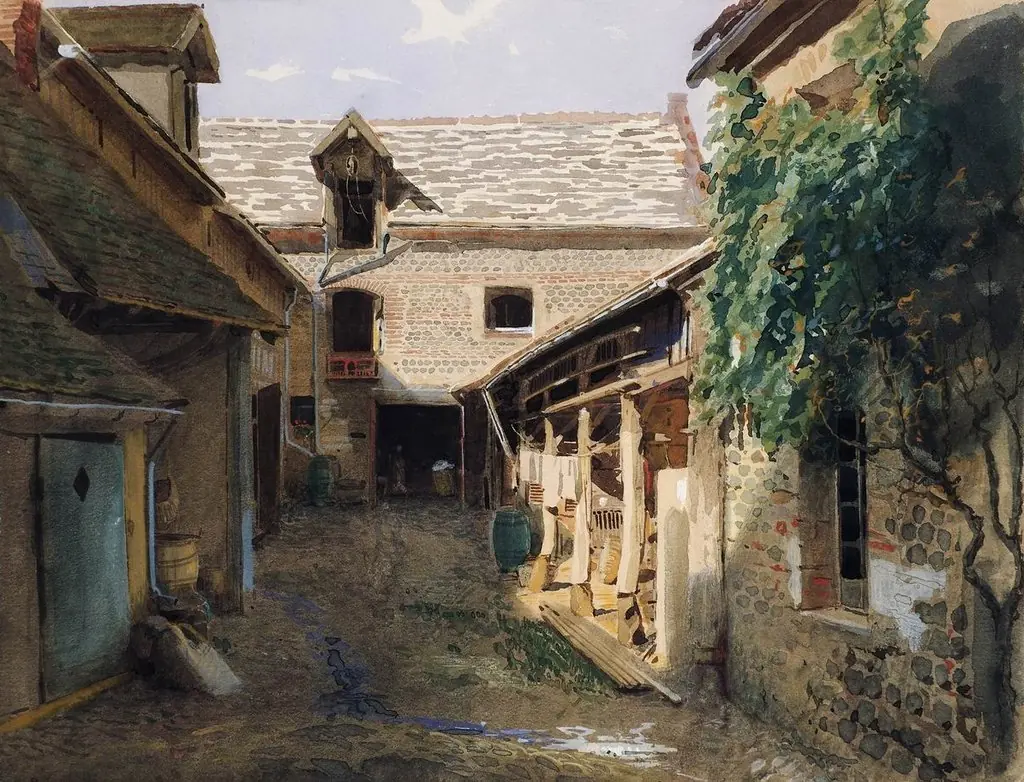
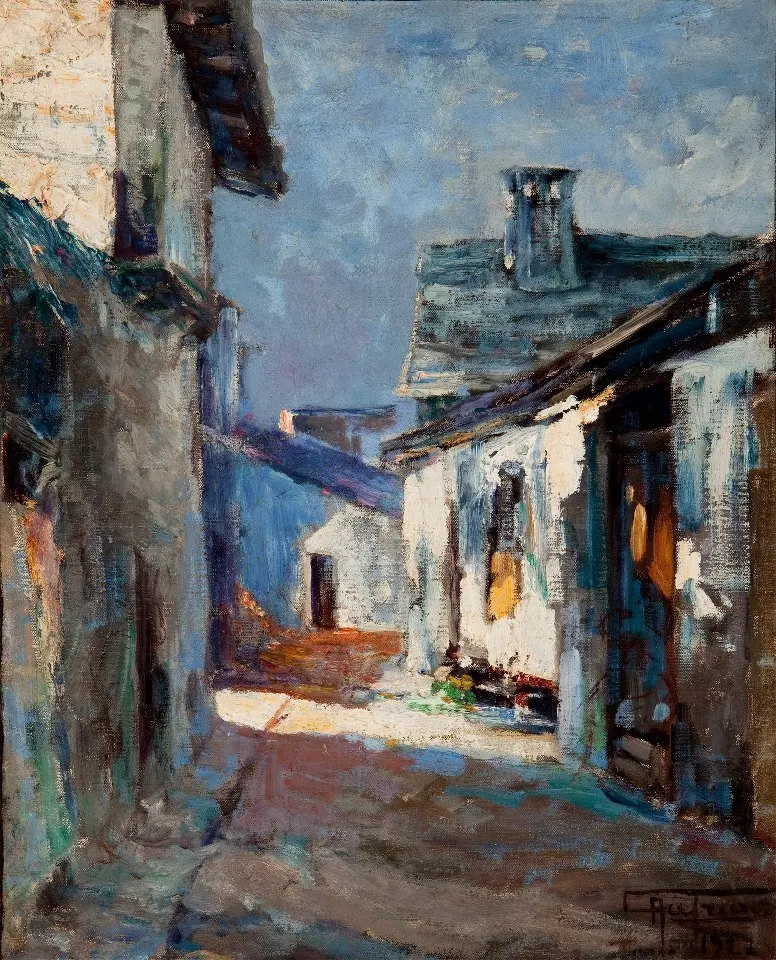
Nicolae Grigorescu’s early work La Vitré, dated around 1850, depicts a narrow, mud‑laden lane flanked by aging stone houses. The composition is dominated by earth tones—browns, grays and subdued greens—interrupted by occasional splashes of red and yellow on the façades. A pale sky, rendered with faint blue strokes, hovers above a few pedestrians moving through the alley.
Subject & Meaning
The scene captures a quotidian moment in a rural or semi‑urban setting, emphasizing the wear of time on the built environment. The crumbling roofs and weathered walls suggest a community accustomed to hardship, while the presence of walkers hints at continuity of daily life despite the bleak surroundings.
Technique & Style
Grigorescu employs a loose, impasto application, laying on thick paint that remains visibly textured, especially on the walls and sky. This tactile brushwork imparts a sketch‑like immediacy, blurring the line between finished canvas and rapid study, and reinforces the raw, unvarnished atmosphere of the street.
History & Provenance
Created in the mid‑19th century, La Vitré belongs to Grigorescu’s formative period before his later association with French Impressionism. The work’s early date places it among his initial explorations of rural Romanian life, though specific details of its ownership or exhibition history remain undocumented.
Artist & collection
Artist
Romanian painter Nicolae Grigorescu made quiet, honest scenes of everyday life and country roads around 1900.