Artwork
Case la Vitre
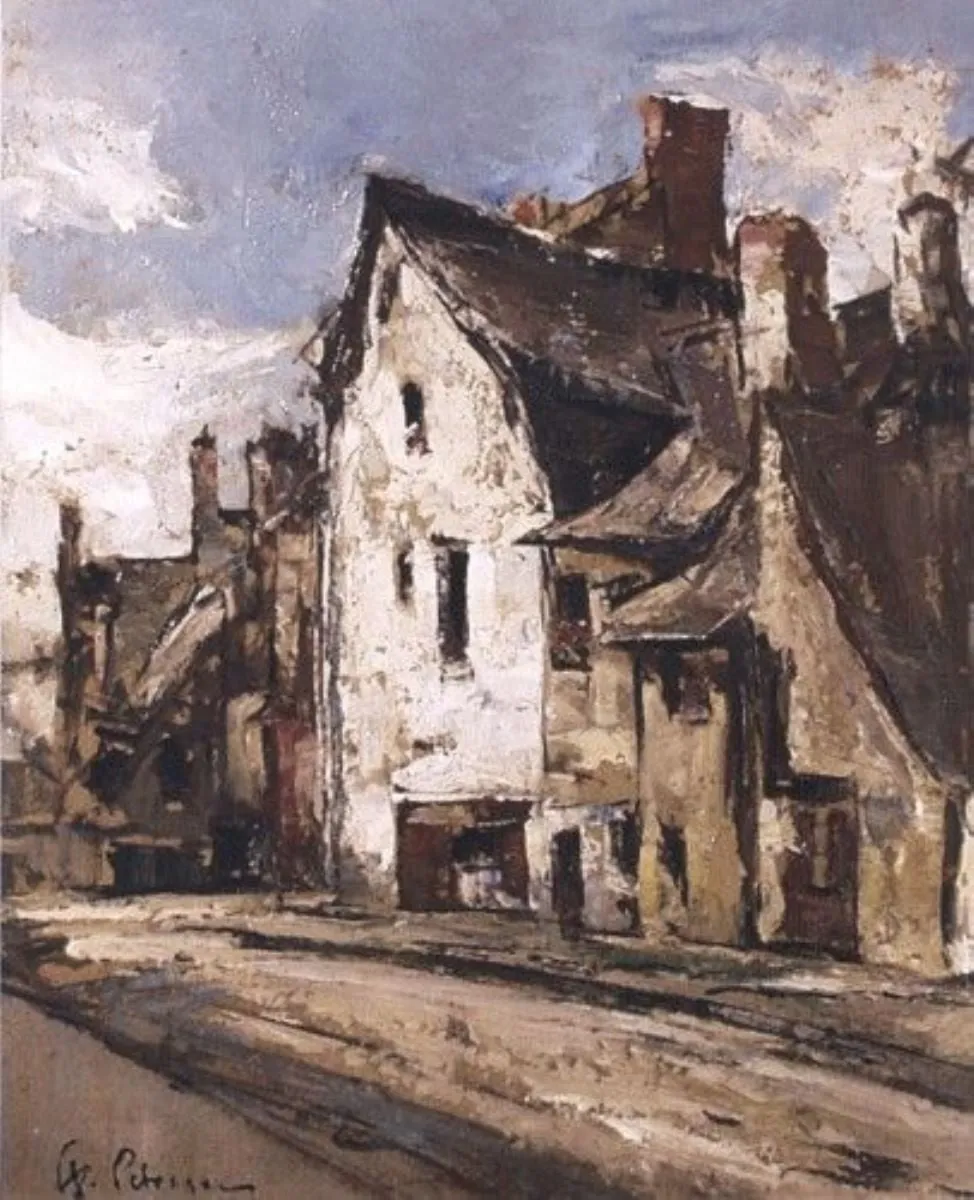
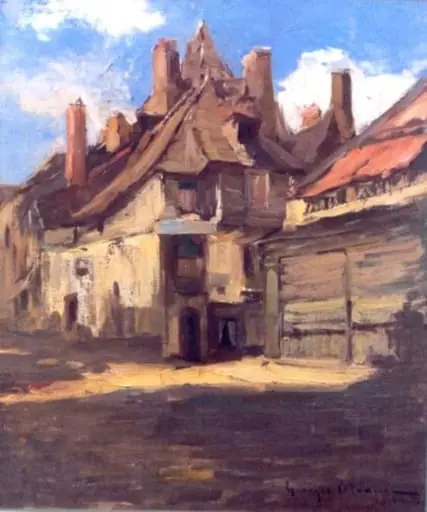
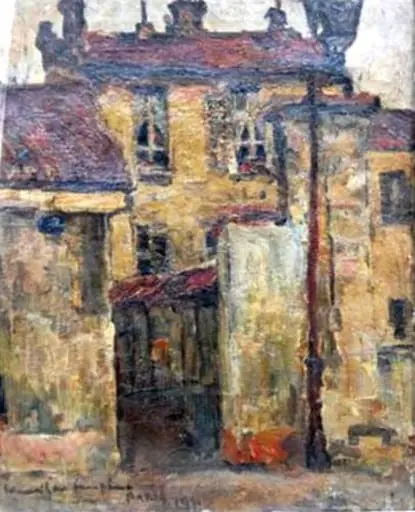
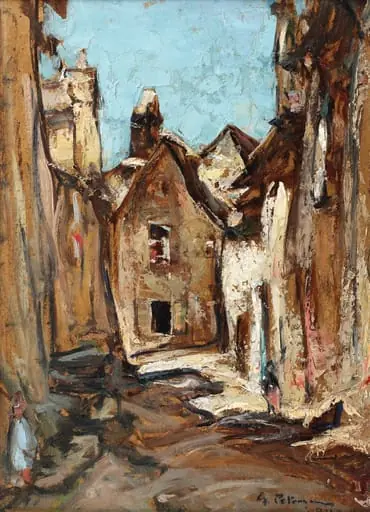
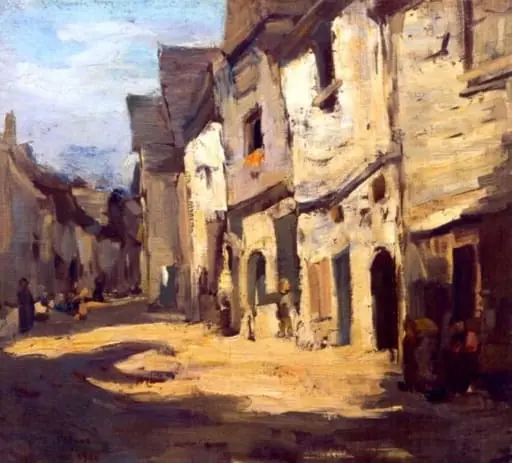
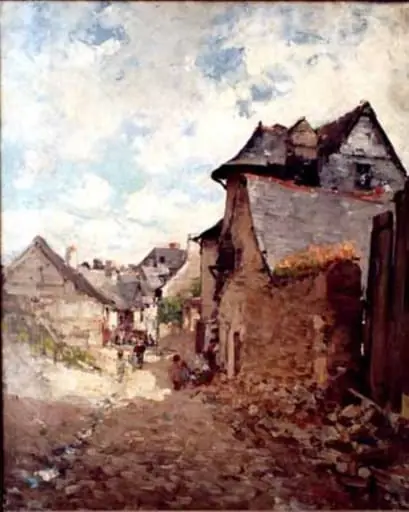
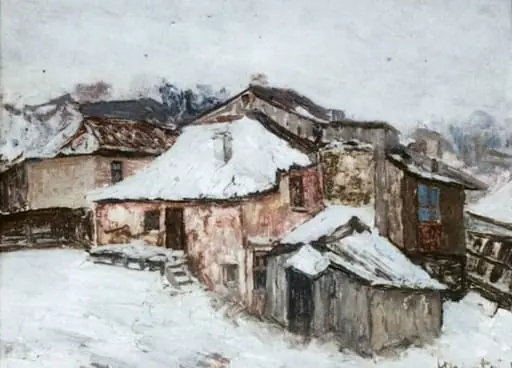
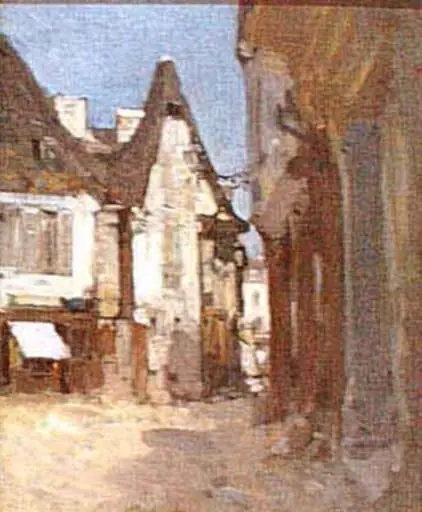
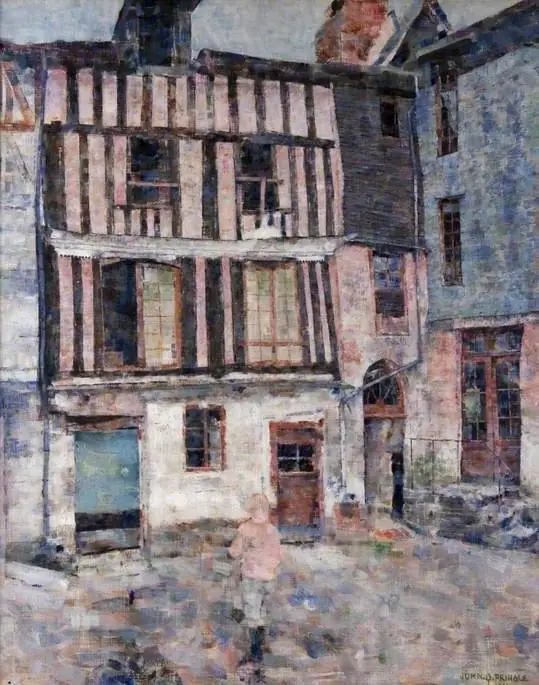
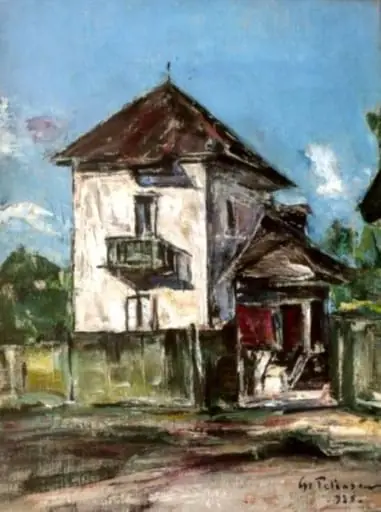
Case la Vitre is an unspecified painting by Gheorghe Petrașcu. It dates from 1921 and is held in the collection of the National Museum of Art of Romania.
About this work
Overview
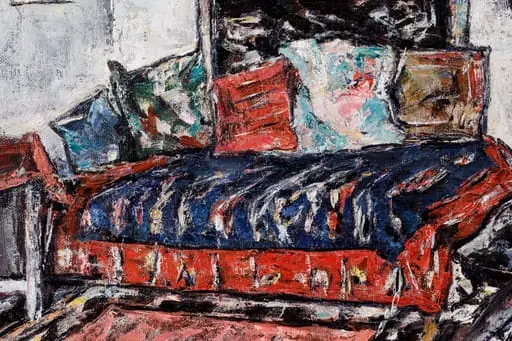
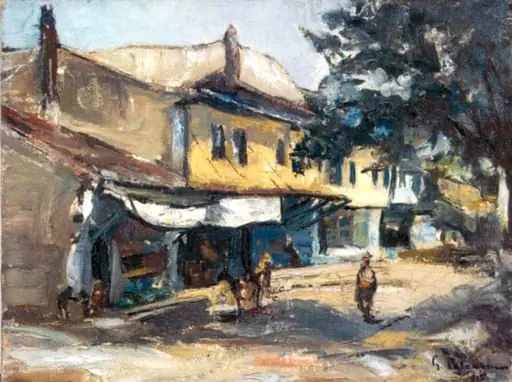
The painting captures a modest dwelling through the literal and metaphorical lens of a window, emphasizing observation over narrative.
Gheorghe Petrașcu, born in 1949 in Tecuci, Romania, painted *Case la Vitre* in 1921. Though he gained recognition posthumously through exhibitions in Paris and Venice, this work reflects his early engagement with domestic architecture and the quiet dignity of everyday scenes. The painting captures a modest dwelling through the literal and metaphorical lens of a window, emphasizing observation over narrative.
Subject & Meaning
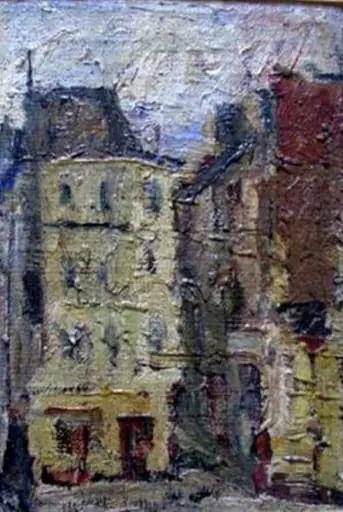
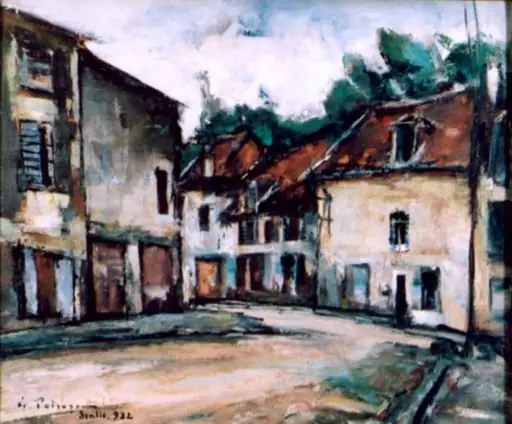
The subject is a single, aging house seen through a window frame, its surfaces worn by time and weather. The peeling plaster, slanted roof, and uneven ground suggest neglect and endurance. The window acts as both a physical barrier and a portal, inviting the viewer to contemplate the passage of time and the quiet resilience of ordinary structures, rather than dramatizing their condition.
Technique & Style
Petrașcu employed thick, textured brushwork to render the house’s deteriorating surfaces, using impasto to mimic the roughness of cracked plaster and uneven cobblestones. The paint is applied with deliberate heaviness, creating a tactile quality that emphasizes materiality over idealized form. The sky, rendered in muted tones, contrasts with the dense, tactile foreground, reinforcing the building’s isolation.
History & Provenance
Painted in 1921, *Case la Vitre* remained largely within Romanian collections until after Petrașcu’s death. It later appeared in international exhibitions, including the Paris International Exhibition and the Venice Biennale, where it contributed to a broader recognition of early 20th-century Romanian painting. Its provenance reflects a posthumous reevaluation of regional artists within broader European contexts.
Context
Created in the aftermath of World War I, the painting resonates with a period of national rebuilding and introspection in Romania. While urban centers modernized, rural and provincial architecture retained signs of decay. Petrașcu’s focus on a humble dwelling aligns with a broader artistic interest in authenticity and the overlooked, contrasting with the grandeur favored in academic traditions of the time.
Legacy
Though not widely known during his lifetime, Petrașcu’s work, including *Case la Vitre*, has since been acknowledged for its quiet intensity and material honesty. The painting contributes to a growing appreciation of Romanian modernism that prioritizes texture and atmosphere over spectacle, influencing later generations interested in the poetic potential of everyday subjects.
Artist & collection
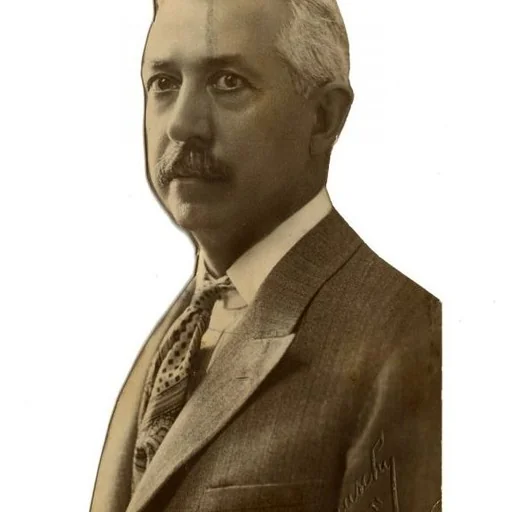
Artist
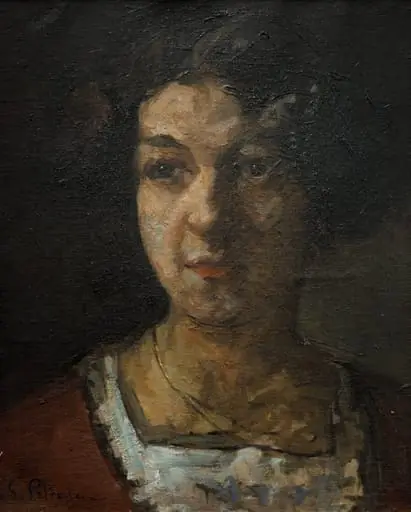
Gheorghe Petrașcu (Romanian pronunciation: ; 20 November 1872, Tecuci – 1 May 1949, Bucharest) was a Romanian painter.