Artwork
Cuirasier cu ceas
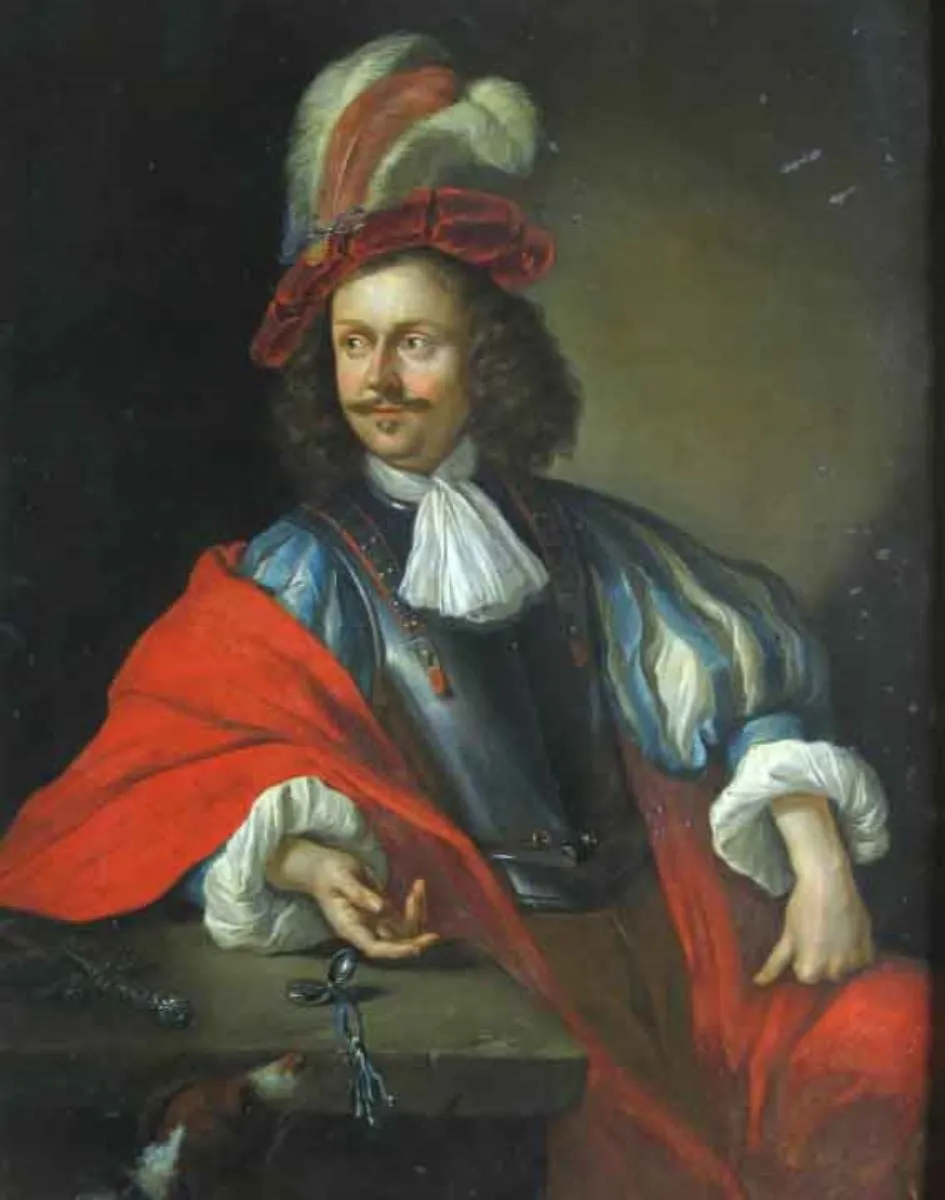
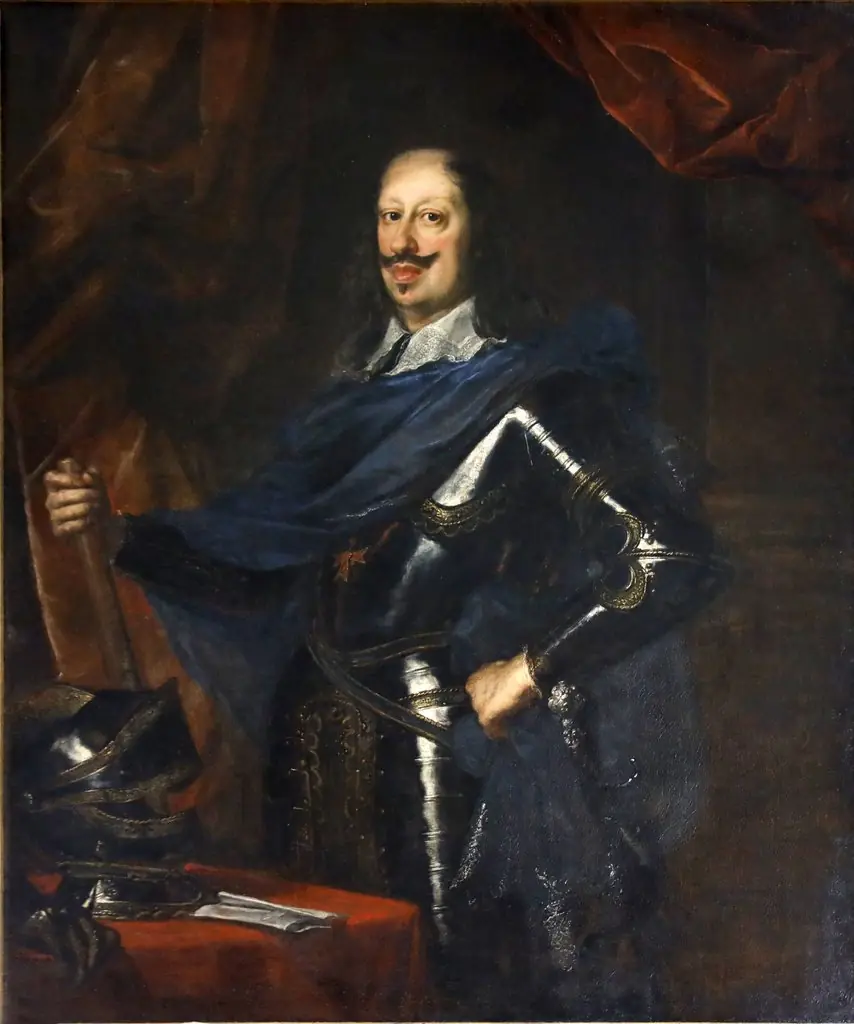
Cuirasier cu ceas is an unspecified painting by the Barbizon school artist Jacob Toorenvliet. It dates from 1668 and is held in the collection of the Brukenthal National Museum.
About this work
Overview
The work exemplifies Dutch Golden Age portraiture, emphasizing individual character through subtle detail and controlled lighting rather than grand narrative.
Painted in 1668 by Jacob Toorenvliet, this portrait captures a man in elaborate attire, likely a cavalry officer, seated at a table. The composition centers on his poised demeanor and refined accessories, set against a dark, atmospheric background. The work exemplifies Dutch Golden Age portraiture, emphasizing individual character through subtle detail and controlled lighting rather than grand narrative.
Subject & Meaning
The figure wears a blue jacket with white cuffs, a red cape, and a feathered hat—elements associated with military nobility in 17th-century Europe. He holds an object in his right hand, possibly a timepiece, suggesting themes of vigilance or the passage of time. The modest array of items on the table reinforces a quiet introspection, aligning the portrait with ideals of disciplined elegance rather than overt display.
Technique & Style
Toorenvliet employs chiaroscuro to model the figure’s form, directing soft light across the fabric textures and facial features. The dark background enhances the three-dimensionality of the subject, while precise brushwork renders the sheen of silk, the texture of feathers, and the gleam of metal. The palette is restrained yet rich, prioritizing tonal harmony over vivid contrast, characteristic of Dutch realism.
History & Provenance
The painting was completed in 1668 during Toorenvliet’s active period in Leiden. It remained in private collections in the Netherlands for centuries before entering institutional hands. No documented commission or patron is recorded, suggesting it may have been a personal or speculative work, typical of artists producing portraits for the open market rather than aristocratic patrons.
Context
In mid-17th-century Holland, portraiture flourished beyond elite circles, with middle-class patrons commissioning images that conveyed status through dress and demeanor. Toorenvliet’s work reflects this trend, blending military symbolism with domestic intimacy. The emphasis on personal refinement, rather than heraldic grandeur, mirrors broader societal shifts toward individual identity in Dutch civic culture.
Legacy
Though not widely exhibited, the painting contributes to understanding the diversity of Dutch portraiture beyond formal group compositions or merchant depictions. Toorenvliet’s handling of light and texture influenced lesser-known contemporaries, and the work remains a quiet example of how everyday elegance was rendered with technical precision during the Baroque era.
Artist & collection
Artist
Dutch painter Jacob Toorenvliet worked in the 1600s, filling small canvases with finely dressed soldiers and horses.

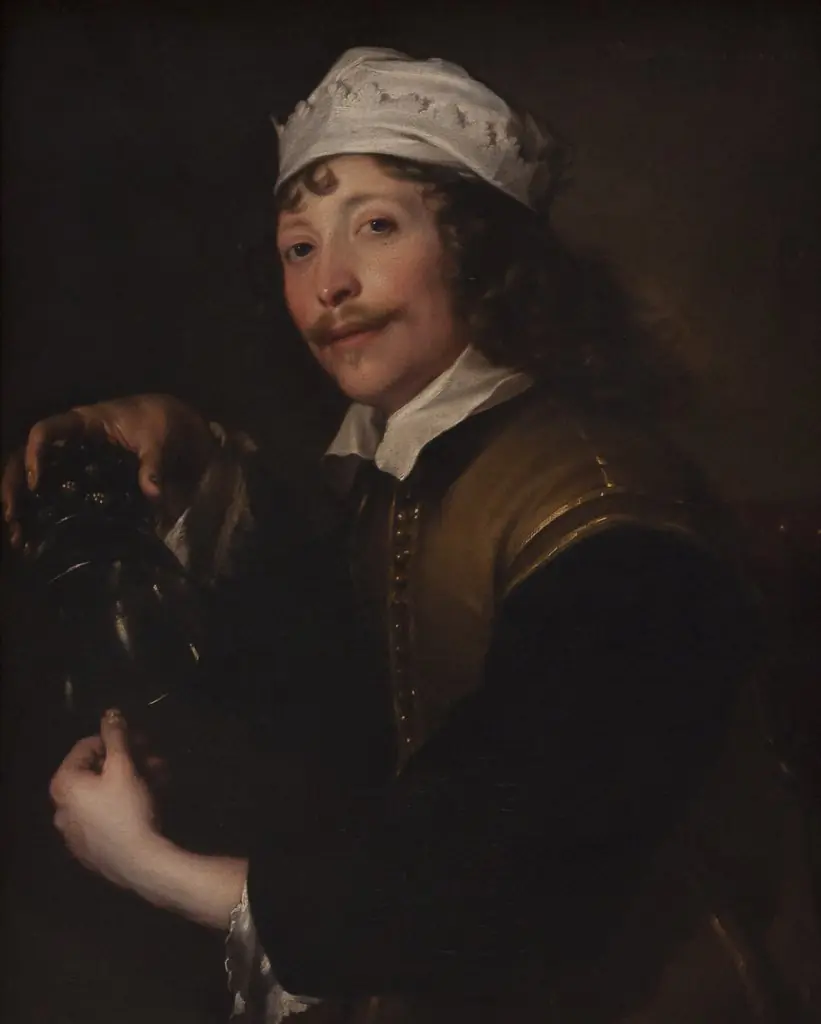 The Fingernail Test
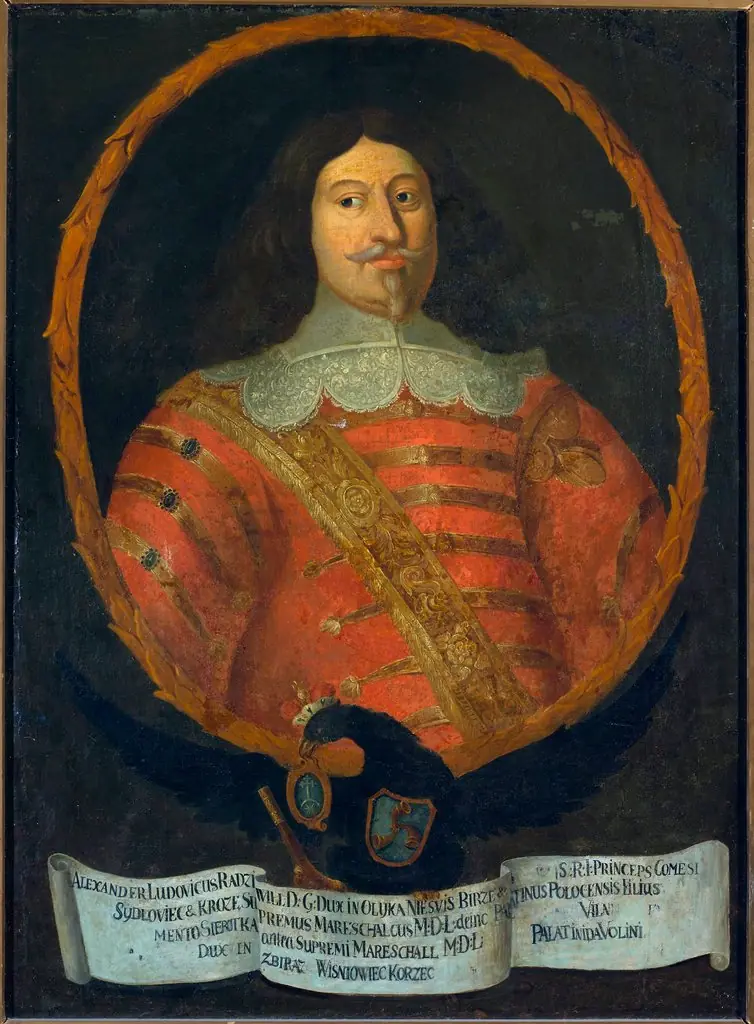 Portrait of Aleksander Ludwik Radziwiłł (1594–1654)
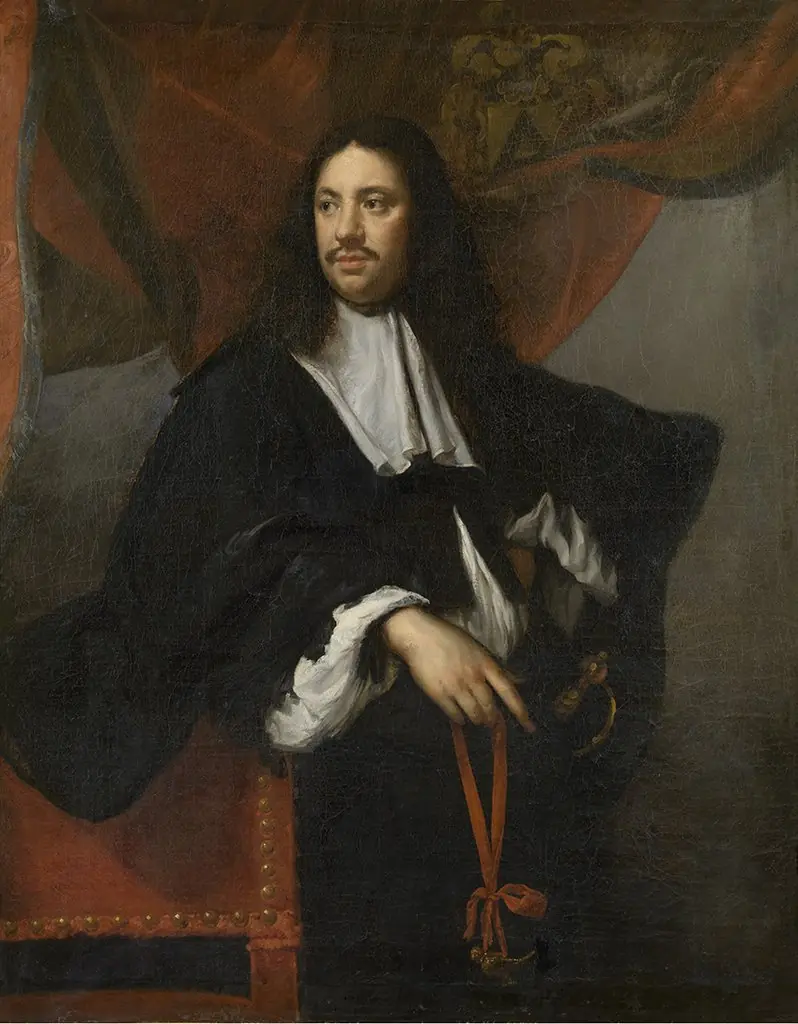 Portrait of Jan-Filips van Boonem, Dean of the Guild of St. George in Bruges
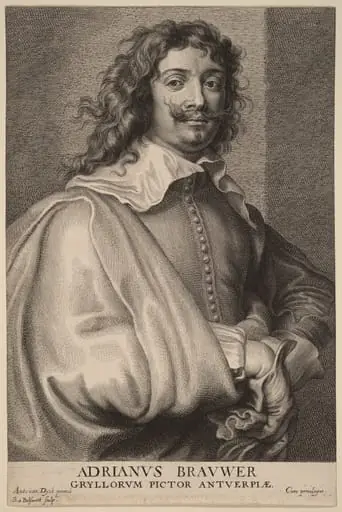 Adriaen Brouwer
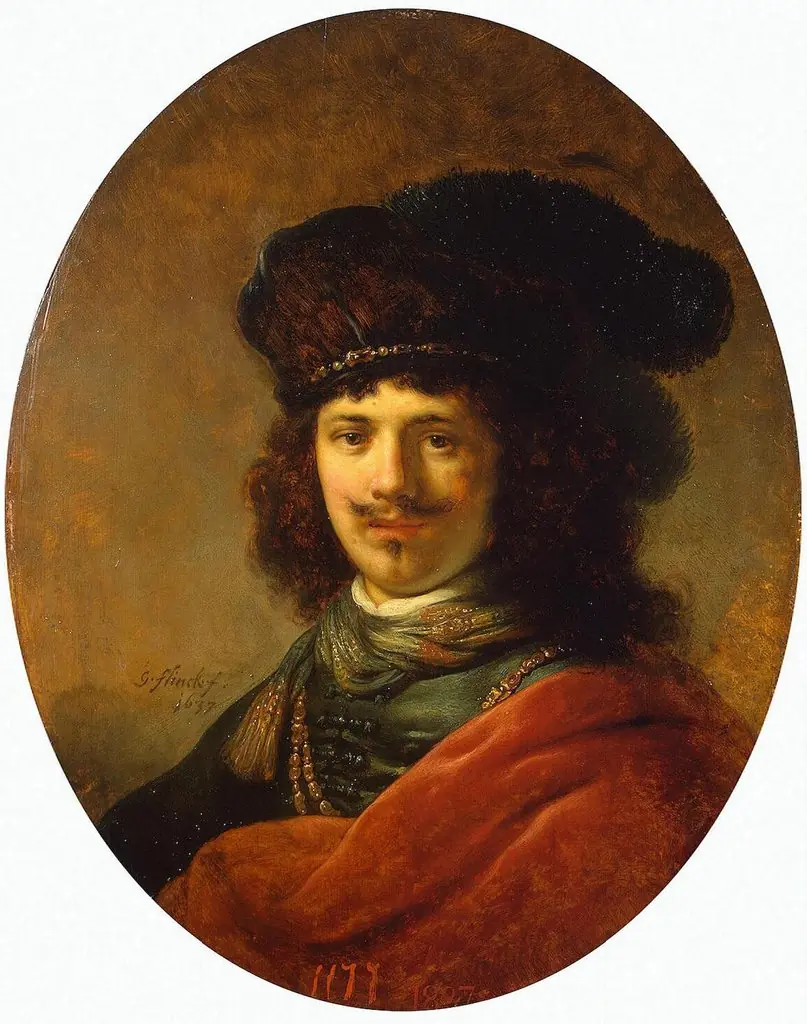 Portrait of a Young Man
 Nobil din sec. XVIII
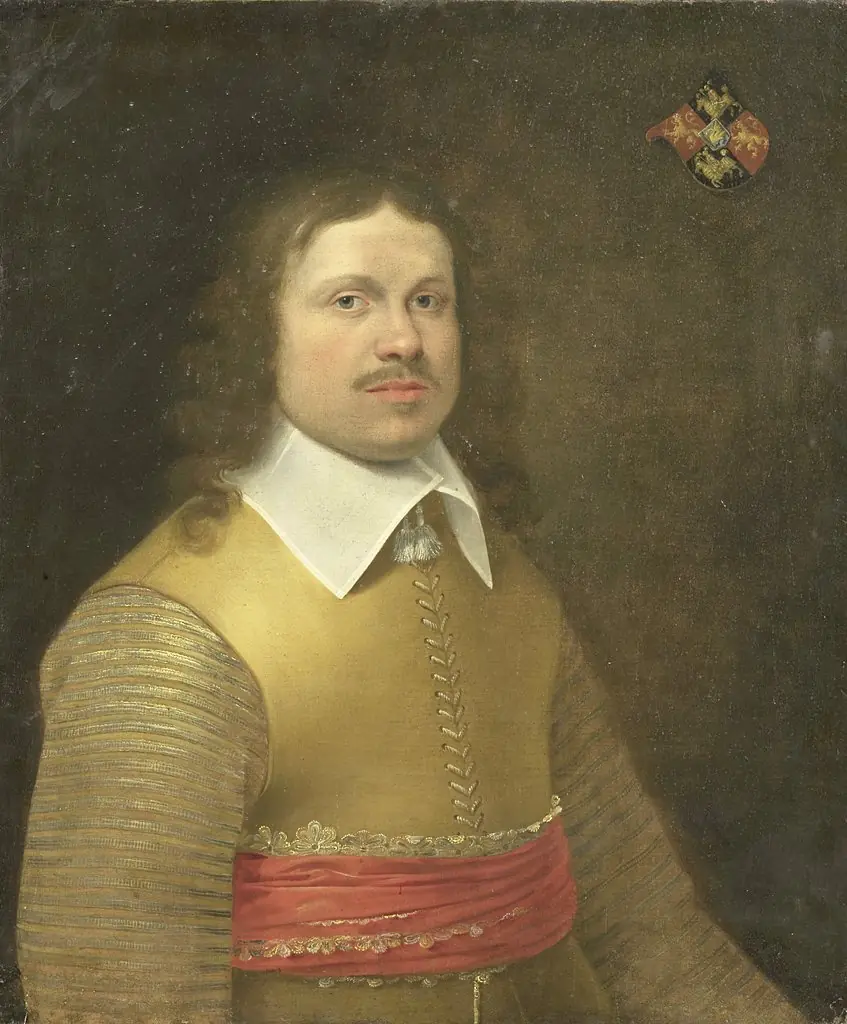 Portrait of Herman van der Hem van Nederstein (Herman Gysbert van der Hemm van Niederstein) (died 1671)
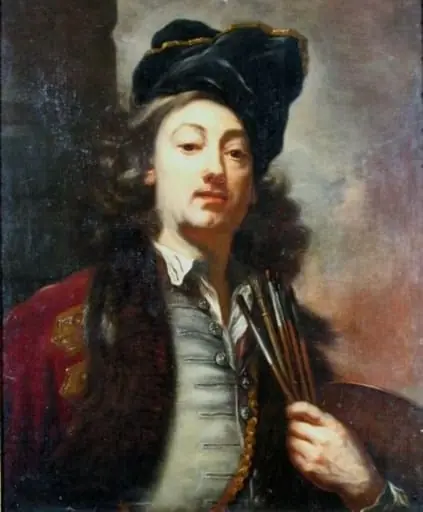 Autoportret
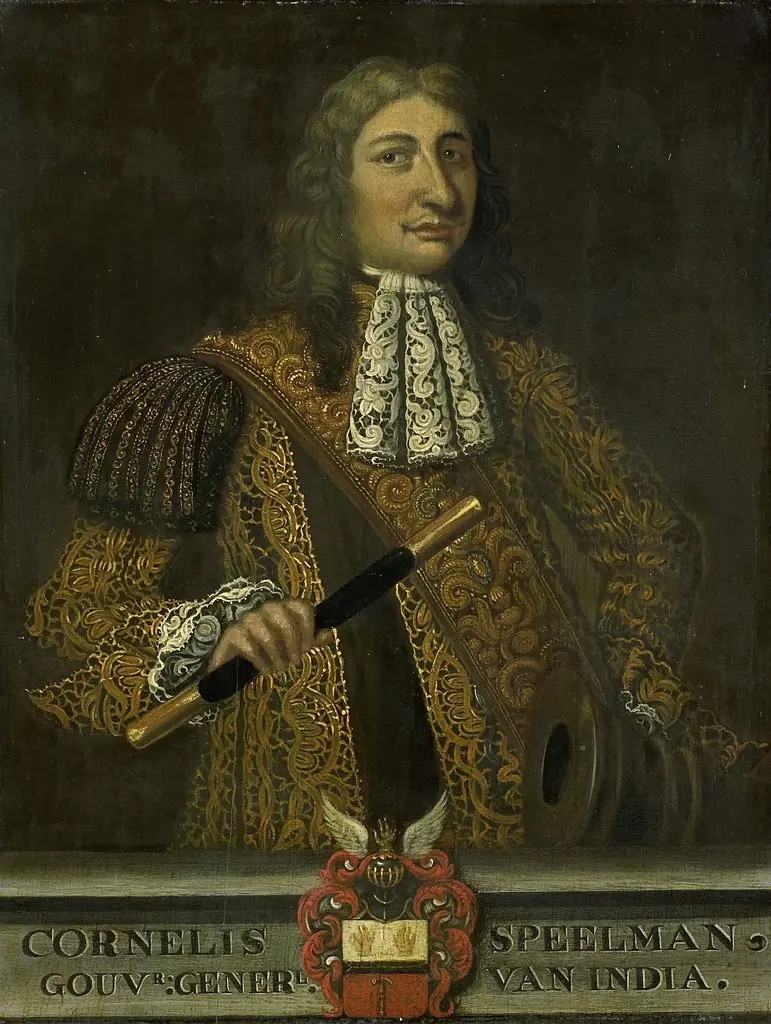 Portrait of Cornelis Speelman (1628-84), Gouverneur-generaal (1681-84)
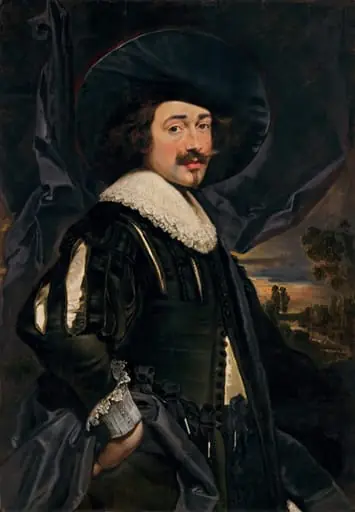 Portrait of a Man in a Wide-Brimmed Hat
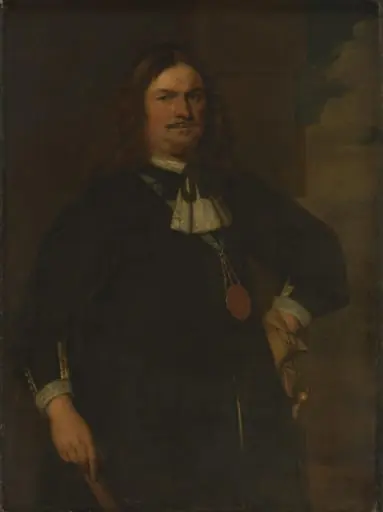 Portrait of Adriaen Banckert (c. 1620-1684), Vice Admiral of Zeeland
 Portrait of Ferdinando II de'Medici