Artwork
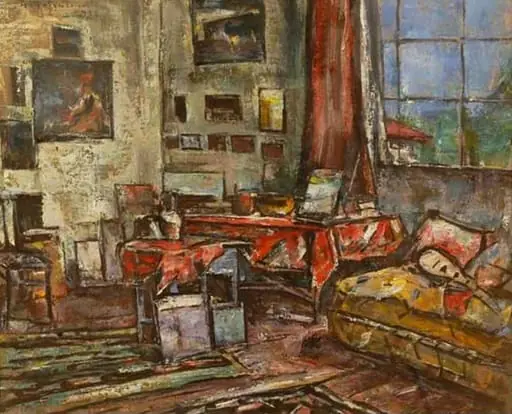
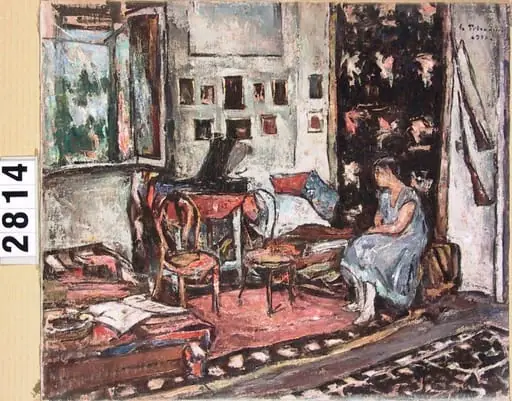
Interior la Viforâta
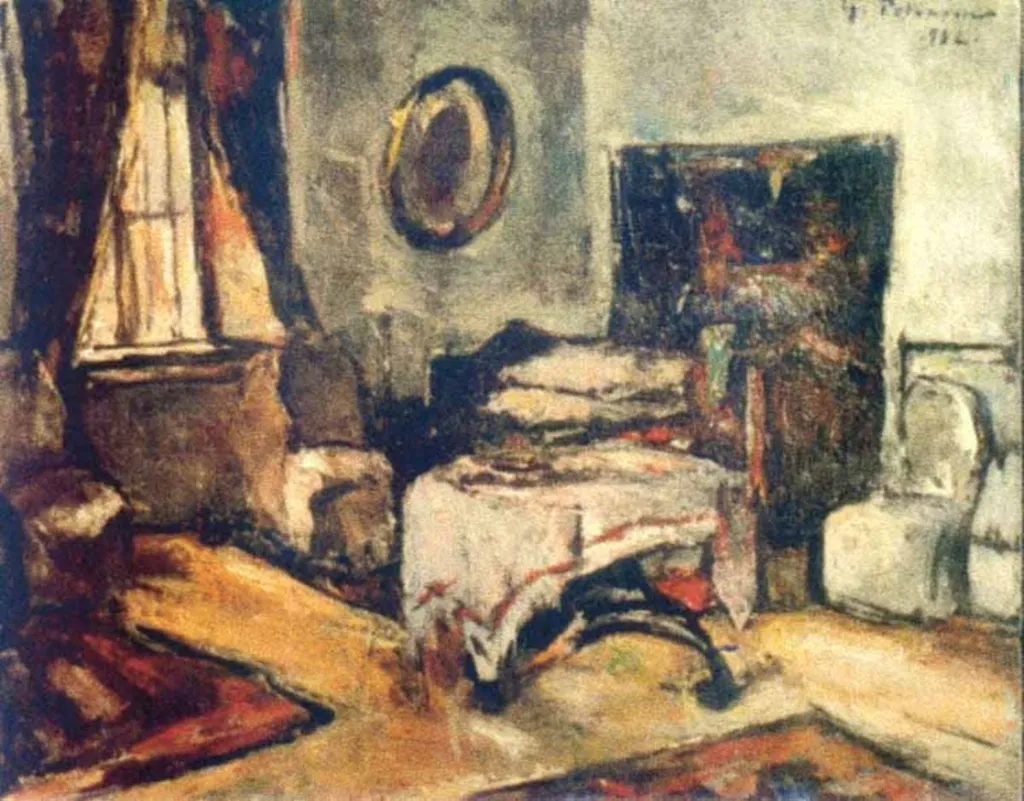
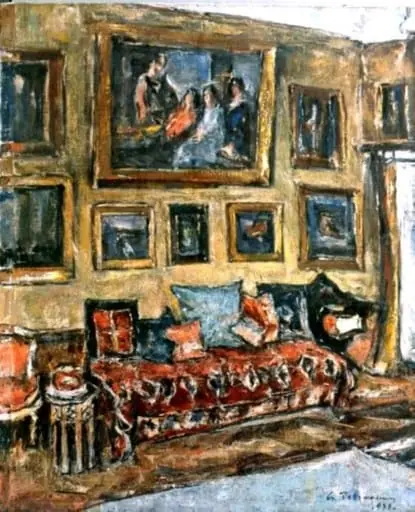
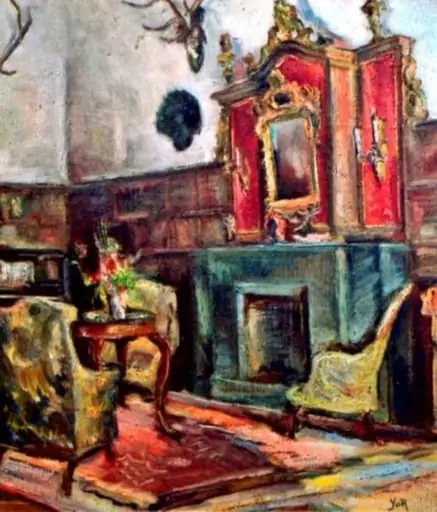
Interior la Viforâta is an unspecified painting by Gheorghe Petrașcu. It dates from 1932 and is held in the collection of the Art Museum of Constanta.
About this work
Overview
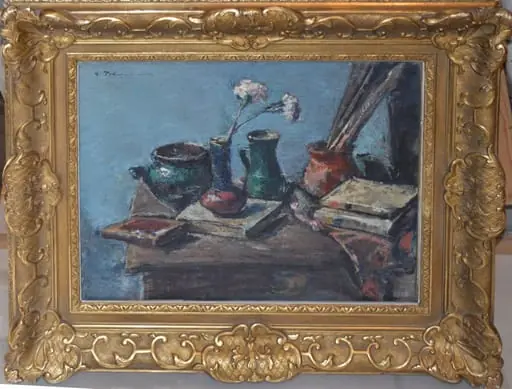
Gheorghe Petrașcu’s 1932 painting titled *Interior la Viforâta* is part of the collection of the Museum of Ethnography. The work presents a modest interior space, rendered with restrained furnishings and a limited assortment of objects, inviting the viewer into a quiet, timeless setting.
Subject & Meaning
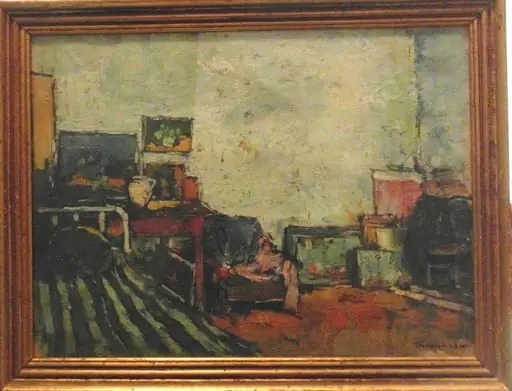
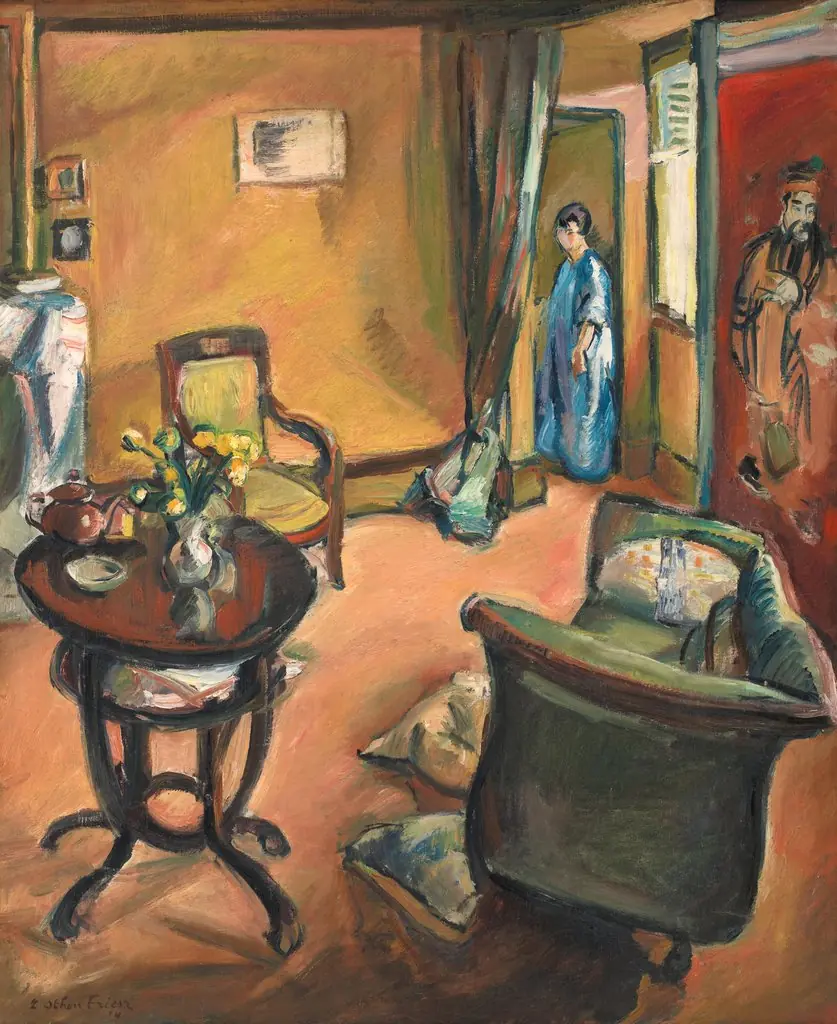
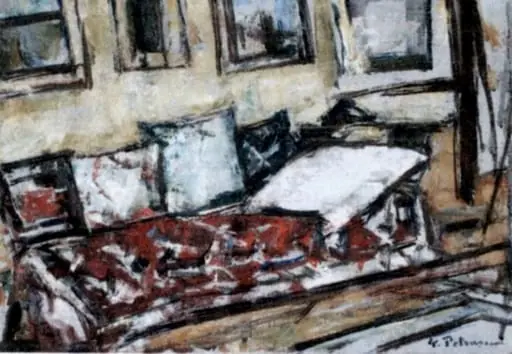
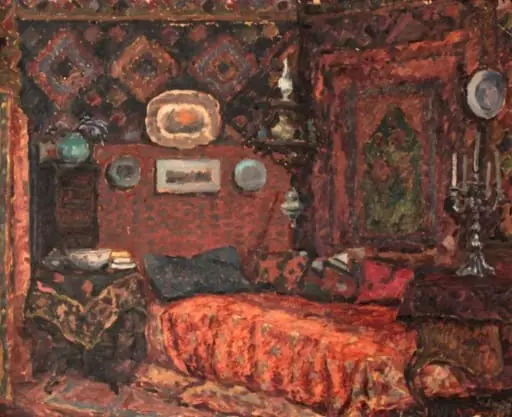
The composition depicts a sparsely furnished room that appears to have remained unchanged for an extended period. The simplicity of the setting, combined with the subdued palette, conveys a sense of calm and contemplation, suggesting an atmosphere of domestic stillness rather than narrative drama.
Technique & Style
Petrașcu employs a muted color scheme and soft transitions between tones, reminiscent of the sfumato technique, to achieve a hazy, atmospheric effect. This approach softens edges and blends light and shadow, enhancing the tranquil mood and giving the interior a slightly diffused, timeless quality.
History & Provenance
Created in 1932, the painting entered the holdings of the Museum of Ethnography, where it remains on display. Its acquisition reflects the institution’s interest in works that document everyday Romanian environments and the visual culture of the early twentieth century.
Context
The work belongs to a period in Petrașcu’s career when he turned toward interior scenes, focusing on the interplay of light, color, and space. By portraying a humble, unaltered room, the artist aligns with broader interwar interests in national heritage and the quiet dignity of ordinary life.
Artist & collection
Artist
Gheorghe Petrașcu painted quiet scenes of buildings, streets, and still lifes in the 1920s and ’30s Romania.