Museum
Art Museum of Constanta

Image: Wikimedia Commons.
Art Museum of Constanta is a museum in Constanța County, Romania.
About Art Museum of Constanta
Overview & Identity
The Art Museum of Constanța, officially known as the Dinu and Sevasta Vintilă Topalu Museum, is a county-level institution dedicated to Romanian plastic arts. Located at Boulevard Tomis no. 82-84 in Constanța, the museum serves as a primary repository for the artistic heritage of the Dobrogea region and the broader Romanian national canon. It was established in 1961, evolving from earlier municipal collections to become a significant cultural landmark on the Black Sea coast. The institution is currently directed by Lelia Rus Pârvan and functions as a dynamic center for both permanent exhibitions and temporary artistic dialogues.
History & Founding
The museum's institutional foundation rests on two distinct historical collections: the Art Collection of the Constanța City Hall (Pinacoteca Primăriei) and the Balcic Art Collection. The Balcic Collection was assembled between 1935 and 1937, originally intended for the royal palace in Balcic, before becoming a core component of the Constanța museum. Upon its formal establishment in 1961, the museum was enriched by significant transfers from the National Museum of Art in Bucharest. Further growth was achieved through direct purchases and donations from prominent Romanian artists, including Marius Bunescu, Ion Jalea, and Boris Caragea, as well as private collectors.
Building & Architecture
The museum occupies a unique complex comprising two connected buildings that reflect different architectural eras. The oldest structure, dating to 1895, is a Neoclassical edifice that originally served as the oldest school in Constanța; it has been declared a historical monument (cod CT-II-m-A-02852) due to its exterior decorative elements. This historic building is linked to a modern extension constructed between 1980 and 1982. The artworks are distributed across three levels spanning these two linked structures, creating a cohesive exhibition space that bridges 19th-century architectural heritage with 20th-century functional design.
Collection Highlights & Notable Holdings
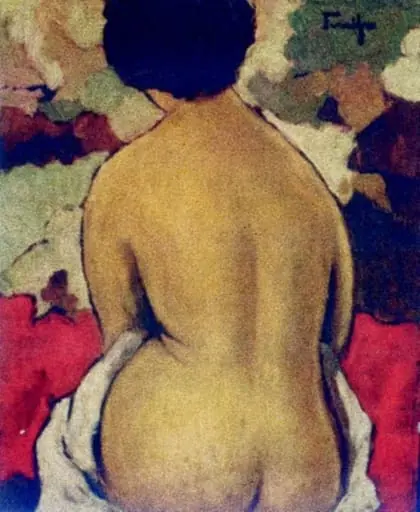
The permanent collection is organized chronologically and by author, offering a comprehensive survey of Romanian art evolution. The ground floor features 19th-century masters such as Theodor Aman, Nicolae Grigorescu, Ioan Andreescu, and Ștefan Luchian, alongside sculptures by Ioan Georgescu, Ștefan Ionescu Valbudea, Frederic Storck, and Dimitrie Paciurea. The first floor is notable for its 'Pallady Hall,' housing 35 works by Theodor Pallady, including still lifes, nudes, and seascapes inspired by the Constanța coast, as well as works by the 'Group of Four' (Nicolae Tonitza, Ștefan Dimitrescu, Francisc Șirato, and Oscar Han). The second floor and the modern wing display 20th-century avant-garde and contemporary works by artists such as Camil Ressu, Ion Țuculescu, Marcel Iancu, and M.H. Maxy.
Regional Significance & Themes
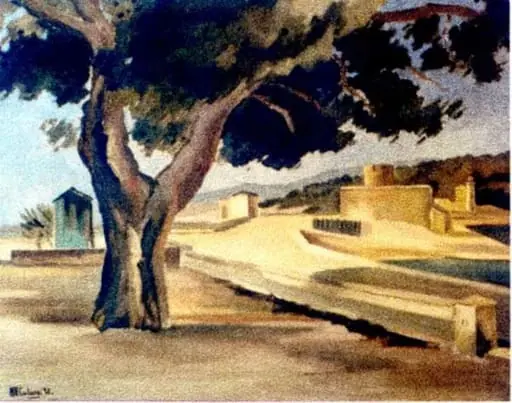
A defining characteristic of the museum's collection is its strong emphasis on the Dobrogea region and the Black Sea landscape. The artworks displayed often portray the local environment, illustrating how Romanian artists expressed a deep connection to the coastal surroundings of Constanța. This regional focus distinguishes the museum within the national network of art institutions, preserving a specific visual narrative of the Dobrogea territory. The museum also actively contributes to the local cultural life by hosting temporary exhibitions that welcome artists from Romania and abroad, fostering a dynamic dialogue with visitors and the artistic community.
What to see at Art Museum of Constanta
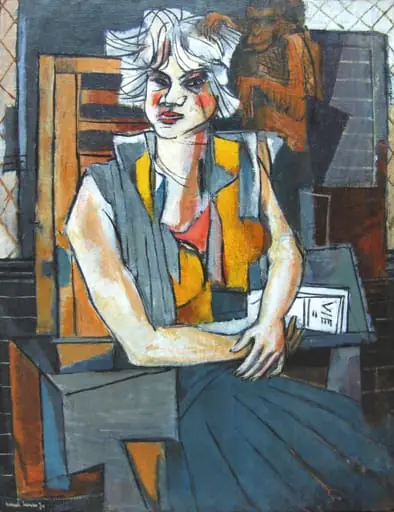
Start with Girl Portrait by Marcel Janco.
What's on
- Vernisajul expoziției „Bijuteria contemporană”From 4 Apr 2026
- Miniatura Uzbekistanului: Tradiție și ModernitateFrom 22 Apr 2026
- Melancholia. Geometria unei stări interioareFrom 4 May 2026
- ARTEFAPTEFrom 7 Jun 2026