Artwork
Portrait of a lady (Veronica Gambara?)
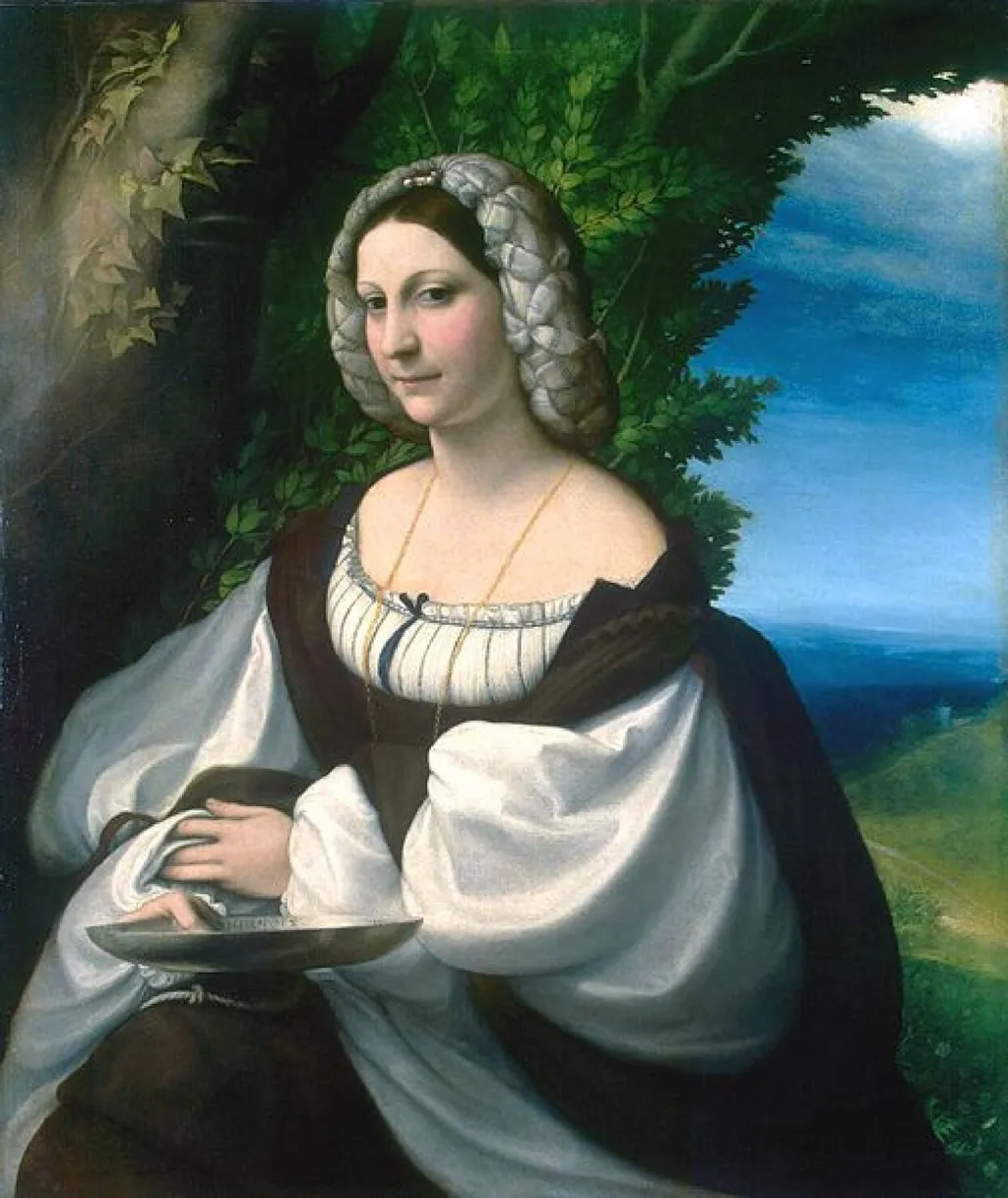
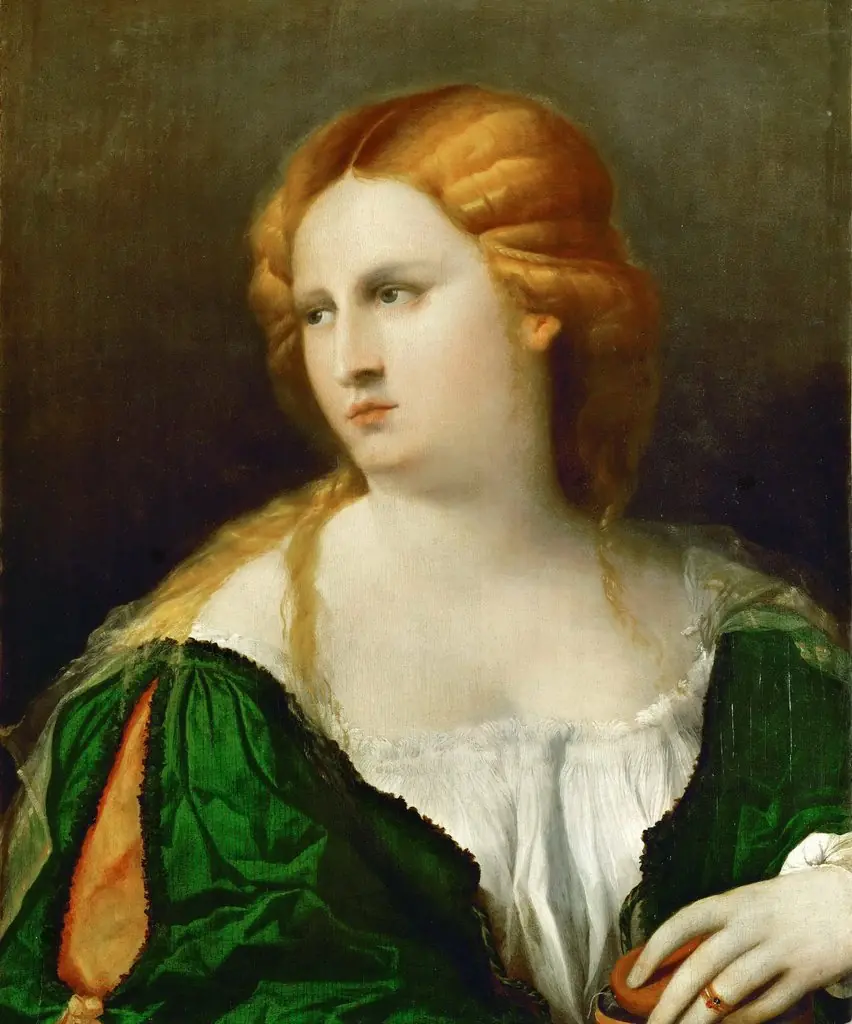
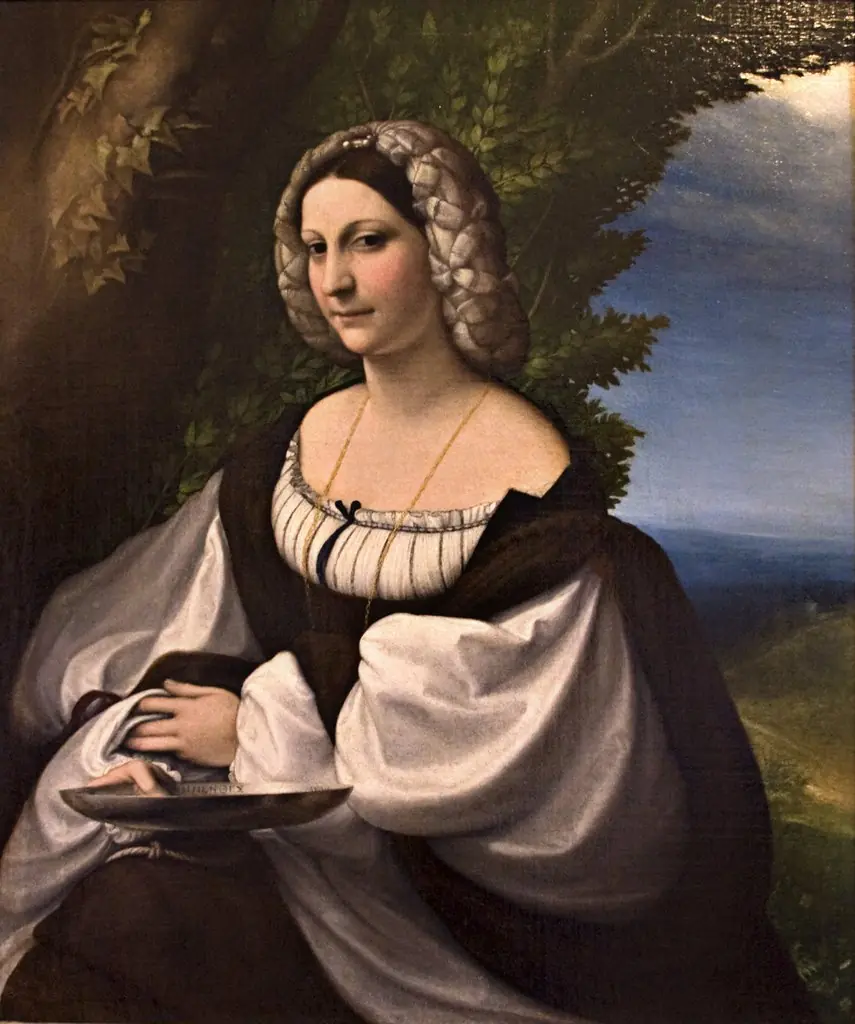
Portrait of a lady (Veronica Gambara?) is an unspecified painting by Antonio da Correggio. It dates from 1550 and is held in the collection of the University of Cyprus. This portrait depicts a woman holding a ceramic bowl inscribed with a fragment of Homeric Greek verse.
About this work
Overview
The subject’s composed demeanor and the presence of the inscribed vessel suggest an educated, introspective individual, likely from a humanist circle.
This portrait depicts a woman holding a ceramic bowl inscribed with a fragment of Homeric Greek verse. The work stands out for its rare integration of classical literary reference into a Renaissance portrait of a woman. The subject’s composed demeanor and the presence of the inscribed vessel suggest an educated, introspective individual, likely from a humanist circle. The painting’s quiet intensity distinguishes it from more ornate contemporary portraits.
Subject & Meaning
The sitter is thought to be Veronica Gambara, a noted Italian poet and widow. The Homeric inscription—referencing a medicinal substance that soothes sorrow and anger—may allude to personal grief and emotional resilience. The choice of text implies a deliberate alignment with classical ideals of stoicism and intellectual refinement, framing the sitter not merely as a noblewoman but as a thinker shaped by loss and learning.
Technique & Style
The portrait employs subtle tonal transitions and soft modeling, characteristic of early Mannerist approaches influenced by sfumato. Light falls gently across the face and bowl, enhancing the calmness of the expression without theatricality. The background remains muted, directing focus to the figure and the inscribed vessel. Details like the fabric folds and the bowl’s texture are rendered with restrained precision, avoiding excessive ornamentation.
History & Provenance
The painting’s early ownership is undocumented, but its style and inscription align with northern Italian humanist circles of the early 16th century. It entered a major European collection in the 19th century, where its Homeric text was identified and linked to Gambara’s known literary interests. While attribution remains tentative, the work’s intellectual content and execution place it firmly within the milieu of educated female patrons of the Renaissance.
Context
During the Renaissance, elite women like Gambara engaged with classical texts as part of their cultural identity, often using literature to express personal and philosophical views. Portraits incorporating Greek inscriptions were uncommon, especially for women, making this work a rare testament to female intellectual agency. The inclusion of Homer reflects a broader trend of humanist revival, where classical antiquity served as a moral and aesthetic reference point.
Legacy
The portrait endures as a quiet monument to the intersection of gender, learning, and classical tradition in Renaissance Italy. Its significance lies not in grandeur but in its understated fusion of personal narrative and literary allusion. Scholars continue to study it as an example of how women navigated cultural spaces through symbolic objects, using classical references to assert intellectual presence in a male-dominated sphere.
Own this work as a print
Artist & collection
Artist
Correggio painted warm, intimate scenes in the early 1500s Italian Renaissance style.
![Vittoria Colonna [?], by Sebastiano del Piombo](https://artifactworldgallery.com/img/sebastiano-del-piombo--vittoria-colonna--2bf72498c1ca4c50-w320.webp)